Plan and listen to Luoxi Bridge with Audiala.
Audio guide in your pocket, itinerary in your browser. Built for the way you actually visit.
Introduction
Luoxi Bridge (洛溪大桥) is a prominent symbol of Guangzhou’s rapid urbanization and infrastructural innovation. Connecting the Haizhu and Panyu districts over the scenic Pearl River, this bridge not only facilitates transportation but also serves as a testament to the city’s economic growth and evolving cultural identity. Completed in 1988, Luoxi Bridge stands as one of Guangzhou’s earliest large-scale bridges, pioneering modern engineering techniques in the region. It offers panoramic views of the city skyline and the Pearl River, making it a unique spot for history enthusiasts, photographers, and travelers keen to experience Guangzhou’s dynamic landscape. This guide provides up-to-date information on visiting hours, tickets, accessibility, travel tips, nearby attractions, and the bridge’s historical and cultural significance (Guangzhou Urban Design, Haizhu Government, China Highlights).
Historical Background and Engineering Milestones
Early Development and Strategic Importance
Positioned at a key juncture in the Pearl River Delta—a vital trade and transportation hub—Luoxi Bridge was constructed to enhance connectivity between Haizhu and Panyu districts. Its strategic location accelerated urbanization, resource flow, and regional economic development, supporting Guangzhou’s transformation into a major metropolis (Guangzhou Urban Design).
Construction and Innovation
Built using reinforced concrete and steel, the bridge extends approximately 1,200 meters with a main span of 360 meters. At the time of its completion, it was among the longest and most technically advanced bridges in southern China. Notably, Luoxi Bridge was the first toll bridge in mainland China, introducing a new financing model that influenced future infrastructure projects nationwide (Haizhu Government).
Engineering Recognition
Luoxi Bridge was awarded the prestigious Zhan Tianyou Award for engineering excellence, and periodic upgrades—including a major expansion in December 2021—have ensured its safety, capacity, and alignment with modern urban transport needs (Fyfe Asia, News GD).
The Bridge in Everyday Life and Local Culture
Social and Economic Impact
Since opening, Luoxi Bridge has been crucial in supporting economic integration between Panyu and Guangzhou’s urban core. It facilitates daily commutes for over 100,000 vehicles, serves as a corridor for trade, and has spurred the development of new business and residential centers in the southern districts (zonaeuropa.com).
Community Narratives
Initially, the bridge’s toll system was a source of controversy, as fees persisted beyond the recovery of construction costs. The abolition of tolls in 2005 was widely celebrated, restoring public ownership and improving traffic flow (zonaeuropa.com). The bridge’s swift repairs and expansions have also become points of civic pride.
Cultural Symbolism
In Lingnan culture, bridges signify connection and prosperity. Luoxi Bridge is often a focal point during traditional festivals, such as the Spring Festival and Dragon Boat Festival, when locals gather for community events and celebrations (The China Journey).
Visiting Information
Visiting Hours
- Vehicles: 24 hours daily.
- Pedestrians and Cyclists: Generally open from 6:00 AM to 8:00 PM; hours may vary due to maintenance or local regulations. Verify with official sources before your visit.
Tickets and Entry
- Pedestrian and Cyclist Access: Free of charge; no tickets required.
- Motor Vehicles: No longer subject to tolls as of July 1, 2005.
Accessibility
- Facilities: The bridge includes ramps and walkways suitable for wheelchair users and strollers, especially after the 2021 expansion. Some older sections may have limited access—check locally for the latest updates.
- Public Transport:
- Metro: Nearest station is Luoxi Station (Line 2), about 1.5 km from the bridge.
- Bus: Numerous routes serve the Haizhu-Panyu corridor.
- Taxi/Ride-Hailing: Readily available throughout Guangzhou.
Travel Tips
- Best Time to Visit: Early mornings and evenings offer cooler temperatures and optimal lighting for photography.
- Weather: June is humid with frequent rain—carry an umbrella and wear light clothing (Wanderlog).
- Avoid Rush Hours: Peak traffic is from 7:30–9:30 AM and 5:00–7:00 PM.
What to See and Do
Scenic Views and Photography
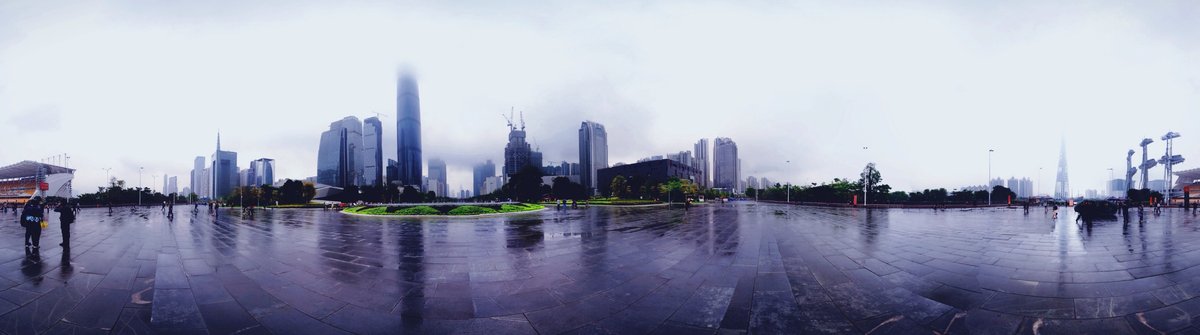
Luoxi Bridge offers panoramic river and skyline vistas, especially at sunrise or sunset. While pedestrian access on the deck may be limited during construction periods, the riverbanks in Haizhu and Panyu provide excellent vantage points for photos, including views of Canton Tower (JDCui Blog).
Nearby Attractions
- Panyu Lotus Hill Park: Scenic gardens and ancient sites.
- Haizhu Flower Market: A vibrant spot, especially during festivals.
- Chimelong Tourist Resort & Shawan Ancient Town: Easily accessible from the Panyu side.
- University Town: Connected by the bridge, this area is known for its campuses and green spaces (MTR Attraction Guide).
Amenities
- Food and Refreshments: Available near Luoxi Metro Station and in Panyu District.
- Restrooms: At metro and major bus stations.
- Parking: Limited near bridge approaches; public transport recommended.
Safety and Etiquette
- Use designated pedestrian and cycling lanes.
- Follow signage, especially near construction zones.
- Avoid walking on the bridge deck where access is restricted.
- Secure belongings and use translation apps if needed.
Guided Tours and Special Events
There are no official guided tours dedicated solely to Luoxi Bridge, but it is often included in broader city or riverfront tours. During local festivals, the area around the bridge is lively with markets and cultural activities.
Frequently Asked Questions (FAQ)
Q: What are the visiting hours for Luoxi Bridge?
A: Open 24 hours for vehicles; pedestrian access typically from 6:00 AM to 8:00 PM.
Q: Is there an entrance fee or ticket required?
A: No, access is free for pedestrians and cyclists.
Q: Is the bridge accessible for disabled visitors?
A: Yes, recent upgrades have improved accessibility, though some older sections may have limitations.
Q: How do I get there via public transport?
A: Metro Line 2 to Luoxi Station, then a short walk or taxi ride; various bus routes also serve the area.
Q: Are there guided tours?
A: No official tours, but local operators may include the bridge in city tours.
Q: What nearby attractions can I visit?
A: Lotus Hill Park, Haizhu Flower Market, Chimelong Tourist Resort, and University Town.
Summary and Final Tips
Luoxi Bridge is an enduring symbol of Guangzhou’s modernization, connectivity, and community spirit. With free access, scenic views, and proximity to cultural attractions, it is a rewarding destination for visitors seeking both history and contemporary urban life. For optimal enjoyment, visit during daylight hours, use public transportation, and explore nearby sites. Stay informed about current access and local events by consulting official tourism resources and downloading the Audiala app for real-time updates (Guangzhou Urban Design, Haizhu Government, China Highlights).
Listen to the full story in the app
The whole Luoxi Bridge,
told well.
Audio guides for 1,100+ cities across 96 countries. History, stories, and local insight — offline ready.

Verified, and shown.
Researched and written by the Audiala editorial team from historical records, architectural archives, and local expertise.
Researched from Wikidata, Wikipedia & official sources · fact-checked · How we make our guides →