What Liede Station Is
Liede Station is a metro station in Guangzhou’s Tianhe District and a gateway to a neighborhood where Lingnan heritage meets modern urban development. It lies on Metro Line 5 and provides access to historical streets, cultural landmarks, the Pearl River and a modern skyline (Liede Station Guide; Guangzhou Metro).
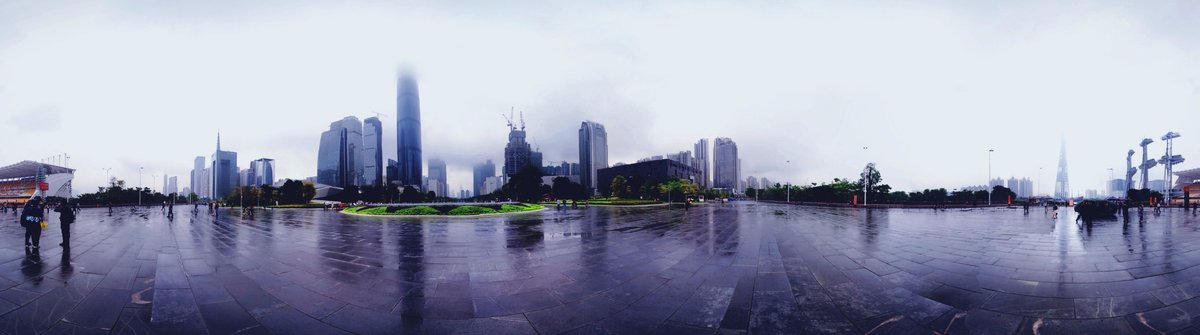
The surrounding area includes Liede Bridge, Canton Tower, Guangzhou Opera House and Guangdong Museum. The district also hosts traditional celebrations, including events for the Dragon Boat Festival (China Daily; Trip.com).
History
Liede Village began as a Lingnan settlement along the Pearl River more than 900 years ago. Its name, “Liede” (猎德), hints at ancient hunting traditions and a clan-based social structure. The historic village layout featured ancestral halls, temples, stone bridges and narrow, winding lanes adapted to the subtropical climate and riverside setting (China Daily).
By the late 20th century, urban expansion had surrounded Liede, turning it into an “urban village” (城中村, chengzhongcun). It retained collective land ownership and informal housing, while its dense, low-rise quarters attracted rural migrants and developed a diverse community (ScienceDirect).
Redevelopment began in 2007 as part of Guangzhou’s “three old renewals” policy, which targeted outdated towns, factories and villages. The project brought together the government, private developers and original villagers, with an emphasis on fair compensation and resident participation (ScienceDirect). Collective land was converted to state ownership, making way for high-rise residential towers, landscaped parks and modern amenities. By 2010, most former villagers had moved into new, well-equipped communities.
Liede Station opened on Metro Line 5 in 2009. Modern infrastructure, including a major sewage treatment plant, also supported urban development (Wikipedia).
Redevelopment efforts preserved the ancestral hall, riverside cultural street and historical lanes. The “Liede Home” community center houses a museum with more than 200 artifacts, a library and exhibits on intangible cultural heritage. Traditional festivals, especially the Dragon Boat Festival, continue to be celebrated, and Liede’s women’s dragon boat team has gained recognition in local competitions (China Daily).
What to See
Liede’s historic lanes and preserved Lingnan architecture offer a contrast with the surrounding modern development. Purple trumpet trees bloom in the area, especially in spring (trip.com).
The Liede Home museum, ancestral hall and riverside cultural street are among the area’s heritage sites. Local cultural celebrations include the Dragon Boat Festival, usually held in June.
Practical Visiting Information
Opening Hours and Tickets
- Liede Station Daily from 6:00 AM to midnight.
- Cultural sites Daily from 9:00 AM to 6:00 PM; hours may vary by season or site.
- Admission Most outdoor areas are free. The Liede Home museum charges approximately RMB 20.
- Station and bridge There is no entry fee for Liede Station or Liede Bridge; metro fares apply.
Metro Fares and Payment
- Single-journey tickets ¥2–¥7, depending on distance.
- Metro IC card Rechargeable, with discounted fares and tap access.
- Tourist passes Unlimited one-day or three-day passes are available.
Tickets can be bought from automated machines or customer service counters. Payment options include cash, UnionPay, Alipay and WeChat Pay. Multilingual assistance is available at service counters (TravelChinaGuide).
Check the Liede community center or local tourism websites for updated cultural-site information.
Getting There and Connectivity
Liede Station is at the intersection of Huacheng Avenue and Liede Avenue on Guangzhou Metro Line 5 (Wikipedia). Zhujiang New Town Station provides a transfer to Line 3 and the APM line.
Several bus routes serve the area, and taxi stands are near station exits. Taxis, rideshare and city bike rentals are also available. Wide walkways and bike-sharing stations support pedestrian and bicycle access.
Station Facilities and Accessibility
The station has two underground levels—a concourse and a platform—with an island platform. Facilities include convenience stores, ATMs, public telephones, free Wi-Fi and waiting areas. Bilingual signage and digital train schedule boards are provided.
Elevators, tactile paving, audible announcements, wide fare gates and accessible restrooms support access within the station. Barrier-free paths, elevators and ramps are also available in public areas.
Tips
- Visit during the Dragon Boat Festival, usually in June, for seasonal celebrations.
- Sunset at Liede Bridge offers city and river views.
- Weekdays and mornings are less crowded.
- Wear comfortable walking shoes for exploring the historical lanes.
- Carry cash or a metro card; international credit cards may not be accepted everywhere.
- For taxis, use a translation app or have your destination written in Chinese.
- Be mindful of belongings during peak hours.
- Check the AQI and wear a mask if sensitive to air quality.
- Luggage storage is not available at the station; check with nearby hotels or malls.
Nearby Places
- Liede Bridge A modern Guangzhou landmark connecting Tianhe and Haizhu districts, with panoramic city and river views, especially at night. It has free, well-lit pedestrian walkways (audiala.com).
- Canton Tower A 604-meter tower and one of the world’s tallest. It is accessible by metro or a scenic riverside walk and has observation decks, a revolving restaurant, the Sky Drop and the Bubble Tram (eastchinatrip.com).
- Guangzhou Opera House Designed by Zaha Hadid, this architectural landmark hosts performances (audiala.com).
- Guangdong Museum Located in Zhujiang New Town, it has collections on Guangdong’s history and culture, along with rotating exhibitions on art, archaeology and natural history (eastchinatrip.com).
- Haixinsha Island A green recreational area south of Liede Bridge, known for hosting the 2010 Asian Games ceremonies and for walks and open-air relaxation (audiala.com).
- Pearl River night cruises Cruises depart from piers near Liede Station and Liede Bridge and offer nighttime views of the skyline, Canton Tower and riverside areas (trip.com).
- Zhujiang New Town CBD The central business district adjacent to Liede has luxury hotels, shopping, international dining, art galleries and public spaces (eastchinatrip.com).
- Dining and night markets Options range from upscale restaurants to local Cantonese eateries and night markets serving dim sum, roast meats and seafood (thebrokebackpacker.com).
- Tianhe Park A nearby green space for a stroll.
FAQ
What are Liede Station’s operating hours?
Liede Station operates daily from 6:00 AM to midnight.
Is there an entry fee for Liede Station or Liede Bridge?
There is no entry fee for the station or bridge; metro fares apply.
How do I get to Liede Station?
Take Metro Line 5. Taxis and rideshare are also available.
Is Liede Station wheelchair accessible?
Yes. The station has elevators, wide gates and tactile paving.
Are guided tours available?
Many city tours include Liede Station and its surroundings.