
Historical Significance and Urban Role
Origins and Maritime Heritage
Huangpu Bridge is situated near the historic Huangpu Ancient Port, a bustling gateway for centuries of trade and cultural exchange on the Maritime Silk Road (Trip.com). The port’s prominence at the confluence of the Pearl and East Rivers made it a crucial node in connecting China with Southeast Asia, the Middle East, and beyond.
Urban Expansion and Modernization
Completed in 2008, the bridge is emblematic of Guangzhou’s rapid urban transformation. It links the ever-developing Huangpu District—a hub for innovation and industry—with the city’s commercial and residential heart (China Daily). The bridge supports the district’s vision as a "millennium commercial capital," facilitating the movement of people and goods and fostering sustainable growth (Guangzhou Time).
Architectural and Engineering Features
Hybrid Design: Suspension and Cable-Stayed Integration
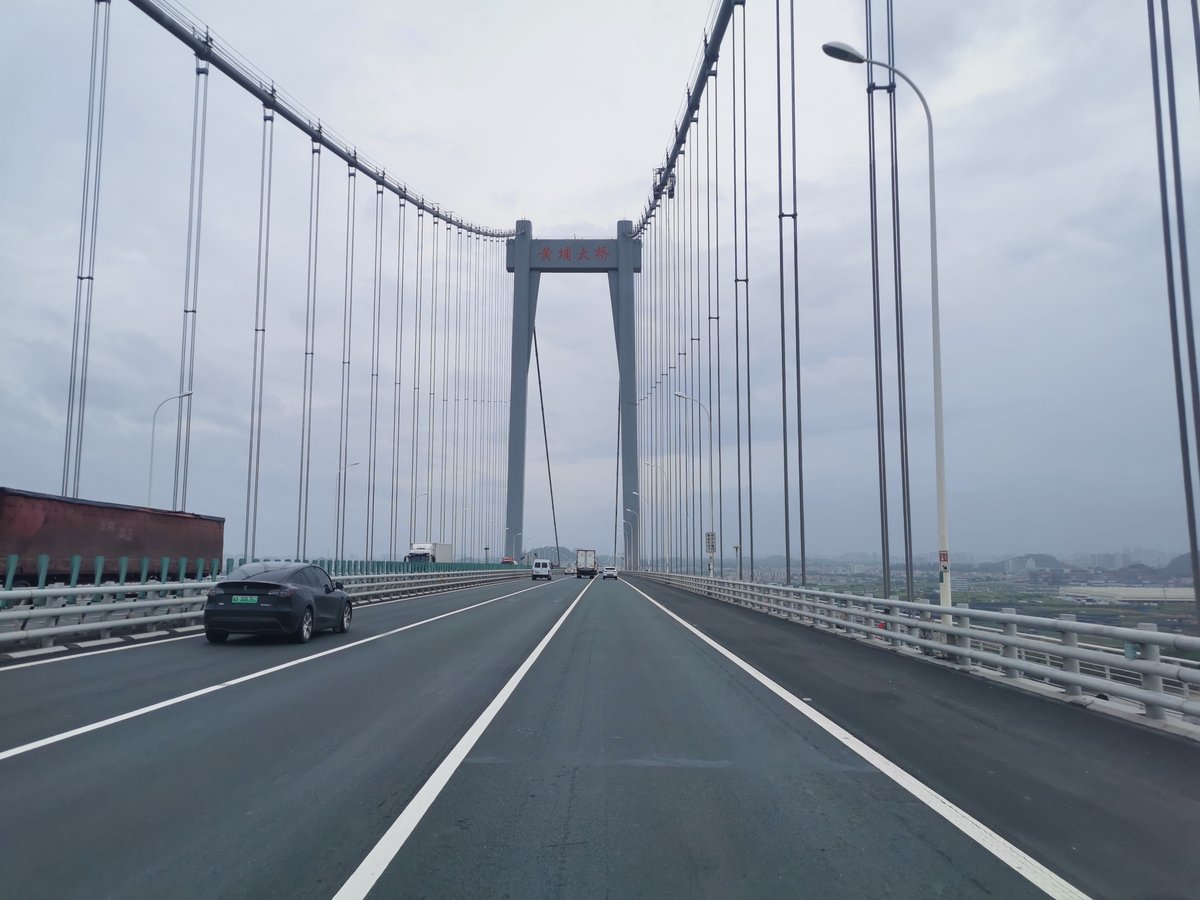
Huangpu Bridge is unique for its dual structure: a suspension span of 1,108 meters and a cable-stayed section with a 201-meter-high pylon (Wikipedia). This hybrid typology addresses the river’s width and navigation requirements, ranking it among China’s top long-span bridges.
- Suspension Section Spans the southwestern channel, allowing for unobstructed river traffic.
- Cable-Stayed Section Offers rigidity and elegance over the northeastern channel, supporting heavy expressway use.
Engineering Achievements
- Total Length 7,016 meters.
- Record-Setting Span The suspension segment ranks among China’s longest and is notable globally (Wikipedia).
- Expressway Integration Forms part of both G0425 Guangzhou–Macau Expressway and G1508 Guangzhou Ring Expressway, vital for regional mobility.
Construction Highlights
- Timeline 2003–2008; challenges included deep water foundations, strong river currents, and minimal disruption to navigation.
- Materials High-strength steel and reinforced concrete ensure durability and resilience (Wikipedia).
- Aesthetics The illuminated bridge creates a striking urban silhouette, especially at night, and revitalizes the riverfront (Forbes Conrad).
Visiting Hours and Ticket Information
Visiting Hours
- Bridge Access Open 24 hours for pedestrians and cyclists. Vehicle lanes remain open at all times.
- Nearby Sites Museums and heritage attractions, such as Huangpu Ancient Village Museum, typically open 9:00 AM–6:00 PM.
Ticket Information
- Bridge Free public access; no tickets required for pedestrians or cyclists.
- Nearby Attractions Entrance fees (usually 20–50 RMB) may apply for museums and heritage sites. Check official websites for current details.
Transportation and Accessibility
Getting There
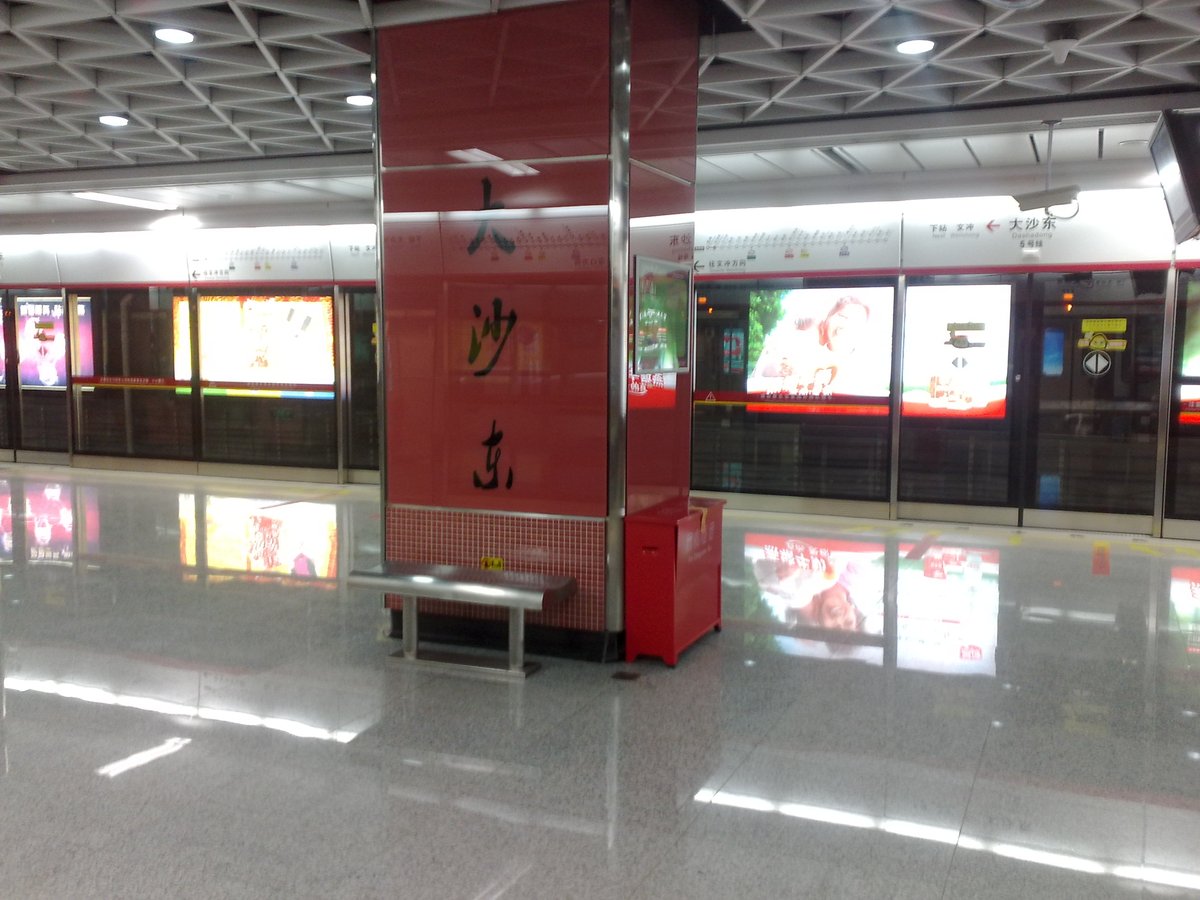
- Metro Convenient access via Line 5 and Line 13. Closest stations connect via frequent buses to bridge entrances (Hikersbay).
- Bus Multiple city routes serve the area.
- Taxi/Ride-Hailing Taxis and ride-hailing apps like Didi are readily available with English options.
- Bicycle Dedicated lanes and public bike-sharing schemes make for a scenic ride along the river.
Accessibility
- Pedestrian Walkways Wide and well-marked, suitable for those with mobility needs, though some ramps may require detours.
- Wheelchair Access Most riverfront parks and promenades are wheelchair-friendly.
- Parking Limited near the bridge; public transport is recommended.
Visitor Experience: What to Expect
Bridge Walk and Viewing Points
- Pedestrian Experience Enjoy expansive views of the Pearl River, city skyline, and nearby historical sites.
- Photography Early morning and evening provide the best lighting; nighttime illumination is a highlight for photographers.
- Safety Well-lit and monitored by security cameras, with visible police presence (Hikersbay).
Best Seasons and Times
- Ideal Months October–March for cooler, drier weather.
- Festival Events Dragon Boat Festival and Mid-Autumn Festival bring special activities and vibrant local culture (Forbes Conrad).
Practical Tips and Amenities
- Restrooms Available at nearby parks and metro stations.
- Refreshments Convenience stores and eateries within a short walk.
- Weather Summers are hot and humid; bring sun protection and water. Rain gear is recommended during the wet season.
- Air Quality Check PM2.5 levels, especially during summer.
- Photography and Drone Use Photography is encouraged; drone use requires permits and adherence to regulations.
- Health Services Major hospitals are accessible within 15–20 minutes (Hikersbay).
Cultural Context and Etiquette
- Connection to the Maritime Silk Road The bridge area reflects centuries of trade and cultural exchange (Trip.com).
- Local Life and Festivals The riverfront is a hub for community activities, especially during festivals.
- Tipping Not customary; service charges are typically included.
- Language English is spoken at tourist sites, but most signage is in Chinese—translation apps are helpful.
- Behavior Respect local customs, keep noise levels low, and do not litter.
Nearby Attractions and Suggested Itineraries
- Huangpu Ancient Port Village Explore Qing Dynasty architecture and Lingnan culture.
- Pearl River Promenade Ideal for scenic walks and river cruises.
- Development Zone & Markets Experience local cuisine and modern innovation.
- Itinerary Suggestion Morning bridge walk → Ancient Village visit → Evening Pearl River promenade stroll (tourHQ).
Frequently Asked Questions (FAQ)
Q: What are the bridge’s visiting hours?
A: 24/7 for pedestrians and cyclists; vehicle lanes always open.
Q: Are tickets required?
A: No tickets for the bridge. Fees may apply for nearby museums or guided tours.
Q: Is the bridge accessible for wheelchairs?
A: Yes, most walkways are accessible, though some ramps may require detours.
Q: Can I fly a drone?
A: Drone use is regulated and requires permits.
Q: What are the best times to visit?
A: Early morning, late afternoon, and festivals for optimal views and cultural experiences.
Summary Table: Quick Facts for Visitors
| Information | Details |
|---|---|
| Visiting Hours | 24/7 pedestrian and vehicle access |
| Ticketing | Free; some attractions may charge |
| Accessibility | Walkways and public transit |
| Best Time to Visit | Oct–Mar, early morning/evening |
| Nearby Attractions | Ancient Port, Promenade, Markets |
| Safety | Well-lit, secure, monitored |