Historical Background
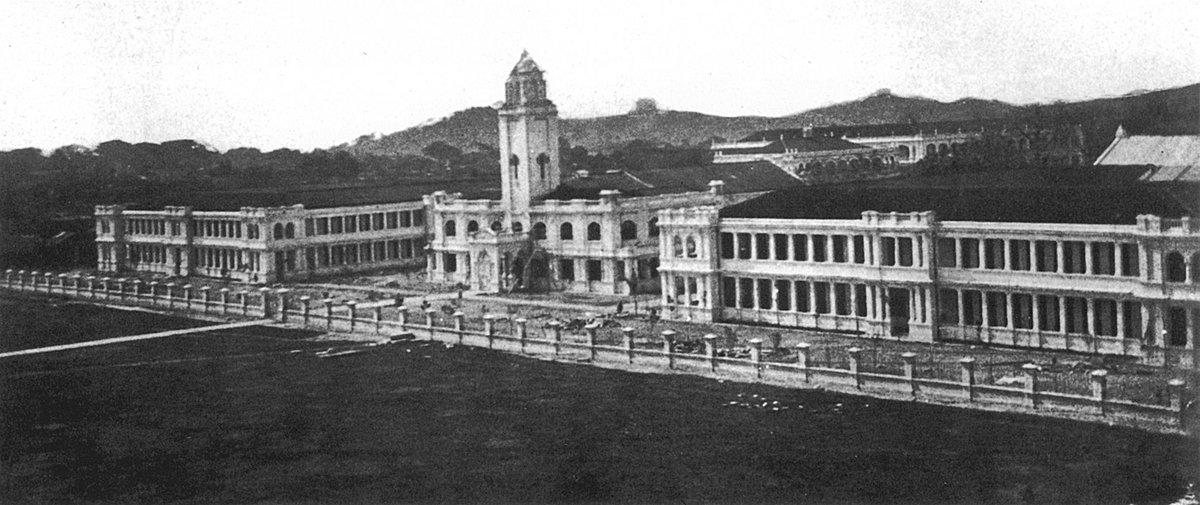
GZUCM was established in 1924 and has played a pivotal role in preserving, developing, and modernizing TCM. The university is renowned for its rigorous academic programs, innovative research, and national contributions to healthcare. Its reputation extends internationally, with a multicultural community and global partnerships that enrich the academic and cultural environment (CUCAS).
Visiting Hours and Admission
- Campus Grounds Open to visitors Monday–Friday, 8:00 AM–6:00 PM. Some public spaces may be open on weekends; check ahead for holiday or special event closures.
- Museum of Chinese Medicine Open 9:00 AM–5:00 PM, Tuesday to Sunday (closed Mondays).
- Admission Fees Entry to campuses is free. The Museum of Chinese Medicine charges a nominal entrance fee (approx. 20 CNY); tickets can be purchased online or at the entrance.
- Guided Tours Available in Chinese and English by appointment. Advance booking is advised, especially for groups or during peak seasons.
Campus Locations and Access
Sanyuanli Campus (Baiyun District)
- Address 12 Jichang Road, Baiyun District, Guangzhou (Postal code 510405)
- Features Historic architecture, tranquil gardens, and monuments reflecting the university’s legacy.
- Getting There Metro Line 2 (Sanyuanli Station), multiple bus routes, or taxi (chinaschooling.com).
University Town Campus (Xiaoguwei Island, Panyu District)
- Address 232 Outer Ring East Road, Panyu District
- Features Modern teaching and research facilities, clinical training hospitals, landscaped grounds.
- Getting There Metro Line 4 (Higher Education Mega Center South Station) and connecting bus services.
Both campuses are well-signposted, and shuttle services operate within the university area.
Key Attractions and Facilities
Museum of Chinese Medicine
As the largest TCM museum in South China, the museum houses interactive exhibits on the history, theory, and practices of Chinese medicine, including medicinal herbs, ancient texts, and acupuncture instruments. It caters to both casual visitors and researchers, offering an educational journey through TCM’s evolution.
Herbal Medicine Garden
Explore hundreds of medicinal plants used in TCM in a beautifully landscaped setting. Informative signage provides details on botanical and pharmacological significance, making it ideal for educational strolls.
Traditional Chinese Medicine Demonstration Center
Participate in or observe live demonstrations of acupuncture, tuina massage, moxibustion, and herbal preparations. Workshops are led by experienced practitioners; advance registration is recommended.
Visitor Amenities
Accommodation
- On-campus: Guesthouses and international student residences are available to visitors and scholars (subject to availability; early booking recommended) (BestEduChina).
- Off-campus: Numerous hotels and guesthouses are located in surrounding districts.
Dining
- Canteens and cafes offer a range of Chinese and international cuisine, including vegetarian and halal options.
- Tea houses on campus provide local tea culture experiences and herbal infusions.
Sports and Recreation
- Walking paths, gardens, and lakes for relaxation.
- Sports facilities include gyms, basketball, badminton courts, and fitness centers.
Healthcare Services
- Affiliated hospitals and clinics provide authentic TCM treatments. International visitors can schedule consultations through the university’s international office.
Practical Tips for Visitors
- Best Time to Visit October–December for comfortable weather (TravelChinaGuide).
- Language Mandarin is primary, but English is used in visitor services and guided tours. Translation apps are helpful.
- Photography Allowed in most public areas; restrictions apply in research labs and some exhibits.
- Payments On-campus payments are usually cash, WeChat Pay, or Alipay. Foreign credit cards may not be accepted.
- Etiquette Dress modestly, respect quiet zones, and follow campus rules.
Nearby Attractions
- Qingping Chinese Medicine Market A vibrant market for TCM herbs and products (China Discovery).
- Yuexiu Park Home to the Five Rams Statue and Zhenhai Tower.
- Sun Yat-sen Memorial Hall Historic octagonal building with exhibitions.
- Shamian Island Colonial-era architecture and peaceful walks.
- Canton Tower Iconic city landmark with panoramic views.
Events and Special Programs
GZUCM frequently hosts academic conferences, TCM workshops, public lectures, and cultural festivals. Check the university’s events calendar for schedules and registration.
Accessibility
Both the Sanyuanli and University Town campuses are equipped with ramps, elevators, and accessible restrooms. The Museum of Chinese Medicine and main buildings provide wheelchair access. Visitors with special needs are encouraged to contact the visitor services office in advance.
Frequently Asked Questions (FAQ)
Q: What are the general visiting hours for GZUCM?
A: Campus grounds are open Monday–Friday, 8:00 AM–6:00 PM. Museum hours are 9:00 AM–5:00 PM, Tuesday–Sunday.
Q: Is campus entry free?
A: Yes, campus access is free. Some museums and workshops may charge a small fee.
Q: Are guided tours available in English?
A: Yes, guided tours in English and Chinese are available with prior booking.
Q: Can international visitors participate in TCM workshops?
A: Yes, workshops and short courses are open to international visitors with advance registration.
Q: How do I access the campuses?
A: Both campuses are accessible by metro, bus, or taxi. See above for detailed directions.
Q: Is on-campus accommodation available?
A: Limited guesthouse and international dormitory options exist; book in advance.
Q: Are the campuses accessible for those with disabilities?
A: Yes, both campuses have accessible facilities.