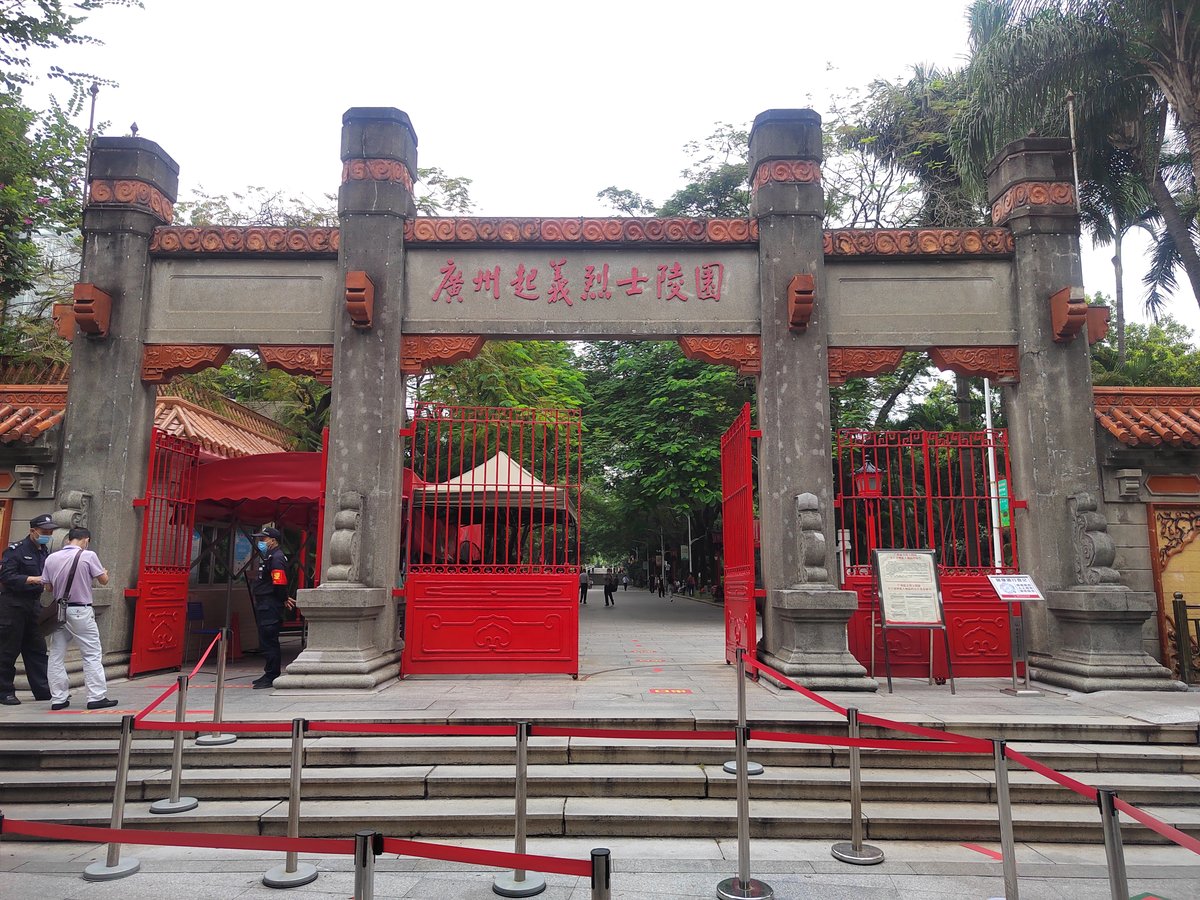
Plan and listen to Guangzhou Insurrectional Martyr Cemetery Park with Audiala.
Audio guide in your pocket, itinerary in your browser. Built for the way you actually visit.
Introduction
The Guangzhou Insurrectional Martyr Cemetery Park—also known as Guangzhou Uprising Martyr Cemetery Park or the 19th Route Army Martyr Cemetery—is a revered historical and cultural landmark in central Guangzhou, China. This solemn site honors the revolutionary heroes of the 1927 Guangzhou Uprising and the 1932 January 28 Incident, pivotal moments in China’s modern history. Combining dignified memorial architecture, traditional gardens, and educational exhibits, the park offers a deeply immersive experience for history enthusiasts, cultural travelers, and anyone seeking a place for reflection.
This guide provides comprehensive insights into the park’s history, cultural significance, layout, key attractions, and practical visitor information—including hours, ticketing, accessibility, and travel tips. Whether you’re planning your first visit or deepening your understanding of Guangzhou’s revolutionary heritage, this resource ensures a respectful and enriching experience. For more details, see the China Dragon Tours official guide and War Memorial Network.

Historical Background and Cultural Significance
Revolutionary Heritage
The Guangzhou Insurrectional Martyr Cemetery Park was established to commemorate the martyrs of the 1927 Guangzhou Uprising and the 19th Route Army, who fought during critical revolutionary periods in China’s history (China Dragon Tours). These events played key roles in shaping modern China’s pursuit of independence and national identity.
Symbolism and Commemoration
The park is a powerful symbol of the revolutionary spirit, blending solemn monuments with traditional Chinese landscaping. Annual commemorative ceremonies—especially during Qingming Festival (Tomb-Sweeping Day) and National Martyrs’ Day—attract thousands, strengthening patriotic values and collective memory.
Cultural and Educational Impact
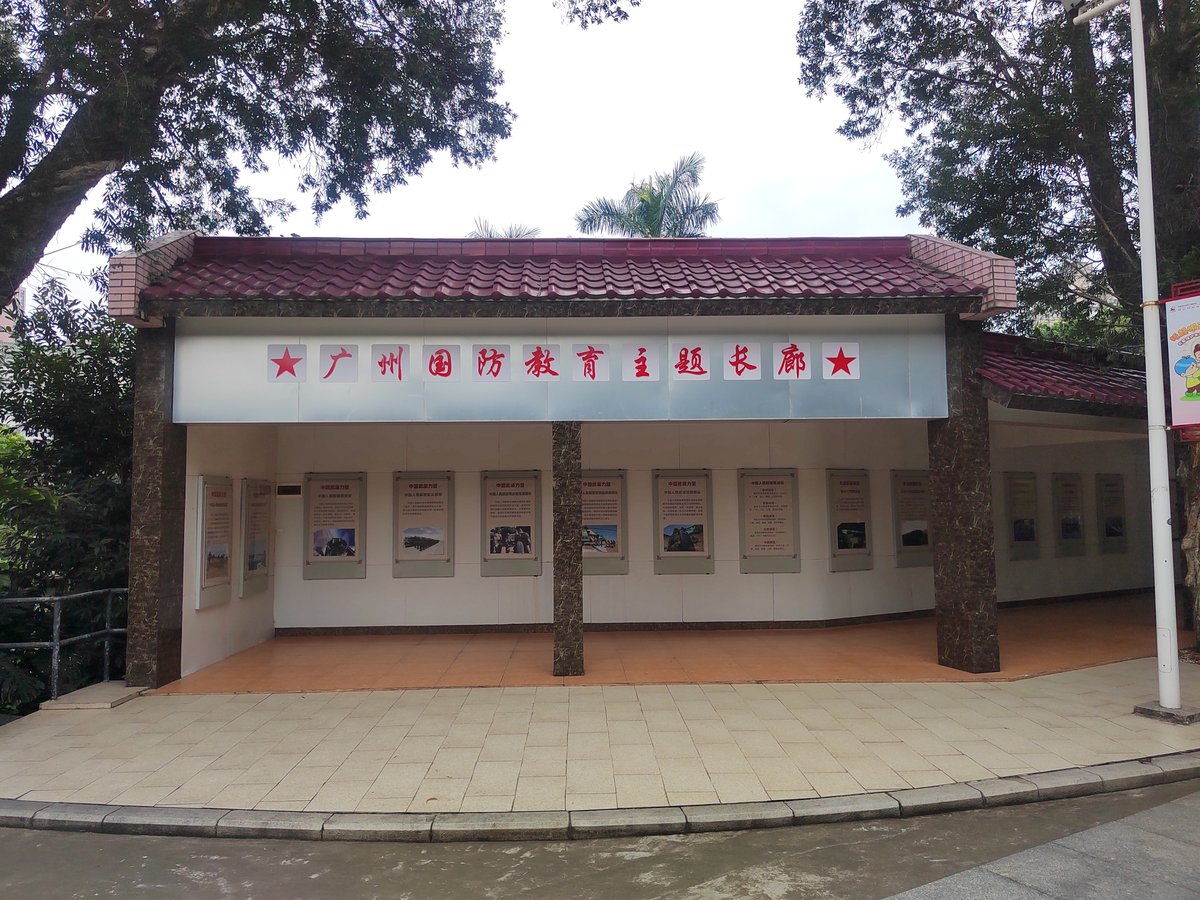
Designated a National Patriotic Education Base, the cemetery park is embedded in Guangzhou’s civic and educational life. It fosters historical awareness, inspires anti-war sentiment, and promotes reflection on peace, making it a living educational resource (Guangzhou Government Portal).
Educational and Patriotic Functions
Museum and Exhibitions
Located within the park, the Guangdong Revolutionary History Museum features artifacts, photographs, and multimedia displays that contextualize the Guangzhou Uprising and the broader revolutionary movement in Guangdong (mapcarta.com). The museum offers guided tours and educational programs tailored for schools and the public.
Public Engagement
The park hosts lectures, workshops, and reenactments in collaboration with universities and cultural institutions. It also preserves oral histories from martyrs’ descendants, providing a personal dimension to historical narratives.
Park Layout and Main Attractions
Main Entrance and Central Axis
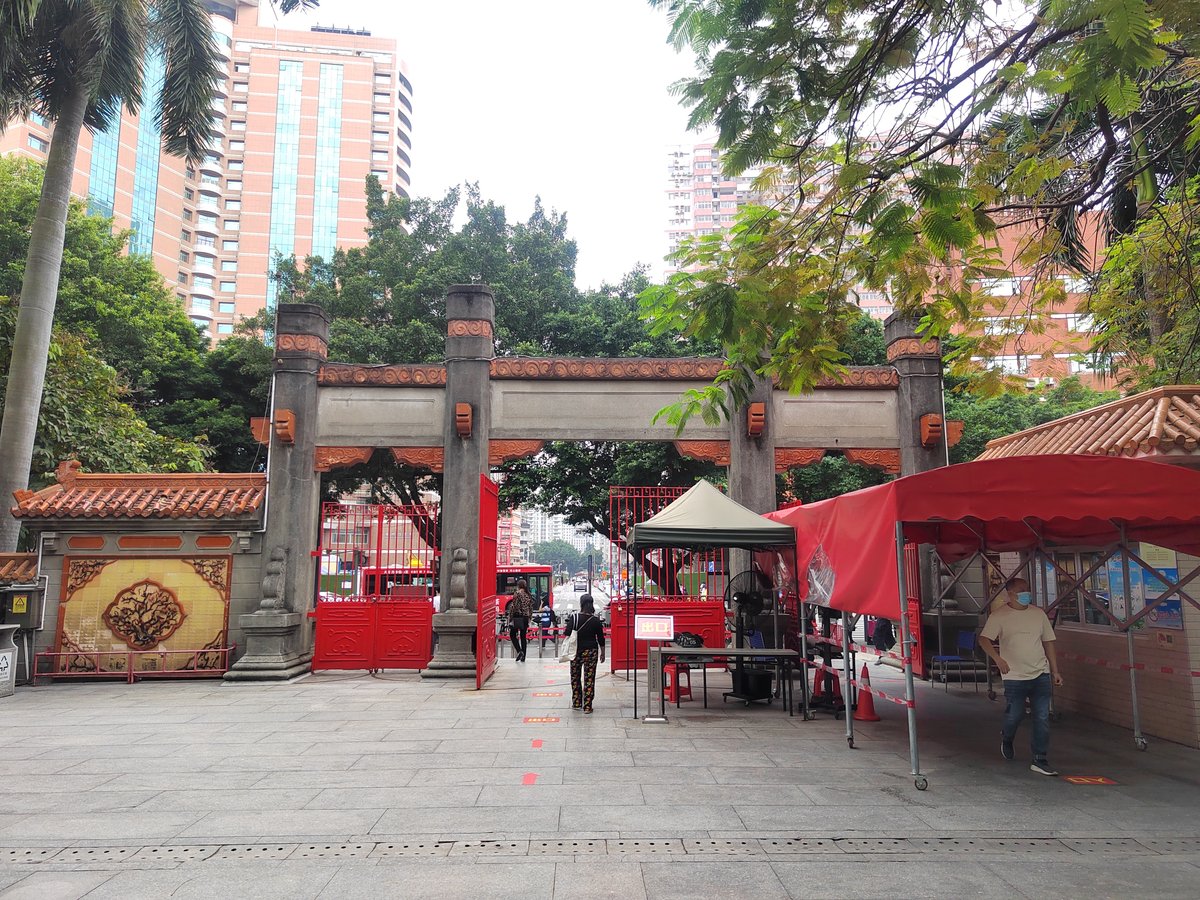
A grand gateway with revolutionary inscriptions welcomes visitors. The central tree-lined avenue leads directly to the focal memorials, creating a processional route surrounded by evergreens and seasonal flowers.
Monument to the People’s Heroes
The park’s centerpiece is the imposing Monument to the People’s Heroes, a granite obelisk honoring the martyrs of the 1927 uprising (War Memorial Network). The adjacent ceremonial plaza serves as the setting for official commemorations and gatherings.
Martyrs’ Graves and Memorial Walls
Rows of graves and memorial walls commemorate both named and unnamed martyrs. Collective graves and inscribed walls ensure that every sacrifice is remembered.
Memorial Sculptures and Gardens
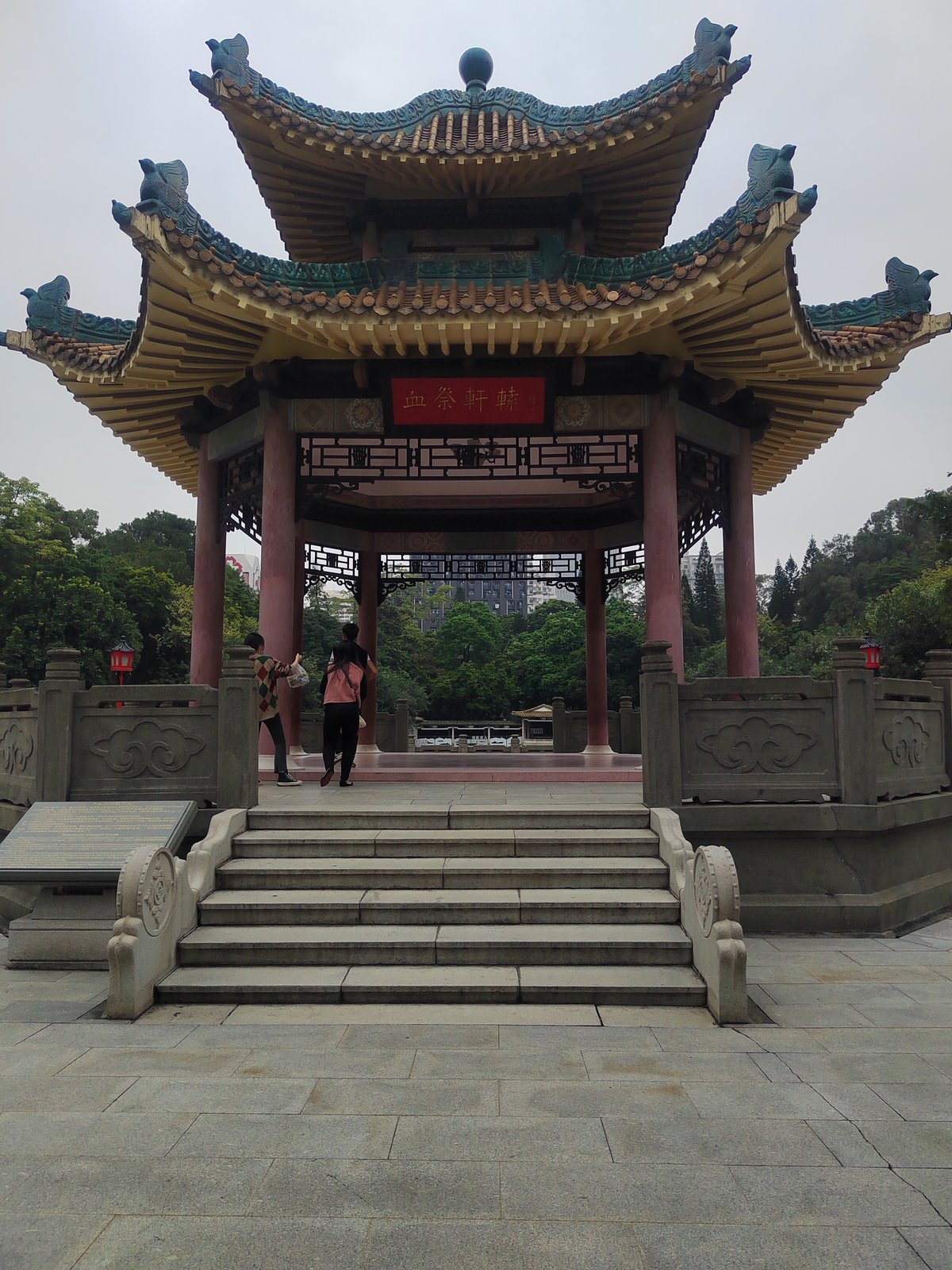
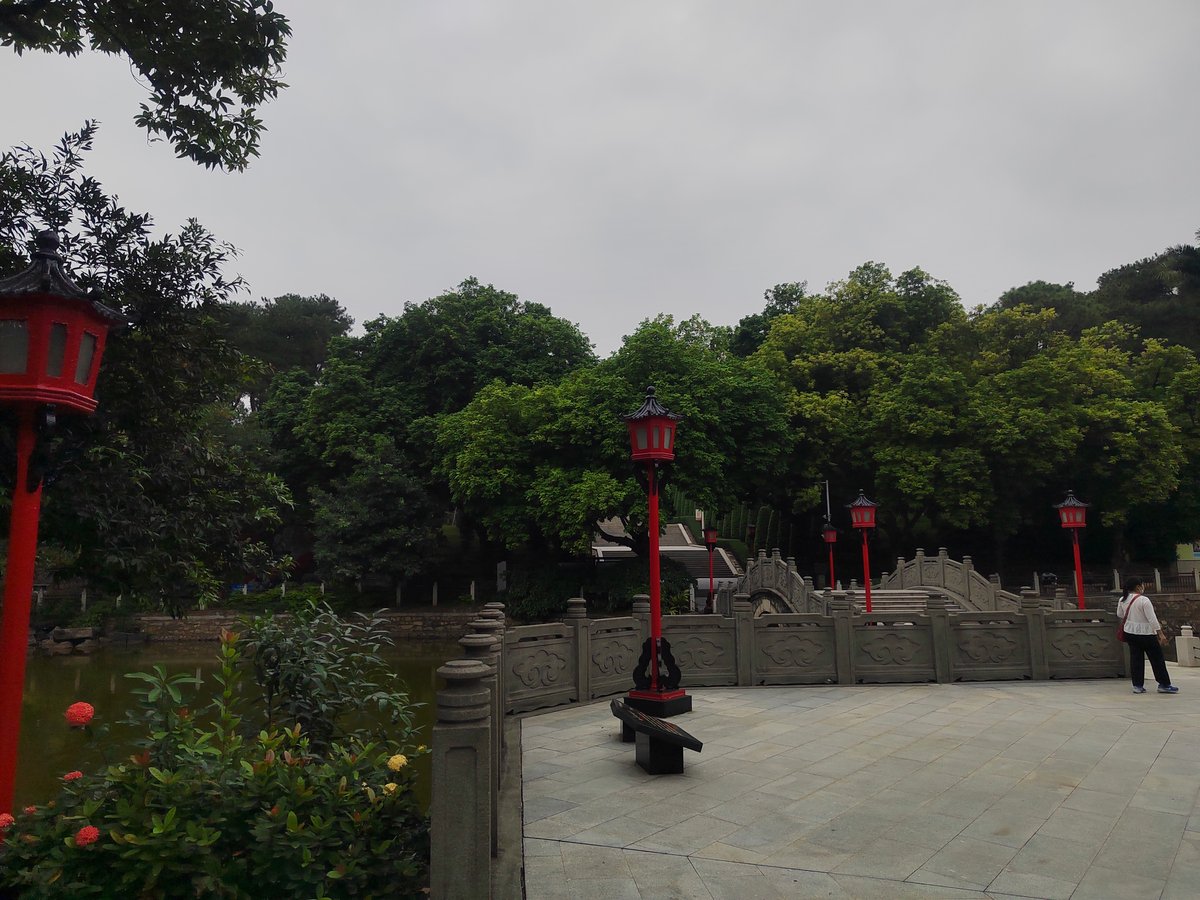
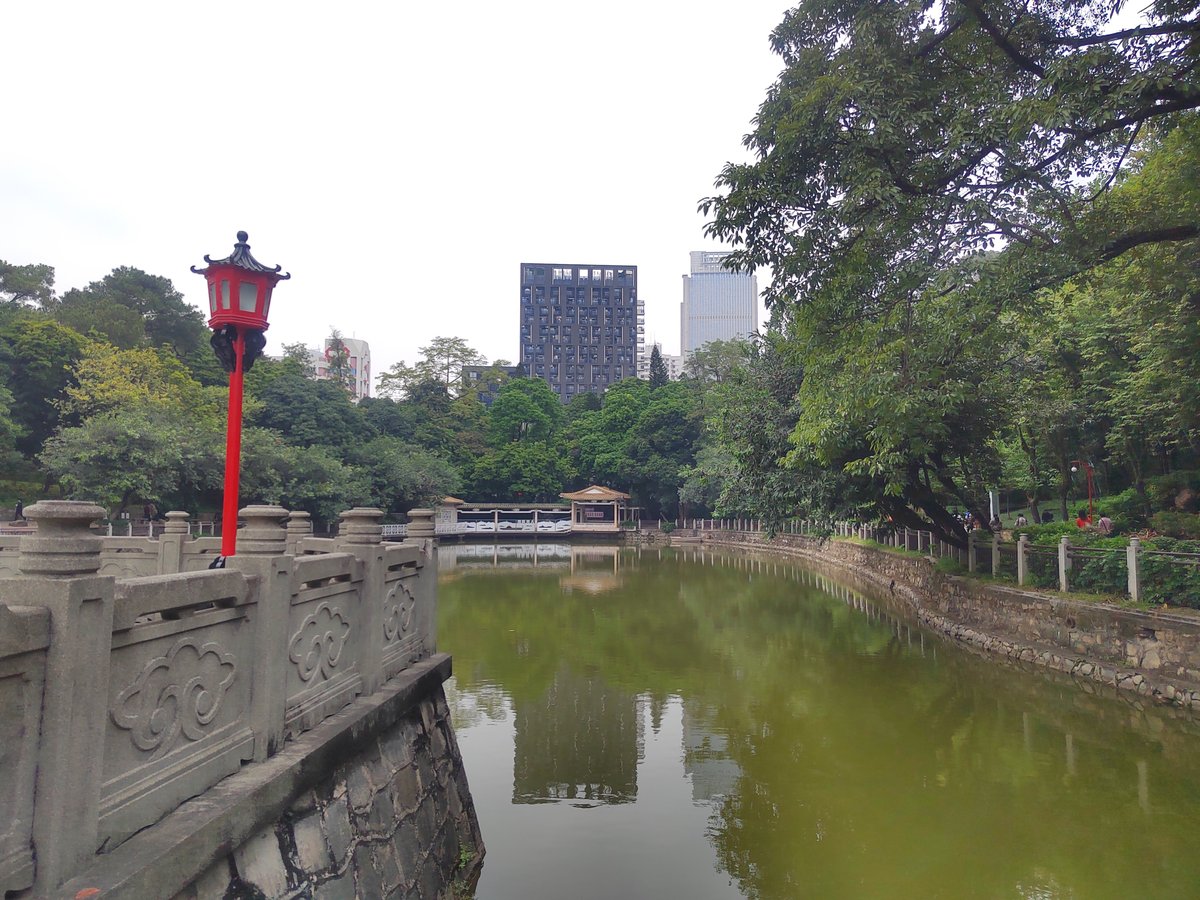
Bronze statues, reliefs, and contemporary art installations throughout the gardens honor revolutionary leaders and symbolize hope and unity. The beautifully landscaped grounds provide tranquil areas for contemplation and rest.
Memorial Hall
The air-conditioned Memorial Hall contains exhibits on the uprising, including personal artifacts, photographs, and interactive displays. Bilingual signage (Chinese and English) enhances accessibility for international visitors.
Auxiliary Facilities
Visitor amenities include restrooms, information kiosks, drinking water stations, and souvenir shops. The park is equipped with wide, well-paved paths and ramps for wheelchair accessibility.
Visitor Information
Location and Directions
- Address: Zhongshan 2nd Road, Yuexiu District, Guangzhou, China
- Metro: Line 1, Martyrs’ Park Station (烈士陵园站), Exit D—direct access to the park entrance
- Other Transport: Taxis and ride-hailing apps recognize the park’s name; limited parking available for private vehicles
Visiting Hours
- Open Daily: 6:00 AM – 10:00 PM (General Grounds)
- Memorial Hall and Museum: 8:00 AM – 5:30 PM (Last admission at 5:00 PM)
- Closed: Major public holidays (check in advance for exceptions)
Ticket Information
- Admission: Free for general entry
- Special Programs: Some guided tours or educational events may charge a fee—book in advance if required
Accessibility
- Wheelchair-friendly paths, ramps, and accessible restrooms
- Bilingual signage and brochures
- Staff assistance available for visitors with special needs
COVID-19 Protocols
- Follow current local health guidelines, including mask wearing and temperature checks
- Check the official tourism website for the latest updates
Travel Tips and Nearby Attractions
- Recommended Visit Duration: 1–2 hours for the main park; 2–3 hours including museum and gardens
- Best Visiting Time: October to March (cooler weather); early mornings and late afternoons are least crowded
- Nearby Attractions: Sun Yat-sen Memorial Hall, Huanghuagang 72 Martyrs Cemetery, Guangdong Museum, and Yuexiu Park
- Refreshments: Vending machines near the entrance; various eateries on Zhongshan 2nd Road
Frequently Asked Questions (FAQ)
Q: What are the park’s visiting hours?
A: The grounds are open daily from 6:00 AM to 10:00 PM; the Memorial Hall is open from 8:00 AM to 5:30 PM.
Q: Is there an entrance fee?
A: Admission is free. Some special tours or events may charge a fee.
Q: How do I get there by public transport?
A: Take Metro Line 1 to Martyrs’ Park Station (Exit D).
Q: Are guided tours available?
A: Yes, offered by the museum and occasionally by volunteers or local agencies; inquire in advance for schedules.
Q: Is the park wheelchair accessible?
A: Yes, most main areas are accessible, though some older sections may have steps.
Q: Can I take photos?
A: Photography is allowed outdoors; restrictions may apply in the Memorial Hall.
Listen to the full story in the app
The whole Guangzhou Insurrectional Martyr Cemetery Park,
told well.
Audio guides for 1,100+ cities across 96 countries. History, stories, and local insight — offline ready.
Verified, and shown.
Researched and written by the Audiala editorial team from historical records, architectural archives, and local expertise.
Researched from Wikidata, Wikipedia & official sources · fact-checked · How we make our guides →