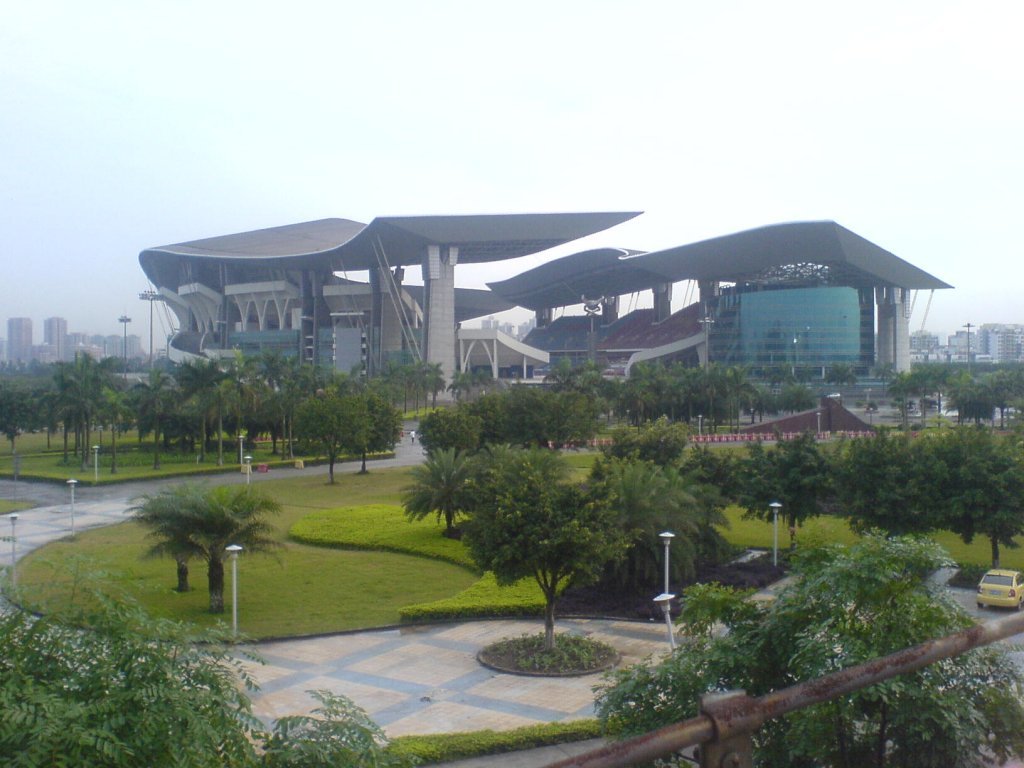
Plan and listen to Guangdong Olympic Stadium with Audiala.
Audio guide in your pocket, itinerary in your browser. Built for the way you actually visit.
Introduction
Guangdong Olympic Stadium, located in Guangzhou’s dynamic Tianhe District and the Greater Bay Area's Nansha region, is a defining symbol of China’s sports culture and architectural innovation. Built on the historic grounds of the former Huangcun Airport—an area steeped in wartime history—the stadium reflects Guangzhou’s ambition to be a leading center for sports, culture, and urban development (Wikipedia; That’s Mags). This guide offers essential details on visiting hours, ticketing, accessibility, transportation, and nearby attractions, along with insights into the stadium’s history, architecture, and major events. Whether you’re a sports fan, architecture enthusiast, or cultural explorer, this comprehensive guide ensures a rewarding visit.

Origins and Historical Context
The Guangdong Olympic Stadium (Chinese: 广东奥林匹克体育中心) is a cornerstone of Guangzhou’s urban renewal and sporting ambitions. Built on the site of the former Huangcun Airport, a strategic World War II location with remnants like an overgrown blockhouse, the stadium’s construction in the late 1990s marked a new era for the city (Wikipedia; That’s Mags; ChinaHoliday).
Guangzhou’s successful bid to host the Ninth National Games of the People’s Republic of China catalyzed the stadium’s development. Although originally considered for the 2008 Olympic Games, the stadium retained its “Olympic” title, symbolizing Guangzhou’s sporting aspirations (Wikipedia).
Architectural Symbolism and Design
Ellerbe Becket’s "Flower City" Vision
Designed by Ellerbe Becket (now part of AECOM), the stadium’s architecture draws inspiration from Guangzhou’s nickname, "The Flower City." Its bowl-shaped structure features an upper edge resembling flower petals, while the stadium’s iconic ribbon-like roof creates a dramatic silhouette and provides shelter (Parametric Architecture; AECOM). Multicolored seating and a luminous "tower of light" further reinforce the floral motif.
Zaha Hadid Architects and the Greater Bay Area Sports Centre
The newer Greater Bay Area Sports Centre, designed by Zaha Hadid Architects, embodies futuristic fluidity inspired by traditional Chinese silk fans and the Möbius strip, symbolizing continuity and cultural heritage (Designboom). Advanced 3D modeling and steel membrane structures enable its dynamic forms, while climate-responsive features and integrated wetlands highlight a commitment to sustainability (hhlloo.com).
Construction and Modernization
Construction began in 1998 and the stadium officially opened in September 2001 for the Ninth National Games (Sportsmatik; Wikiwand). With an investment of over 1.2 billion RMB, it became the largest stadium in China, seating 80,012 spectators (Wikipedia). Subsequent renovations enhanced comfort, accessibility, and sustainability, notably in preparation for the 2010 Asian Games and the 15th National Games of China. The stadium’s ribbon roof was upgraded for improved weather protection and energy efficiency, while design elements reflecting Lingnan culture and the Greater Bay Area identity were introduced (gz.gov.cn).
Visitor Information
Visiting Hours
- General Hours: 9:00 AM – 6:00 PM daily
- Event Days: Opening times may adjust; check the official website or event organizers for updates.
Tickets and Admission
- General Admission: Typically ¥30–¥50; discounts available for students, seniors, and groups.
- Event Tickets: Prices vary by event; purchase via official platforms or at the stadium box office.
- Advance Booking: Recommended for popular matches or concerts.
Accessibility
- Ramps, elevators, and dedicated seating available for visitors with disabilities.
- Accessible restrooms and services for the hearing/visually impaired on request.
Transportation
- Metro: Line 4, Huangcun Station (best for international visitors).
- Bus Routes: 41, 60, 296, 508, 224, 224A, 245, 505, 548, 564, 568, 571A, 574, 576 (echinacities.com).
- Parking: Limited; public transport is strongly recommended, especially during events.
Facilities and Amenities
- On-site restaurants, retail shops, and hotels for convenience.
- Ample restrooms, family areas, first aid stations, and information desks.
- Official merchandise stores and nearby shopping centers for souvenirs.
Guided Tours and Photography
- Guided tours on select days offer architectural and historical insights; arrange via the official website.
- Top photo spots include the stadium’s petal-shaped roof at sunset and the illuminated “tower of light” at night.
- Personal photography allowed in public areas; professional equipment may require permission.
Major Events and Sporting Legacy
Guangdong Olympic Stadium has hosted:
- Ninth National Games of China (2001): Inaugural event, solidifying its status as a premier venue.
- 2010 Asian Games: Hosted opening/closing ceremonies and athletics, welcoming teams from 45 countries (sportsmatik.com).
- International Football Matches: Featured global clubs like Manchester United and Chelsea in exhibition games (echinacities.com).
- Chinese Super League and National Youth Games: Regular site for high-profile football and athletics competitions.
- Cultural Festivals and Concerts: A central hub for performances and large-scale community events.
Nearby Attractions and Guangzhou Historical Sites
Enhance your visit by exploring:
- Canton Tower: Iconic for panoramic city views.
- Pearl River: Evening cruises for scenic vistas.
- Tianhe Park: Relaxing green space near the stadium.
- Chen Clan Ancestral Hall & Shamian Island: Rich in local history and architecture.
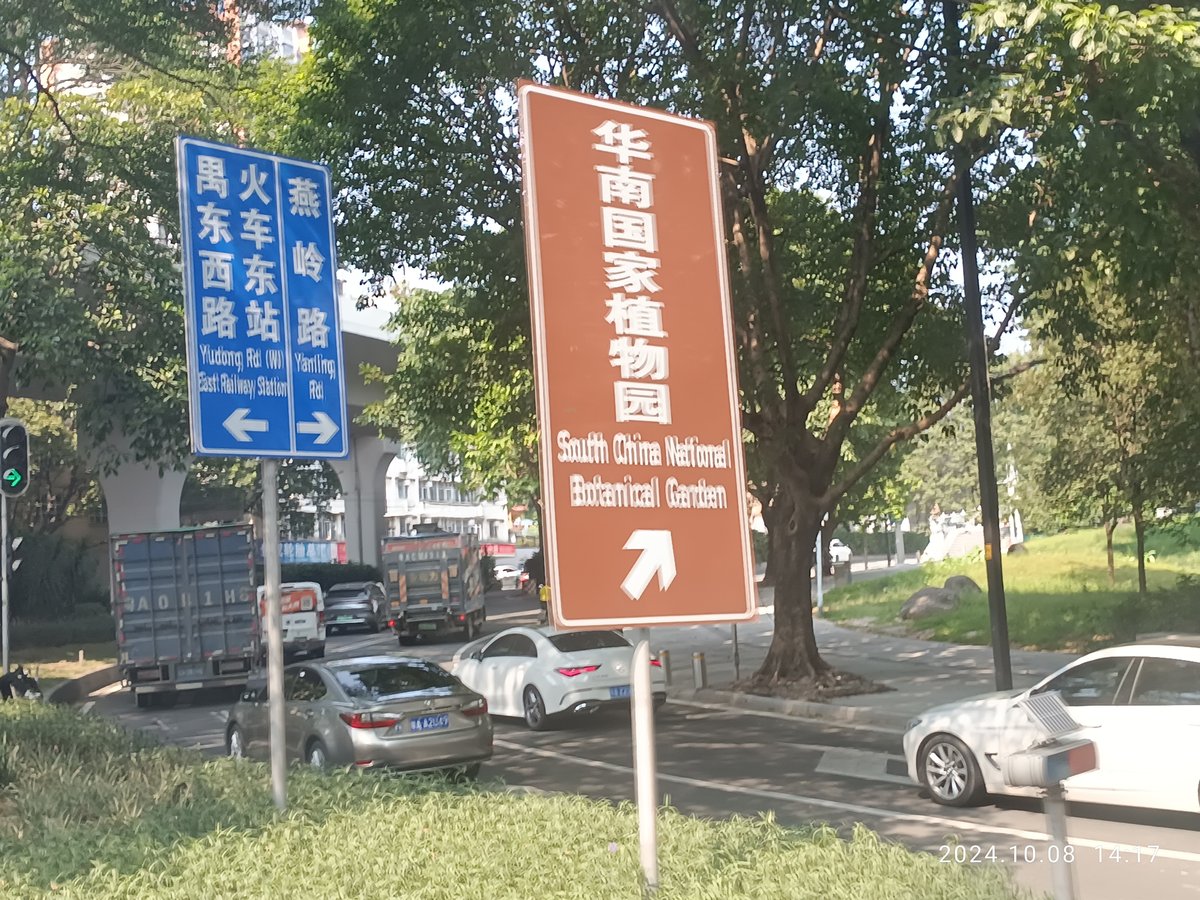
- South China Botanical Garden: A tranquil retreat a short taxi ride away.
Safety, Security, and Etiquette
- Security checks (bag inspections, metal detectors) at entry.
- Prohibited items include large bags, outside food/drink, and unapproved cameras.
- Respect local customs: stand for national anthems, dress modestly, and follow no-smoking policies.
Frequently Asked Questions (FAQ)
Q: What are the Guangdong Olympic Stadium visiting hours?
A: Usually 9:00 AM–6:00 PM; check official sources for event-specific changes.
Q: How do I buy event tickets?
A: Via official online platforms or at the stadium box office. Advance purchase recommended.
Q: Is the stadium accessible for people with disabilities?
A: Yes. Facilities include ramps, elevators, accessible seating, and restrooms.
Q: Are guided tours available?
A: Yes, on select days. Book via the official website.
Q: What are some nearby attractions?
A: Canton Tower, Pearl River, Tianhe Park, Chen Clan Ancestral Hall, and Shamian Island.
Listen to the full story in the app
The whole Guangdong Olympic Stadium,
told well.
Audio guides for 1,100+ cities across 96 countries. History, stories, and local insight — offline ready.
Verified, and shown.
Researched and written by the Audiala editorial team from historical records, architectural archives, and local expertise.
Researched from Wikidata, Wikipedia & official sources · fact-checked · How we make our guides →