Plan and listen to Guangdong Museum with Audiala.
Audio guide in your pocket, itinerary in your browser. Built for the way you actually visit.
Introduction
Linjiang Avenue (临江大道) in Guangzhou is a vibrant and historically rich thoroughfare that offers an immersive experience into the city’s past, present, and future. This guide aims to provide you with detailed insights into the historical background, architectural landmarks, cultural significance, modern developments, and practical visitor information to make the most of your visit.

Exploring Linjiang Avenue: History, Visitor Tips, and Modern Marvels in Guangzhou
Historical Background
Linjiang Avenue has witnessed Guangzhou's transformation over centuries. Historically known as Canton, Guangzhou was a major port on the Maritime Silk Road, facilitating extensive trade and cultural exchanges during the Tang Dynasty (618-907 AD) (Travel China Guide).
Architectural Landmarks
Nan Fang Department Store
A twelve-storey building constructed in the early years of the Republic of China, the Nan Fang Department Store was the tallest building in China at the time, symbolizing Guangzhou’s rapid modernization and economic growth (China Daily).
Haizhu Bridge
Completed in 1933, the Haizhu Bridge, originally named 'Pearl River Iron Bridge,' was the only bridge across the Pearl River in Guangzhou at the time, symbolizing the city’s industrial and infrastructural advancements during the Republic of China period (China Daily).
Cultural Significance
Lingnan Culture
Guangzhou is the heart of Lingnan culture, characterized by its unique language (Cantonese), cuisine, and customs. The avenue showcases traditional Cantonese architecture alongside modern skyscrapers (Travel China Guide).
Temples and Religious Sites
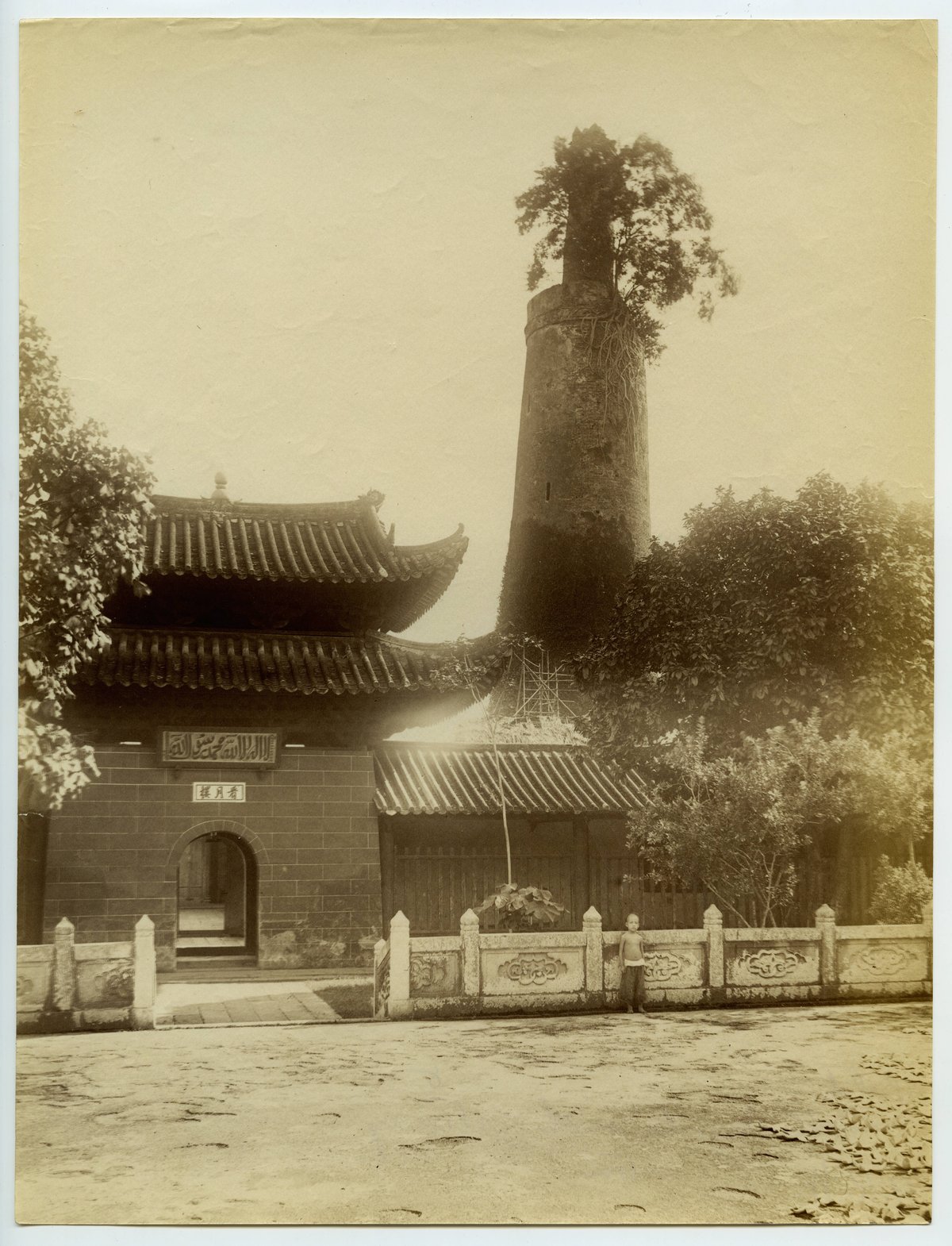
Linjiang Avenue is home to several historical temples, including the Guangxiao Temple, one of the oldest Buddhist temples in Guangzhou. Despite damage during the Cultural Revolution, it was rebuilt in the 1980s, restoring its historical significance (Rachel Meets China).
Modern Developments
Canton Tower
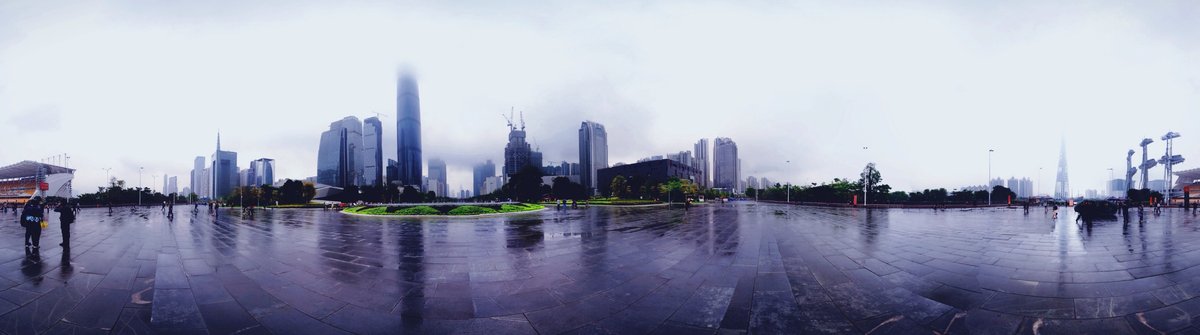
Standing at 1,968 feet, the Canton Tower is one of the tallest buildings in China and offers panoramic views of the city. It symbolizes Guangzhou’s rapid modernization and economic prowess (The Helpful Panda).
Shamian Island
Featuring European-style buildings, fountains, and statues, Shamian Island reflects Guangzhou’s historical interactions with Western countries. It is a popular spot for tourists interested in architecture and history (The Helpful Panda).
Economic Impact
Trade and Commerce
Linjiang Avenue has played a crucial role in Guangzhou's trade activities since the Han Dynasty. It is lined with commercial establishments, highlighting its importance in promoting international trade and tourism (China Daily).
Industrial Growth
Guangzhou is often referred to as a factory city, and Linjiang Avenue reflects the city’s industrial growth. Its proximity to the Pearl River has made it a strategic location for import and export businesses (The Helpful Panda).
Visitor Information
Visiting Hours and Tickets
Most landmarks along Linjiang Avenue have varying visiting hours and may require tickets. For example, the Canton Tower is open daily from 9:00 AM to 10:00 PM, with ticket prices ranging from 150 to 500 RMB. Guangxiao Temple generally opens from 8:30 AM to 5:00 PM, with a nominal entry fee (The Helpful Panda).
Best Time to Visit
Spring is the ideal time to visit due to the pleasant weather and blooming parks. However, the avenue offers attractions year-round (The Helpful Panda).
Transportation
Linjiang Avenue is well-connected by Guangzhou’s extensive metro system. Key metro stations like Gongyuanqian and Ximenkou provide easy access to various attractions. Visitors can also take a night cruise along the Pearl River to see the city's skyline illuminated with neon lights (The Helpful Panda).
Local Cuisine
The avenue is dotted with numerous restaurants and food stalls offering a variety of Cantonese delicacies. Huifu Gourmet Food Street and Shangxiajiu Pedestrian Street are particularly popular for their authentic local snacks (The Helpful Panda).
FAQ
Q: What are the best times to visit Linjiang Avenue? A: Spring is the best time to visit due to the pleasant weather and blooming parks, but the avenue offers year-round attractions.
Q: How can I get tickets for Canton Tower? A: Tickets for Canton Tower can be purchased online or at the tower’s ticket office, with prices ranging from 150 to 500 RMB depending on the tour type.
Q: What are some nearby attractions? A: Nearby attractions include Shamian Island, Guangxiao Temple, and Haizhu Bridge, all of which offer historical and cultural insights.
Listen to the full story in the app
The whole Guangdong Museum,
told well.
Audio guides for 1,100+ cities across 96 countries. History, stories, and local insight — offline ready.
Verified, and shown.
Researched and written by the Audiala editorial team from historical records, architectural archives, and local expertise.
Guangzhou History
(2018). Looking at Guangzhou's History Through Landmark Buildings
(2018). 5 Awesome Temples to Visit in Guangzhou
Guangzhou Travel Guide
Researched from Wikidata, Wikipedia & official sources · fact-checked · How we make our guides →