Plan and listen to Guangdong Museum Of Revolutionary History with Audiala.
Audio guide in your pocket, itinerary in your browser. Built for the way you actually visit.
Introduction
The Guangdong Museum of Revolutionary History, located in the heart of Guangzhou’s Yuexiu District, is a premier institution dedicated to the preservation and presentation of China’s revolutionary heritage. Established in 1959 on a site of immense historical significance, the museum chronicles Guangdong’s and China’s journey through eras of revolution, reform, and modernization. With over 17,000 artifacts and thousands of photographs and documents, it serves as a memorial to revolutionary martyrs and an educational center, illuminating the province’s crucial role in shaping modern China.
This guide provides detailed information on visiting hours, ticketing, accessibility, exhibition highlights, travel tips, and nearby historical sites—ensuring your visit is both enriching and convenient. The museum is easily accessible via public transportation and offers free admission, making it a must-see for history enthusiasts and travelers alike.
For official updates, virtual resources, and more, refer to the museum’s official website and the Guangzhou Tourism Official Site.

Historical Background and Significance
Origins and Establishment
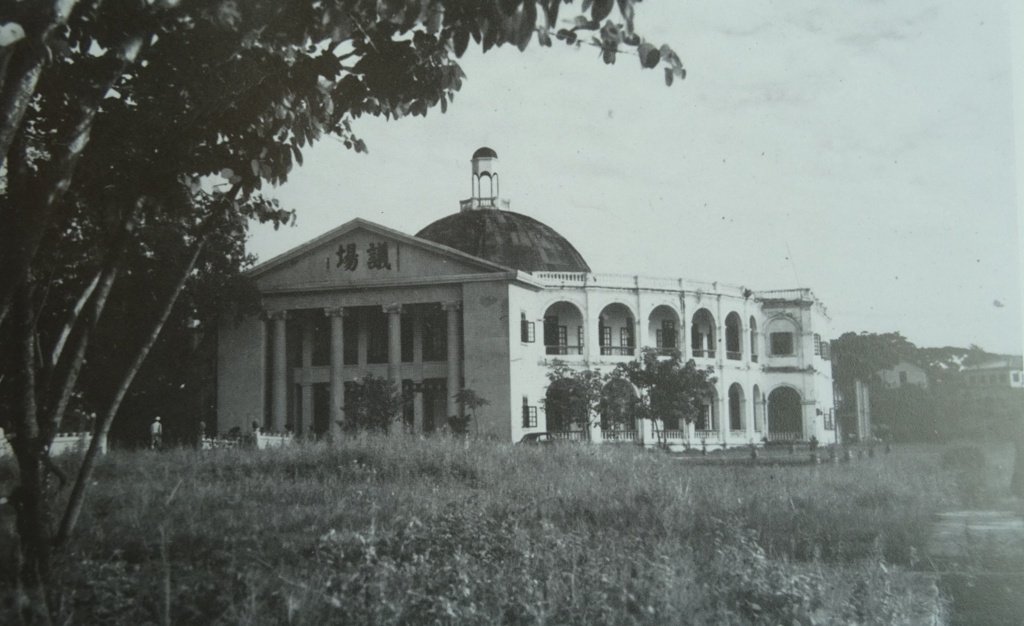
Founded in 1959, the Guangdong Museum of Revolutionary History occupies a site formerly housing the Guangdong Advisory Bureau and the Second Guangzhou Uprising Martyrs Cemetery. Its creation was part of a broader national initiative to honor revolutionary heroes and promote public education about China’s path to modernity (Wikipedia).
Guangdong’s Pivotal Role
Guangdong—especially Guangzhou—was central to revolutionary movements that ended imperial rule in China. The city was a hub for reformist thought and activism, including the 1911 Xinhai Revolution which led to the founding of the Republic of China. Sun Yat-sen, a leading figure in modern Chinese history, launched several key campaigns from Guangzhou (CGTN).
Key Events and Commemorated Figures
- Huanghuagang Uprising and the 72 Martyrs: The 1911 uprising greatly influenced subsequent revolutionary efforts. The museum commemorates the 72 martyrs interred at nearby Huanghuagang Cemetery.
- Sun Yat-sen’s Legacy: Exhibits highlight Sun’s leadership and the significance of his headquarters, now the Generalissimo Mansion, in shaping China’s modern trajectory.
Thematic Scope and Collections
The museum displays artifacts from the Opium Wars through the founding of the People’s Republic of China in 1949. Its collections include original documents, revolutionary proclamations, period weaponry, propaganda materials, personal effects, and rare photographs, all contextualized within Guangdong’s extensive revolutionary history (Global Times).
Visiting Information
Location & Access
- Address: Courtyard 2, Lingyuanxi Road, inside Guangzhou Martyrs’ Memorial Park, Yuexiu District, Guangzhou (gz.gov.cn)
- Public Transport:
- Metro: Line 2 (Yuexiu Park Station)
- Bus: Lines 221, 293, 283, 284, 224, 204 (Martyrs’ Cemetery or Dongfeng Hotel stops)
- Taxi: Short ride from central Guangzhou
Visiting Hours
- Tuesday–Sunday: 9:00 AM–5:00 PM (last admission 4:30 PM)
- Closed: Mondays (except public holidays)
- Note: Some sources indicate split hours (9:00–12:00, 13:30–16:40); confirm on the official website or government page.
Tickets
- Admission: Free for all visitors. Register with valid ID at entry or reserve tickets online for group visits (official site).
Exhibitions and Notable Artifacts
Permanent Exhibitions
- Opium Wars and Early Modernization: Documents, weaponry, and multimedia displays narrating Guangdong’s opening to foreign influence.
- Xinhai Revolution and Republic Founding: Personal belongings of Sun Yat-sen, rare photographs, and revolutionary proclamations.
- May Fourth Movement: Manuscripts and interactive timelines highlighting Guangdong’s role in national reform and intellectual awakening.
- Communist Movement and PRC Founding: Party membership cards, clandestine printing presses, and propaganda posters charting Guangdong’s revolutionary journey.
Temporary and Rotating Exhibitions
Special exhibitions commemorate significant anniversaries and lesser-known revolutionaries, often in collaboration with academic institutions (Global Times).
Notable Collections
- Revolutionary Documents: Letters, proclamations, and diaries from figures like Sun Yat-sen and Zhou Enlai.
- Military Relics: Uniforms, insignia, and battle maps.
- Popular Culture Materials: Posters, newspapers, and audio-visual documents.
- Personal Effects: Everyday items donated by descendants of revolutionaries.
Visitor Experience and Facilities
Crowd Levels
The museum is popular yet less crowded than larger venues, offering a contemplative atmosphere even on weekends (wanderlog.com).
Duration and Tours
A typical visit lasts 1–2 hours. Guided tours in Mandarin and occasionally in English are available with advance booking.
Accessibility
- Mobility: Main halls are on the ground floor, with ramps and elevators in place. Some areas may have limited accessibility due to historic architecture.
- Facilities: Restrooms, vending machines, and park kiosks are available. No dedicated café or luggage storage inside, but lockers are nearby at Yuexiu Park (eastchinatrip.com).
Language Support
Signage is primarily in Chinese, with some English translations. Staff may have limited English proficiency; international visitors should consider translation apps or guides (topchinatravel.com).
Photography
Photography is permitted in most areas (without flash or tripods). Always check signage for restrictions.
Family and Group Visits
The museum is ideal for families with older children and educational groups. School programs, guided tours, and workshops are available, although interactive exhibits are fewer than in major national museums.
Special Events and Media
- Special Events: The museum regularly hosts commemorative events and educational workshops. Check the official website for current programs.
- Virtual Tours: Online exhibitions and digital guides are available via the museum’s site.
- Visuals: High-quality images of the museum’s architecture, key artifacts, and displays are recommended for sharing and documentation.
Nearby Attractions
The museum’s central location allows easy access to other prominent Guangzhou historical sites:
- Guangzhou Martyrs’ Memorial Garden: Adjacent, honors revolutionary heroes.
- Sun Yat-sen Memorial Hall: About 20 minutes on foot, dedicated to the Republic’s founder.
- Peasant Movement Training Institute: A short walk away, offers additional context on 20th-century revolutionary history.
- Yuexiu Park: The city’s largest downtown park, ideal for relaxation before or after your museum visit.
Frequently Asked Questions (FAQ)
Q: What are the Guangdong Museum of Revolutionary History’s visiting hours?
A: Tuesday to Sunday, 9:00 AM–5:00 PM (closed Mondays, except public holidays).
Q: Is admission free?
A: Yes, admission is free all year.
Q: Are guided tours available?
A: Yes, in Mandarin and sometimes English. Book in advance.
Q: Is the museum accessible for visitors with disabilities?
A: Main exhibition halls are accessible; contact the museum for detailed information on ramps and elevators.
Q: Can I take photos in the museum?
A: Yes, but avoid flash and tripods. Check for restrictions on specific displays.
Discover More
The Guangdong Museum of Revolutionary History offers a comprehensive and inspiring look at the revolutionary spirit that shaped modern China. With its rich collections, educational programs, and accessible location, the museum is a cornerstone of civic education and cultural tourism in Guangzhou. Plan your visit today, and experience the enduring legacy of Guangdong’s revolutionary heritage.
For up-to-date information on exhibitions, guided tours, and accessibility, visit the official museum website. Download the Audiala app for curated cultural experiences and explore more about Guangzhou’s historical sites.
Listen to the full story in the app
The whole Guangdong Museum Of Revolutionary History,
told well.
Audio guides for 1,100+ cities across 96 countries. History, stories, and local insight — offline ready.
Verified, and shown.
Researched and written by the Audiala editorial team from historical records, architectural archives, and local expertise.
Researched from Wikidata, Wikipedia & official sources · fact-checked · How we make our guides →