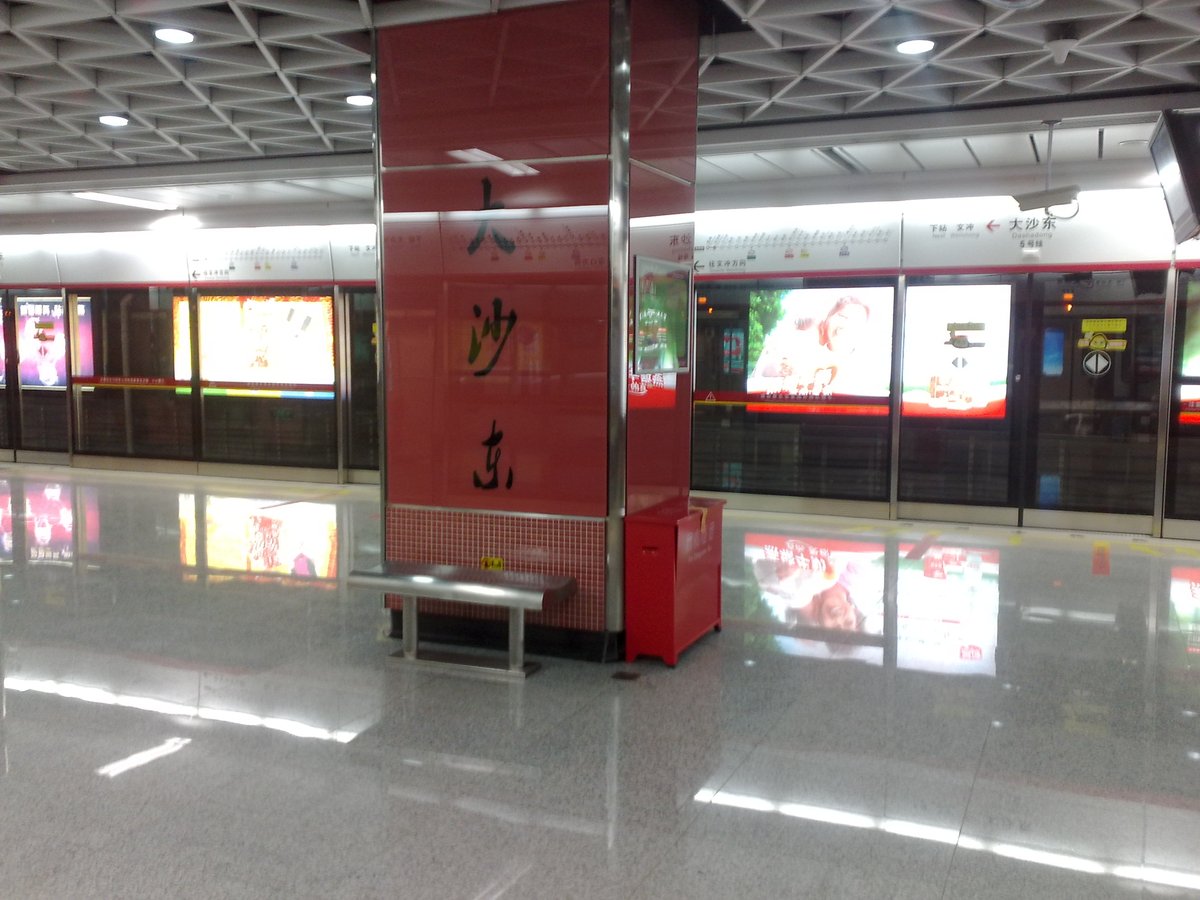
Hospital History and Development
Founded in 1946 in a period of national transformation, Guangdong General Hospital was established to address the growing healthcare demands of Guangzhou. Located in the Yuexiu District, a hub of cultural and political activity, the hospital initially focused on building capacity and introducing advanced medical practices to better serve the region.
Modernization and Research Integration
Today, Guangdong General Hospital is the largest general hospital in Guangzhou, occupying 230,000 square meters with 2,852 inpatient beds and over 5,200 staff members. In 2008, its partnership with the Guangdong Academy of Medical Sciences greatly enhanced its research and teaching capabilities. The hospital now leads in specialties including cardiovascular disease, geriatrics, mental health, oncology, ophthalmology, and neuroscience.
Visiting Guangdong General Hospital: Hours and Tips
Visiting Hours:
- General visiting hours are from 8:00 AM to 8:00 PM daily, but specific wards may have different policies. Always verify with the hospital ahead of your visit.
Admission and Tickets:
- No tickets are required for entry. Registration and consultation fees apply for medical services.
Accessibility:
- The hospital is well-served by Guangzhou Metro Line 1 (Ximenkou Station) and several bus routes. Facilities for disabled visitors, including ramps and elevators, are available.
Visitor Facilities:
- On-site amenities include cafeterias, pharmacies, comfortable waiting areas, and convenience stores.
Nearby Attractions in Yuexiu District
Guangdong General Hospital’s prime location allows visitors to explore some of Guangzhou’s most significant sites:
- Yuexiu Park & Five Rams Statue A vast urban park featuring the celebrated Five Rams Statue, symbolizing Guangzhou’s prosperity.
- Guangzhou Museum & Zhenhai Tower Explore the city’s history in the museum and enjoy panoramic views from the ancient tower.
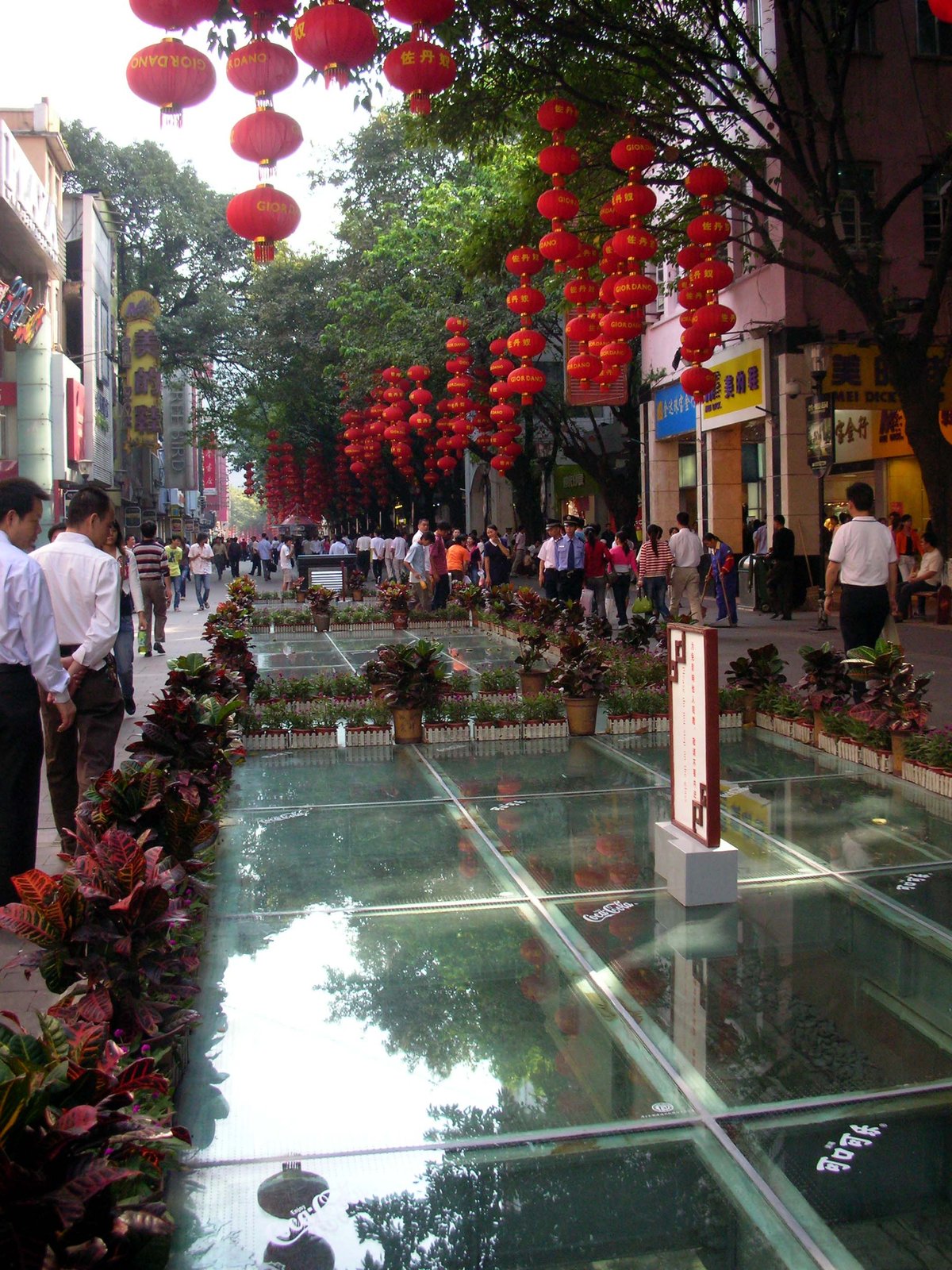
- Shangxiajiu Pedestrian Street Experience traditional Cantonese culture, local shopping, and cuisine.
- Chen Clan Ancestral Hall Renowned for its exquisite Lingnan architecture and folk art displays.
Contributions to Medical Science and Education
Guangdong General Hospital is a leading center for clinical research and medical education. Between 2015 and 2020, the hospital secured 271 patents and published over 2,000 papers in international journals. As a teaching hospital, it collaborates with top universities to train the next generation of healthcare professionals.
National and Regional Significance
Ranked 31st in the 2019 National Best Hospital Ranking (Fudan Edition), the hospital is especially recognized for its cardiac surgery and cardiovascular departments, which are among the best in China. Its central location further cements its standing as a vital institution within Guangzhou’s medical and cultural landscape.
Public Health and Community Outreach
The hospital actively supports preventive care, health education, and community outreach. Its adoption of advanced technologies has continually improved patient care and operational efficiency.
Visitor Experience: Practical Tips for Tourists
Language and Communication
- While some staff speak basic English, having a translation app or guide can help smooth your visit.
Transport
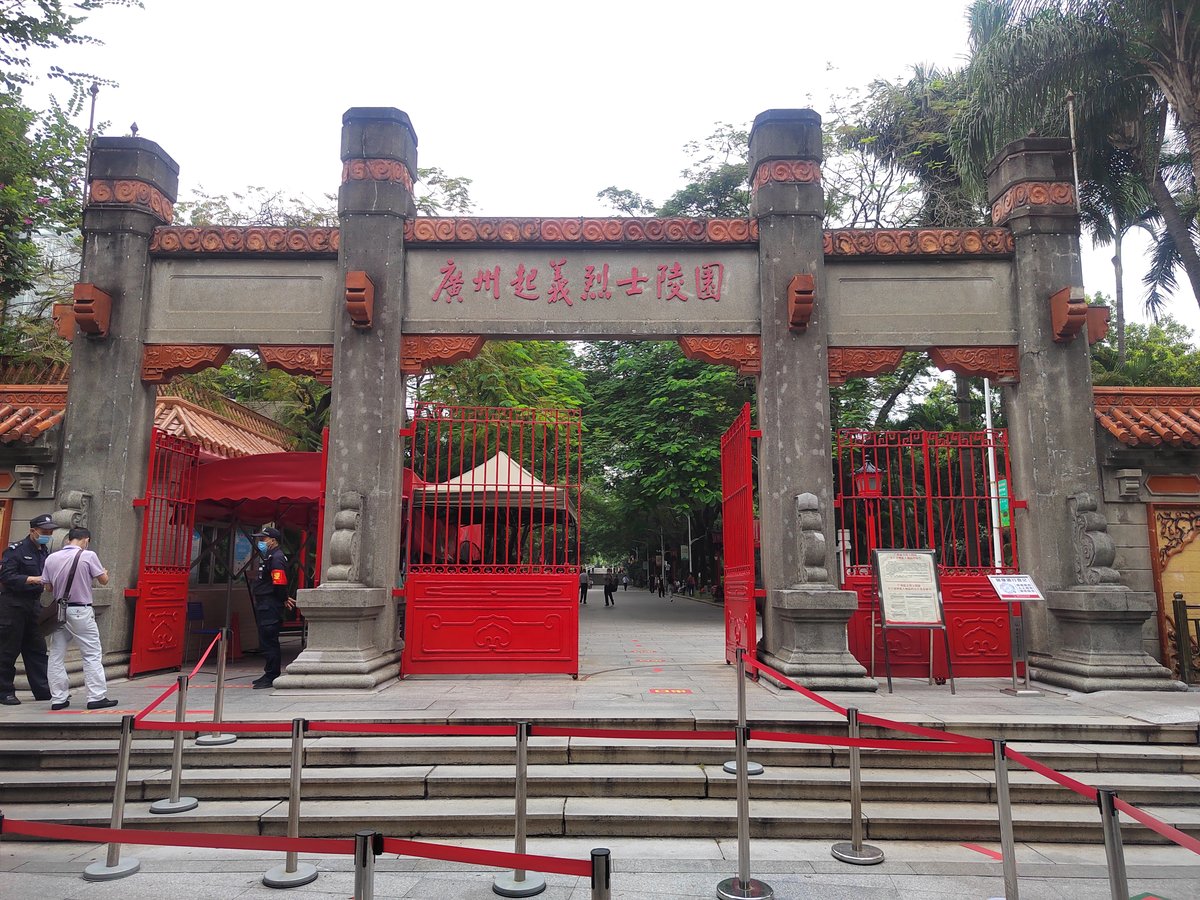
- Use Guangzhou Metro Lines 1 and 6 (Ximenkou, Martyrs’ Park, or Dongshankou stations) for easy access.
- Taxis are widely available; having the hospital’s Chinese address is helpful: 广东省人民医院, 广州市越秀区中山二路106号.
Practical Amenities
- On-site cafeterias and shops meet basic needs.
- Nearby hotels range from budget to upscale for out-of-town visitors.
- Masks are required within the hospital.
Safety and Accessibility
- The hospital is equipped for visitors with mobility needs.
- Hand sanitizers are available throughout the premises.
FAQs
Q1: What are the visiting hours at Guangdong General Hospital?
A1: Typically 8:00 AM to 8:00 PM, but check with specific departments for variations.
Q2: Is there an admission fee or ticket for entry?
A2: No entry fee; only medical service fees apply.
Q3: How do I reach the hospital using public transport?
A3: Take Metro Line 1 to Ximenkou Station or use city buses.
Q4: Are facilities accessible for disabled visitors?
A4: Yes, ramps and elevators are available.
Q5: What attractions are close by?
A5: Yuexiu Park, Guangzhou Museum, Zhenhai Tower, Shangxiajiu Pedestrian Street, and Chen Clan Ancestral Hall.
Images
Useful Internal Links
- Explore Guangzhou’s Top Historical Sites
- Guide to Public Transportation in Guangzhou
- Healthcare Facilities in Guangdong Province