Historical Background
Origins and Revolutionary Role
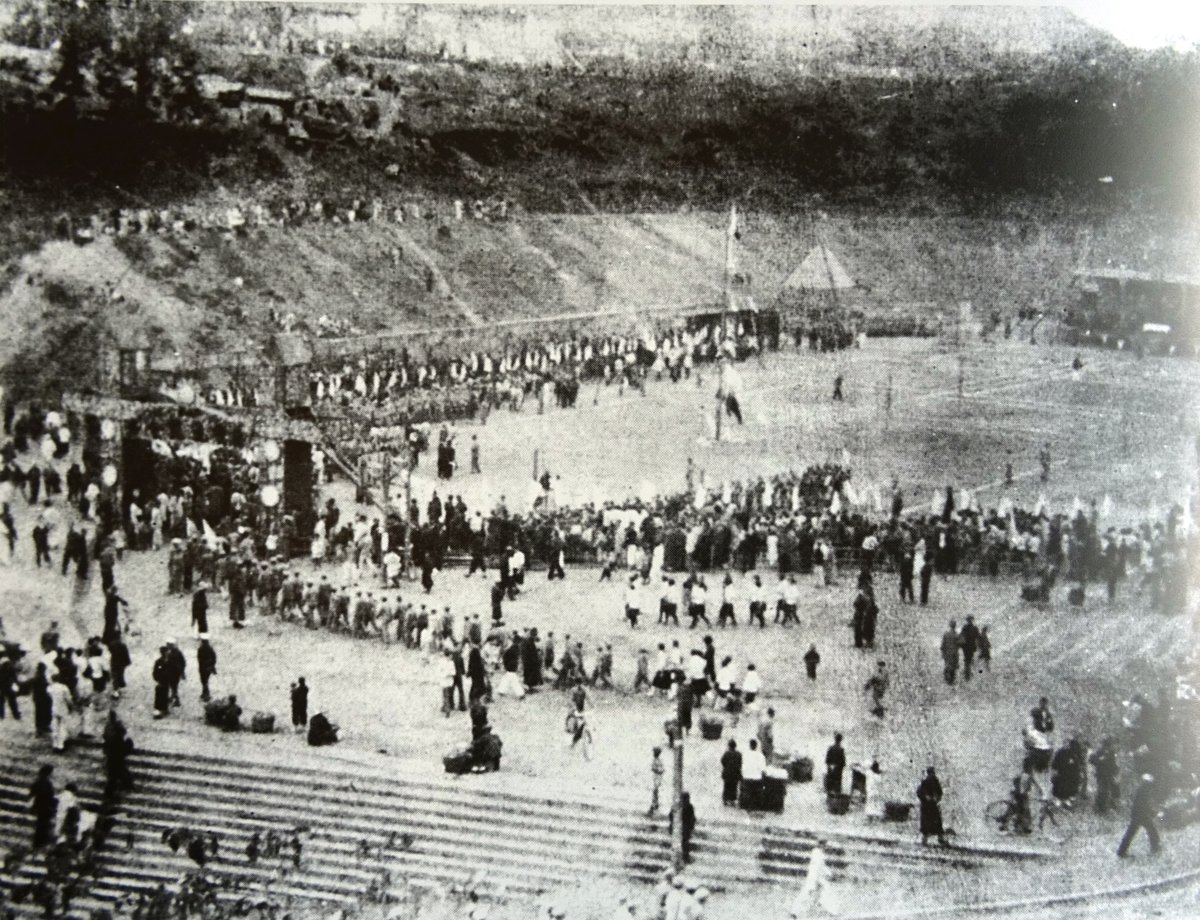
The building now home to the Former Guangdong Peasants' Association was originally constructed in 1370 as a Confucian temple, reflecting Guangzhou’s status as a center of scholarship and culture (chinawiki.net). In the 1920s, as the Kuomintang (KMT) and Chinese Communist Party (CCP) united to push the Northern Expedition, the temple was repurposed into the Peasant Movement Training Institute in 1926. Under the leadership of Mao Zedong and Peng Pai, hundreds of rural activists were trained here in both theory and practical organization, laying the groundwork for peasant mobilization and rural reform across China. Graduates of the Institute played critical roles in uprisings such as the Autumn Harvest and Nanchang Uprisings, contributing significantly to the Communist Party’s strategies and eventual establishment of the People’s Republic of China in 1949 (redmemory.hypotheses.org).
Preservation and Memorialization
Restored in the 1950s and opened to the public in 1963, the site has been designated a national key cultural relics protection unit. It features over 1,000 artifacts, archival documents, and photographs chronicling the peasant movement, making it an invaluable educational resource (chinawiki.net).
Cultural and Architectural Significance
Lingnan Architecture
The site’s architecture is a classic example of Lingnan style, characterized by grey brick walls, carved wooden doors, and open courtyards—features designed to provide comfort in Guangdong’s humid climate. The preserved courtyards and halls not only serve as historical testimony but also showcase the region’s artistic heritage (China Discovery).
Revolutionary Heritage
Exhibits include period photographs, original documents, and personal effects of key figures, offering visitors an immersive experience into the revolutionary era. The museum also hosts temporary exhibitions and educational programs, connecting China’s turbulent history with contemporary civic values (Trip.com).
Visiting Information
Hours and Tickets
- Opening Hours Daily, 9:00 AM – 5:00 PM (last entry at 4:30 PM). Closed Mondays for maintenance.
- Admission Generally free of charge. Special exhibitions or guided tours may require a nominal fee. At satellite locations (such as Lixing Street), tickets may cost RMB 5.
- Best Times to Visit Spring (March–May) for kapok blossoms and autumn (October–November) for pleasant weather.
Accessibility
- The main site is wheelchair accessible, with ramps and accessible restrooms. Some older sections may have uneven flooring; advance notice is recommended for visitors with mobility needs.
- Guided tours are available in Mandarin and, during peak seasons, in English. Bilingual signage and informational plaques help international visitors.
Getting There
- Main Address No. 42, Zhongshan 4th Road, Yuexiu District, Guangzhou, Guangdong Province, China.
- Alternate Site No. 6 Lixing Street, Donggao Avenue, Yuexiu District, Guangzhou.
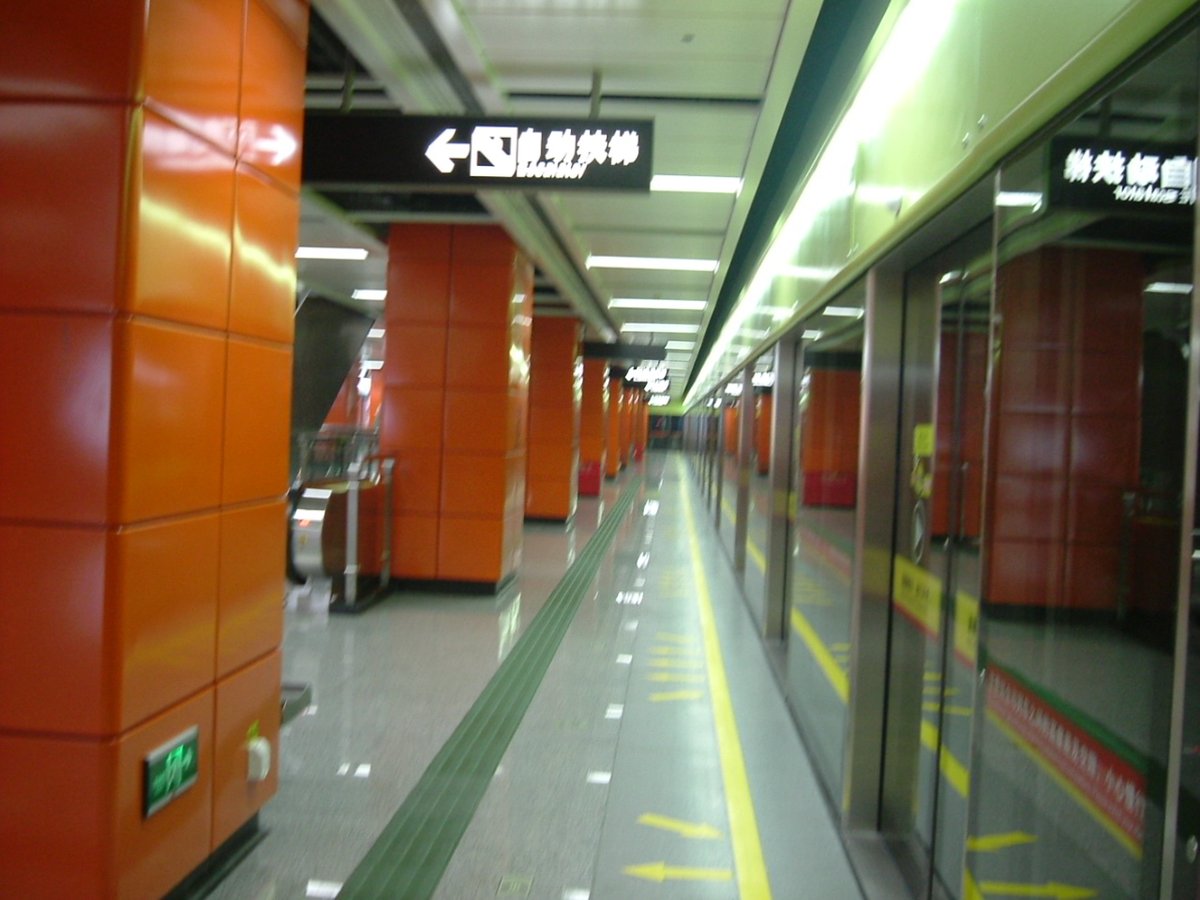
- By Metro Take Lines 1 or 2 to Gongyuanqian Station or Line 1 to Peasant Movement Institute Station. The site is a short walk from either station.
- By Bus Numerous city bus routes serve the area. Taxis can be directed to “广东农民协会旧址”.
Visitor Tips
- Language Most materials are in Chinese. For non-Mandarin speakers, guided tours or translation apps are recommended.
- Photography Allowed in most areas; flash and tripods may be restricted.
- Dress Code Modest attire is recommended out of respect for the site’s historical significance.
- Facilities Restrooms, a gift shop, and seating areas are available.
Nearby Attractions
Enhance your visit by exploring Guangzhou’s network of revolutionary and cultural sites:
- Martyrs Memorial Park Memorializes those who died in the 1927 uprising.
- Sun Yat-sen Memorial Hall Celebrates the founding father of modern China.
- Chen Clan Ancestral Hall A masterpiece of Cantonese architecture.
- Yuexiu Park The city’s largest park, ideal for relaxation and exploring additional monuments.
For more about Guangzhou’s revolutionary sites, see Guangzhou Revolutionary Sites and Top Historical Attractions in Yuexiu District.
Frequently Asked Questions (FAQ)
Q: What are the Former Guangdong Peasants' Association visiting hours?
A: Open daily from 9:00 AM to 5:00 PM, last entry at 4:30 PM; closed Mondays.
Q: Is there an admission fee?
A: Admission is generally free, though some satellite sites charge RMB 5.
Q: Are English-language tours available?
A: English tours may be available during peak seasons; book in advance to ensure availability.
Q: Is the site accessible for visitors with disabilities?
A: Most main areas are accessible, but some sections may have uneven flooring. Contact ahead for assistance.
Q: Can I take photos inside the site?
A: Yes, but follow posted guidelines regarding flash and restricted areas.
Q: How do I reach the site using public transportation?
A: Metro Lines 1 or 2 to Gongyuanqian Station, or Line 1 to Peasant Movement Institute Station; a short walk from either.
Discover More
The Former Guangdong Peasants' Association stands as a testament to the power of grassroots activism and the pivotal role of the peasantry in China’s modern transformation. Its Lingnan architecture, extensive exhibits, and educational programming offer both locals and international visitors an enriching experience. Centrally located and easily accessible, it is an essential stop for anyone seeking to understand the revolutionary spirit and cultural heritage of Guangzhou.
For up-to-date information, event schedules, and virtual resources, visit the site’s official platforms or local tourism boards. Enhance your experience with the Audiala app for audio guides and interactive content, and follow us on social media for special updates and related historical articles.
View on Map
Virtual Tour Available