
Historical and Cultural Foundations
Evolution as a Cultural Crossroads
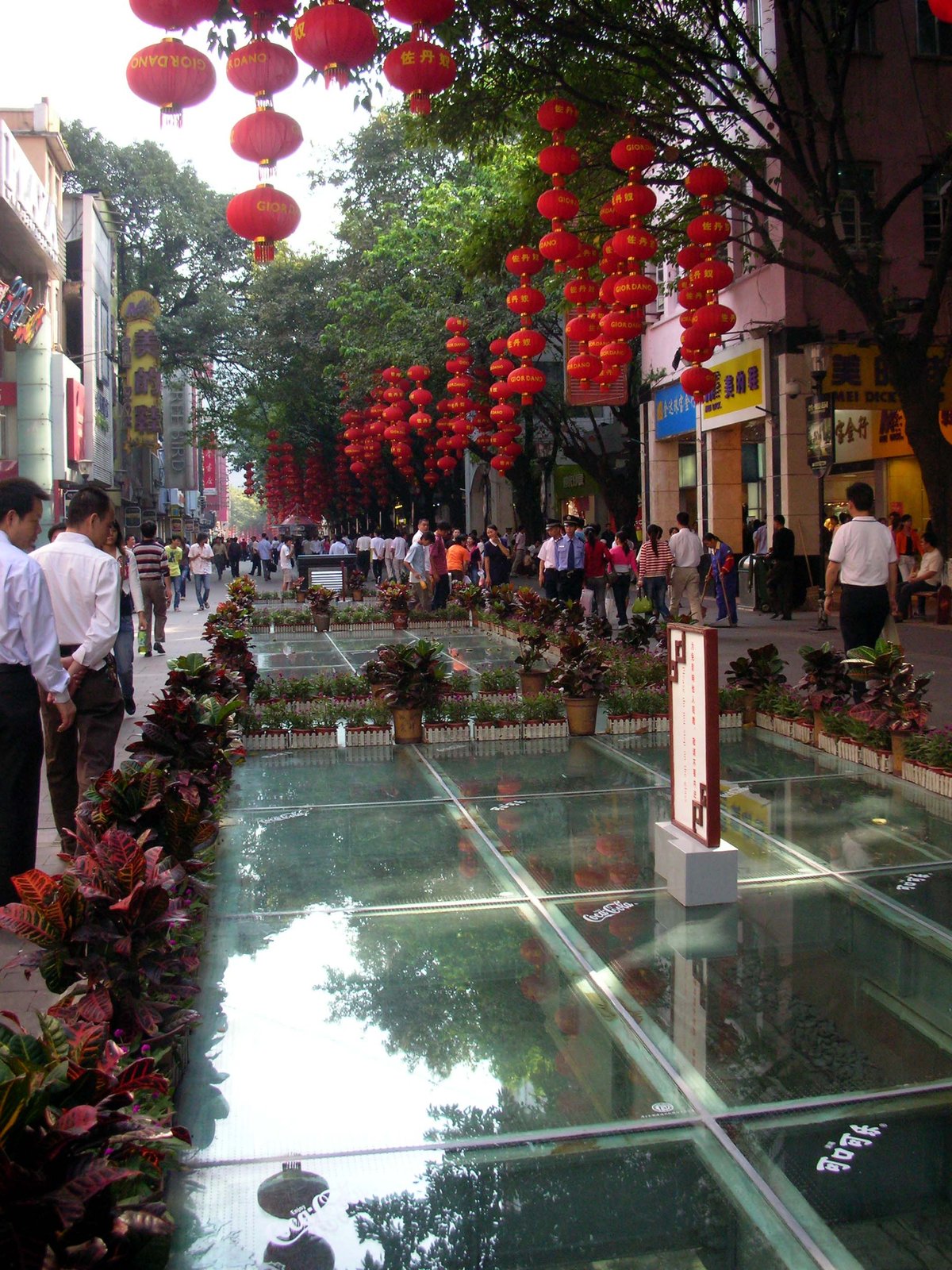
Guangzhou has been a leading trading port for over two millennia, with the Beijing Subdistrict at the heart of its historic exchanges. The district’s centerpiece, Beijing Road (北京路), has been a commercial artery since the Tang and Song dynasties. Archaeological sites reveal ancient road surfaces dating back over 1,000 years, preserved beneath glass for visitors to admire (The Broke Backpacker; Life Travel and Asia).
Architectural Heritage
The district features the unique Lingnan "qilou" (arcaded buildings), blending Chinese and Western design influences. These arcades, developed in the late 19th century, offer shelter, foster vibrant street life, and symbolize Guangzhou’s blend of tradition and innovation (Wanderlog). Modern commercial complexes and ancient relics coexist, reflecting the district’s layered history.
Contemporary Cultural Significance
Commerce and Community
Beijing Road remains one of Guangzhou’s busiest commercial centers, boasting international retail outlets, traditional shops, and a thriving street food scene. The pedestrianized street is a social hub, drawing locals and tourists alike and exemplifying Guangzhou’s cosmopolitan character (Life Travel and Asia; China Discovery).
Preserving Intangible Heritage
Teahouses, herbal medicine shops, and craft stores keep traditional Cantonese practices alive. Public events—such as opera performances and festival celebrations—provide immersive experiences for visitors. Beijing Road is especially lively during the Spring Festival and Mid-Autumn Festival, featuring lanterns, lion dances, and cultural displays (Life Travel and Asia).
Religious and Spiritual Sites
Temples and Sacred Places
Within and near the subdistrict are several important religious sites:
- Temple of the Six Banyan Trees (Liurong Si) Founded in the 6th century, famous for its Flower Pagoda and ancient trees (Wanderlog).
- Guangxiao Temple Another ancient Buddhist landmark.
- Dafo Temple A 5-minute walk from Beijing Road, with serene halls and a grand bronze Buddha (Owl Over The World).
Interfaith Harmony
The district’s temples, churches, and mosques highlight Guangzhou’s history of religious tolerance and multiculturalism, with festivals and rituals celebrated inclusively (China Discovery).
Culinary Traditions
Cantonese Cuisine
Beijing Subdistrict is a culinary hotspot, offering everything from dim sum and roast meats to herbal soups and desserts at its cha chaan tengs and dessert shops. Food is central to local social life, with shared meals and tea sessions fostering community (Life Travel and Asia).
Street Food and Night Markets
The night markets around Beijing Road are renowned for their diversity and quality. Visitors can savor skewered meats, rice rolls, exotic fruits, and more—making Guangzhou a top food destination (The Broke Backpacker).
Arts and Popular Culture
The subdistrict supports a vibrant arts scene, with bookstores, galleries, and creative spaces hosting exhibitions and public art. Cultural festivals and events regularly animate the district, reflecting a commitment to both tradition and innovation (Ruqin Travel).
Practical Visitor Information
Visiting Hours and Tickets
- Beijing Road Pedestrian Street Open 24 hours; shops and restaurants typically from 10:00–22:00.
- Beijing Road Ancient Site Museum 9:00–17:00 daily; ~20 RMB entrance fee.
- Dafo Temple 8:00–17:30; ~10 CNY.
- Yuexiu Park 6:30–21:00; ~5 CNY.
- Most street attractions Free, with some museums or temples charging modest fees (China Discovery; Trip.com).
Accessibility & Guided Tours
The area is generally wheelchair accessible, with ramps and smooth pavements. Guided tours in various languages are available, often including historical, religious, and culinary highlights. Multilingual brochures and audio guides are offered at major sites.
Transportation
- Metro Closest stations are Beijing Lu (Line 6), Yuexiu Park, and Gongyuanqian.
- Taxis & Buses Readily available with clear signage.
- Walking The pedestrianized area is safe and well-lit (Life Travel and Asia; Highspeed MTR).
Language & Payments
- Language Mandarin and Cantonese are spoken; English is limited, so translation apps are helpful.
- Payments Cash, Alipay, and WeChat Pay are widely accepted. International credit cards are accepted in larger establishments.
Best Time to Visit
Spring (March–May) and autumn (October–November) offer the best weather. Evenings and weekends are busiest, with nighttime illuminations and vibrant street life (The Broke Backpacker).
Notable Attractions Near Beijing Road
- Yuexiu Park & Five Rams Statue Guangzhou’s largest park, featuring city wall relics and the iconic statue (China Highlights).
- Sacred Heart Cathedral Gothic all-granite cathedral, 10 minutes southwest, open daily (China Highlights).
- Enning Road History Block Historic qilou buildings and traditional streets, 15 minutes by taxi (Owl Over The World).
- Chen Clan Ancestral Hall Folk art museum, 20 minutes by metro/taxi (Zhujianger).
- Shamian Island Colonial-era architecture and riverside promenades (China Highlights).
- Baiyun Mountain Nature trails, cable cars, city views (The Broke Backpacker).
- Museum of the Mausoleum of the Nanyue King Han dynasty relics, near Beijing Road (China Discovery).
- Sun Yat-sen Memorial Hall Landmark dedicated to the founder of modern China.
Visitor Tips
- Dress Modest attire is recommended for temples and during festivals.
- Photography Ask permission before photographing people or ceremonies.
- Personal Safety Keep valuables secure, especially in crowded areas.
- Dietary Needs Vegetarian and halal options are available but may require some searching.
- Restrooms Public facilities are clean but bring tissues and sanitizer.
Frequently Asked Questions (FAQ)
Q: What are the Beijing Road visiting hours?
A: The pedestrian street is open 24/7; shops and restaurants generally open from 10:00 to 22:00.
Q: Is there an admission fee for Beijing Road?
A: Entry is free. Some museums and temples charge a small fee.
Q: How do I get to Beijing Road?
A: Take Guangzhou Metro Line 6 to Beijing Lu Station, or use taxis and buses for direct access.
Q: Is Beijing Road wheelchair accessible?
A: Major areas are accessible, though some historic sites may have steps.
Q: Are guided tours available?
A: Yes, local agencies offer guided tours covering historical, cultural, and culinary highlights.
Q: Can I pay with credit cards?
A: Major stores accept international cards, but mobile payment apps and cash are more widely used.
Q: What’s the best time to visit?
A: Spring and autumn offer the most pleasant weather; evenings and weekends are liveliest.
Summary Table of Key Attractions
| Attraction | Type | Distance from Beijing Road | Visiting Hours | Ticket Price | Highlights |
|---|---|---|---|---|---|
| Beijing Road Pedestrian St. | Shopping/History | Central | 24 hours; shops 10–22 | Free | Shopping, ancient road relics, street food |
| Dafo Temple | Religious | 5 min walk | 8:00–17:30 | ~10 CNY | Ancient Buddhist temple, bronze Buddha |
| Yuexiu Park & Five Rams | Park/Monument | 15 min walk | 6:30–21:00 | ~5 CNY | Largest park, city symbol, city wall relics |
| Sacred Heart Cathedral | Religious | 10 min walk | 7:00–17:30 | Free | Gothic architecture, stained glass |
| Enning Road History Block | Historical | 15 min by taxi | Open year-round | Free | Qilou buildings, traditional streets |
| Chen Clan Ancestral Hall | Cultural | 20 min by metro/taxi | 8:30–17:30 | ~10 CNY | Folk art museum, Cantonese architecture |
| Shamian Island | Historical | 20 min by taxi | Open year-round | Free | Colonial buildings, riverside walks |
| Baiyun Mountain | Nature | 30 min by metro/taxi | 7:00–18:00 | Cable car ~50 CNY | Hiking, cable car, city views |
Visual Highlights
The illuminated ancient road layers beneath Beijing Road’s glass pavement.
Entrance to the Museum of the Mausoleum of the Nanyue King, near Beijing Road.
Summary and Recommendations
Beijing Subdistrict is a living tapestry of Guangzhou’s heritage and modern vitality. From walking above ancient roadways to exploring renowned temples, tasting authentic Cantonese cuisine, and enjoying bustling festivals, visitors experience the city’s rich layers of history and culture. The area’s accessibility, amenities, and proximity to major attractions make it ideal for both short visits and extended exploration. For the best experience, plan your visit during spring or autumn, and make use of metro connections, guided tours, and local apps for real-time updates. Download the Audiala app and follow related cultural updates to stay informed and make the most of your journey (Life Travel and Asia; China Discovery; The Broke Backpacker).
Internal and External Links
- Guangzhou’s Top Historical Sites
- Yuexiu Park Visitor Guide
- Guangzhou Culinary Guide
- Official Guangzhou Tourism Website
- Highspeed MTR Attraction Guide