Plan and listen to Baiyun Mountain with Audiala.
Audio guide in your pocket, itinerary in your browser. Built for the way you actually visit.
Introduction
Welcome to our comprehensive guide to Baiyun Mountain, one of Guangzhou's most iconic and cherished landmarks. Known as 'White Cloud Mountain,' Baiyun Mountain is a symbol of natural beauty, cultural richness, and historical significance. This guide aims to provide you with all the essential details you need to plan your visit, including information on visiting hours, ticket prices, historical and cultural significance, travel tips, and nearby attractions. Whether you are a first-time visitor or a seasoned traveler, this guide will help you make the most of your trip to Baiyun Mountain (TravelSetu).
Baiyun Mountain's history spans over 2,000 years, serving as an inspiration for poets, artists, and scholars throughout Chinese history. The mountain is home to numerous historical sites, including ancient temples and pavilions, offering a glimpse into the rich cultural heritage of the region. Additionally, Baiyun Mountain is a popular spot for local residents who visit to engage in traditional practices such as Tai Chi and meditation, seeking peace and spiritual enlightenment (TravelSetu).
In this guide, we'll explore the best times to visit, how to get there, what to bring, and the various attractions and activities you can enjoy. From hiking trails to botanical gardens and historical sites, Baiyun Mountain offers something for everyone. We hope this guide helps you plan an unforgettable visit to this natural wonder and cultural treasure.

History
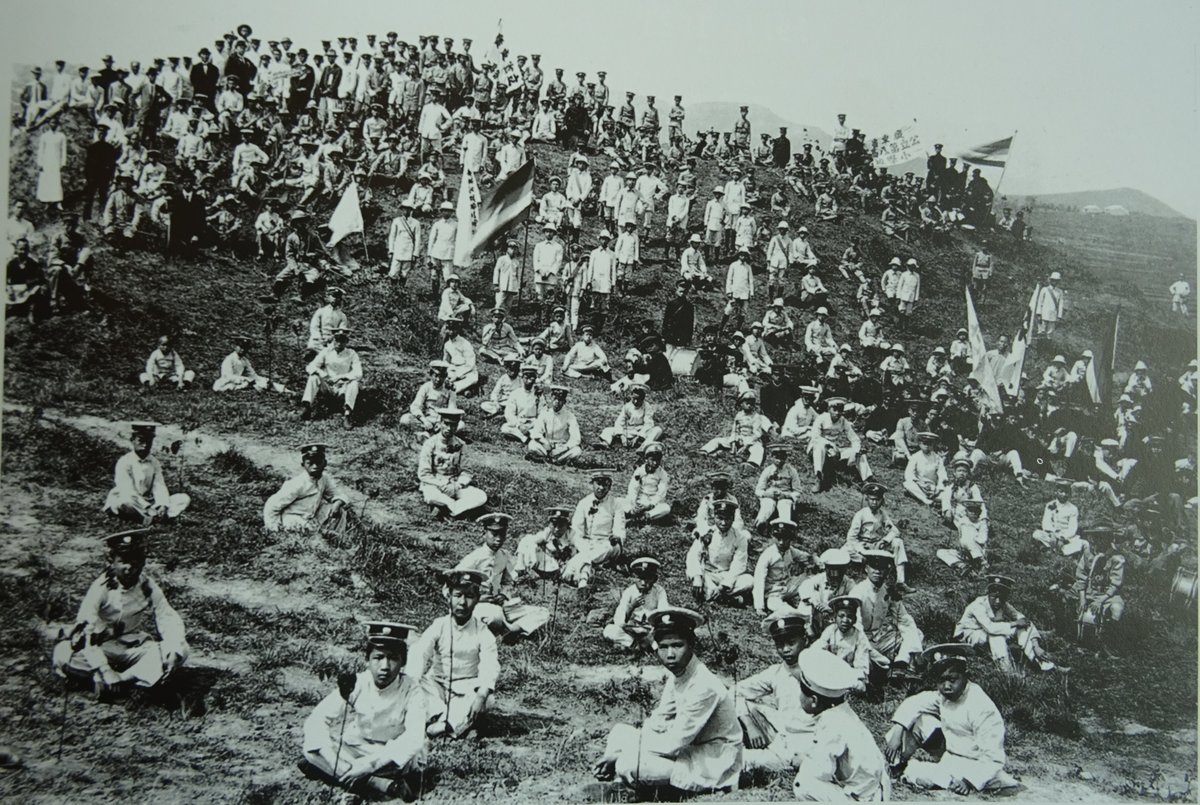
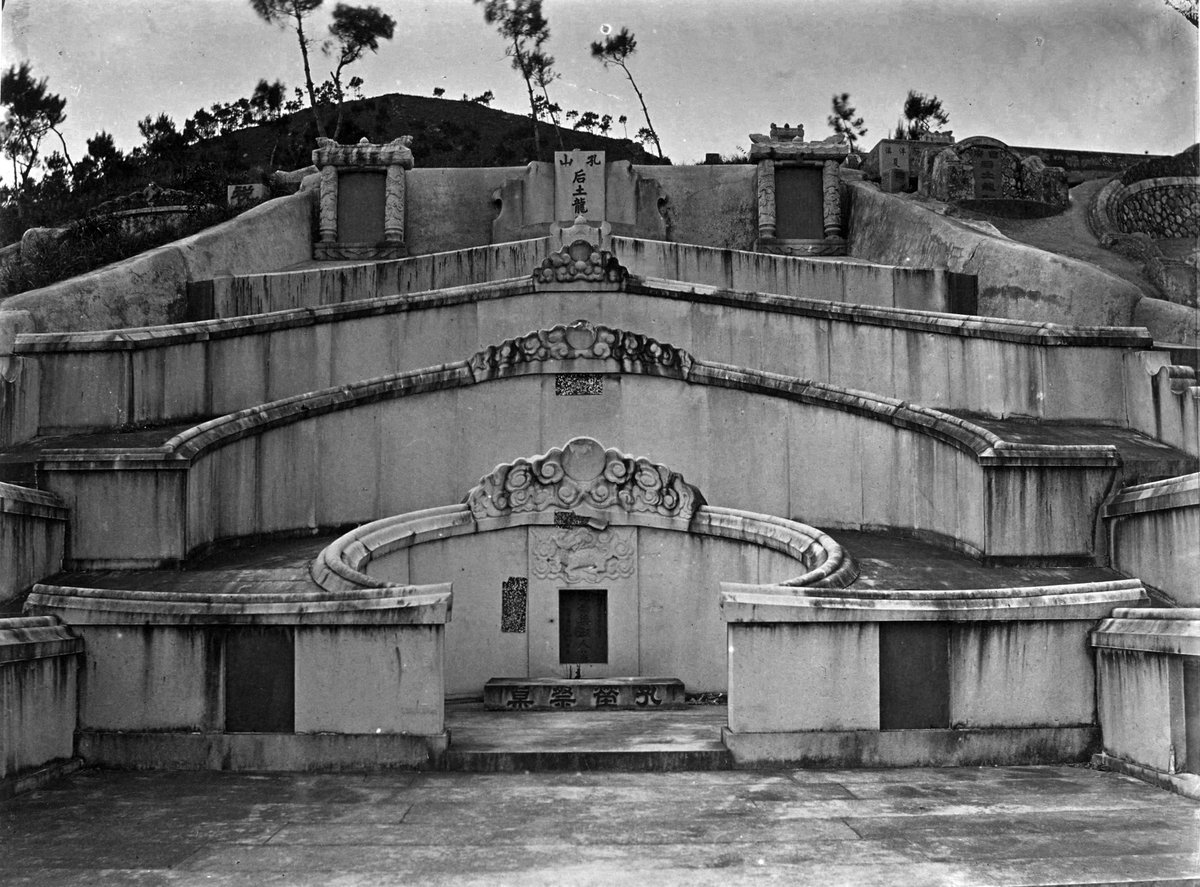
Baiyun Mountain, also known as White Cloud Mountain, has a history that dates back over 2,000 years. It has been a source of inspiration for poets, artists, and scholars throughout Chinese history. The mountain is home to numerous historical sites, including ancient temples and pavilions, that offer a glimpse into the past (TravelSetu).
Cultural Significance
Baiyun Mountain holds a special place in the hearts of the local people. It is not only a natural wonder but also a cultural treasure. The mountain is often associated with peace, tranquility, and spiritual enlightenment. Many locals visit Baiyun Mountain for its natural beauty and to partake in traditional practices such as Tai Chi and meditation (TravelSetu).
Visitor Information
Ticket Prices
The entrance fee for Baiyun Mountain is approximately 5 CNY (less than 1 USD) for adults. There are additional fees for certain attractions within the mountain, such as the cable car and specific scenic spots (TravelSetu).
Opening Hours
Baiyun Mountain is open daily from 6:00 AM to 7:00 PM. The opening hours may vary slightly during public holidays and special events, so it's advisable to check in advance (TravelSetu).
Travel Tips
To make the most of your visit, wear comfortable walking shoes and bring plenty of water. The mountain trails can be steep, so be prepared for a bit of a workout. It's also a good idea to carry some cash for ticket purchases and small vendors (TravelSetu).
Nearby Attractions
While visiting Baiyun Mountain, you can also explore nearby attractions such as the Guangzhou Zoo, Yuexiu Park, and the Guangzhou Museum. These sites offer additional insights into the city's natural and cultural heritage (TravelSetu).
Accessibility
Baiyun Mountain is accessible by public transportation, including buses and the metro. There are also designated parking areas for those who prefer to drive. The mountain has paved paths and designated viewing areas that are wheelchair accessible (TravelSetu).
Special Events
Throughout the year, Baiyun Mountain hosts various cultural and recreational events. From flower festivals to traditional Chinese performances, there's always something happening on the mountain (TravelSetu).
Guided Tours
For a more in-depth experience, consider joining a guided tour. Local guides can provide fascinating insights into the history and significance of Baiyun Mountain, making your visit even more enriching (TravelSetu).
Photographic Spots
Baiyun Mountain is a photographer's paradise. Some of the best spots for capturing stunning views include Moxing Ridge, Nengren Temple, and the Yuntai Garden. Don't forget your camera to capture the breathtaking scenery (TravelSetu).
FAQ
What is the best time to visit Baiyun Mountain?
The best time to visit Baiyun Mountain is during the spring and autumn months when the weather is mild and the scenery is at its most beautiful (TravelSetu).
Are there any restaurants on Baiyun Mountain?
Yes, there are several restaurants and food stalls located on the mountain where you can enjoy local cuisine and refreshments (TravelSetu).
Can I bring my pet to Baiyun Mountain?
Pets are generally not allowed on Baiyun Mountain to preserve the natural environment and ensure the safety of all visitors (TravelSetu).
Listen to the full story in the app
The whole Baiyun Mountain,
told well.
Audio guides for 1,100+ cities across 96 countries. History, stories, and local insight — offline ready.
Verified, and shown.
Researched and written by the Audiala editorial team from historical records, architectural archives, and local expertise.
Best time to visit Baiyun Mountain
Baiyun Mountain FAQs
Researched from Wikidata, Wikipedia & official sources · fact-checked · How we make our guides →