Guangzhou

People's Republic of China

Guangzhou

Guangzhou hides 2,200-year-old royal tombs beneath its modern skyscrapers and still speaks Cantonese in teahouses where dim sum has been perfected for centuries.

location_on 18 attractions
calendar_month October to December
schedule 3-5 days

Introduction

The first thing that surprises you in Guangzhou is the smell of roast goose drifting down a 19th-century arcade while a 600-metre tower pulses pink and gold above the Pearl River. In the People’s Republic of China, this is the city that refuses to choose between old Lingnan soul and Greater Bay Area swagger. You can spend the morning watching Cantonese opera in a restored mansion and the evening sipping cocktails while the city’s neon reflection shivers on the water.

Guangzhou has always been China’s southern gate to the world. From the Maritime Silk Road to the Thirteen Hongs and the treaty-port days, it absorbed foreign ideas without ever surrendering its own character. That stubborn confidence still shows in the language, the food, and the way locals treat dim sum as both daily ritual and social glue. Here soup is medicine, roast goose is religion, and morning tea is where half the city’s business still gets done.

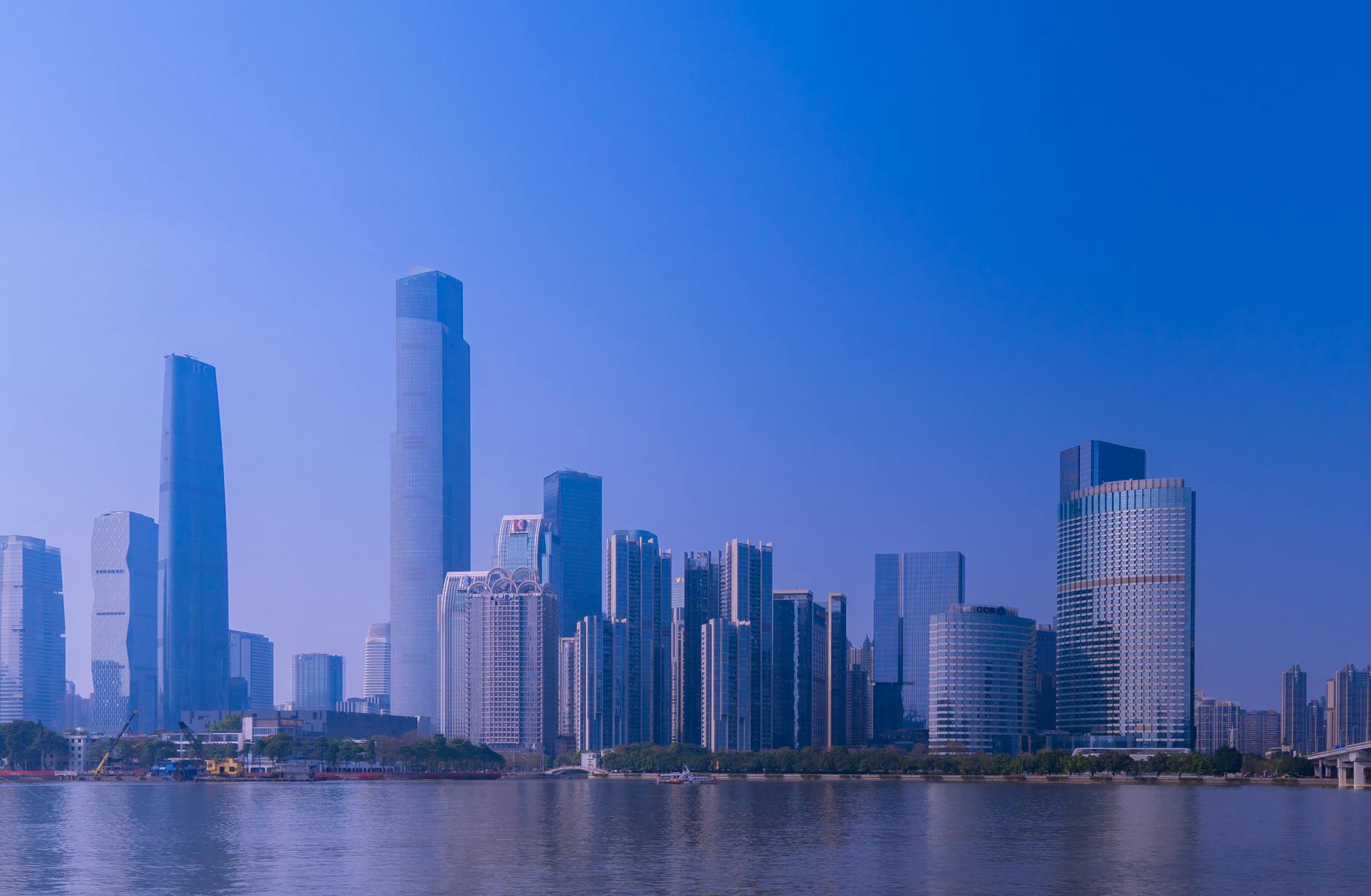
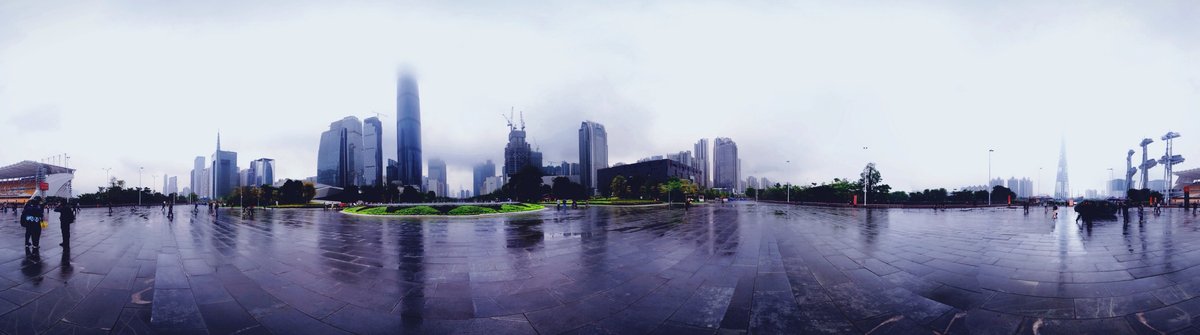
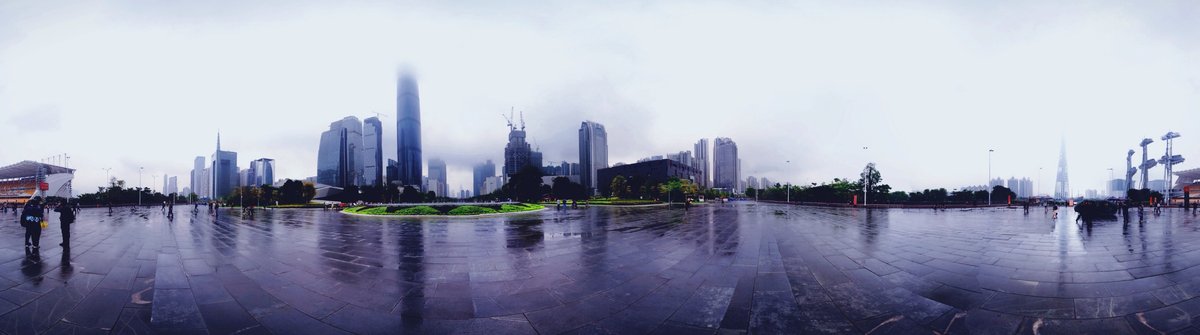
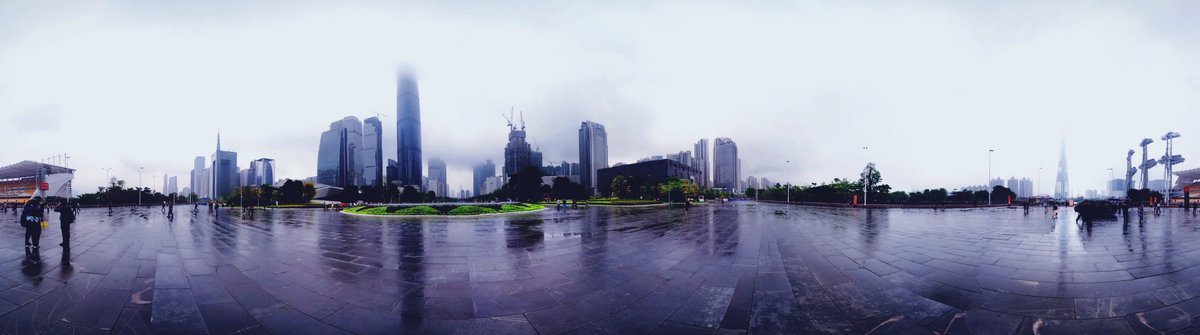
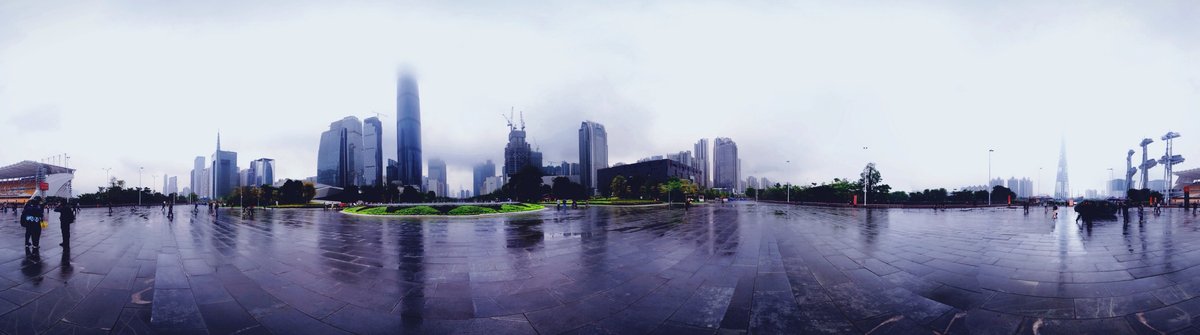
What makes the place addictive is its distinct cultural zones. Old Liwan and Yuexiu still feel like the Guangzhou your grandparents would recognise, dense with grey-brick lanes, ancestral halls and herbal shops. Cross the river into Zhujiang New Town and you’re suddenly standing beneath Zaha Hadid’s Opera House and the Canton Tower, surrounded by one of China’s most ambitious skylines. The contrast is never jarring; it simply feels like the same city speaking two different but equally fluent dialects.

Come hungry and curious. Guangzhou rewards those who slow down, who notice the finger-tapping thank-you when tea is poured, who wander down an alley because it smells good, and who understand that the real landmark is often the table in front of them.

Places to Visit

The Most Interesting Places in Guangzhou

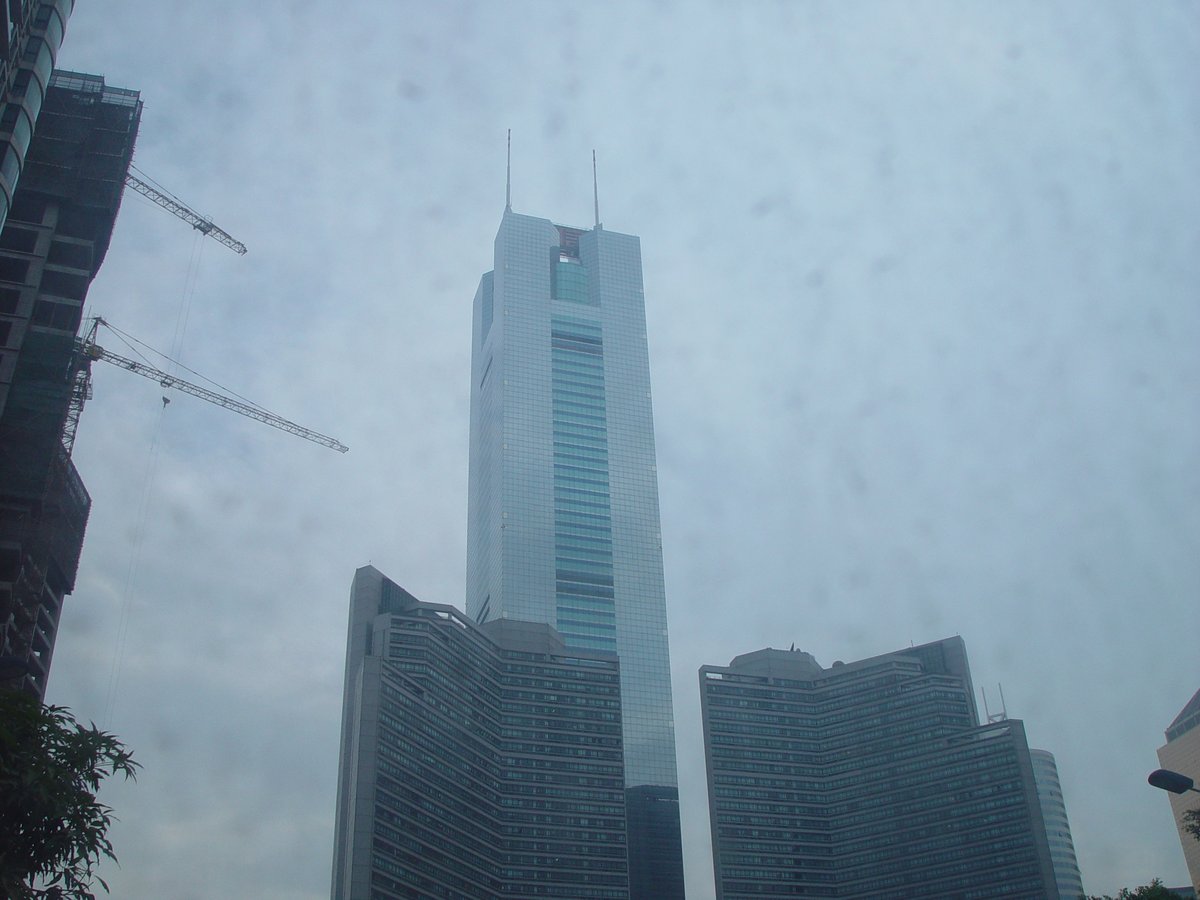
Citic Plaza

Citic Plaza

CITIC Plaza stands as one of Guangzhou’s most iconic skyscrapers and a defining symbol of the city’s rapid modernization and economic transformation.

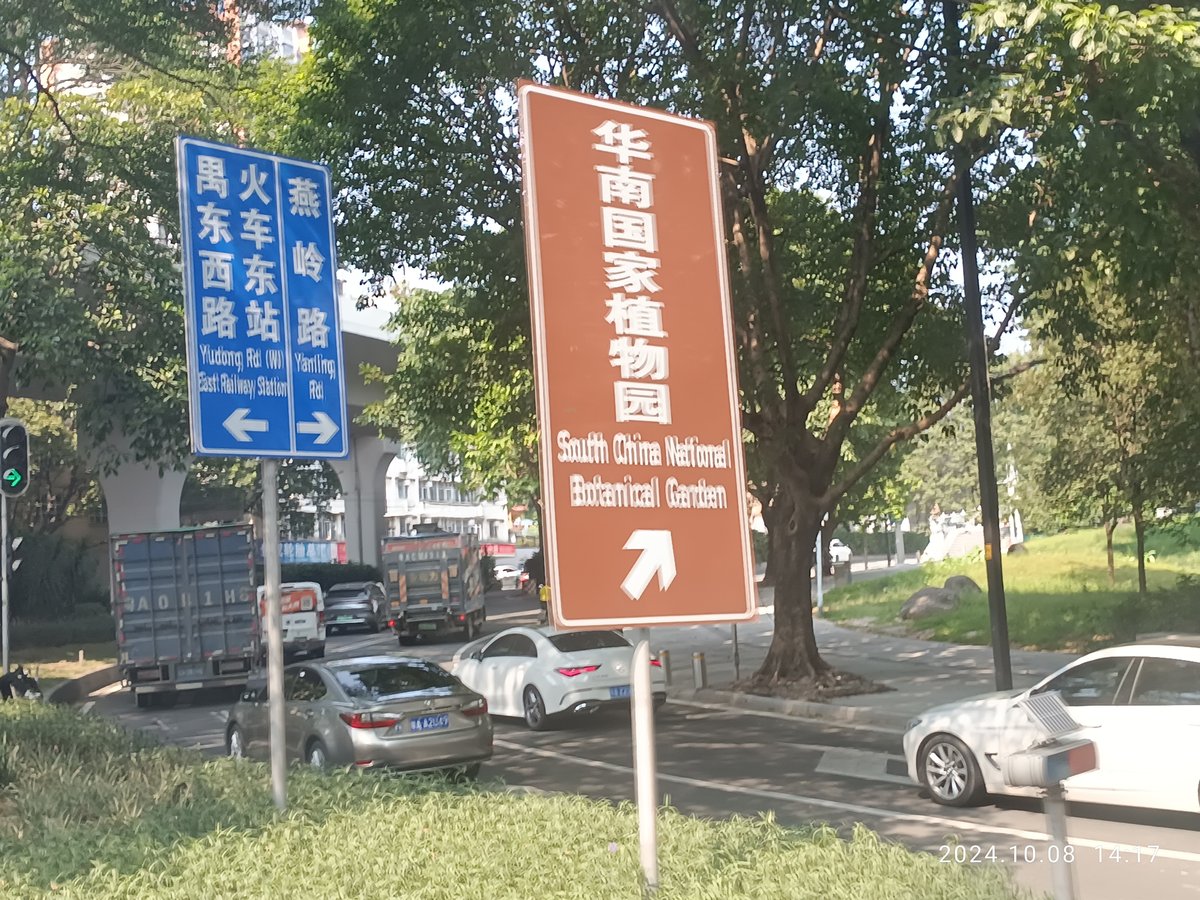
South China Botanical Garden, Chinese Academy of Sciences

South China Botanical Garden, Chinese Academy of Sciences

The South China Botanical Garden (SCBG), located in Guangzhou's Tianhe District, stands as one of China’s oldest, largest, and most significant botanical…

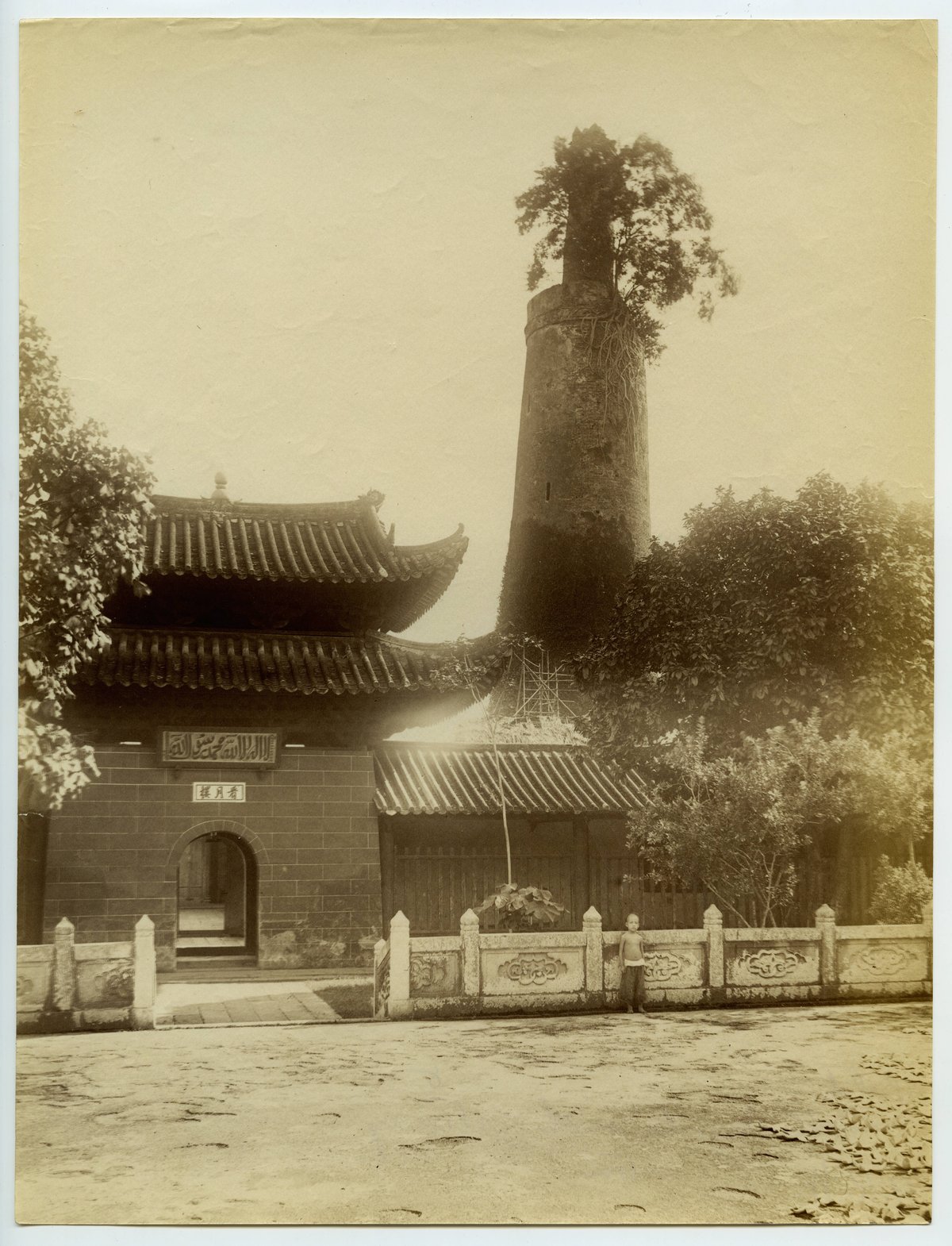
Huaisheng Mosque

Huaisheng Mosque

Nestled in the historic city of Guangzhou, the Huaisheng Mosque (怀圣寺), also known as the Lighthouse Mosque or Guangta Mosque, stands as one of the oldest…

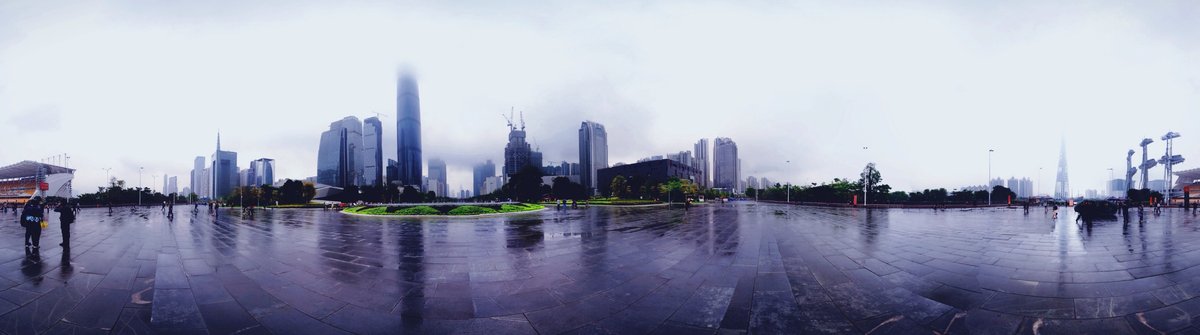
Canton Tower

Canton Tower

Welcome to an in-depth guide on the Canton Tower, a remarkable symbol of modernity in Guangzhou.

Guangxiao Temple

Guangxiao Temple

Guangxiao Temple, nestled in the vibrant city of Guangzhou, China, stands as one of southern China’s oldest and most historically significant Buddhist temples.

landscape

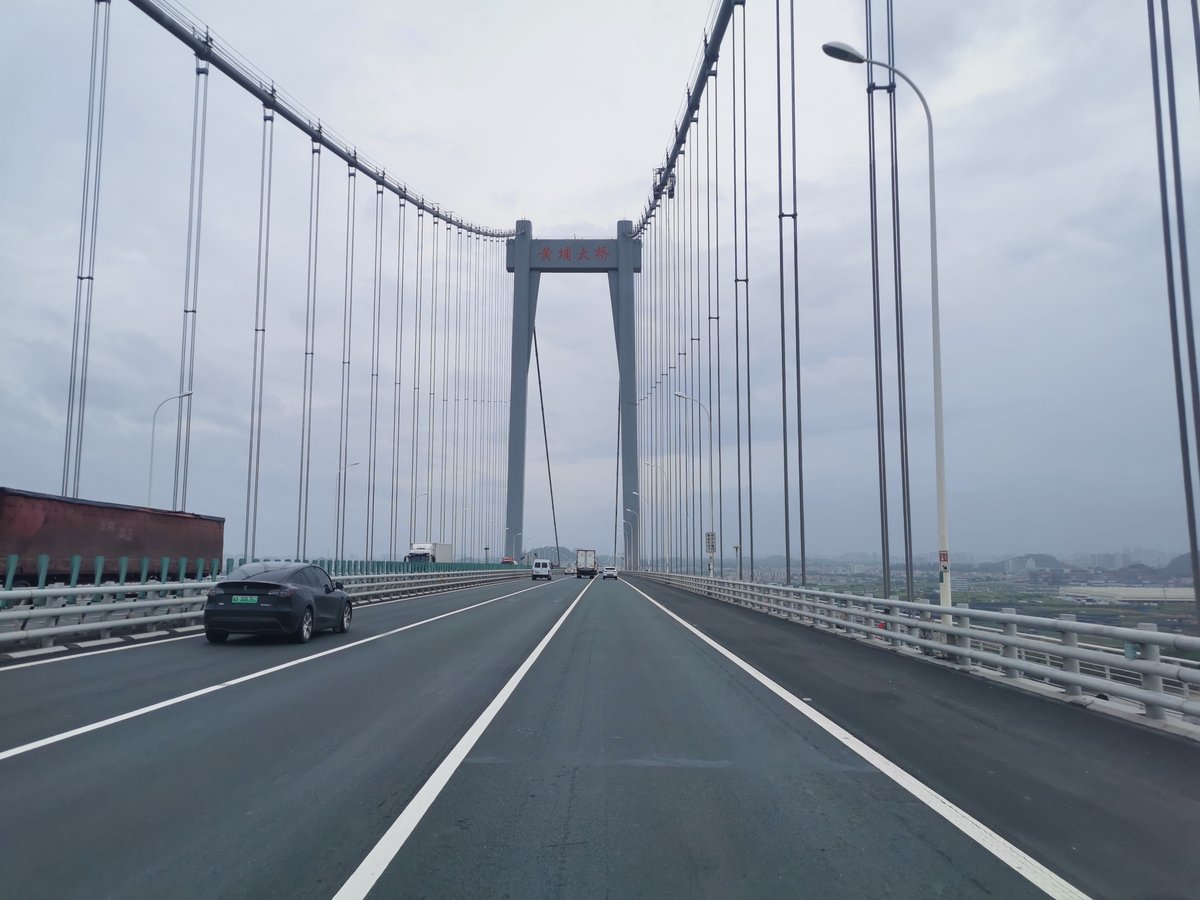
Humen Pearl River Bridge

The Humen Pearl River Bridge is a monumental symbol of Guangdong Province's rapid development and a marvel of modern engineering that connects the bustling…

Leatop Plaza

Leatop Plaza

Leatop Plaza stands as one of Guangzhou’s most iconic and architecturally significant skyscrapers, prominently located in the vibrant Zhujiang New Town…

Zhenhai Tower

Zhenhai Tower

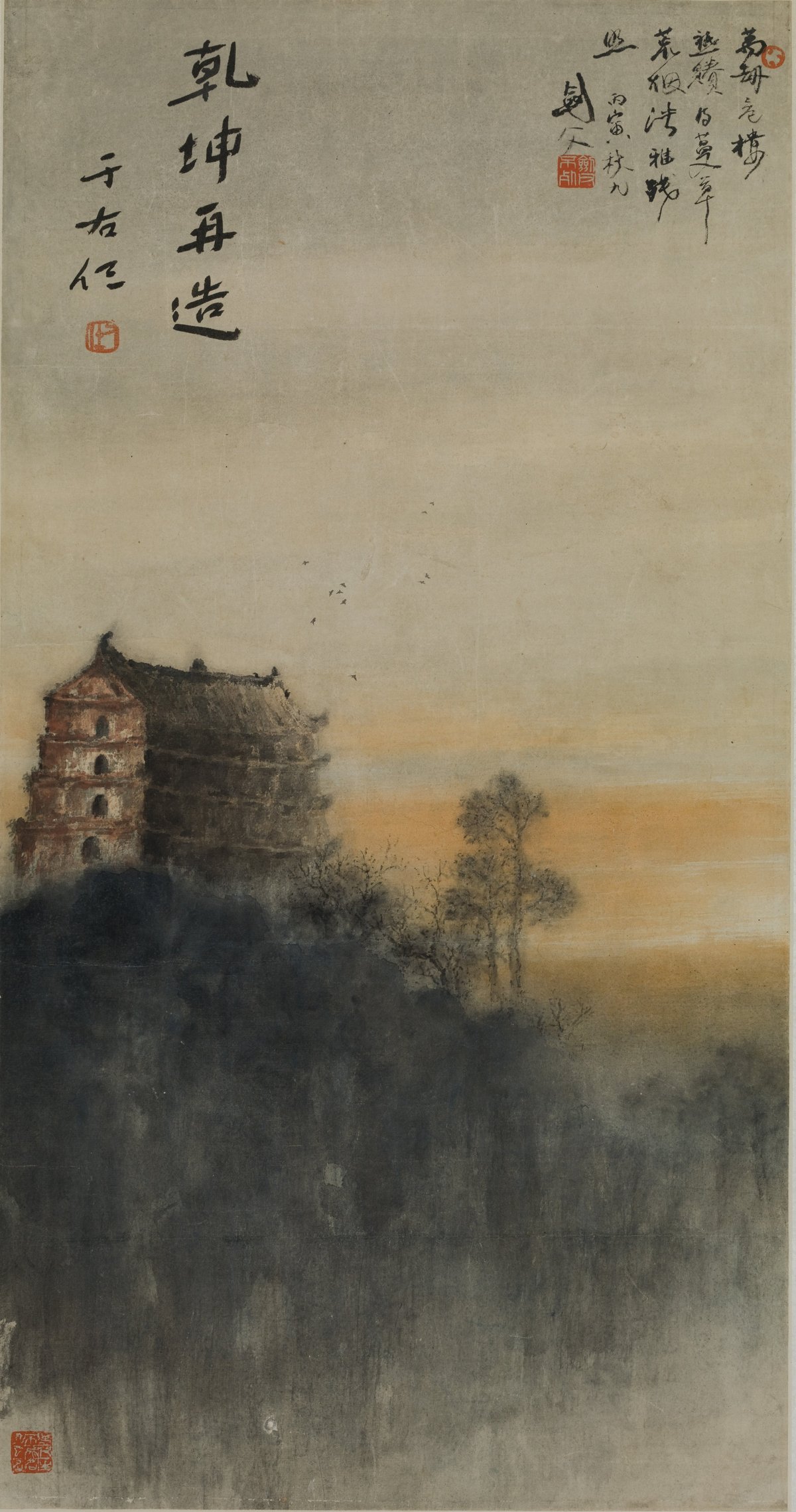
Nestled atop Yuexiu Mountain, the highest point in Guangzhou, Zhenhai Tower, also known as the "Five-Storey Pagoda" or "Sea Watch Tower," stands as one of the…

Ctf Finance Centre

Ctf Finance Centre

The Guangzhou CTF Finance Centre, also known as the Chow Tai Fook Centre or East Tower, is a towering symbol of modern urban development, architectural…

Haizhu Bridge

Haizhu Bridge

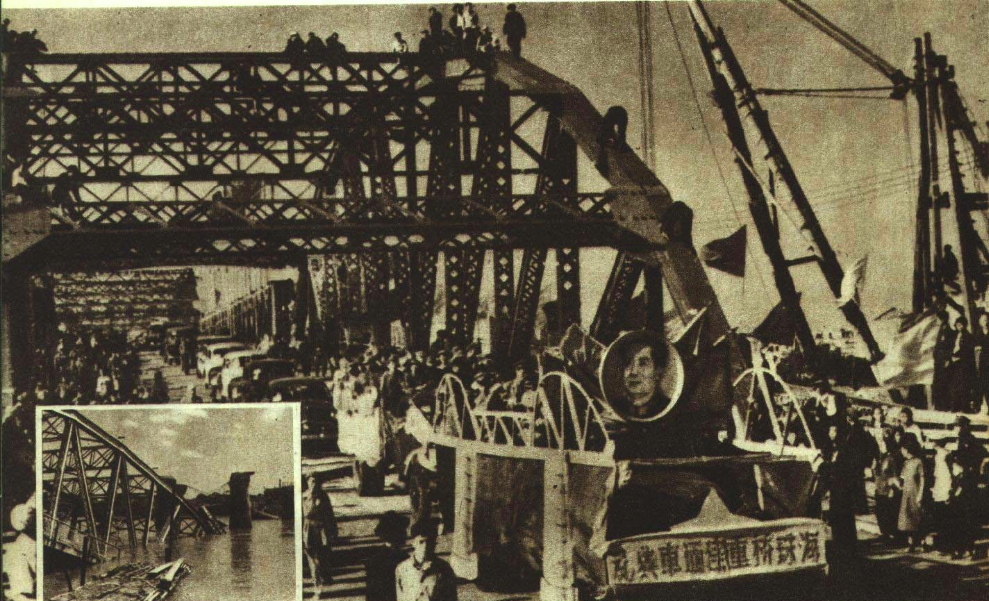
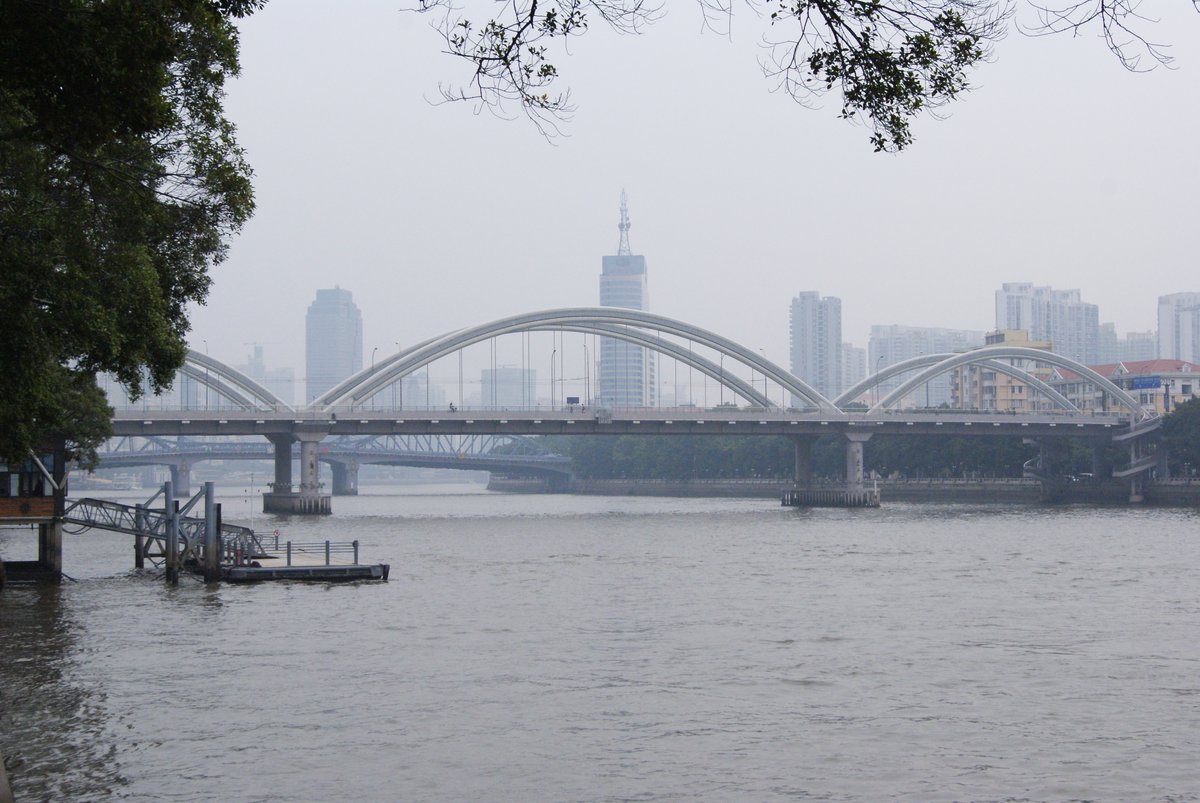
Haizhu Bridge stands as one of Guangzhou’s most enduring and emblematic landmarks, a vital artery spanning the Pearl River that not only connects the Haizhu…

Guangzhou Opera House

Guangzhou Opera House

The Guangzhou Opera House stands as one of the most iconic architectural masterpieces and cultural landmarks in southern China, symbolizing the city’s…

Guangdong Museum of Revolutionary History

Guangdong Museum of Revolutionary History

Nestled in the historic Yuexiu District of Guangzhou, the Guangdong Museum of Revolutionary History stands as a vital cultural institution that chronicles the…

What Makes This City Special

Lingnan Heritage

The Chen Clan Ancestral Hall reveals Guangzhou’s soul through its grey-brick walls covered in thousands of intricate ceramic and wood carvings, while nearby Yongqingfang and Lychee Bay let you wander living Xiguan alleys where Cantonese opera drifts from teahouses. These pockets of old Liwan feel like the city before it became a vertical skyline.

Cantonese Food Capital

Guangzhou remains the place where dim sum was perfected and where morning yum cha still dictates the rhythm of daily life. From the precision of a perfectly steamed har gow to late-night beef chow fun in plastic-chair restaurants, the city’s obsession with freshness and texture is impossible to overstate.

Pearl River Nights

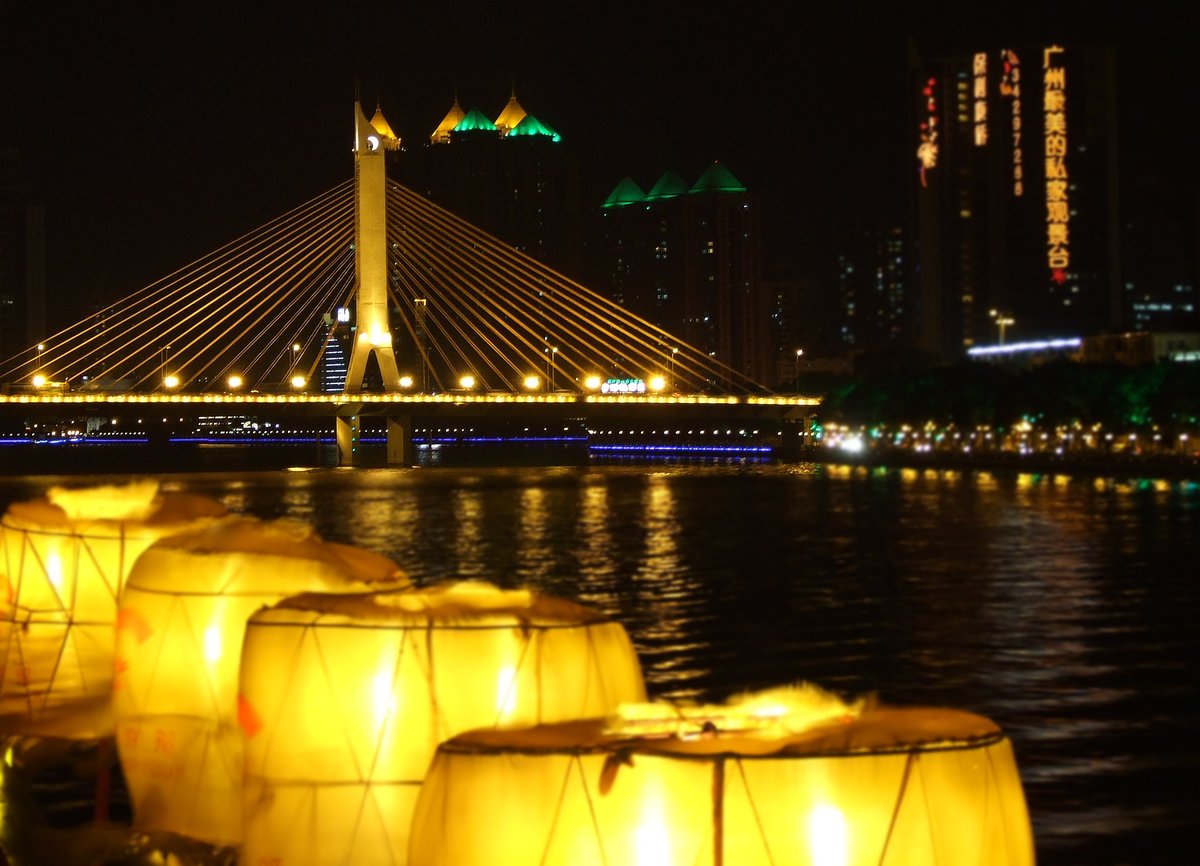
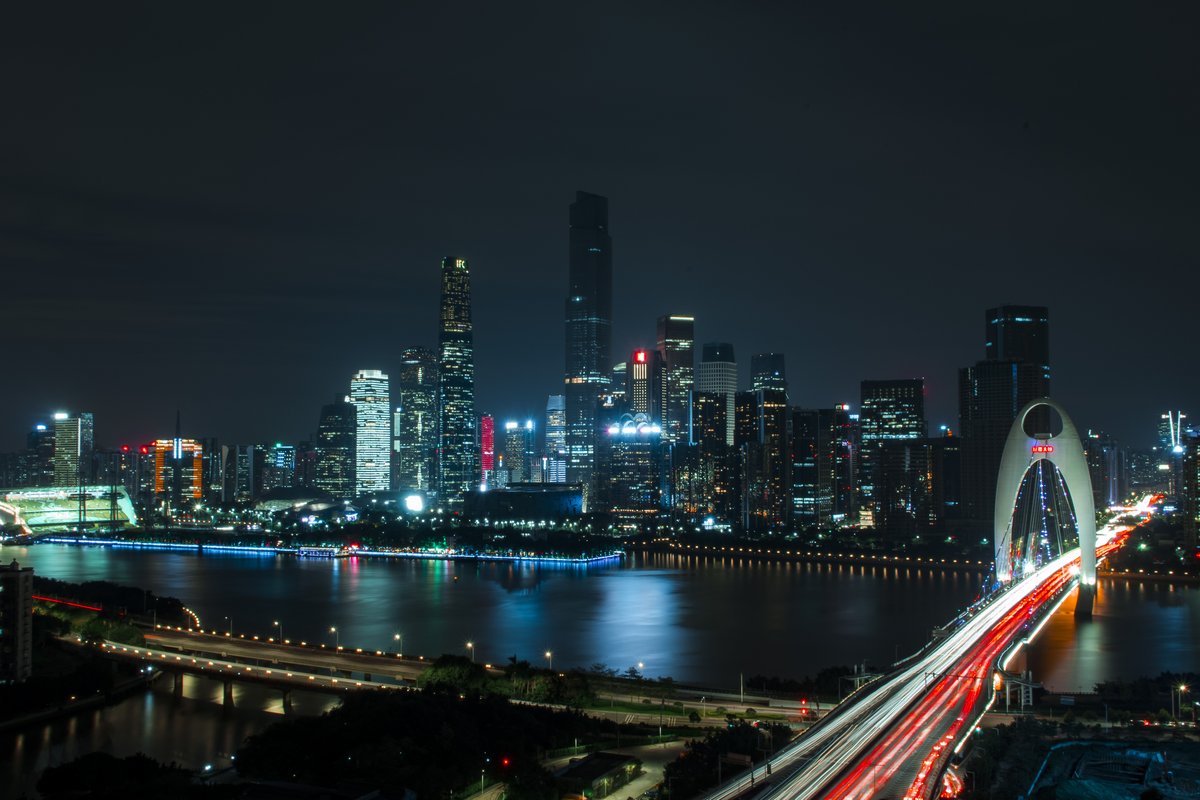
The 600-metre Canton Tower changes color every few minutes while the Pearl River night cruise glides past the illuminated Zaha Hadid Opera House and CTF Finance Centre. Stand on Haixin Bridge at dusk and the entire modern city performs for you.

Urban Escapes

Haizhu Wetland offers bird-filled reed beds minutes from the CBD, while Baiyun Mountain and the South China National Botanical Garden give real scale and subtropical depth. These green lungs remind you that Guangzhou was built on a lush river delta, not concrete alone.

Historical Timeline

From Five Goats to Pearl River Skyscrapers

2,200 years as southern China's restless gateway

castle
214 BCE

Panyu Town is Founded

After conquering the Baiyue peoples, Qin governor Ren Xiao ordered the construction of Panyu on the north bank of the Pearl River. The new walled town quickly became the administrative heart of Nanhai Commandery. Its position at the head of the Pearl River estuary gave it immediate strategic and commercial importance that would define the city for two millennia.

swords
111 BCE

Nanyue Kingdom Falls

Han armies captured the Nanyue capital at Panyu after a brief but fierce campaign. The autonomous southern kingdom founded by Zhao Tuo was absorbed into the Han empire. The event ended local Yue independence but confirmed Guangzhou’s role as the empire’s southernmost major outpost.

person
137 BCE

Zhao Tuo's Legacy

Zhao Tuo, the Qin general who declared himself King of Nanyue, died in Panyu after ruling for nearly a century. Though not born in the city, he made it his capital and shaped its early identity as a hybrid Chinese-Yue realm. His tomb, discovered in 1983, still reveals the opulence and cultural fusion of that first golden age.

gavel
226 CE

The City Receives Its Name

Eastern Wu established the Guang Prefecture with its seat at Panyu, and the name Guangzhou was born. The new administrative title reflected the city’s growing importance as a maritime gateway. Buddhist and foreign merchant communities were already flourishing along the riverfront.

church
537 CE

Temple of the Six Banyans Founded

The Buddhist monk Tanyu built what would become Guangzhou’s most famous temple. Its bright red pagoda still dominates the old city skyline. The temple survived multiple fires and rebuilds, becoming a living witness to the city’s layered religious history.

swords
758 CE

Arab and Persian Raiders Sack the Port

During Tang unrest, foreign merchants from the Persian Gulf attacked and looted Guangzhou. The raid exposed both the city’s wealth and its vulnerability. It was a brutal reminder that the Maritime Silk Road brought danger as well as riches.

local_fire_department
879 CE

Huang Chao Massacre

Rebel leader Huang Chao captured Guangzhou and slaughtered thousands of foreign merchants, according to Arabic accounts. The massacre severely damaged the city’s international trade networks. Recovery took decades, but the event became part of the city’s collective memory of trauma and resilience.

castle
1097

Flower Pagoda Rises

The nine-storey Flower Pagoda was completed at the Temple of the Six Banyans during the Song dynasty. Standing 57 metres tall, its distinctive vermilion exterior became one of Guangzhou’s most recognisable landmarks. The pagoda still offers some of the best views over the old city.

castle
1380

Zhenhai Tower Guards the City

The Ming dynasty constructed the five-storey Zhenhai Tower on the city’s northern ridge. Nicknamed the “Five-Storey Tower,” it served both military and symbolic purposes. Today it houses the Guangzhou Museum and remains one of the most photographed symbols of old Guangzhou.

flight
1685

British East India Company Arrives

The British East India Company established its first factory in Guangzhou. Annual trading voyages began soon after. This marked the beginning of the city’s transformation into China’s primary window on the West under the restrictive Canton System.

swords
1839

Opium Crisis Ignites

Imperial Commissioner Lin Zexu arrived in Guangzhou and ordered the destruction of over 20,000 chests of British opium. The dramatic public burning on the riverbank triggered the First Opium War. Guangzhou would never again enjoy its monopoly on legal foreign trade.

castle
1859

Shamian Island Concession Created

After the Second Opium War, a sandbank in the Pearl River was ceded to Britain and France. European-style buildings soon rose along its tree-lined streets. Shamian became a quiet colonial enclave that still feels worlds away from the surrounding Cantonese city.

church
1861

Sacred Heart Cathedral Begins

Construction started on the all-granite Gothic cathedral in the heart of old Guangzhou. French missionaries oversaw the project, which took 27 years to complete. Its twin spires still dominate the Yuexiu skyline, a striking reminder of the treaty-port era.

castle
1894

Chen Clan Ancestral Hall Completed

The magnificent Chen Clan Academy, covered in intricate Lingnan carvings and ceramic sculptures, was finished. It served as both ancestral hall and school for the Chen lineage. Today it houses the Guangdong Folk Arts Museum and remains the finest example of late Qing Cantonese craftsmanship.

swords
1911

Guangzhou Uprising

Revolutionaries led by Huang Xing launched a daring but failed assault on the Qing garrison. Though militarily unsuccessful, the uprising became a heroic prelude to the Xinhai Revolution later that year. The Yellow Flower Mound graves of the martyrs remain a powerful revolutionary shrine.

person
1925

Sun Yat-sen Makes Guangzhou His Base

Sun Yat-sen used Guangzhou as the revolutionary laboratory for his reorganized Kuomintang. Here Chiang Kai-shek, Mao Zedong, and Zhou Enlai all began their political careers. The city became the incubator of modern Chinese politics.

castle
1931

Sun Yat-sen Memorial Hall Opens

The grand octagonal hall designed by architect Lu Yanzhi was completed. Its blue-tiled roof and 4,700-seat auditorium became a symbol of Republican Guangzhou. The building still hosts major civic events and concerts.

swords
1938

Japanese Occupation Begins

After months of devastating air raids, Japanese forces captured Guangzhou. The city suffered heavily during the occupation until 1945. Many historic areas were reduced to rubble, leaving scars that shaped the postwar rebuilding.

factory
1957

First Canton Fair Opens

China’s flagship trade fair launched on 25 April in the newly built Sino-Soviet Friendship Building. It became the country’s primary channel for foreign trade during the Cold War years. The fair still draws tens of thousands of international buyers every year.

flight
1997

Metro Era Begins

Guangzhou Metro Line 1 opened, making the city the fourth in mainland China with an underground system. The sleek new network rapidly transformed daily life in a city long defined by crowded surface streets and river traffic.

public
2010

Canton Tower and Asian Games

The 600-metre Canton Tower opened just in time for the 16th Asian Games. Its illuminated night profile and bubble tram became instant symbols of the new Guangzhou. The games marked the city’s confident arrival as a modern global metropolis.

palette
2010

Zaha Hadid's Opera House

The futuristic Guangzhou Opera House designed by Zaha Hadid opened in Zhujiang New Town. Its twin “pebbles” quickly became one of the most distinctive cultural buildings in China. The complex helped shift the city’s cultural centre eastward.

person
2019

I.M. Pei, Son of Guangzhou

I.M. Pei, born in Guangzhou in 1917, passed away at 102. Though he left as a child, the city always claimed the architect of the Louvre Pyramid and Bank of China Tower as one of its own. His work helped shape how modern Chinese cities imagined their future.

castle
2025

New Heritage Master Plan

The municipal government approved an ambitious new Master Plan for the Protection of Guangzhou as a Historic and Cultural City. At the same time, the Bai’etan Greater Bay Area Art Center opened, showing the city’s continued effort to balance breakneck development with its deep Lingnan roots.

schedule
Present Day

Plan your visit

Practical guides for Guangzhou — pick the format that matches your trip.

Practical Information

flight

Getting There

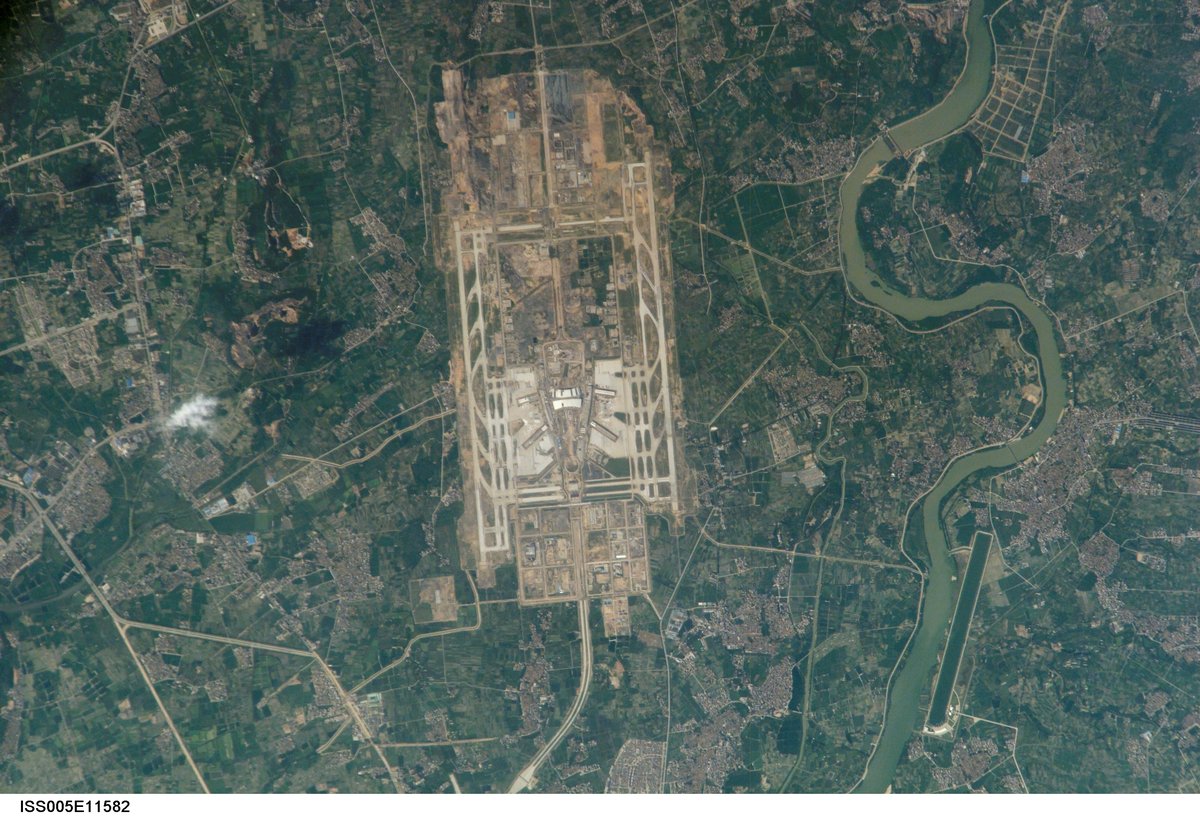
Guangzhou Baiyun International Airport (CAN) operates from three terminals after the 2025–2026 expansion, with international flights now concentrated in the new Terminal 3. High-speed trains arrive at Guangzhou South Railway Station and Guangzhou East Railway Station, both major hubs connected directly to the metro. The Guangzhou East Ring intercity railway provides the fastest link from the city to Baiyun Airport East Station (T3).
directions_transit

Getting Around

The Guangzhou Metro network spans 768 km with 16 lines as of 2026; Lines 1–3 and the APM are most useful for visitors. Since October 2025 you can tap foreign Visa, Mastercard, or Amex cards directly at gates, or buy a CNY 20 one-day or CNY 50 three-day pass. Yang Cheng Tong cards (CNY 20 deposit) also work on buses, the Haizhu Tram, and ferries.

thermostat

Climate & Best Time

Guangzhou has a humid subtropical climate with very hot, wet summers (July/August average 34°C/26°C and heavy rain) and mild winters (January 19°C/10°C). The sweetest window is October to early December when humidity drops and rainfall is minimal. Avoid May–June if you dislike monsoon-level downpours.

translate

Language & Currency

Cantonese is the local language, though Mandarin works everywhere and English is limited outside major hotels and the Canton Tower area. Currency is Renminbi (CNY). Overseas cards are accepted in tourist zones, airports, and malls, but carrying some small cash remains wise for older eateries and markets.

Where to Eat

local_dining

Don't Leave Without Trying

Yum cha (dim sum) — shrimp dumplings, chicken feet, egg tarts, steamed pork ribs Cheung fun (rice noodle rolls) — silky steamed rolls served with soy sauce Wonton noodles — springy noodles in a rich broth with tender wontons Double-skin milk — a creamy Cantonese dessert made from fresh milk and egg white Fish skin — crispy, savory snack unique to Guangzhou street food Roast goose — perfectly glazed and carved, a showstopper at any Cantonese table Claypot dishes — rice or noodles cooked in a clay pot with meat, seafood, or vegetables Boat congee — rich rice porridge served with toppings like pork, century egg, and pickled vegetables Ginger milk curd — silky milk dessert with warming ginger flavor Fried mantis shrimp in spiced salt — a crispy, aromatic Cantonese delicacy

Saint Honore Cake Shop

cafe
Bakery €€ star 5.0 (3)

Order: Croissants and house-made pastries — this is the kind of spot where locals queue for fresh-baked goods in the morning.

Saint Honore has the reputation of a serious Guangzhou bakery, with perfect 5-star ratings. It's the real deal for pastry lovers who want to taste what the city's cafe scene is actually built on.

Meixin Western Cake

cafe
Bakery €€ star 5.0 (1)

Order: Western-style cakes and baked goods — a neighborhood fixture for anyone exploring the Xihu Lu cafe corridor in Yuexiu.

Located in the heart of Guangzhou's specialty coffee and bakery district, Meixin is a local favorite for quality Western cakes without the hotel markup.

McCafe

quick bite
Cafe €€ star 5.0 (1)

Order: Espresso drinks and pastries — reliable, accessible, and right on Beijing Road for a quick caffeine stop.

A convenient central location on Beijing Road for visitors needing a familiar coffee stop between exploring the nearby Huifu East Road snack scene.

Coffee

cafe
Cafe €€ star 4.5 (2)

Order: Specialty coffee drinks — a local spot that keeps it simple and does it well.

Tucked on Jiefang Bei Lu in central Yuexiu, this is the kind of neighborhood coffee place where Guangzhou locals actually spend their afternoons.

星巴克

quick bite
Cafe €€ star 4.2 (6)

Order: Seasonal Starbucks drinks — a reliable central location if you need a familiar coffee break while shopping Beijing Road.

Prime Beijing Road location with solid reviews; useful as an anchor point if you're doing the Huifu East Road snack crawl nearby.

Pacific Coffee

cafe
Cafe €€ star 4.0 (6)

Order: Hand-brewed specialty coffee — a more local alternative to the big chains, with a solid following in Yuexiu.

Pacific Coffee has earned trust from Guangzhou regulars as a quality independent cafe option in the central business district.

Huixi Snack Shop

local favorite
Restaurant €€ star 4.0 (4)

Order: Local snacks and light Cantonese fare — exactly the kind of neighborhood spot where Guangzhou people grab breakfast or a casual lunch.

Huixi sits on Zhongshan Liu Lu with a solid local following; it's the real thing if you want to eat where Guangzhou residents actually eat.

Guangzhou Mansion Hall

quick bite
Bar €€ star 5.0 (3)

Order: Cocktails and drinks — a central location for an evening drink if you're exploring Beijing Road.

Located inside Guangzhou Mansion with perfect ratings, it's a solid choice for a drink in the heart of the business district.

info

Dining Tips

  • check Guangzhou dining culture runs on 'three teas and two meals': morning tea, lunch, afternoon tea, dinner, and night tea. Dim sum is best enjoyed during morning tea (7:00–11:30 AM) or noon tea (11:30–2:30 PM).
  • check Lunch is typically served 12:00–2:00 PM; arrive early for the best selection at dim sum restaurants.
  • check Xihua Road breakfast corridor is strongest 8:00–10:00 AM; quieter 3:00–5:00 PM.
  • check Qingping Market (daily 9:00 AM–5:00 PM) is the place to explore dried seafood and Chinese medicinal ingredients — essential for understanding Guangzhou's ingredient culture.
  • check Huifu East Road and Shangxiajiu Pedestrian Street offer 24-hour snack-hopping opportunities; evening brings the most energy.
  • check Many local favorites operate multiple dim sum seatings per day; check specific restaurant timings for your preferred service.
  • check Beijing Road is dense with central snacking options and cafes — ideal for a street-food crawl between shopping.
Food districts: Liwan / Xiguan / Shangxiajiu — the heart of old Guangzhou food culture, with teahouses, classic snack shops, and Lingnan architecture. This is where locals actually eat dim sum and sweets. Beijing Road / Huifu East Road — a dense central corridor for street snacks, local and broader Asian choices, and quick bites. Shamian — slower, prettier meals with hotel dining and teahouse options overlooking the river. Dongshankou / Zhongshan 6th Road / Donghua East Road — specialty coffee, independent bakeries, and cafe-hopping in low-rise neighborhoods favored by younger Guangzhou residents. Xihua Road — a street-food corridor for beef offal, rice rolls, sweet soups, and noodle shops; strongest in the morning. Tianhe / Zhujiang New Town — high-end Cantonese, business dinners, and hotel fine dining for polished modern experiences.

Restaurant data powered by Google

Tips for Visitors

wb_sunny
Visit in November

November offers 26°C days, only 41 mm of rain, and far lower humidity than the May–September monsoon season. Book October–December to avoid the worst heat and flooding.

credit_card
Tap Foreign Cards

Since October 2025 Guangzhou Metro accepts contactless Visa, Mastercard, and Amex at every gate. Buy a CNY 20 One-Day Pass or simply tap your card for seamless travel.

directions_bus
Use DiDi in English

Download DiDi before arrival. It now supports full English interface, overseas phone registration, and international card payments with built-in translation.

restaurant
Cash for Small Eats

Carry small RMB notes for street stalls, traditional teahouses in Liwan, and older Cantonese restaurants. Mobile payment dominates but cash remains essential in backstreets.

hiking
Haizhu Wetland Escape

When the Pearl River skyline overwhelms, take Metro Line 11 or the Haizhu Tram to Haizhu Wetland. Locals go for birdlife and calm among restored mangroves.

volume_off
Mind the Crowds

Beijing Road, Canton Tower, and Zhujiang New Town stations get extremely packed. Keep valuables in front pockets and avoid rush hours (7:30–9:00 and 17:30–19:00).

Explore the city with a personal guide in your pocket

Your Personal Curator, in Your Pocket.

Audio guides for 1,100+ cities across 96 countries. History, stories, and local insight — offline ready.

smartphone

Audiala App

Available on iOS & Android

download Download Now

Join 50k+ Curators

Frequently Asked

Is Guangzhou worth visiting? add

Yes, Guangzhou is worth visiting if you want the real Cantonese heart of southern China rather than the polished facades of Shenzhen or Hong Kong. Its mix of 2,200-year-old Nanyue tombs, ornate Lingnan architecture, living Cantonese opera, and dramatic Pearl River skyline offers a layered experience few other Chinese cities match.

How many days do I need in Guangzhou? add

Plan 3–5 days. Three days covers Canton Tower, Chen Clan Ancestral Hall, Shamian Island, and a Pearl River night cruise. Five days lets you explore Liwan’s backstreets, Dongshankou’s Republican villas, Haizhu Wetland, and a day trip to Foshan or Kaiping Diaolou.

What's the best time to visit Guangzhou? add

The best time is October to December, especially November. Temperatures average 26°C with minimal rain and lower humidity. Avoid May–September when rainfall peaks and the heat becomes oppressive.

Is Guangzhou safe for tourists? add

Guangzhou is generally safe for tourists. The main risks are pickpocketing in crowded metro stations and traffic hazards because pedestrians rarely have right of way. Carry your passport and use the 960169 multilingual hotline if needed.

How do I get from Guangzhou airport to the city? add

For Terminal 3, take the Guangzhou East Ring intercity railway to Baiyun Airport East Station. Alternatively use Metro Line 3 to Gaozeng then the T3 shuttle bus (CNY 2). Free 24-hour shuttles connect all three terminals.

Is Guangzhou good for families? add

Yes, especially if your family enjoys theme parks or animals. Chimelong Safari Park and the water park in Panyu are major draws. Older children also enjoy the bubble tram on Canton Tower and boat rides on the Pearl River.

Sources

Last reviewed:

All Places to Visit

88 places to discover

Citic Plaza

Citic Plaza

South China Botanical Garden, Chinese Academy of Sciences

South China Botanical Garden, Chinese Academy of Sciences

Huaisheng Mosque

Huaisheng Mosque

Canton Tower

Canton Tower

Guangxiao Temple

Guangxiao Temple

photo_camera

Humen Pearl River Bridge

Leatop Plaza

Leatop Plaza

Zhenhai Tower

Zhenhai Tower

Ctf Finance Centre

Ctf Finance Centre

Haizhu Bridge

Haizhu Bridge

Guangzhou Opera House

Guangzhou Opera House

Guangdong Museum of Revolutionary History

Guangdong Museum of Revolutionary History

Baiyun Mountain

Baiyun Mountain

photo_camera

Nansha Bridge

Zhujiang Bridge

Zhujiang Bridge

Site of King'S Tomb, Nanyue King Museum

Site of King'S Tomb, Nanyue King Museum

Temple of the Six Banyan Trees

Temple of the Six Banyan Trees

Chen Clan Academy star Top Rated

Chen Clan Academy

Chimelong Safari Park

Chimelong Safari Park

People'S Park (Guangzhou)

People'S Park (Guangzhou)

Huangpu Bridge

Huangpu Bridge

Sacred Heart Cathedral

Sacred Heart Cathedral

photo_camera

Xinguang Bridge

photo_camera

Renwei Temple

Guangdong Museum

Guangdong Museum

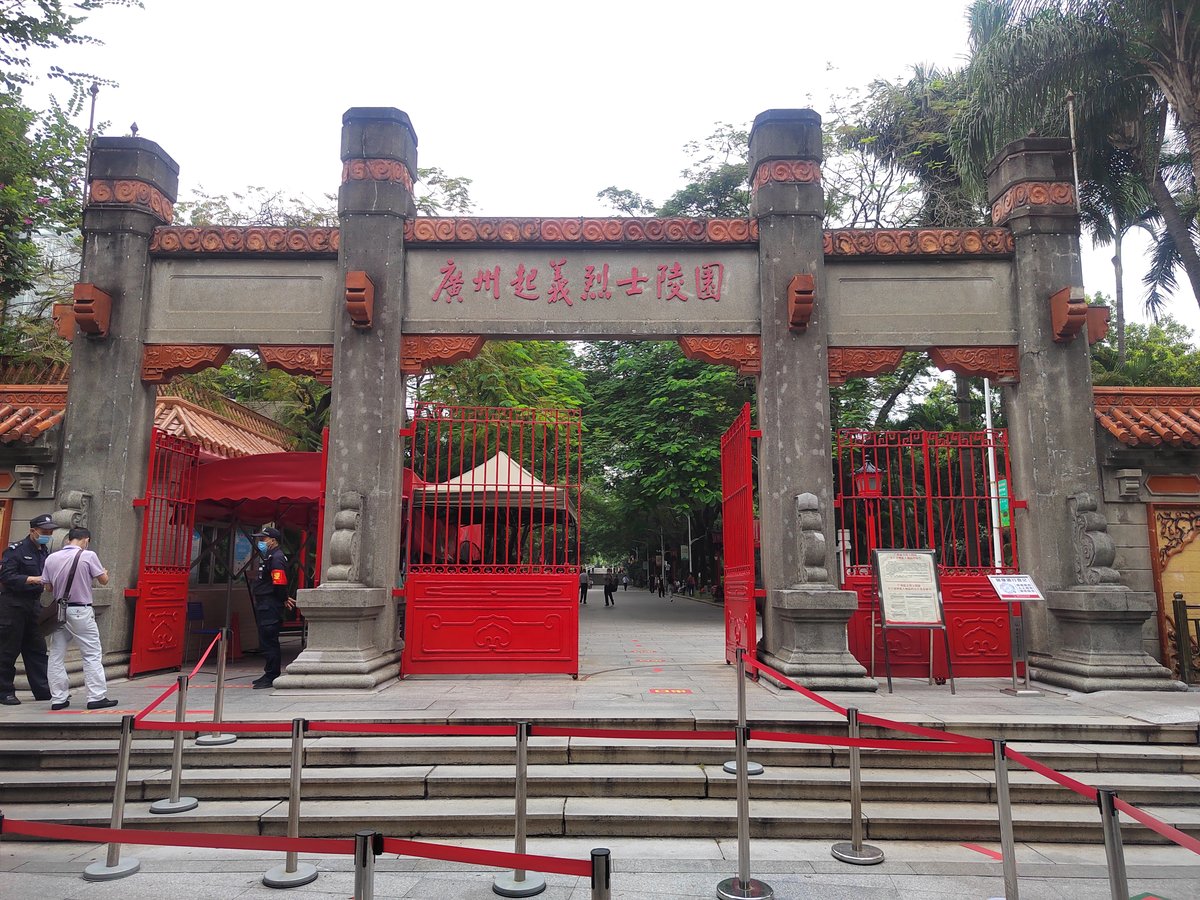
Guangzhou Insurrectional Martyr Cemetery Park

Guangzhou Insurrectional Martyr Cemetery Park

Haiyin Bridge

Haiyin Bridge

Jiefang Bridge

Jiefang Bridge

photo_camera

Hedong Bridge

photo_camera

Panyu Confucian Temple

photo_camera

Yajisha Bridge

Chimelong Paradise

Chimelong Paradise

photo_camera

Luoxi Bridge

Pazhou Pagoda

Pazhou Pagoda

Haixin Bridge

Haixin Bridge

photo_camera

Southern Han Dynasty Mausoleum Museum

Huacheng Square

Huacheng Square

Canton Tower Wharf

Canton Tower Wharf

Dafo Temple

Dafo Temple

Guangzhou Baiyun International Airport

Guangzhou Baiyun International Airport

Hualin Temple

Hualin Temple

Liede Bridge

Liede Bridge

photo_camera

Zhuguang Subdistrict

Luhu Park

Luhu Park

Guangzhou International Finance Center

Guangzhou International Finance Center

Port of Guangzhou

Port of Guangzhou

Guangdong Olympic Stadium

Guangdong Olympic Stadium

Tianhe Stadium

Tianhe Stadium

photo_camera

Guangzhou Chimelong Tourist Resort

Guangzhou Higher Education Mega Center

Guangzhou Higher Education Mega Center

Yuexiushan Stadium

Yuexiushan Stadium

photo_camera

Guangzhou Gymnasium

photo_camera

Baoneng Guangzhou Arena

Grand International Mansion

Grand International Mansion

Fortune Center

Fortune Center

Taikoo Hui Guangzhou

Taikoo Hui Guangzhou

photo_camera

Yuyin Shanfang

Oi Kwan Hotel

Oi Kwan Hotel

Chigang Pagoda

Chigang Pagoda

photo_camera

Henry Fok Stadium

photo_camera

Yanzigang Stadium

photo_camera

Guangzhou Zoo

Five-Ram Sculpture

Five-Ram Sculpture

Department of Finance of Guangdong Province

Department of Finance of Guangdong Province

Pearl River Tunnel

Pearl River Tunnel

photo_camera

Guangzhou Baiyun International Convention Center

Beijing Subdistrict, Guangzhou

Beijing Subdistrict, Guangzhou

Guangdong Science Center

Guangdong Science Center

Tao Tao Ju

Tao Tao Ju

Xinghai Concert Hall

Xinghai Concert Hall

photo_camera

Yongqingfang

photo_camera

Renhe

Tomb of Zhao Mo

Tomb of Zhao Mo

The Site of the Sluice of the State of Nanyue

The Site of the Sluice of the State of Nanyue

photo_camera

Wenquan

photo_camera

Wanmu Caotang

photo_camera

Baiyun Hotel

photo_camera

Relic of Yaozhou

photo_camera

Chebei South Tunnel

Xintangzhen

Xintangzhen

Guangdong Examination Hall in Fendal China

Guangdong Examination Hall in Fendal China

Guangdong International Building

Guangdong International Building

photo_camera

Xinlong

Nanfang Building

Nanfang Building

photo_camera

Jiulong

photo_camera

Former Guangdong Peasants' Association

photo_camera

Lutian Town

photo_camera

Zohngxin Town, Zengcheng