Historical Background and Cultural Significance
Origins and Evolution
Zhang Fei Temple, also known as Zhang Huanhou Temple, was constructed to commemorate General Zhang Fei of the Shu Han state during the Three Kingdoms era (220–280 CE). Its original site was at the foot of Feifeng Mountain, overlooking the Yangtze River. Over centuries, the temple underwent multiple renovations, most notably during the Qing dynasty, reflecting evolving dynastic influences and architectural advancements (chinaadvent.com, chinafacttours.com).
The Legend of Zhang Fei
General Zhang Fei is immortalized in Chinese history and literature, particularly in Romance of the Three Kingdoms. Renowned for his valor and loyalty, Zhang Fei’s memory is honored at the temple, which, according to legend, was built at the site where his head was hidden after his assassination. This deep-rooted veneration reflects traditional Chinese practices of honoring historical heroes as models of virtue (ichongqing.info).
Architectural and Artistic Heritage
The temple complex is lauded for its harmonious integration with the mountainous landscape above the Yangtze River. Key structures include:
- Main Hall Houses a grand statue of Zhang Fei, serving as the spiritual focal point.
- Jieyi Tower Commemorates the famous Oath of the Peach Garden, symbolizing brotherhood between Zhang Fei, Liu Bei, and Guan Yu.
- Pavilions and Memorial Halls Honor poets and historical figures, such as Du Fu, who resided here for two years (chinafacttours.com).
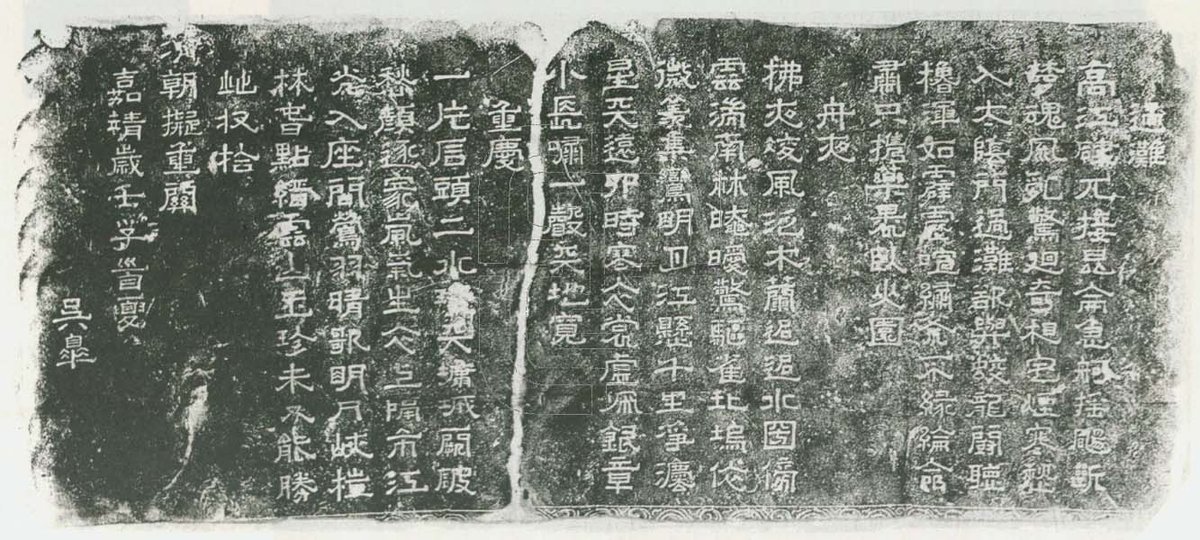
The temple is renowned for its “three unparalleleds”—unique articles, calligraphy, and engravings. Its halls house rare calligraphy by luminaries such as Yue Fei and Su Shi, as well as a rich array of stone carvings, woodcuts, and paintings (ichongqing.info).
Relocation and Preservation
The construction of the Three Gorges Dam necessitated an ambitious relocation of Zhang Fei Temple. Guided by international heritage principles, the temple was painstakingly dismantled and reconstructed on higher ground, preserving its original layout and historical context (accscience.com). This project is regarded as a model for cultural preservation amid modern infrastructure development.
Visiting Zhang Fei Temple: Practical Information
Visiting Hours & Ticketing
- Opening Hours Daily, 8:00 AM – 6:00 PM (chinatravel.com)
- Admission Fee 32–60 yuan per adult (varies by season and ticketing source)
- Discounts Available for seniors, children, students, and people with disabilities (valid ID required)
- How to Purchase Tickets can be bought on-site or through official tourism websites. Passport required for purchase.
Getting There & Accessibility
- Location Feifeng Mountain, Yunyang County, Chongqing
- By Public Transport Take intercity buses from Chongqing to Yunyang County, then local taxis or shuttle buses to the temple.
- By River Yangtze River cruises often include a stop at Yunyang; from the port, local transport is available.
- By Car Accessible via expressways; free parking is available.
- Accessibility The temple has ramps and handrails; however, due to its hillside setting, some steep areas make full accessibility challenging. Wheelchair rentals and assistance are available at the visitor center.
Facilities and Amenities
- Restrooms Available on-site (bring personal supplies as amenities can be basic)
- Shops & Souvenirs Vendors sell snacks, bottled water, and themed memorabilia
- Food Limited options at the site; Yunyang County offers a wide range of local cuisine
- Guided Tours Offered in English and Mandarin, available at the entrance or pre-booked online
Safety and Etiquette
- Stay on designated paths, as the temple is situated on a slope
- Smoking is prohibited to protect the historic wooden structures
- Respect religious spaces and avoid loud behavior
- Modest attire and comfortable shoes are recommended
- Outdoor photography is allowed; avoid flash and filming during ceremonies
Highlights and Visitor Experience
Main Structures and Artistic Treasures
- Main Hall Features a striking statue of Zhang Fei and walls adorned with murals and calligraphy.
- Jieyi Tower Celebrates the Oath of the Peach Garden, symbolizing loyalty and brotherhood.
- Deyue and Zhufeng Pavilions Offer panoramic river views and tranquil settings for reflection.
- Forest of Steles Home to over 170 inscribed stone tablets by renowned poets and calligraphers.
- Museum Exhibits artifacts such as Zhou dynasty bells, bronze swords, pottery, and jade relics—some dating back thousands of years (chinatravel.com).
Special Events and Festivals
- Zhangwang Fair Held annually on the 27th day of the eighth lunar month, featuring traditional performances, sacrificial ceremonies, and local festivities (TravelChinaGuide).
- Cultural Workshops Calligraphy and painting demonstrations are occasionally offered during festivals.
Nearby Attractions
- Yangtze River and Three Gorges Scenic cruises and river walks
- Yunyang Ancient Town Explore traditional architecture and local markets
- Longgang National Geological Park Famous for dramatic karst landscapes and a glass skywalk (Loongwander)
- Dazu Rock Carvings UNESCO World Heritage site known for intricate Buddhist sculptures (ChinaCultureTour)
- Chongqing Urban Attractions Hongya Cave and the Yangtze River Cableway offer unique city experiences
Travel Tips & FAQs
Best Times to Visit
- Spring (March–May) Pleasant weather, blooming flowers
- Autumn (September–November) Mild temperatures, vibrant scenery
- Avoid Summer (hot, humid); major Chinese holidays (crowds)
Practical Tips
- Bring your passport for ticketing and entry
- Download translation apps as English signage is limited
- Carry some cash for small vendors; mobile payments are widely accepted
- Wear comfortable shoes for walking on uneven paths
FAQs
Q: What are Zhang Fei Temple’s visiting hours?
A: 8:00 AM – 6:00 PM daily.
Q: How much are tickets?
A: 32–60 yuan per adult, with discounts for eligible groups.
Q: Is the temple accessible for people with mobility issues?
A: Some areas are accessible, but the terrain is hilly and may be challenging for those with limited mobility.
Q: Are guided tours available?
A: Yes, in Mandarin and English; booking in advance is recommended during peak seasons.
Q: Can I take photos?
A: Yes, except during religious ceremonies or in restricted areas.