What Southwest University of Political Science and Law is
Southwest University of Political Science and Law (SWUPL), based in Chongqing, China, is a prominent institution of legal education and Chinese cultural heritage. Its two main campuses, in Yubei and Shapingba districts, serve as educational hubs and cultural landmarks.
History
Founded in 1950, SWUPL is recognized as one of China’s earliest and most prestigious universities specializing in law and political science. It has played a pivotal role in Chinese legal education and reforms, and its contribution to shaping the country’s legal system and promoting the rule of law is widely acknowledged.
The university’s history is reflected in its mix of traditional and modern architecture, memorials, and monuments. The SWUPL Monument commemorates the university’s contributions to legal education and reform since its establishment in 1953. It features inscriptions and sculptures depicting the university’s history and role in China’s legal development (https://study.ichongqing.info/institution/detail?id=5).
What to see
Campus architecture and landmarks
The campuses combine red-brick buildings, traditional Chinese gates and stone tablets, and contemporary educational facilities. Tree-lined walkways and open courtyards create an academic and community atmosphere (Mabumbe).
The main entrance features a university gate and a stone tablet inscribed by Guo Moruo, commemorating the university’s origins. Statues across campus honor influential figures in Chinese legal history, including General Zhou Baozhong. The central lake and surrounding gardens have walking paths and seating areas.
Law School Complex
The Law School Complex, an A-level discipline in China, includes state-of-the-art moot courtrooms, lecture halls, and seminar rooms. It is recognized nationally and ranks alongside top Chinese law faculties (College-cn).
Library and research institutes
The university library has extensive collections of legal texts and digital resources. SWUPL is also home to the Ministry of Education National and Regional Research Center and the Chinese Law Society Rule of Law Research Base. These institutes frequently organize public lectures, seminars, and exhibitions (College-cn).
Art, culture, and social spaces
The University Auditorium hosts cultural events, performances, and guest lectures, some open to the public. The Student Activity Center is a hub for exhibitions, debates, and cultural festivals. Campus facilities also include traditional cafeterias, modern coffee shops, and a bookstore selling academic texts and souvenirs.
SWUPL Monument
Centrally located on campus, the monument commemorates SWUPL’s role in legal education and reform. Its area hosts events on university anniversaries and national legal holidays, including performances, lectures, and exhibitions.
Practical visiting information
Location and access
- Yubei Campus is in Yubei District and is accessible via Chongqing Metro Line 3 and various bus routes.
- Shapingba Campus is in Shapingba District and is also served by public transportation.
- From Chongqing Jiangbei International Airport, take Metro Line 3 for Yubei Campus, or transfer to Line 1 for Shapingba Campus.
Visiting hours
- General campus hours 8:00 AM–6:00 PM daily.
- SWUPL Monument 8:30 AM–5:30 PM daily.
- Libraries, museums, and administrative offices may have separate or more restricted hours; consult the official SWUPL website for details.
Admission and tours
- Campus entry Free for all visitors.
- SWUPL Monument admission Free of charge.
- Some special exhibitions or guided tours may require advance booking or a nominal fee.
- Guided tours can be arranged through the university’s International Education Institute, offering historical context and access to restricted areas.
Accessibility
Both campuses have accessible pathways, ramps, and elevators. Visitors with mobility needs can request assistance in advance. The campus also has bilingual signage.
Photography and events
Photography is encouraged at the monument, especially in the morning and late afternoon for optimal lighting. Observe any posted restrictions. Outdoor photography is allowed on campus, while restrictions may apply indoors.
Many public lectures and events are open to visitors; check the event calendar. Some auditorium events are also open to the public.
Tips for visitors
- Best seasons Spring (March–May) or autumn (September–November), when the weather is pleasant.
- Transportation Chongqing’s metro and bus lines provide access to both campuses.
- Local cuisine Try Chongqing hotpot and street snacks near the university and city attractions.
- Visitor etiquette Dress modestly, maintain quiet behavior, and seek permission before entering classrooms or offices.
- For current visitor guidelines, tour arrangements, and updates, consult the official SWUPL website and other informational portals. The Audiala app offers virtual tours; social media is another way to stay connected for updates on SWUPL and Chongqing’s historical landmarks.
Nearby places
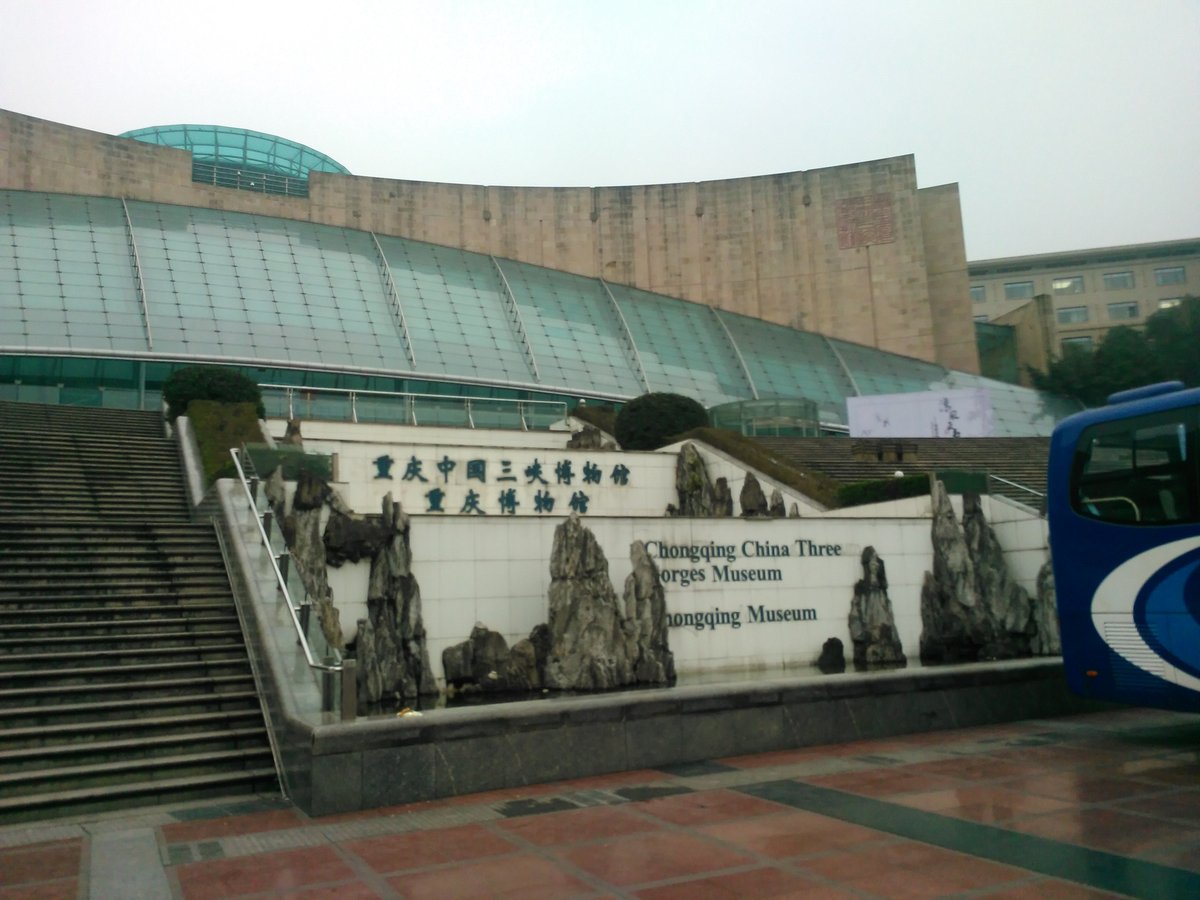
- Three Gorges Museum Learn about the Yangtze River and regional history.
- Ci Qi Kou Ancient Town See traditional architecture, street food, and crafts.
- People’s Liberation Monument (Jiefangbei) A central urban landmark in Chongqing.
- Yangtze River Cableway Take in aerial views of the city and river.
- Hongya Cave A traditional riverside stilt house complex with shops and eateries.
Frequently Asked Questions (FAQ)
Q: Are guided tours available at SWUPL?
A: Yes. Guided tours are available and can be arranged in advance.
Q: Is photography allowed on campus?
A: Yes, in outdoor areas. Restrictions may apply indoors.
Q: Can I visit the SWUPL library?
A: The library is open to students and staff; guests may access certain areas with permission.
Q: How do I reach SWUPL from Chongqing Jiangbei International Airport?
A: Take Metro Line 3 for Yubei Campus, or transfer to Line 1 for Shapingba Campus.
Q: Is the campus accessible for those with disabilities?
A: Yes. The campus has ramps, elevators, and bilingual signage.
Q: Are public lectures and events open to visitors?
A: Many events are open to the public; check the event calendar.