Visiting Hours and Ticketing
Station Operating Hours:
- Daily from 6:30 AM to 11:00 PM
- Trains run frequently, with higher frequency during peak hours (7:00–9:00 AM and 5:00–7:00 PM)
Ticket Information:
- Single-ride tickets From ¥2, depending on travel distance
- Chongqing Transportation Card (Yiju Changtong Card) Usable on metro, bus, and ferry, with discounted fares
- Purchase methods Station vending machines (cash, cards, Alipay, WeChat Pay), service counters, or via mobile apps
- Foreign visitors QR code payments accepted via passport-registered apps (Trip.com)
Accessibility:
- Elevators, tactile paving, and ramps available
- Exits A and C are best for wheelchair access
Historical Background and Urban Context
Qixinggang’s roots stretch back to the Zhou Dynasty, when the area formed part of ancient Jiangzhou. Over centuries, it evolved through various administrative changes and gained its “Seven Star Hill” moniker during the Qing Dynasty, referencing both geography and celestial symbolism.
The area around Qixinggang is emblematic of Chongqing’s “8D” cityscape, where steep hills, layered streets, and multi-level buildings create a unique urban environment (The China Journey). Today, Qixinggang is a lively district that blends preserved architecture, bustling markets, and a strong sense of community, making it a microcosm of Chongqing’s broader identity.
Nearby Historical Sites and Attractions
Tongyuan Gate Park (通远门遗址公园)
A short walk from Qixinggang Station, Tongyuan Gate Park preserves a restored section of Chongqing’s ancient city wall, standing for over six centuries. The park features original fortifications, folk sculptures, and interpretive displays explaining the city’s defensive past (Chinatripedia).
- Hours 6:00 AM–9:00 PM, daily
- Admission Free
Shancheng Alley & Heritage Sites
Explore cobblestone streets, traditional stilt houses, and teahouses in the historic Shancheng Alley. The area offers authentic glimpses of local life, artisan shops, and hidden courtyards (The China Journey).
Other Nearby Attractions
- Jiefangbei Pedestrian Street Premier shopping and dining district
- Three Gorges Museum Comprehensive exhibits on Chongqing’s history and the Yangtze River (9:00 AM–5:00 PM, ~¥30 entry)
- Great Hall of the People Landmark of Chongqing’s civic architecture
- Hongya Cave Traditional stilt houses and bustling night market
Station Layout and Facilities
Qixinggang Station is designed to accommodate Chongqing’s mountainous terrain with multiple underground levels and efficient vertical circulation.
-
Platforms
- Line 1: East-West corridor connecting city districts
- Line 10 (future): Direct airport link
-
Facilities
- Bilingual signage (Mandarin/English)
- Color-coded wayfinding
- Elevators, escalators, tactile paving
- Accessible restrooms and waiting areas
- ATMs and convenience stores
- Information desks with multilingual support
- Lost & Found and customer service points
Accessibility and Passenger Services
- Elevators & ramps at main entrances and platforms (best at Exits A & C)
- Tactile paving for visually impaired travelers
- Accessible restrooms on all levels
- Seating and waiting areas for comfort
- Mobile coverage Strong; public Wi-Fi is limited, so a SIM/eSIM is recommended
Safety and Security
- Mandatory baggage and liquid checks at all metro entrances
- Comprehensive CCTV surveillance
- Emergency exits, fire extinguishers, and AEDs clearly marked
- Wide corridors and multiple ticket gates for crowd management, especially during peak hours
Navigation, Signage, and Connectivity
- Bilingual digital displays provide real-time train and schedule updates
- Large area maps near station exits
- Clear transfer corridors between lines, with escalators and moving walkways
- Bus stops and taxi stands adjacent to station
- Mobile navigation Download Baidu Maps or Google Maps (with VPN) for detailed wayfinding
Local Cuisine and Nightlife
Hotpot and Barbecue
Qixinggang is famed for its spicy hotpot and lively barbecue culture. Local favorites include longstanding hotpot restaurants and a 15-year-old barbecue shop in the “Seven Stars” neighborhood, praised for authenticity and value (Trip.com Moments).
- Tip Try street food and barbecue stalls on Lin Hua Road for hidden culinary gems.
Nightlife and Urban Vistas
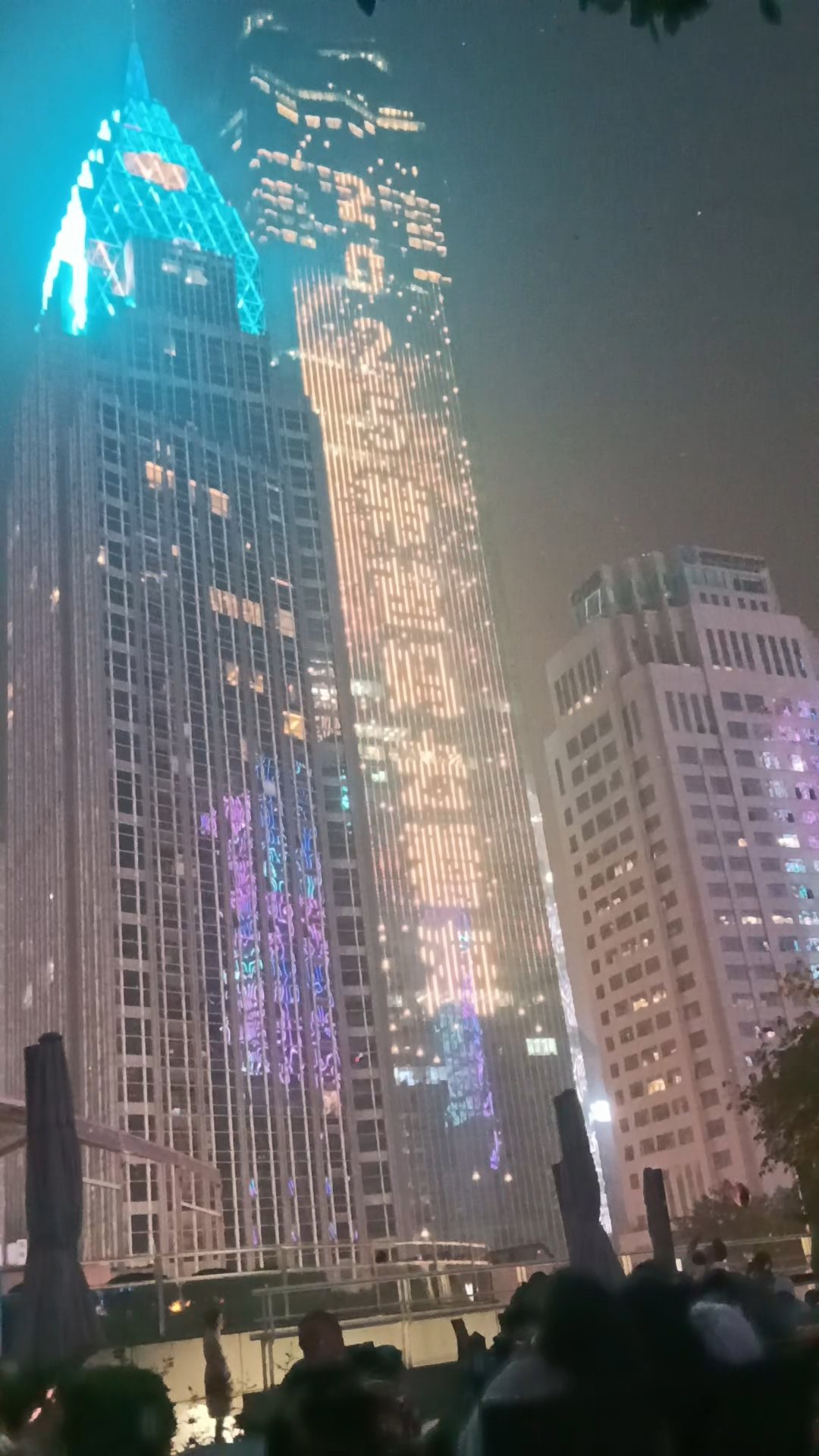
The district buzzes after dark, with neon-lit streets, night markets, and bars. The skyline views are enhanced by weekly drone shows over the Yangtze and Jialing Rivers—a new tradition since April 2025 (iChongqing).
Unique Experiences and Cultural Encounters
- Mountain City Trails Urban hiking routes showcase Chongqing’s “8D” topography (Trip.com Moments)
- Teahouse Culture Relax in traditional teahouses, experiencing local life firsthand
- Cultural Events Regular street festivals, performances, and art installations
Practical Tips for Visitors
- Best Seasons Spring (March–May) and autumn (September–November) offer the best weather (TouristPlaces Guide)
- Language Signage is bilingual, but English is limited outside major sites—bring translation apps or addresses in Chinese
- Mobility Wear comfortable shoes; expect stairs and steep streets
- Payment Carry small change or use mobile payment; transportation cards add convenience
- Safety Area is safe but remain aware of surroundings, especially in crowded spots
Frequently Asked Questions (FAQ)
Q: What are Qixinggang Station’s operating hours?
A: 6:30 AM–11:00 PM daily (TravelChinaGuide).
Q: How do I buy tickets?
A: At vending machines or service counters (cash, card, WeChat Pay, Alipay, transportation card).
Q: Are historical sites free to enter?
A: Many, like Tongyuan Gate Park, are free. Museums may charge (~¥30).
Q: Is the station accessible for disabled passengers?
A: Yes, especially via Exits A and C.
Q: What is the best way to reach Qixinggang Station?
A: Chongqing Metro Line 1, taxi, or rideshare.