Visiting Hours and Ticket Information
- Operating Hours 6:00 AM – 10:30 PM daily (first and last train times may vary slightly by line).
- Ticketing Purchase tickets from vending machines or service counters using cash, UnionPay cards, or mobile payments (Alipay, WeChat Pay). Frequent travelers can use rechargeable transit cards (e.g., Yangtze Card) for discounts and convenience.
- Fares 2–10 RMB, based on travel distance. Single journey tickets, one-day passes (~18 RMB), and transit cards are available.
- Maximum journey duration 180 minutes (additional fee if exceeded).
Accessibility Services
- Facilities Elevators, escalators, tactile paving, accessible restrooms, and priority seating.
- Navigation Bilingual signage (Chinese/English) and clear station announcements.
- Assistance Staff available for help; most commercial zones and main exits are wheelchair accessible, though some older streets and trails may have stairs or uneven paving.
Station Facilities and Services
- Safety Platform screen doors, CCTV, and mandatory security checks.
- Information Real-time train status displays, route maps, and public Wi-Fi (in select areas).
- Convenience Retail shops, food kiosks, ATMs, and public restrooms.
Nearby Attractions and Cultural Sites
Jiefangbei Pedestrian Street & Liberation Monument
- Distance ~5-minute walk from Jiaochangkou Station.
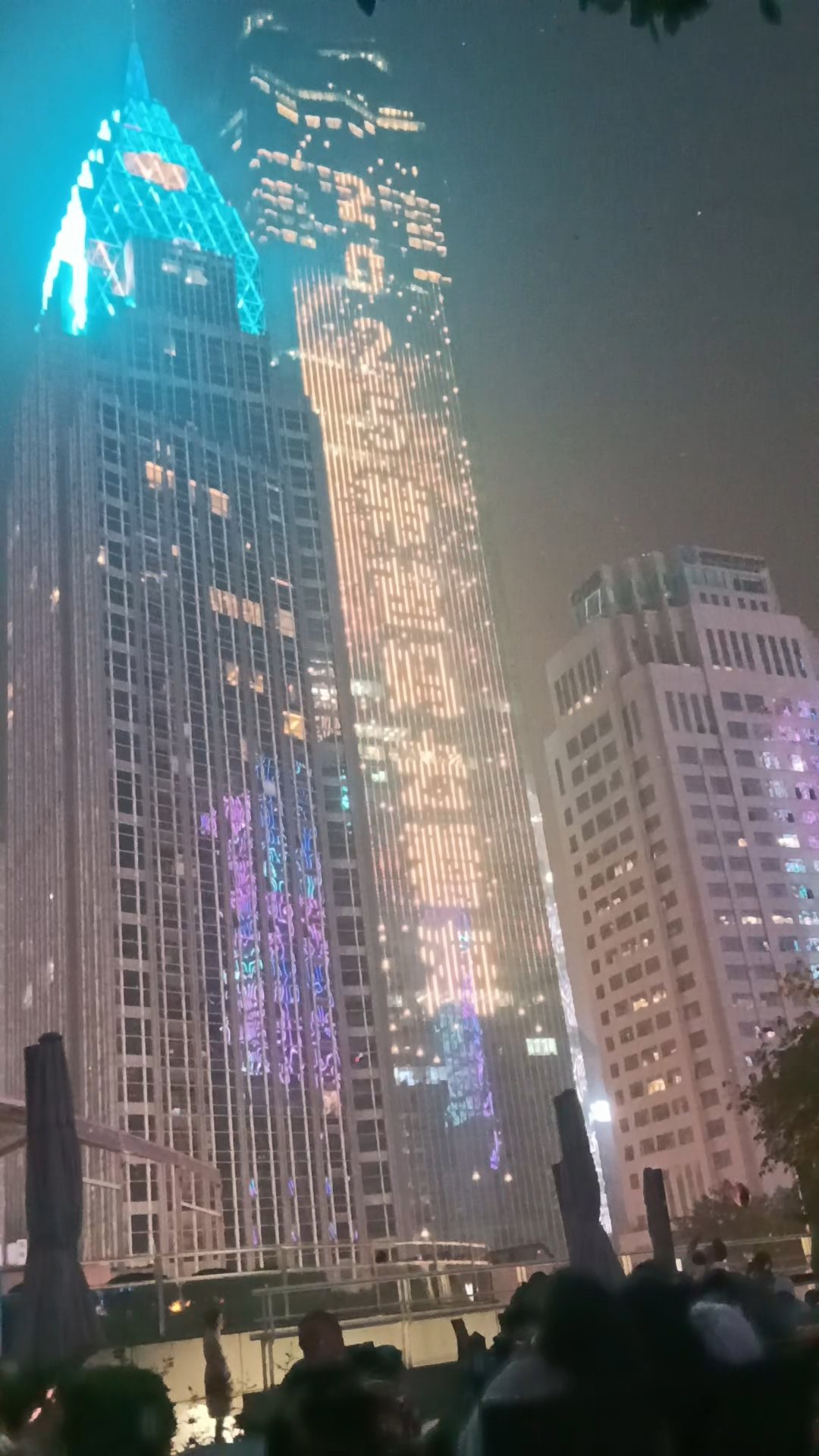
- Highlights Chongqing’s commercial center, featuring the 27.5-meter Liberation Monument, luxury boutiques, shopping malls, and vibrant nightlife. The area is open daily from 9:00 to 22:00 and is especially lively at night (chinadiscovery.com).
Hongya Cave
- Distance 10-minute walk or short metro ride.
- Features Multi-story stilt house complex with traditional architecture, shops, restaurants, and panoramic views over the Jialing River. Open 24 hours (shops/restaurants: 10:00–22:00). Best visited at dusk for illuminated views (Hongya Cave).
Huguang Guild Hall
- Distance 400 meters from Exit 4 of Jiaochangkou Station.
- Significance Qing Dynasty merchant guild with ornate architecture and cultural exhibitions. Open 8:30–17:30; entrance ~30 RMB (discounts for students/seniors). Occasional traditional opera performances (Huguang Guild Hall Official).
Bayi Food Street & Jiaochangkou Night Market
- Bayi Food Street Adjacent to Jiefangbei, renowned for authentic Chongqing dishes like hot and sour noodles and hot pot. Open ~10:00–22:00 (livingnomads.com).
- Jiaochangkou Night Market At Bayi Road and Zhonghua Road intersection, bustling from 18:00 to midnight. Street food, snacks, and local desserts (chinatripedia.com).
Mountain City Trail & Stilt Houses
- Mountain City Trail Scenic walking route through hilly neighborhoods with city and river views. Free and accessible year-round (etripchina.com).
- Stilt Houses Traditional “diaojiaolou” architecture, especially picturesque at night. Surrounding alleys offer bars, cafes, and local shops (adventurebackpack.com).
Shibati Old Street
- Distance Short walk from station.
- Features Restored old street with stone stairways and panoramic urban balconies. Open daily; no entrance fee (etripchina.com).
Travel Tips for Tourists
- Navigation Use bilingual signage and metro apps (“Chongqing Metro”) for route planning and real-time updates.
- Best times to visit Avoid weekday rush hours (7:30–9:30 AM, 5:30–7:30 PM). Evenings are best for night markets and city lights.
- Footwear Wear comfortable shoes due to steep slopes and stairs.
- Weather Summers are hot and humid—bring water and sun protection.
- Payment Mobile payments (Alipay, WeChat Pay), UnionPay cards, and cash are accepted; foreign cards less so.
- Language English signage in metro and attractions; most vendors speak Mandarin—translation apps help.
- Cultural etiquette Family-style dining is common; tipping is rare but appreciated for exceptional service.
- Safety Chongqing is generally safe; watch belongings in crowded areas.
Historical Background and Metro Development
The idea of a Chongqing metro system dates back to the 1940s, with plans formalizing in the 1950s. The city’s challenging mountainous terrain delayed construction until the late 20th century. The CRT Preparation Team was formed in 1988, and work on Line 2—including Jiaochangkou—began in 2000. Monorail technology enabled the network to traverse Chongqing’s steep geography, and Line 2 opened in 2005. Today, the CRT covers over 260 km, with expansion plans to 18 lines by 2035 (iChongqing, MetroEasy).
Impact on Chongqing’s Urban Development
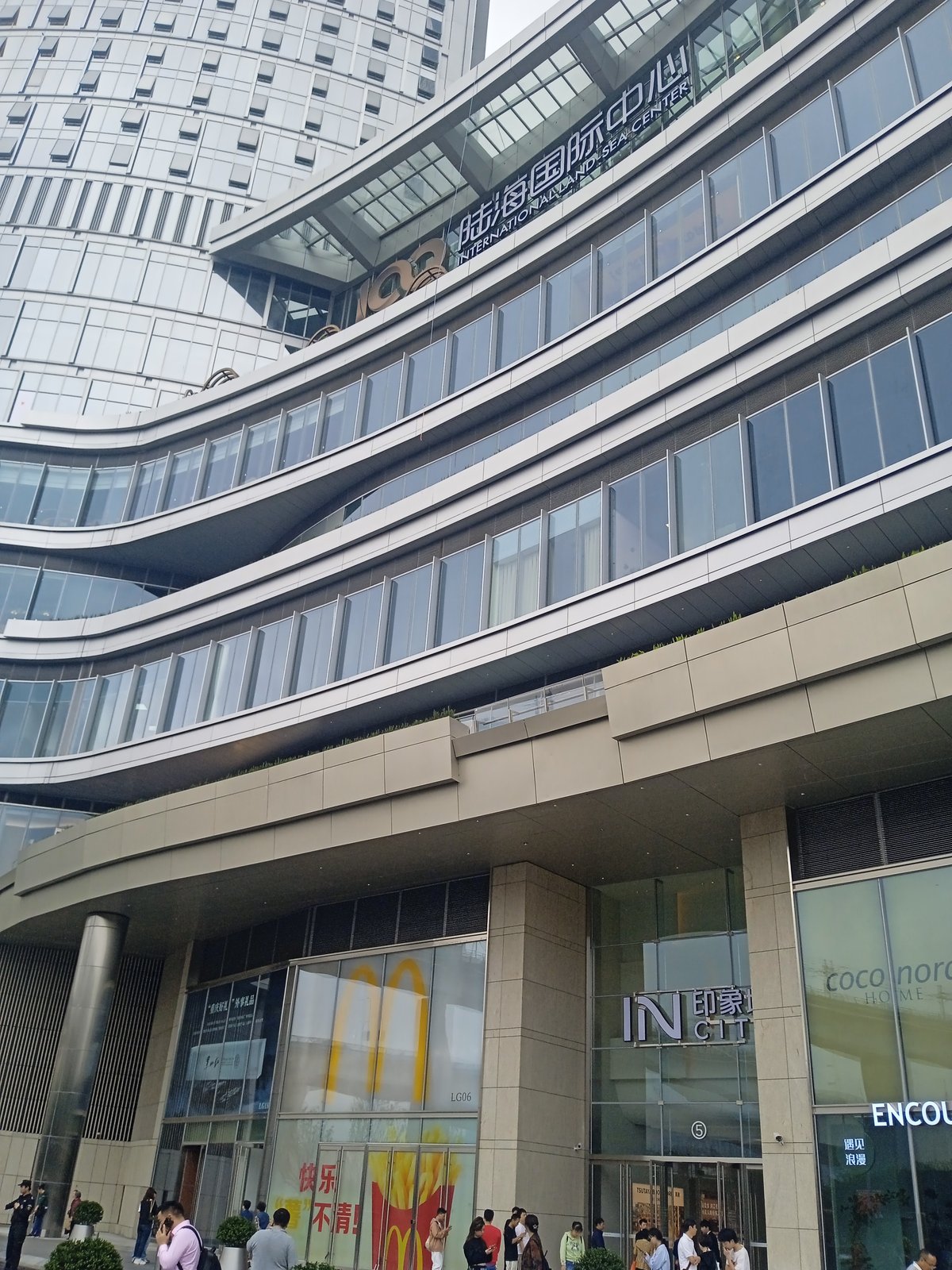
Jiaochangkou Station anchors a dense, mixed-use core, supporting economic growth and urban vitality. Its transit-oriented development (TOD) design integrates retail, business, and leisure spaces within walking distance, reducing car dependency and spurring investment (iChongqing). As a result, the area thrives as a model of sustainable urbanism and a vibrant social center.
Frequently Asked Questions (FAQ)
Q: What are Jiaochangkou Station’s operating hours?
A: 6:00 AM to 10:30 PM daily.
Q: How do I get tickets?
A: At station vending machines or counters; use cash, UnionPay, or mobile payment apps.
Q: Is the station accessible to people with disabilities?
A: Yes—elevators, tactile paving, accessible restrooms, and staff assistance are available.
Q: What attractions are near Jiaochangkou Station?
A: Jiefangbei Pedestrian Street, Hongya Cave, Huguang Guild Hall, Bayi Food Street, Shibati Old Street, and more.
Q: Are there guided tours in the area?
A: Yes, local agencies and visitor centers offer guided cultural and historical tours.
Q: Can I use foreign credit cards?
A: Most shops accept UnionPay and mobile apps; foreign cards are less widely accepted. Carry some cash or a prepaid transit card.
Discover More
Ready to experience Chongqing’s urban heart? Start your journey at Jiaochangkou Station! Download the Audiala app for real-time transit updates, curated city guides, and exclusive local offers. Follow us on social media for the latest travel tips and event news. Explore our related articles to uncover more of Chongqing’s hidden gems.