
Historical Background and Strategic Importance
Origins and Development Timeline
ICC1 was first proposed in 2007 as part of the ambitious Chongqing Tian Di Master Plan, a significant urban redevelopment project aimed at revitalizing the city’s downtown core. Construction started in 2012, with notable pauses and resumptions due to economic and logistical factors, finally reaching structural completion in July 2022. The full complex is set to open in 2025, reflecting Chongqing’s rapid urban transformation and vision for international prominence (Skyscraper Center).
Architectural Vision and Symbolism
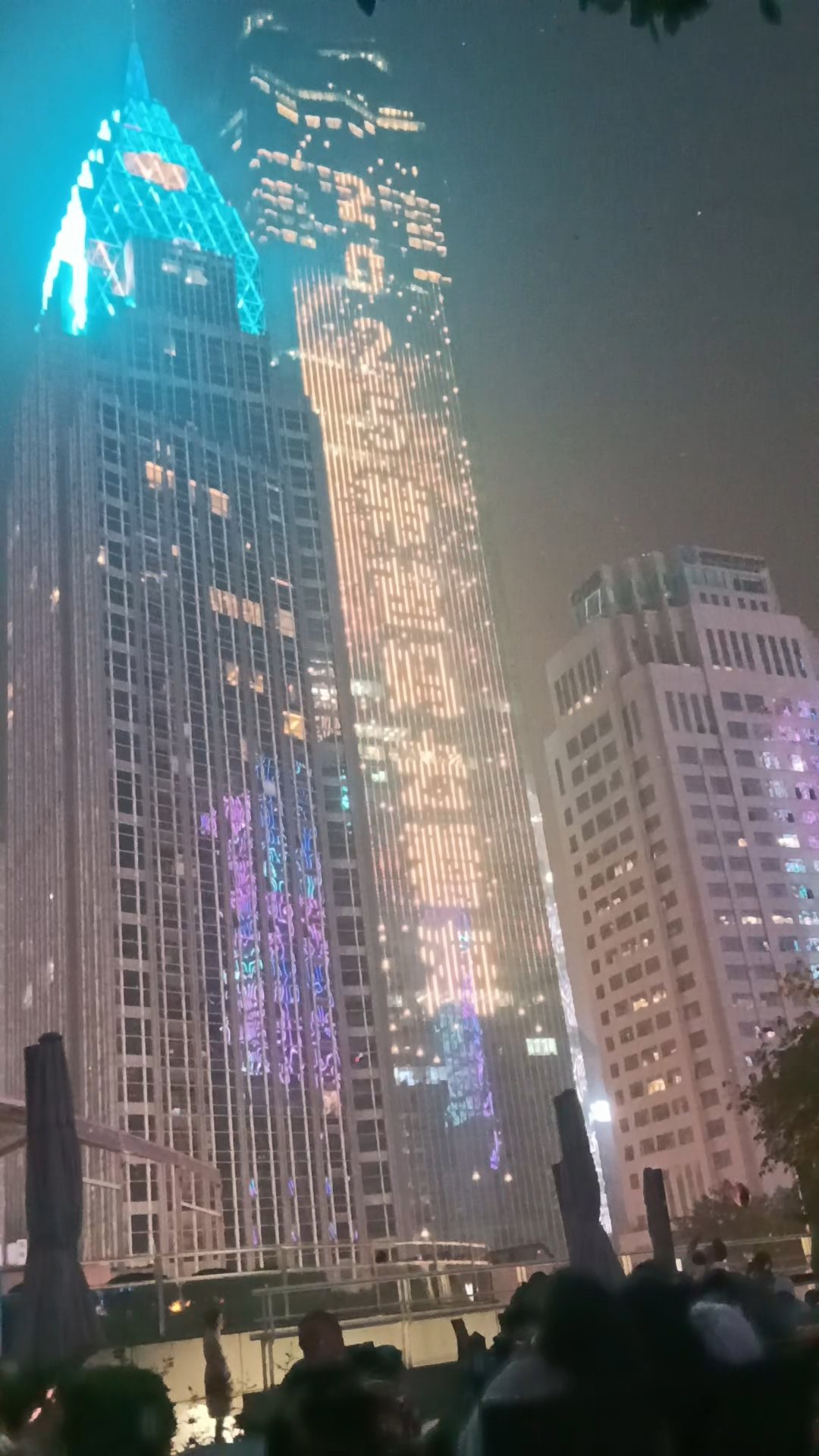
Designed by Kohn Pedersen Fox Associates in collaboration with the Chongqing Architecture and Design Institute, ICC1’s 458.2-meter height and 98 stories make it a dominant feature of Chongqing’s skyline. Its curvilinear, sail-inspired form pays homage to the historic junks of the Yangtze and Jialing Rivers, symbolizing Chongqing’s enduring role as an inland port and a gateway for trade. The façade incorporates the Chinese “double happiness” motif, signifying prosperity and harmony (Skyscraper Center).
Integration with Urban Renewal
ICC1 is the focal point of the 3.6 million-square-meter Chongqing Tian Di Master Plan, anchoring an 11-tower, mixed-use development that includes offices, residences, retail, and entertainment. Public plazas, promenades overlooking the Jialing River, and landscaped terraces merge seamlessly with Chongqing’s mountainous terrain, establishing ICC1 as both an urban and architectural centerpiece (Living Nomads).
Strategic Importance
ICC1 plays a pivotal role in Chongqing’s transformation under the “Go West” strategy and the Belt and Road Initiative. It supports the city’s ambition to become an international consumption and trade center, with state-of-the-art office spaces, luxury hotels, and extensive retail options. Its position in the Jiangbeizui Central Business District leverages Chongqing’s prominence as a logistics and trade hub, connecting China’s interior with Southeast Asia and Europe via the New International Land-Sea Trade Corridor.
Beyond its economic impact, ICC1 is a venue for business, cultural, and tourism activities. It regularly hosts international forums, exhibitions, and public events, fostering global cooperation and cultural exchange. The complex is part of a broader urban renewal effort, with major investments driving Chongqing’s competitiveness and innovation (Chinatripedia).
Architectural Significance and Design Features
- Height & Structure 458.2 meters, 98 floors, concrete-steel composite core for seismic resilience.
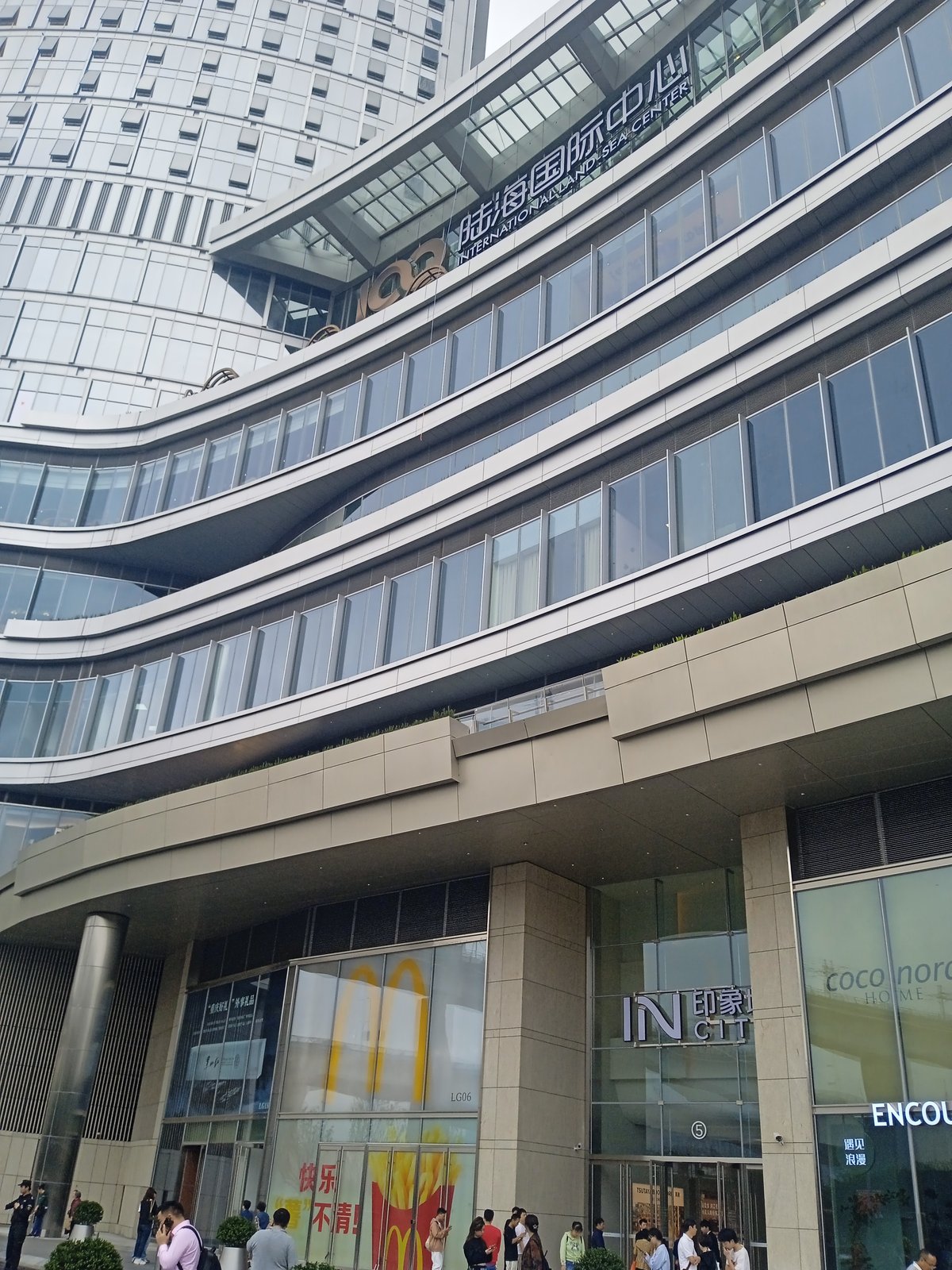
- Design Language Twin overlapping “sails” evoke river trade heritage; the podium’s wavelike roof and glass façade reinforce the maritime theme.
- Sustainability LEED Gold BD+C Core and Shell certification; features include energy-efficient glazing, water-saving fixtures, rainwater harvesting, and optimized daylighting.
- Urban Integration Direct links to public transit, tiered landscaping to match the hilly cityscape, and pedestrian-friendly public spaces.
- Interior Spaces Premium offices, luxury hotel, panoramic observation decks, retail arcades, sky gardens, and adaptable column-free layouts.
- Collaboration Jointly designed by international and local firms to reflect global standards and Chongqing’s unique context (Skyscraper Center, Toolack).
Visiting ICC1: Practical Information
Hours of Operation & Tickets
- Observation Decks Open daily, 9:00 AM – 10:00 PM.
- Retail and Dining 10:00 AM – 10:00 PM.
- Office Tower Monday–Friday, 8:30 AM – 6:00 PM.
Ticketing:
- Observation deck tickets range from 80–150 RMB (discounts for children, seniors, and groups).
- General access to retail and public areas is free.
- Special exhibitions and events may require separate tickets; advance booking is recommended during peak periods (Global Market News).
Accessibility
ICC1 is fully accessible, featuring barrier-free entrances, elevators, ramps, accessible restrooms, and priority seating. Multilingual support and digital kiosks enhance navigation for international visitors and those with disabilities.
Visitor Experience and Amenities
Information & Support:
- English-speaking staff at information desks; interactive maps and event schedules available.
Wi-Fi & Connectivity:
- Complimentary high-speed Wi-Fi throughout; charging stations in lounges and public spaces.
Dining & Shopping:
- Wide range of Chinese and international restaurants; duty-free boutiques, luxury brands, electronics, and specialty stores.
Business Services:
- Executive lounges, co-working spaces, meeting rooms, printing, courier, banking, and currency exchange.
Family-Friendly Facilities:
- Baby-changing rooms, nursing stations, children’s play areas, stroller rentals.
Security & Health:
- 24/7 surveillance, emergency medical services, AEDs, regular cleaning, and hand sanitizing stations.
Green Initiatives:
- Energy-efficient systems, water conservation, recycling programs, and encouragement of sustainable visitor practices.
Nearby Historical and Cultural Attractions
Enhance your visit to ICC1 by exploring Chongqing’s renowned historical and cultural sites, all easily accessible via metro or taxi:
- Jiefangbei Pedestrian Street A vibrant commercial and entertainment hub.
- Hongya Cave Riverside stilted architecture with bustling night markets.
- Yangtze River Cableway Panoramic views of the river and cityscape.
- Ciqikou Ancient Town Preserved traditional streets and tea houses.
- Three Gorges Museum Exhibits on Chongqing’s regional history and culture.
Frequently Asked Questions (FAQ)
Q: What are ICC1’s visiting hours?
A: Observation decks are open daily from 9:00 AM to 10:00 PM; retail and dining from 10:00 AM to 10:00 PM.
Q: How much are tickets to the observation decks?
A: 80–150 RMB, with discounts for children, seniors, and groups.
Q: Is ICC1 accessible for people with disabilities?
A: Yes, with full barrier-free access and multilingual support.
Q: Are guided tours available?
A: Yes, in multiple languages; arrange onsite or in advance.
Q: What are the best nearby historical sites?
A: Jiefangbei Pedestrian Street, Hongya Cave, Yangtze River Cableway, and Ciqikou Ancient Town.
Q: Are pets allowed?
A: Only service animals are permitted.