History and Origins
Established in 1955, the Geleshan Revolutionary Martyrs’ Cemetery was created to honor the memory of those who perished during China’s revolutionary struggles. The site, spanning approximately 20 hectares and containing over 3,000 graves, is among the largest revolutionary cemeteries in southwest China (China Daily). Its location was chosen for its proximity to the notorious KMT secret police prisons, Zhazidong and Bai Gongguan, where countless Communist Party members and patriots endured imprisonment, torture, and execution (Chongqing Martyrs Cemetery Official).
Geleshan’s Role During the Second Sino-Japanese War
Chongqing served as China’s wartime capital between 1938 and 1946. Geleshan’s mountainous terrain provided strategic cover for military and intelligence operations. The area became infamous for the KMT’s secret prisons, where hundreds of revolutionaries were detained and executed, particularly in the final days before the city’s liberation in 1949 (China.org.cn). The Sino-American Cooperation Institute (SACI), established in the area, was instrumental in coordinating intelligence and military training during the war (Deep China Travel).
Visiting Information
Opening Hours
- Daily 8:00 AM – 5:00 PM (hours may extend to 5:30 PM in peak seasons)
- Note Hours may vary during public holidays or maintenance periods.
Admission and Tickets
- General Admission Free for all visitors.
- Special Exhibitions Some exhibits inside the Martyrs Memorial Hall may require a nominal fee, payable on-site.
Guided Tours
- Availability Guided tours can be arranged through the local tourism bureau or onsite. Most are conducted in Mandarin, with occasional English-language tours.
- Audio Guides Available for rent at the entrance or via the official app.
Facilities and Photo Opportunities
- Rest areas, shaded seating, and bilingual information boards are available throughout the grounds.
- Numerous vantage points offer panoramic views of Chongqing and the surrounding hills—ideal for respectful photography.
- Outdoor photography is permitted, but restrictions apply inside the Martyrs Memorial Hall and certain exhibits.
Directions and Accessibility
- By Public Transit Take Chongqing Rail Transit (CRT) Line 1 to Shapingba Station, then transfer to a local bus or taxi for a short ride to the cemetery entrance.
- By Bus Lines 815 and 854 stop near the entrance.
- By Car Limited parking is available at the site.
- Accessibility The cemetery is equipped with paved pathways and ramps to accommodate visitors with mobility challenges, though some older or steeper sections may be less accessible.
Key Historical Sites within the Cemetery
Zhazidong (Cinder Cave) Prison
Zhazidong, originally a coal mine, was transformed by the KMT in 1938 into a covert prison for political detainees (Chinawiki.net). Surrounded by mountains on three sides, the site was notoriously secure and isolated. Prisoners faced harsh conditions, torture, and eventual execution. Today, visitors can explore preserved cells and exhibits recounting the prisoners’ resistance and resilience (chinadaily.com.cn).
Martyrs Memorial Hall and Other Memorials
The Martyrs Memorial Hall features original artifacts, including personal effects, documents, and instruments of torture (source). Artistic tributes such as the Martyr Statues, frescoes, and engraved dedications are found throughout the grounds, offering insight into the period’s history and commemorating the martyrs’ sacrifices.
Visitor Conduct and Guidelines
- Dress Modestly Show respect for the site and its significance.
- Behavior Maintain a quiet, reflective demeanor, especially near memorials and inside the Memorial Hall.
- Photography Permitted outdoors; prohibited in indoor exhibits unless otherwise indicated.
- No Food/Drink/Smoking These are not allowed within the memorial zones.
- Ceremonial Etiquette Respect ongoing ceremonies, especially during Martyrs’ Day (September 30) and Qingming Festival (early April). Offering flowers at main memorials is customary.
Planning Your Visit
- Recommended Duration Allocate 2–3 hours to fully explore the cemetery, memorial hall, and grounds.
- Best Time to Visit Spring and autumn offer comfortable weather and beautiful scenery.
- What to Bring Comfortable shoes, water, sun protection, and rain gear (in summer).
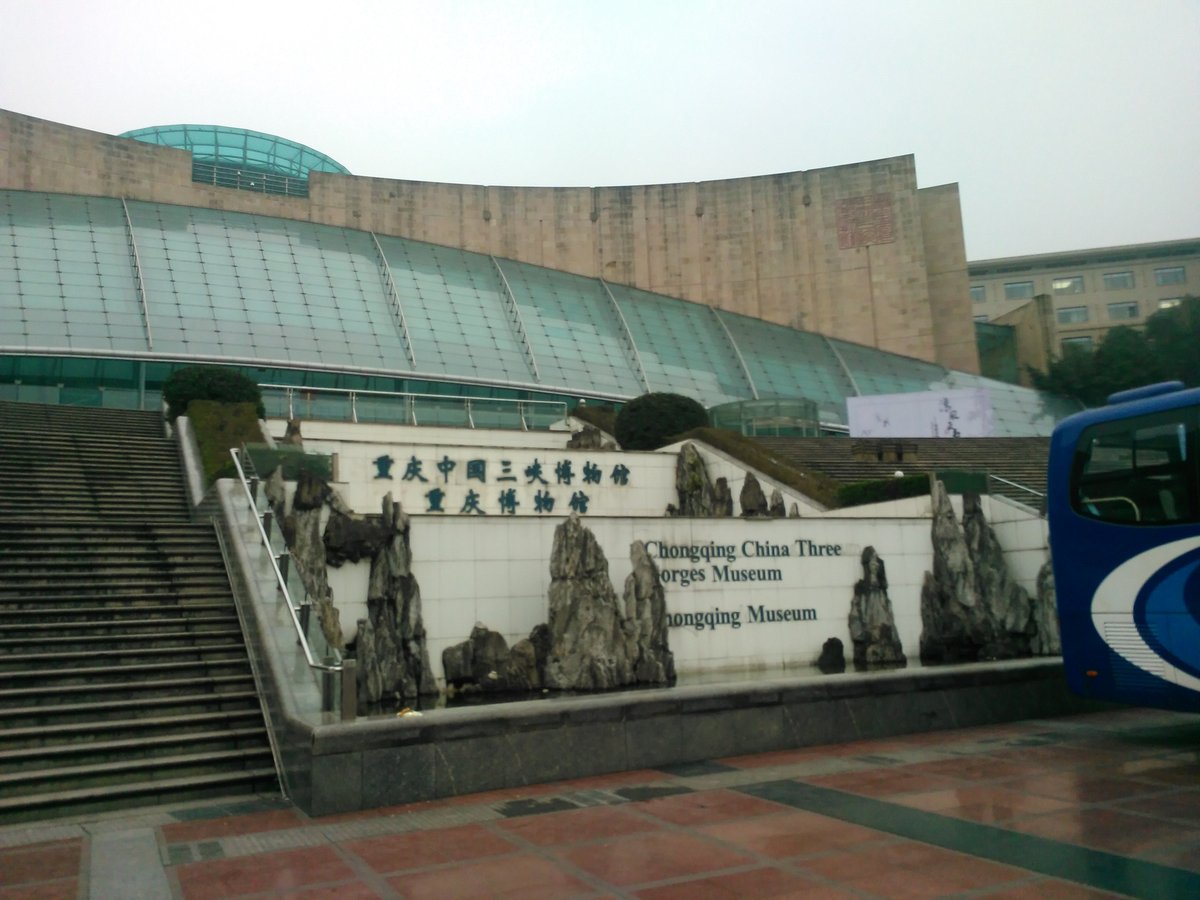
- Nearby Attractions Consider visiting Ciqikou Ancient Town, the Three Gorges Museum, and the Dazu Rock Carvings for a broader understanding of Chongqing’s heritage.
Frequently Asked Questions (FAQ)
Q: What are the opening hours?
A: The cemetery is open daily from 8:00 AM to 5:00 PM (sometimes until 5:30 PM).
Q: Is there an admission fee?
A: General admission is free. Some exhibitions may charge a small fee.
Q: How do I get there?
A: Use CRT Line 1 to Shapingba Station, then take a bus or taxi to the entrance.
Q: Are guided tours available?
A: Yes, guided tours (mainly in Chinese) and occasional English tours are available.
Q: Is the site wheelchair accessible?
A: Most main paths are accessible, but some areas may be challenging.
Q: Can I take photos inside?
A: Photography is allowed outdoors, but prohibited inside the Martyrs Memorial Hall and select exhibits.