Historical Background
Origins and Development
Founded as a response to Chongqing’s rapid modernization and commitment to scientific education, the Chongqing Science and Technology Museum was initiated in 2006 and completed in under three years, opening to the public in September 2009 (Wikiwand). The project was a significant investment—567 million RMB—underscoring Chongqing’s ambition to become a leading scientific and cultural hub in western China (Chongqing University). The museum is a key part of the city’s broader initiative to enhance cultural and educational infrastructure.
Strategic Location
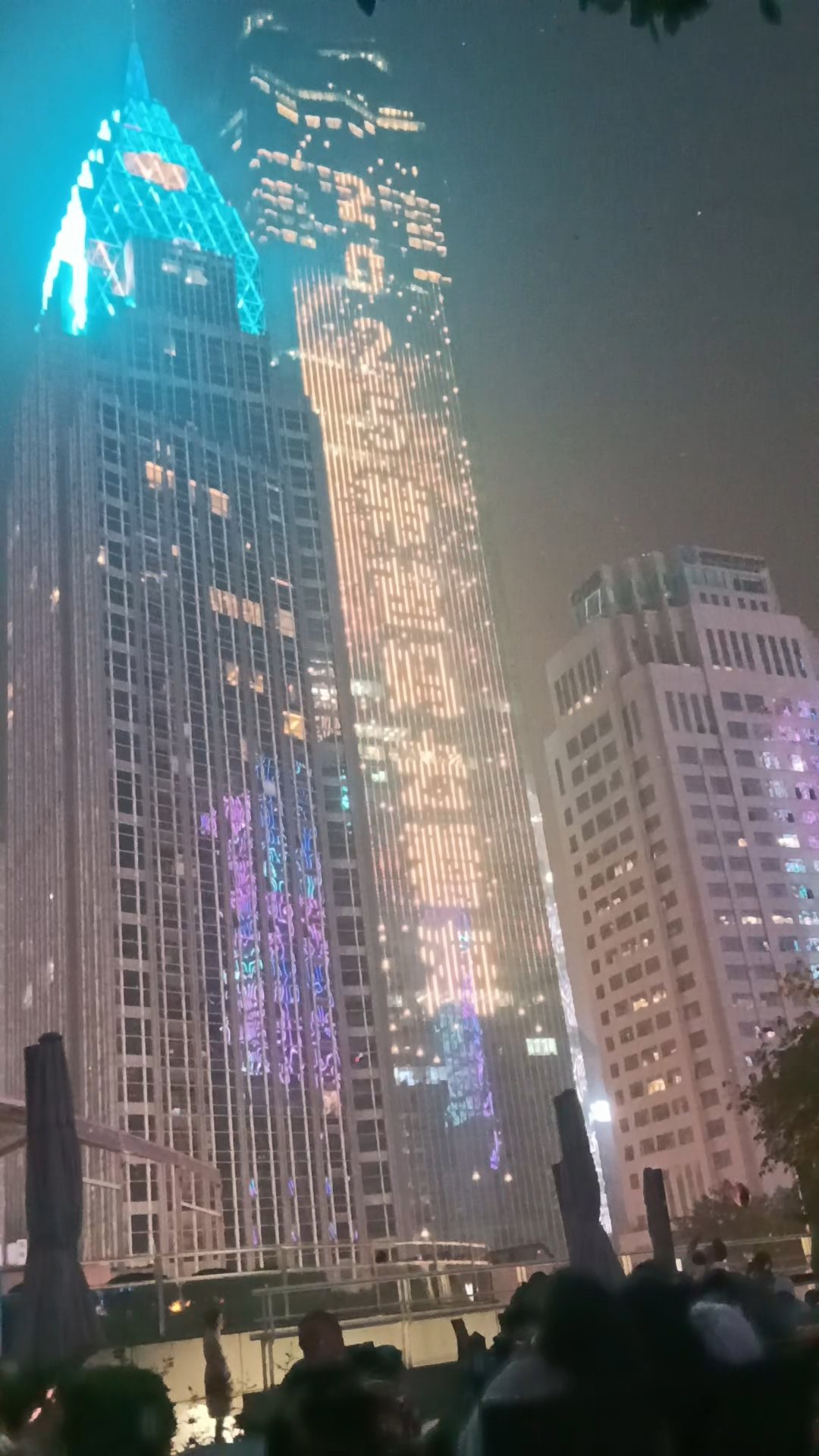
Positioned at the confluence of the Jialing and Yangtze Rivers in the Jiangbeizui CBD, the museum is surrounded by major city landmarks like the Grand Theatre and Hongya Cave. This central location provides both scenic views and excellent accessibility, making it a focal point for cultural tourism in Chongqing (China Daily, iChongqing).
Role in Scientific Advancement
Chongqing has ranked among China’s leaders in scientific and technological progress, with the museum serving as a showcase for local breakthroughs and as a catalyst for public engagement in science (Chongqing University). Its mission is to inspire curiosity and foster scientific literacy among residents and visitors alike.
Architectural Significance
Design Philosophy and Exterior Aesthetics
The museum’s architecture, created through international collaboration with GMB Architects, is a blend of modernity and symbolism. The stainless steel façade and expansive glass curtain walls evoke Chongqing’s mountainous terrain and rivers, echoing the city’s nickname, the “City of Mountains and Rivers” (GMB Architects, Chinatripedia). The building’s orientation maximizes urban park integration, pedestrian flow, and city views.
Spatial Organization and Interior Layout
Spanning over 48,000 square meters, the museum features six major exhibition halls, a children’s science park, and an industry exhibition hall. The intuitive floor plan facilitates smooth visitor flow, with spacious galleries, high ceilings, and logical progression between themed zones (Wikiwand). The infrastructure supports interactive, multimedia exhibits and specialized facilities such as an IMAX theatre and planetarium.
Urban Context and Environmental Considerations
Located at a pivotal point in Chongqing’s urban landscape, the museum is integrated into the city’s cultural and tourism circuit. Its design emphasizes sustainability, with natural lighting, energy-efficient materials, and green spaces mitigating urban heat (GMB Architects).
Visiting Information
Opening Hours
- Tuesday–Sunday 9:00 AM – 5:00 PM (last admission: 4:30 PM)
- Closed Mondays (except public holidays; check for special schedules during major events)
Tickets
- General Admission Free
- Special Exhibitions/IMAX/Planetarium Paid tickets may be required; check availability and book online or at the entrance.
Discounts and free admission for children under 1.2m, students, and seniors are available for most exhibits. Check the official website for up-to-date information (ct-by.com, The Tourist Checklist).
Transportation
- Metro Line 6 to Jiangbeicheng or Grand Theater Station; Line 2 to Jiaochangkou Station.
- Bus Routes 401, 406, 517, and others stop nearby.
- Taxi/Rideshare Convenient drop-off points at the main entrance.
- Parking Limited on-site; arrives early during peak hours.
Floor-by-Floor Layout and Thematic Halls
| Floor | Hall Name | Area (sqm) | Exhibits | Focus Areas |
|---|---|---|---|---|
| 1st | Visitor Services & Restaurant | – | – | Ticketing, lockers, information desk, basic dining |
| 2nd | Life & Technology | 4,481 | 145 | Science in daily life, smart homes, health, environment |
| 2nd | Children’s Playground | 1,730 | 39 | Ages 3–10, city/nature themes, interactive play |
| 3rd | Transportation Technology | 1,259 | 19 | History/future of transportation, infrastructure |
| 3rd | Safety Education | 3,898 | 39 | Disaster science, simulations, emergency preparedness |
| 4th | Basic Science | 2,900 | 87 | Mathematics, physics, astronomy, chemistry |
Notable Permanent and Rotating Exhibits
- Life & Technology Interactive displays on health, nutrition, smart homes, and digital life.
- Children’s Playground “Busy City” and “Tranquil Nature” zones for creative learning.
- Transportation Technology Hands-on models of vehicles, infrastructure, and future mobility.
- Safety Education Disaster simulation experiences and emergency response training.
- Basic Science Puzzles, experiments, and demonstrations in math, physics, astronomy, and chemistry.
- Special Exhibitions Rotating topics on innovation, national achievements, and science festivals.
Unique Features and Photo Opportunities
- Iconic Façade Stainless steel and glass exterior, especially striking at dusk.
- Scenic Interiors Panoramic city views, IMAX lobby, and interactive zones ideal for photography.
- Virtual Tours Preview exhibitions online through the museum’s website.
Visitor Navigation and Accessibility
- Bilingual Signage Chinese and English throughout the museum.
- Accessibility Ramps, elevators, accessible restrooms, and staff assistance.
- Rest Areas Available on every floor.
- Guided Tours Regular Mandarin tours; English by appointment (Trip.com).
Practical Tips for Exploring the Museum
- Storage Lockers at the entrance; information desk for large luggage.
- Dining On-site restaurant is basic; more options in nearby Cai Xin Square or Hongya Cave.
- Refreshments Bring your own water/snacks; no vending machines inside.
- Duration Plan 2–3 hours for a full visit.
- Best Times Weekday mornings are less crowded.
- Family-Friendly Children’s Hall and interactive exhibits cater to all ages.
Frequently Asked Questions (FAQs)
Q: What are the visiting hours?
A: Tuesday–Sunday, 9:00 AM–5:00 PM; closed Mondays except holidays.
Q: Is admission free?
A: Yes, general admission is free. Special shows/exhibitions may charge a fee.
Q: How do I get tickets?
A: Free tickets at the entrance or pre-book online; special event tickets may require advance purchase.
Q: Is the museum accessible?
A: Fully accessible with elevators, ramps, and accessible restrooms.
Q: Are guided tours available?
A: Yes, in Mandarin regularly and in English by appointment.
Q: What are some nearby attractions?
A: Hongya Cave, Grand Theatre, Jiefangbei, Three Gorges Museum, and riverside parks.
Discover More
Ready to discover the wonders of science in Chongqing? Download the Audiala app for interactive guides and up-to-date visitor information. Follow us on social media for tips, news, and exclusive content about Chongqing’s cultural highlights. Plan your visit today and make the most of your Chongqing experience!