Chongqing Poly Tower: Visiting Hours, Tickets and Travel Guide
Chongqing Poly Tower, also known as the HNA & Poly International Centre (海航保利国际中心), is described as a mixed-use landmark combining offices, hotel accommodation, retail, dining and public spaces. Its twisting glass-and-steel appearance and illuminated façade are associated with Chongqing’s rapid urban growth and its blend of historic and contemporary architecture.
Descriptions of the tower differ on its location and dimensions. One places it at 235 Minsheng Road in Yuzhong District, in the Jiefangbei Central Business District (CBD), at the former site of the Chongqing Hotel. Another identifies it as being in Xingfu Plaza, Jiangbei District. The reported height also varies: one description gives 180 meters (approximately 590 feet) and 39 above-ground stories; another gives 286.8 meters (941 feet), 61 floors above ground and six below, and calls it the city’s third-tallest building. These descriptions also differ on public access and observation facilities; details are set out below.
History and Site
The Yuzhong District site at the intersection of Linjiangmen and Minsheng Road was formerly occupied by the Chongqing Hotel, which served travelers and businesspeople during an earlier period of the city’s modernization. Its replacement is described as part of Chongqing’s urban renewal and its transformation from a traditional river port into a global metropolis.
The tower’s construction in the early 21st century coincided with rapid urbanization, China’s economic boom and government initiatives to develop inland cities. Its setting in Yuzhong, a politically and culturally important district, is presented as a sign of modernization as well as a reminder of the loss of some historic architecture.
Chongqing has nearly 60 skyscrapers exceeding 200 meters, a pattern of vertical growth linked to its mountainous terrain and limited flat land. The tower is described as part of this expanding skyline and as a business and tourism focal point.
Architecture and What to See
Design and structure
The Aedas design is known as “Dance of Light.” Inspired by the northern lights, its twisting form aims to suggest movement and create changing perspectives of the city. Ken Wai, Global Design Principal at Aedas, described the tower as an “open public space” and a “city icon.” The design vision presents it as both a commercial hub and a contributor to Chongqing’s urban identity (Global Design News).
The 180-meter profile describes a dramatic twist made possible by double-curved surfaces. The building’s core and perimeter columns support its geometry, while its curtain wall follows the façade’s contours. The form is also described as helping structural performance and wind resistance in Chongqing’s mountainous terrain and variable weather (e-architect).
The façade is described as using high-performance glass and metal panels that reflect changing light, with integrated LED lighting accentuating its curves after dark. Advanced glazing is intended to reduce solar gain while allowing natural daylight. A separate profile describes the tower as an all-concrete structure engineered to withstand seismic activity, with a sleek minimalist façade.
Public spaces and interiors
At the base, the Xingfu Plaza profile describes landscaped public space with seating, water features and art installations. The ground-level plaza is intended to encourage pedestrian activity and provide a place for office workers and visitors. The tower’s orientation is described as maximizing views of the surrounding city and nearby Jialing River.
Interior descriptions include flexible office floors with varying floor-plate shapes, floor-to-ceiling windows, a lobby and communal areas finished with premium materials and contemporary art, and smart building technologies. The mixed-use profile also describes a grand lobby with high ceilings, polished stone finishes, contemporary art, and multilingual concierge and security staff.
The tower is described as having 37 high-speed elevators, some reaching speeds of up to 6 meters per second. Its hotel has 469 rooms and is described as offering a fitness center, spa, indoor pool and executive lounges. Dining options include international buffets and specialty Chinese cuisine, with city views from some venues. The building also contains office space for multinational corporations and local enterprises, boutiques, cafés and restaurants.
Views and events
There is no consistent description of public viewing access. One profile says there is no dedicated public observation deck, and that panoramic views are available to hotel guests or people dining at upper-floor restaurants and lounges. Other descriptions refer to observation decks, tickets for observation areas and panoramic views from within the tower. The twisting silhouette can also be viewed from Jiangbei District streets and across the Jialing River.
The tower hosts business meetings, seminars, private functions, conferences and exhibitions in spaces with audiovisual systems. Occasional events are described as including art exhibitions, cultural performances, business forums and guided tours. Special events during Lunar New Year and National Day are said to feature themed light shows.
Cultural, Economic and Environmental Role
The tower is presented as a modern counterpart to Chongqing’s architectural heritage, including historic watchtowers and defensive structures. Its vertical form echoes the traditional importance of towers in the city and is associated with resilience, progress and local identity. It is also described as part of Chongqing’s reputation as an “8D Magic City,” where modern architecture rises among mountainous terrain (sameerabuildingconstruction.com).
As a mixed-use development with offices, a hotel and retail, the tower is described as a business and commercial hub that attracts multinational corporations, financial institutions and startups. The service sector, driven by finance and real estate, accounts for over 50% of Chongqing’s output, according to one cited account. The tower is also credited with supporting employment and tourism; its operations are described as generating thousands of jobs and training in green building and smart city management.
The tower’s lighting contributes to Chongqing’s nightscape, and its LED displays are described as synchronized with nearby skyscrapers for light shows narrating the city’s history. High-rise restaurants, sky bars and lounges are presented as social spaces for residents and visitors. Nighttime illumination and nearby entertainment are also linked to night tours and river cruises (livingnomads.com).
In 2024, Chongqing hosted over 300 million visitors, with landmarks such as Poly Tower described as contributing to the city’s tourism. The tower is also associated with international conferences and exhibitions, and with attracting visitors interested in views of the Yangtze and Jialing Rivers and Chongqing’s topography (chinaxiantour.com).
Its environmental features are described as including high-performance glazing, LED lighting, intelligent HVAC controls, water-saving fixtures, green landscaping and rainwater harvesting. Double-glazed windows and other energy-efficient systems are intended to reduce heat gain, artificial lighting and air-conditioning needs. Chongqing’s reliance on renewable energy, especially hydropower, is also cited in connection with sustainability (medium.com). The tower is described as supporting infrastructure improvements, green-space development and smart-city initiatives in the CBD.
In 2023, the tower received the International Architecture Award from The Chicago Athenaeum: Museum of Architecture and Design and The European Centre for Architecture Art Design and Urban Studies (Global Design News). Its design has also been described as influencing high-rise architecture and encouraging expressive forms and sustainable strategies.
Visiting Information
Hours
The stated hours vary by area and description:
- One visitor profile gives daily hours of 9:00 AM to 9:00 PM, with last entry at 8:30 PM.
- The public areas and plaza are described elsewhere as accessible daily from 8:00 AM to 10:00 PM.
- Retail and dining areas are listed as typically open from 10:00 AM to 10:00 PM daily.
- Guided tours and exhibitions, when available, typically operate from 9:00 AM to 6:00 PM.
- Hotel reception operates 24/7.
Check the official website or contact the management office for current hours and event schedules.
Tickets and entry
The descriptions also differ on admission and viewing:
- Access to the public plaza, lobby, retail podium and public dining spaces is described as free.
- One profile says tickets for guided tours or special exhibitions are available through the official Chongqing Poly Tower website or authorized vendors; typical guided-tour tickets range from 50 to 100 RMB, and prices vary by event.
- Another gives ticket prices of 50 to 100 RMB, with discounts for students, seniors and children.
- A separate ticket description says observation-deck and other attraction tickets are available online or at the venue, with standard adult tickets starting at RMB 80. Discounts are often available for children, seniors and group bookings.
- Another profile says there are no separate observation tickets, and that hotel rooms or upper-floor restaurant reservations are needed for panoramic views. Hotel prices vary by room type and season.
Hotel reservations and restaurant bookings can be made through the official hotel website or popular travel platforms. Special-event and conference access is generally arranged through event organizers or the tower’s management office. Advance booking is recommended during peak tourist seasons. The official Chongqing tourism website is also listed as a place to check ticket purchases and guided-tour schedules.
Accessibility and visitor policies
The tower is described as wheelchair accessible, with ramps, elevators and accessible restrooms. Assistance services can be arranged in advance through visitor services. Visitors entering office areas may need prior authorization or an appointment. Standard security procedures include ID checks and bag screening; carry valid ID.
Travel Tips
- Evening visits are recommended for views of Chongqing’s illuminated skyline. Late afternoon, sunset and night are also suggested for photography.
- The plaza and surrounding area are described as offering views of Jiefangbei CBD and the confluence of the Jialing and Yangtze Rivers. Hotel guests and restaurant diners seeking views are advised in the source descriptions to request a river-facing room or high-floor seating.
- Weekday mornings are suggested for a quieter visit.
- Smart-casual clothing is described as suitable for public areas; business attire is recommended for office visits.
- English is commonly spoken by hotel and concierge staff, while signage is primarily in Chinese.
- The tower is listed as having 700 parking spaces, although public transport is advised because of city traffic.
Getting There
The listed routes differ according to the location description:
- Metro One profile recommends Chongqing Metro Line 6 to Xingfu Station, followed by a short walk to Xingfu Plaza. For the Minsheng Road/Jiefangbei location, Linjiangmen and Jiaochangkou stations are listed as nearby.
- Bus Multiple bus routes serve the Jiefangbei area; nearby bus routes are also listed for the Xingfu Plaza profile.
- Taxi The tower is described as accessible by taxi from Chongqing North and West Railway Stations and Jiangbei International Airport.
Nearby Places
The listed nearby attractions include:
- Luohan Temple, described as dating from the Song Dynasty.
- Chongqing Art Museum, featuring local artistic heritage.
- Raffles City Chongqing, including its Crystal sky bridge.
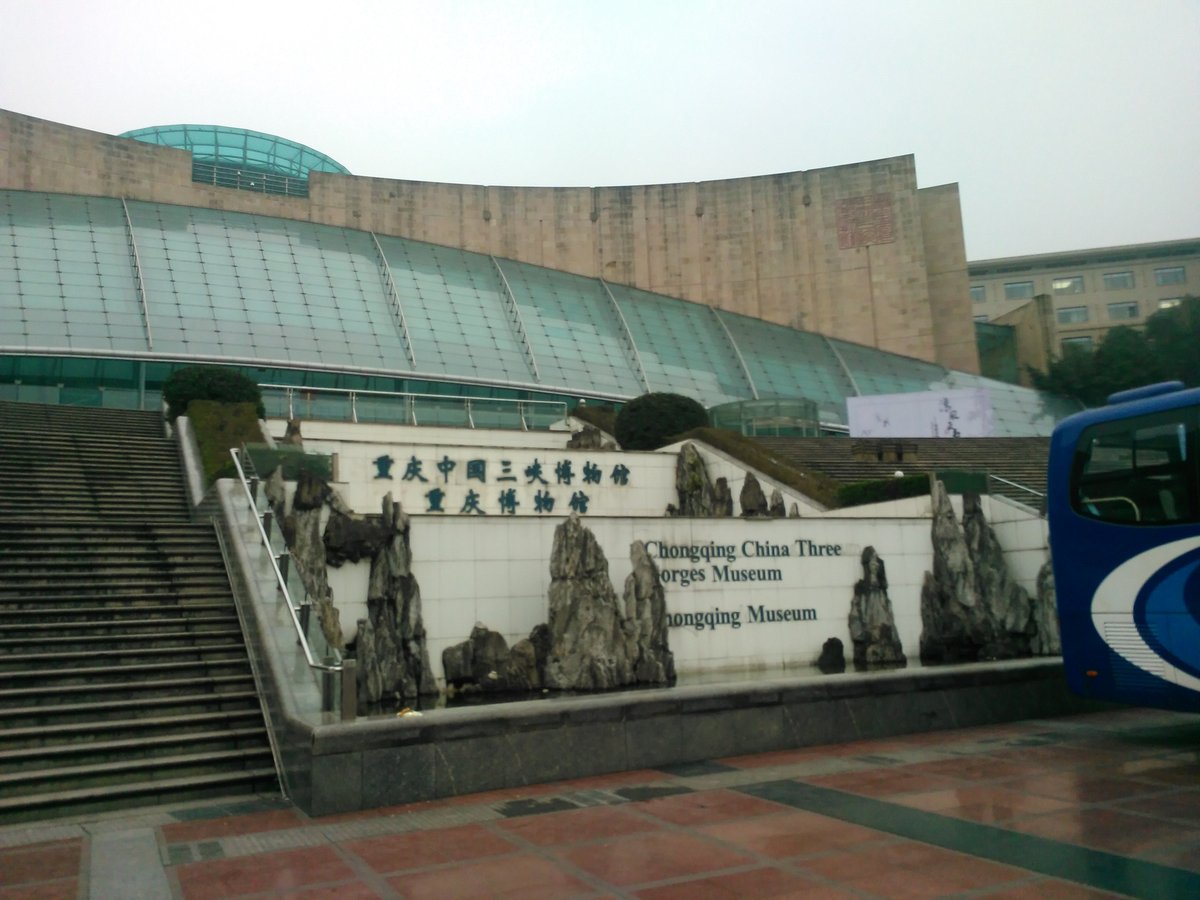
- Three Gorges Museum.
- Ciqikou Ancient Town, listed as within a 15-minute drive in one description.
- Hongya Cave and the People’s Liberation Monument.
- Guanyinqiao Sincere Centre, mentioned alongside Raffles City Chongqing as another example of the city’s high-rise architecture.
The area is also described as having developed public transport, pedestrian infrastructure, dining and shopping options, and prominent nightlife venues. Nearby landmarks such as Raffles City Chongqing and Hongya Cave are associated with longer visits and increased visitor spending.
Frequently Asked Questions (FAQ)
What are Chongqing Poly Tower’s visiting hours?
The profiles list daily hours of 9:00 AM to 9:00 PM, with last entry at 8:30 PM; public areas and the plaza are also listed as accessible from 8:00 AM to 10:00 PM, and retail and dining areas as typically open from 10:00 AM to 10:00 PM. Hotel reception operates 24/7. Check current hours before visiting.
Is there an admission fee?
The plaza, lobby, retail podium and public dining spaces are described as free to enter. Guided tours, exhibitions and events may require tickets. Reported tour prices range from 50 to 100 RMB; another description lists standard adult tickets from RMB 80.
Does the tower have a public observation deck?
The descriptions conflict: one says there is no dedicated public observation deck, while others refer to observation decks and tickets. Hotel rooms and upper-floor restaurants or lounges are also listed as ways to access views.
How can I book a visit or buy tickets?
The listed options include the official tower or hotel websites, authorized vendors, popular travel platforms and, for some events, organizers or the management office.
Is the tower wheelchair accessible?
Yes. It is described as having ramps, elevators and accessible restrooms, with assistance services available by arrangement.
How do I get there?
The listed metro options are Xingfu Station on Line 6 for the Xingfu Plaza description, or Linjiangmen and Jiaochangkou stations for the Minsheng Road/Jiefangbei description. Buses and taxis are also listed.
What attractions are nearby?
The listed places include Luohan Temple, Chongqing Art Museum, Raffles City Chongqing, the Three Gorges Museum, Ciqikou Ancient Town, Hongya Cave and the People’s Liberation Monument.