
Historical Context and Urban Significance
The Chaotianmen Bridge (朝天门大桥) draws its name from the ancient Chaotianmen Wharf, once a critical entry point for imperial envoys and merchants (ct-by.com). As Chongqing’s population and status grew—especially after becoming a municipality directly under central government in 1997—the need for advanced infrastructure became urgent. The city’s steep hills and intersecting rivers presented both a challenge and an opportunity for engineers and city planners.
Envisioned as a solution to traffic congestion and the demanding topography, the bridge was designed to integrate road, metro, and pedestrian traffic, symbolizing Chongqing’s embrace of modernity while honoring its historical roots (art-facts.com).
Engineering Marvel: Design and Construction
- Construction Timeline 2004–2009
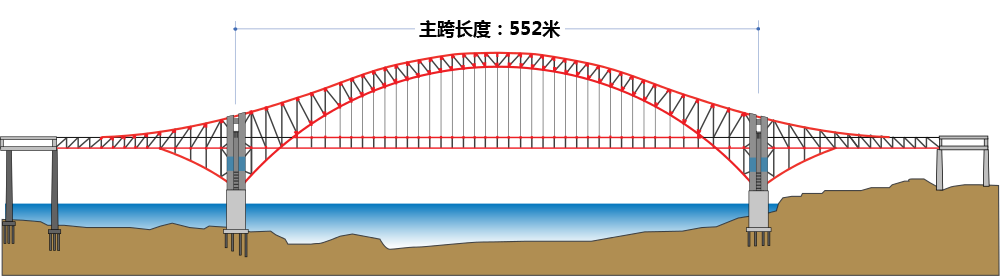
- Main Span 552 meters (world’s longest through arch span at completion)
- Total Length 1,741 meters
- Height 142 meters above the river
- Decks Dual-level (upper deck: six-lane roadway and sidewalks; lower deck: two vehicular lanes in each direction and Chongqing Metro loop line)
- Materials High-strength steel, large bolts, world’s largest pin supports
The bridge’s design draws inspiration from renowned structures like the Sydney Harbour Bridge but surpasses them in technical achievement. Its half-through continuous steel truss arch form, seismic resilience, and capacity for heavy multi-modal traffic make it a model of contemporary civil engineering (baileybridgesolution.com; scribd.com).
Visiting Hours and Accessibility
- Pedestrian Access 24/7, free of charge
- Wheelchair/Disability Access Ramps and accessible pathways on both ends
- Best Visiting Times Early morning and evening for cool temperatures and dramatic skyline views
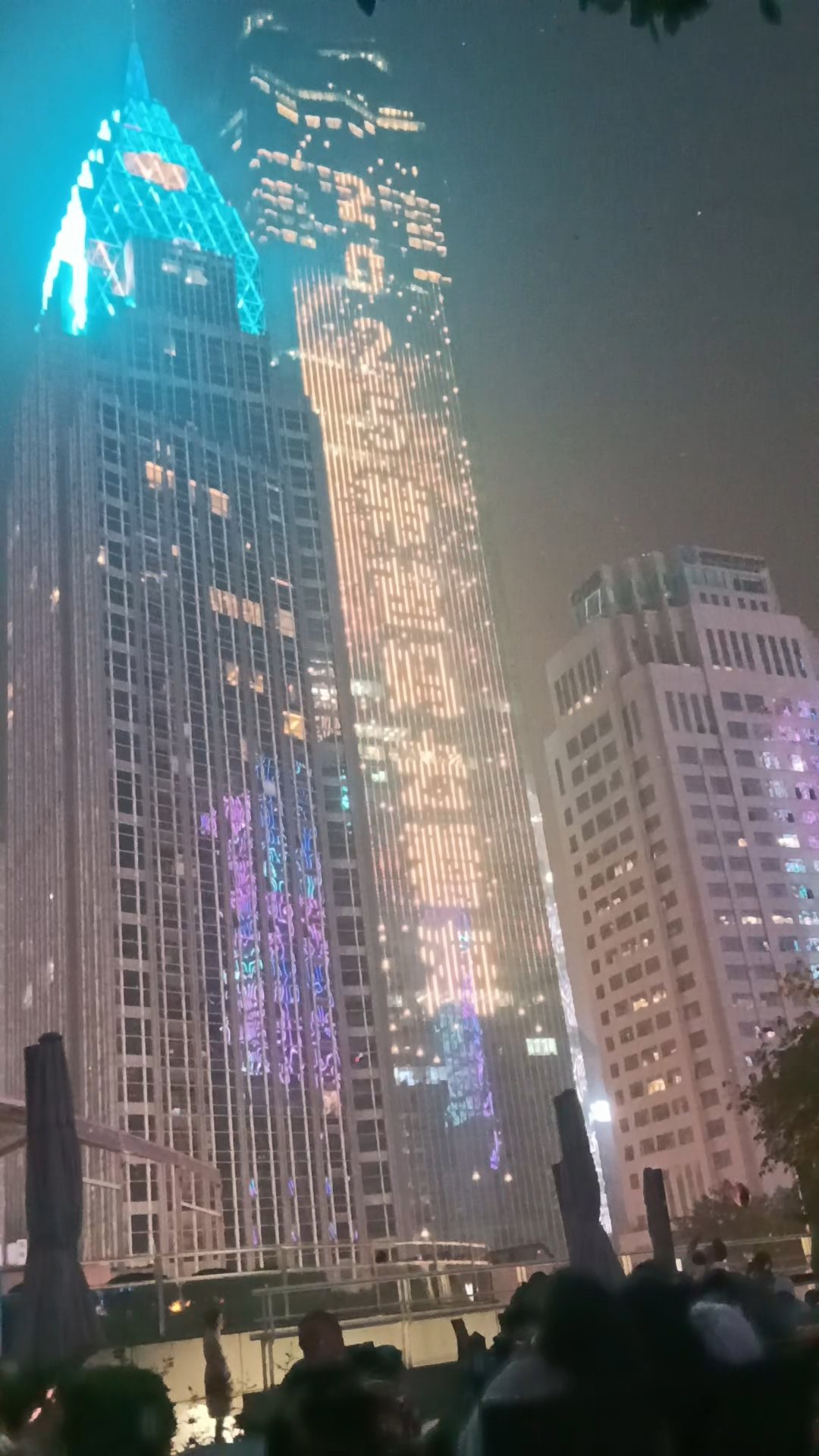
The bridge is illuminated nightly, creating a stunning cityscape and making it a popular destination for both daytime exploration and night photography (livingnomads.com).
Ticketing and Transportation
- Bridge Access No ticket required for pedestrians or vehicles
- Metro Access Valid Chongqing Metro ticket required for the lower deck loop line (cqmetro.cn)
- Getting There
- Metro Loop Line (nearest stations: Chaotianmen, Jiaochangkou)
- Bus/Taxi Available across the city; public transport recommended due to limited parking
- From Airport/Railway Taxi from Jiangbei International Airport (~35 min, 45–50 RMB); from Chongqing North Railway Station (~20 min, 20–30 RMB) (China Discovery)
Nearby Attractions and Urban Experiences
Iconic Riverfront Destinations
- Chaotianmen Dock Main departure point for Yangtze River cruises, including short city tours and the classic Three Gorges journey (China Discovery).
- Hongya Cave 11-story stilted complex known for traditional Bayu architecture, nightlife, and vibrant dining (China Discovery).
- Raffles City Chongqing Architectural marvel with a skybridge observation deck, luxury shopping, and panoramic city views.
- Jiefangbei CBD Chongqing’s commercial heart, famous for shopping, food streets, and the Liberation Monument.
- Longmenhao Old Street Preserved riverside enclave showcasing the city’s treaty port history.
- Qiansimen Bridge Popular photography spot for its cable-stayed design and city vistas.
- Yangtze River Cableway Offers a bird’s-eye view of the river confluence and bridges.
- Nanshan Tree Viewing Platform Elevated night views of Chongqing’s illuminated skyline.
- Huguang Guild Hall Restored Qing Dynasty complex for culture and history lovers.
- Chongqing Grand Theater Modern performing arts venue with spectacular riverfront views.
Food and Nightlife
The Chaotianmen area is a hub for Chongqing’s renowned spicy hotpot, street snacks, and riverside dining—especially lively after sunset (The Tourist Checklist).
Sustainable Infrastructure and Innovation
The bridge showcases Chongqing’s commitment to sustainability with:
- Energy-efficient LED lighting
- Noise reduction measures
- Resource-efficient construction techniques
- Dual-level structure maximizing land use and promoting public transit (ct-by.com)
These features reinforce the city’s goal of green urban development and efficient transportation.
Practical Travel Tips
- Best Photography Sunset, night, or from river cruises for illuminated views
- Weather Spring (March–May) and autumn (September–November) are most comfortable
- Crowds Visit early or late to avoid peak tourist hours and enjoy tranquility
- Safety Use designated pedestrian paths, especially when crossing the bridge; secure personal belongings during crowded events
Frequently Asked Questions (FAQ)
Q: What are the visiting hours of Chaotianmen Bridge?
A: Open to pedestrians 24 hours a day, year-round.
Q: Is there a ticket required to visit?
A: No ticket needed for bridge access; metro access requires a standard transit fare.
Q: How do I get there?
A: Take the Chongqing Metro Loop Line or a taxi; public transport is recommended.
Q: Is Chaotianmen Bridge wheelchair accessible?
A: Yes, with ramps and accessible sidewalks at both ends.
Q: What attractions are nearby?
A: Chaotianmen Dock, Hongya Cave, Raffles City, Jiefangbei, and more.
Q: When is the best time to visit?
A: Early morning for tranquility or evening for illuminated cityscape.
For More Travel Inspiration
Explore related posts on Chongqing Historical Sites, Yangtze River Cruise Guide, and Top Food Streets in Chongqing. Download the Audiala app for expert-guided tours, real-time city updates, and exclusive travel offers.