Introduction
The first time the city lights hit you from the Yangtze River Cableway, it feels like someone sliced open a mountain and poured neon into the wound. Chongqing doesn’t sit politely on the land. It stacks, folds, and tunnels through it in eight dizzying dimensions, 300-meter towers connected by bridges that look like they were drawn by a bored god.
This is China’s capital of fog and fire. The air often carries the scent of chili oil and river damp while 40,000 hot-pot restaurants keep the night alive. Locals sweat through extra-spicy bowls at 10 p.m. the way other cities sip cocktails. The topography forces every road to choose its own level; metro trains glide past apartment balconies so close you could hand the passengers a beer.
Yet the real surprise waits underground and on cliff faces. Tang-dynasty officials carved water-level records into submerged stone at Baiheliang for twelve centuries. Buddhist sculptors spent 400 years turning Dazu’s cliffs into a silent sermon where Confucians, Taoists, and monks share the same rock without raising their voices. The city keeps its oldest stories where they can’t be easily reached.
Come for the vertigo. Stay because the place refuses to resolve into a single image. One night you’re eating grilled fish on Nanbin Road while a light-rail train slides through a residential block. The next you’re standing on a 250-meter crystal sky bridge watching two rivers argue. Chongqing doesn’t explain itself. It simply dares you to keep up.
Places to Visit
The Most Interesting Places in Chongqing
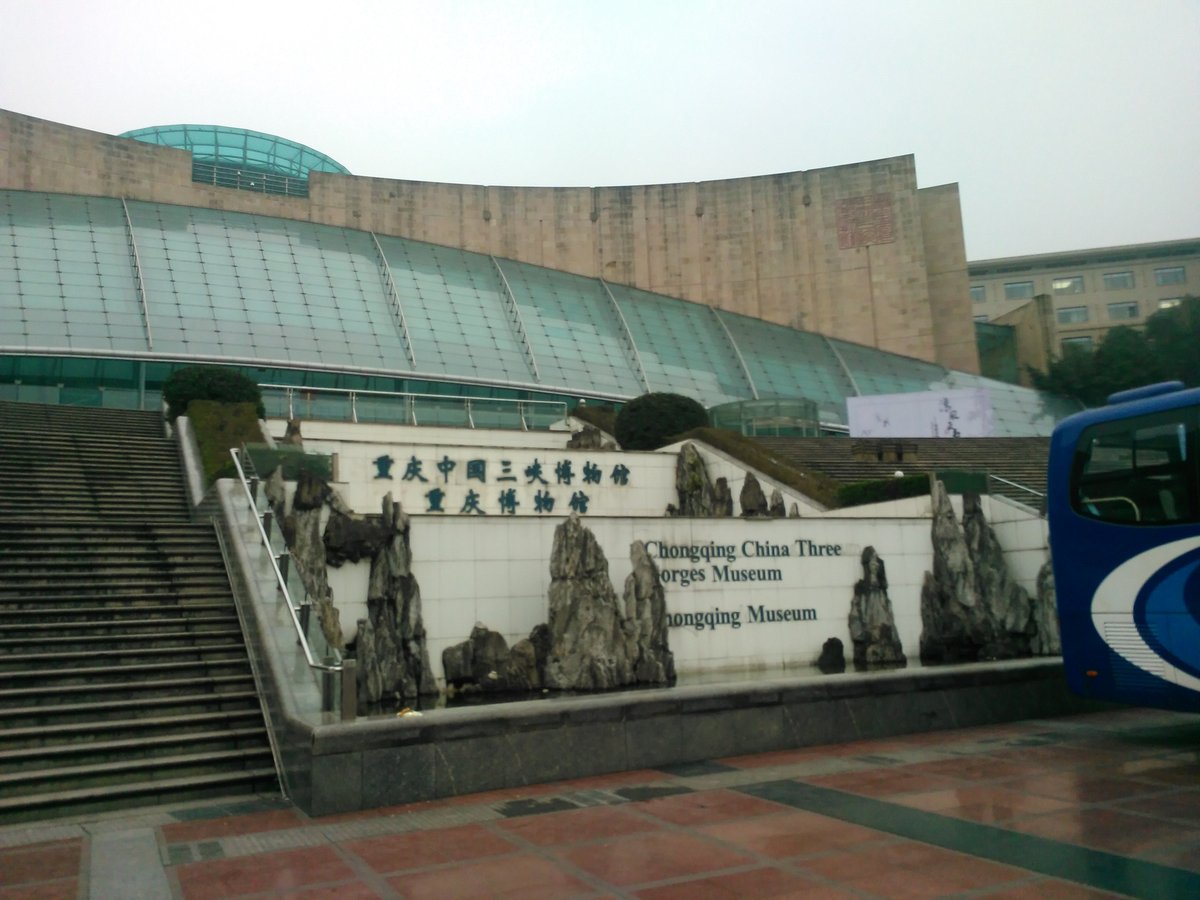
Three Gorges Museum
Situated in the vibrant heart of Chongqing, the Three Gorges Museum stands as a distinguished cultural landmark that offers visitors a profound exploration of…
Chongqing Tall Tower
Chongqing Tall Tower stands as a striking emblem of Chongqing’s rapid urban transformation and architectural ambition.
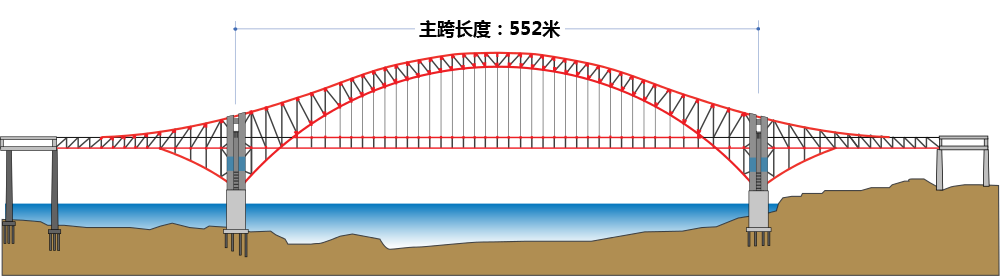
Chaotianmen Bridge
The Chaotianmen Bridge in Chongqing, China, stands as an extraordinary testament to modern engineering and urban development, linking the city's rich…
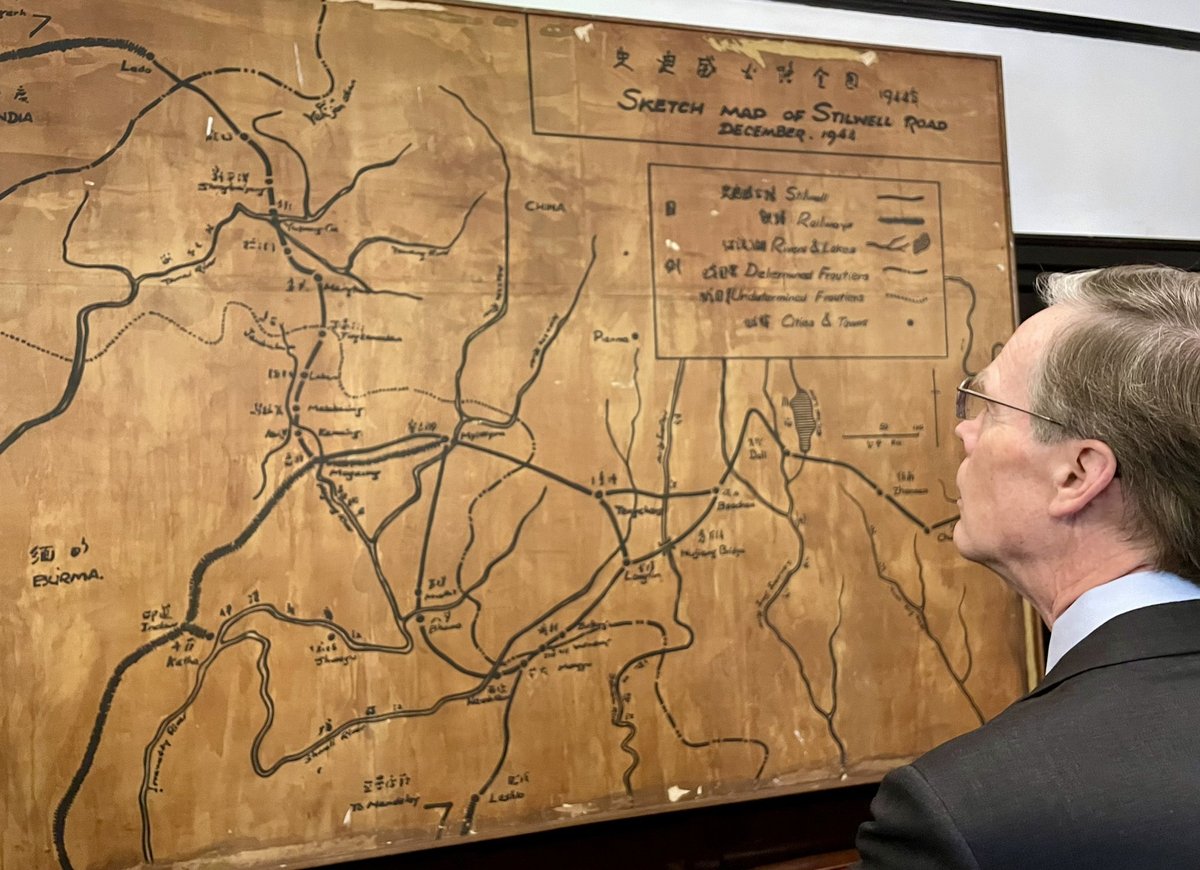
Stilwell Museum
Nestled in the heart of Chongqing’s Yuzhong District, the Stilwell Museum stands as a poignant monument to the legacy of General Joseph W.
Chongqing Science and Technology Museum
Nestled in the heart of Chongqing's dynamic Jiangbei District, the Chongqing Science and Technology Museum stands as a beacon of scientific education,…
Zhang Fei Temple
Nestled atop Feifeng Mountain in Yunyang County, Chongqing, Zhang Fei Temple stands as a monumental tribute to one of the Three Kingdoms era’s most revered…
Luohan Temple
Nestled in the vibrant heart of Chongqing’s Yuzhong District, Luohan Temple (罗汉寺) stands as a beacon of China’s rich Buddhist heritage and architectural…
Yingli Tower
Yingli Tower, also known as Yingli International Financial Centre, stands as one of Chongqing’s most iconic skyscrapers, symbolizing the city’s rapid…
Chongqing Grand Theatre
The Chongqing Grand Theatre stands as a monumental symbol of cultural ambition and architectural innovation in the vibrant city of Chongqing, People’s…
Geleshan Revolutionary Martyrs’ Cemetery
Nestled in the scenic hills of Chongqing’s Shapingba District, the Geleshan Revolutionary Martyrs’ Cemetery (歌乐山革命烈士陵园) stands as a profound monument honoring…
St. Joseph'S Cathedral, Chongqing
St. Joseph’s Cathedral in Chongqing stands as a remarkable embodiment of rich historical, architectural, and cultural significance nestled in the vibrant…
Chongqing Poly Tower
Nestled in the dynamic heart of Chongqing, China, the Chongqing Poly Tower stands as a striking emblem of the city’s rapid urban transformation and burgeoning…
What Makes This City Special
The 8D City
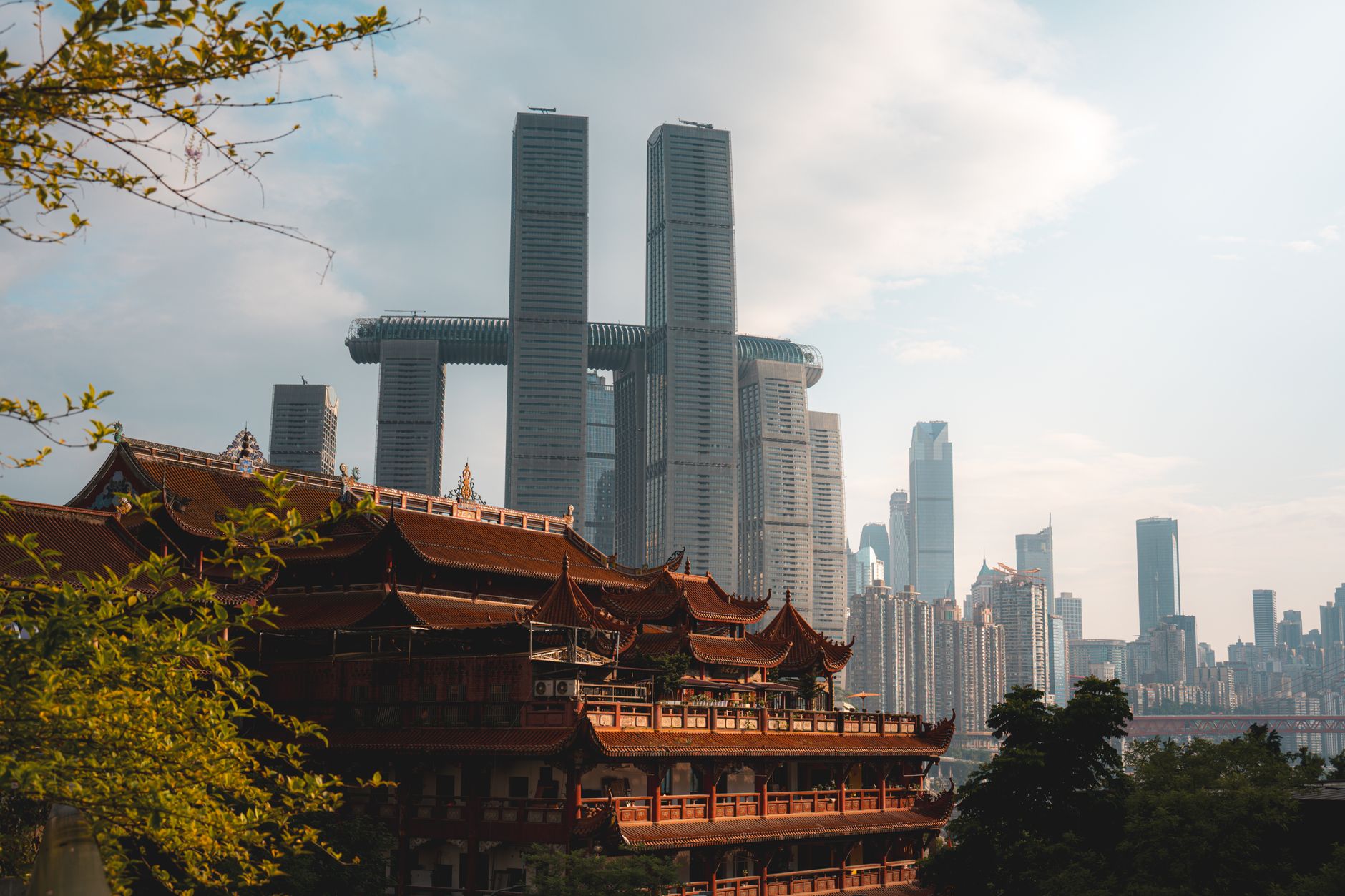
Chongqing stacks itself in layers that defy flat maps. You can exit a metro station on the 10th floor of a building and step straight onto street level, while the Yangtze and Jialing rivers carve 300-metre-deep valleys through the concrete. The Raffles City Crystal Sky Bridge, a 250-metre-long horizontal skyscraper floating 250 m above the ground, makes the vertigo feel intentional.
Spicy Inferno
The city that perfected Chongqing hotpot demands respect. Peppercorns numb your lips while dried chillies set your tongue on fire, all while you fish for tripe and pig's blood in a cauldron that never stops boiling. Street vendors at Ciqikou sell the same flavours tempered into skewers for 8 CNY.
Karst Underworld
Two hours south sits Wulong Karst, where three natural bridges span a 300-metre-deep tiankeng that swallows entire villages in fog. The same geological forces that created the 8D city above ground spent 200 million years carving this silent world below. UNESCO listed it in 2007 for good reason.
Hongya Cave at Night
Stand across the Jialing River after dark and watch Hongya Cave's stilted wooden buildings ignite in layers of neon. The effect is pure Spirited Away, except the spirits are eating spicy skewers at 11 pm. The light bounces off the water in ways that make phone cameras feel inadequate.
Historical Timeline
A City Forged in Fog, Fire and Double Celebration
From riverside stronghold of the Ba to the vertical megacity that outlasted bombs and empires
Birth of the Ba Kingdom
The misty confluence of the Yangtze and Jialing rivers became the capital of the Ba people. Jiangzhou, as they called it, rose on stilts above the floodwaters. Their boats slipped through the gorges carrying salt, fish and bronze weapons. The river dictated life here long before any emperor noticed.
Qin Conquest
Armies from the north smashed through the gorges and ended Ba independence. The conquerors established Ba Commandery the following year. Local customs survived beneath the bureaucracy. The river still rose and fell according to its own laws.
Renamed Yuzhou
Sui officials stamped a new character on the city: Yu. The name stuck. For the next six centuries officials, poets and exiles would arrive by boat and complain about the perpetual fog while secretly falling for the place.
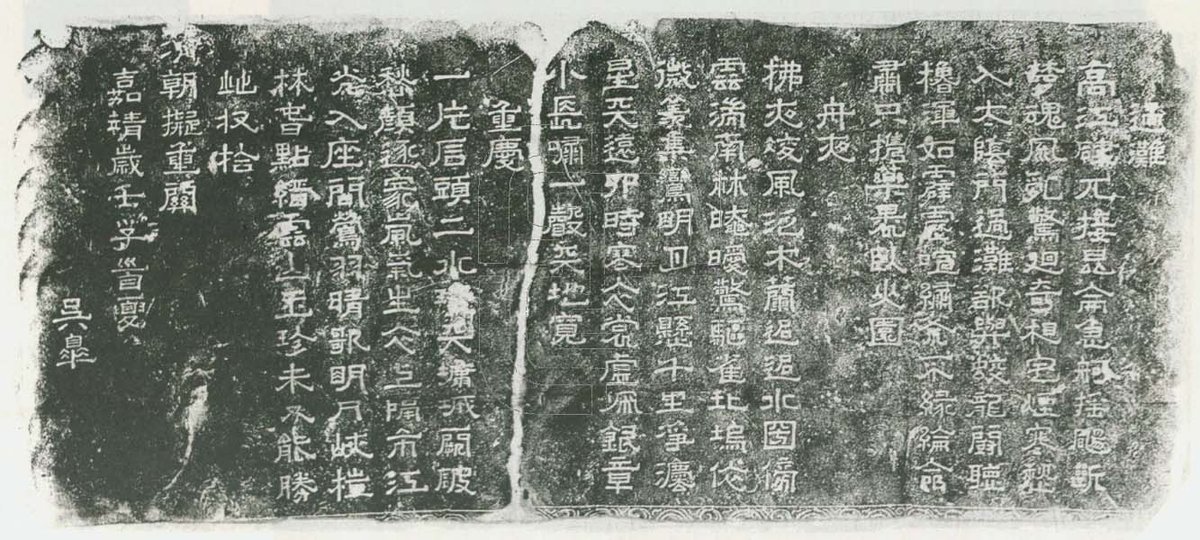
Huang Tingjian Inscribes the Stone Fish
The exiled poet and calligrapher Huang Tingjian stood on the exposed rock at Baiheliang during a drought. He carved elegant characters beside an ancient stone fish that marked low-water levels. His inscription joined records already 337 years old. The stone would eventually hold 1,200 years of hydrological memory.
Double Celebration
Prince Zhao Chun received his promotion to crown prince and his enfeoffment as King of Gong on the same day. In delight he renamed the city Chongqing. The characters literally mean "double celebration." Locals still smirk at the irony given the city's later history of war and upheaval.
Ming City Wall Built
Engineers laid out the new city wall following the pattern of the Bagua, the eight trigrams. Seventeen gates pierced the stone. The wall embraced the hilly peninsula like a crooked arm. Parts of it still surface during construction projects, surprising modern excavators.
Treaty Port Opens
After the Opium Wars, Chongqing reluctantly swung its gates open to foreign steamers. The riverfront filled with consulates, warehouses and the smell of opium and coal smoke. Sichuan's spices and medicines began their journey downstream to Shanghai and the world.
Guo Moruo's Early Years
The future writer and archaeologist spent part of his childhood in the city. The chaotic energy and layered streets left their mark. Decades later he would return to a very different Chongqing, this time as an intellectual fleeing Japanese invasion.
Wartime Capital
As Japanese armies swept down the coast, the Nationalist government fled upriver to Chongqing. The foggy mountain city became capital of Free China almost overnight. Government offices filled every available building. The constant mist that once annoyed poets now frustrated enemy bombers.
Five Years of Bombing
Japanese aircraft appeared almost daily for five and a half years. Tunnels carved into the rock sheltered hundreds of thousands during raids. The smell of cordite and burning wood became ordinary. Yet the city refused to break. Its defiance cost 30,000 civilian lives.
Zhou Enlai's Southern Bureau
Zhou Enlai directed Communist operations from a modest house in Red Crag village on the city's outskirts. He negotiated, spied and kept fragile alliances alive while bombs fell. The house still stands, its wooden floors worn smooth by the footsteps of future leaders.
Mao-Chiang Negotiations
Mao Zedong flew in for forty-three days of tense talks with Chiang Kai-shek. They drank tea and traded barbs while the world waited. The resulting agreement collapsed within months. The meetings happened in a building that now stands quietly beside the river, its walls holding secrets neither side fully revealed.
Liberation
People's Liberation Army troops entered the city in late November. The Nationalist government had already fled to Taiwan. Chongqing's role as wartime capital ended as suddenly as it began. New red flags replaced the old ones on buildings still pockmarked by shrapnel.
Yang Angong Recognized
The former residence of early Communist martyr Yang Angong in Tongnan District received protection as a revolutionary site. His story of organizing peasants in the 1920s became part of the official narrative. The modest courtyard house still receives quiet visitors who leave flowers at dawn.
Municipality Status
Beijing carved Chongqing out of Sichuan and made it China's fourth direct-controlled municipality. The city suddenly governed 30 million people across 82,000 square kilometers. Overnight it became responsible for both its skyscrapers and its poorest mountain villages.
The 8D City Emerges
Engineers began stacking metro lines, roads and buildings in ways that defied two-dimensional maps. Light-rail trains glide between apartment towers on the third and fourth floors. Locals navigate using landmarks instead of street names. The topography that once isolated the city now defines its impossible beauty.
Hongya Cave Reborn
The stilted wooden buildings clinging to the cliff above the Jialing River received dramatic night-time illumination. Tourists compared the scene to Spirited Away. Locals remembered when the same structures housed opium dens and boatmen. The lights hide as much history as they reveal.
Still Rising
The city that survived Japanese bombs, political purges and impossible geography continues its vertical expansion. New metro lines burrow deeper into the rock. Fog still rolls up the Yangtze at dawn exactly as it did when Huang Tingjian stood on the stone fish. Some truths refuse to change.
Notable Figures
Huang Tingjian
1045–1105 · Poet and CalligrapherSent into exile, Huang Tingjian stood before the stone fish carvings at Baiheliang and cut his own inscription into the rock in 1100. The calligraphy still survives underwater. He would probably laugh at the modern underwater museum built to protect his words, then complain that the crowds ruin the silence he once found there.
Guo Moruo
1892–1978 · Writer and HistorianGuo Moruo kept a late-Qing courtyard residence in Chongqing while the city burned under Japanese bombs. From these rooms he wrote fiery essays and archaeological papers that shaped how China saw its own past. Today the courtyard sits quietly between tower blocks; he might find the surrounding noise both familiar and exhausting.
Photo Gallery
Explore Chongqing in Pictures
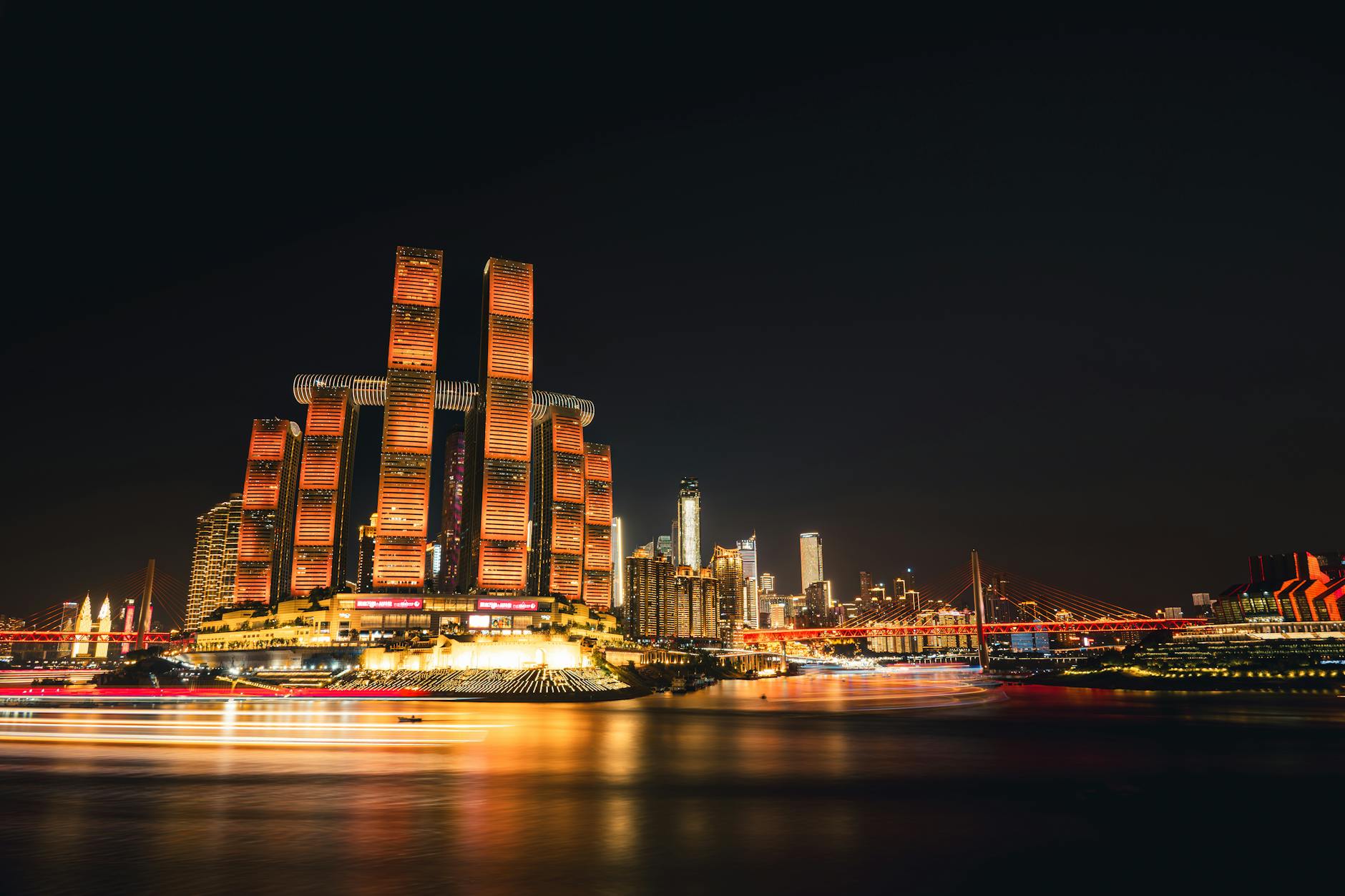
The striking architectural silhouette of Raffles City, a landmark skyscraper complex in Chongqing, China, featuring a unique horizontal skybridge.
何 颖 on Pexels · Pexels License
The vibrant skyline of Chongqing, China, glows at night as city lights reflect beautifully across the river beneath a modern cable-stayed bridge.
PENG ZHANG on Pexels · Pexels License
The stunning Hongya Cave complex glows with golden lights at night, showcasing the unique stilt-style architecture that defines the Chongqing cityscape.
Tom Zhou on Pexels · Pexels License
The striking Raffles City Chongqing complex glows against the night sky, overlooking the vibrant riverfront of this major Chinese metropolis.
Liuuu _61 on Pexels · Pexels License
The traditional stilt-style architecture of Hongya Cave creates a stunning contrast against the modern high-rise skyline of Chongqing, China.
Citrus M on Pexels · Pexels License
The historic Luohan Temple sits in the foreground, framed by the futuristic Raffles City Chongqing complex in the background.
Liuuu _61 on Pexels · Pexels License
The vibrant red lights of the Dongshuimen Bridge illuminate the modern skyline and historic architecture of Chongqing, China, reflecting beautifully on the Yangtze River.
Xiang Qi on Pexels · Pexels License
The vibrant cityscape of Chongqing, China, glows at twilight with illuminated riverboats passing beneath a modern cable-stayed bridge.
rasd on Pexels · Pexels License
The iconic Hongya Cave stilt houses glow with golden lights along the Yangtze River, framed by the striking red structure of the Qianximen Bridge in Chongqing, China.
Jackson Oo Er Meng on Pexels · Pexels License
A silhouetted observer takes in the breathtaking night view of Chongqing's illuminated skyline and the reflective waters of the Yangtze River.
Ruiyang Zhang on Pexels · Pexels License
The illuminated skyline of Chongqing, China, glows at night with a striking red bridge spanning the river as crowds gather along the waterfront.
miyou_ 77 on Pexels · Pexels License
The vibrant night skyline of Chongqing, China, glows with illuminated skyscrapers reflecting off the river waters.
Tito Zzzz on Pexels · Pexels License
Practical Information
Getting There
Chongqing Jiangbei International Airport (CKG) connects directly to most major Asian cities. Metro Line 10 reaches Jiefangbei in 35 minutes. High-speed trains arrive at Chongqing North, West, and Shapingba stations; the Beijing–Chongqing service takes 7.5 hours. In 2026 the new 430 m tower near the airport will be halfway complete.
Getting Around
The Chongqing Rail Transit system runs 11 lines in 2026 and remains the only way to move sensibly through the vertical chaos. Lines 1, 2 and 6 cover every tourist spot between Hongya Cave and Ciqikou. Buy a transport card for 30 CNY (includes 5 CNY credit) or use Alipay's Ride Code. Standard GPS fails here. Download Amap.
Climate & Best Time
Spring (March–May) averages 18–25°C with manageable rain. Summers earn the “furnace” nickname with 35°C days and 90% humidity from June to August. September–November brings 15–24°C and clearer skies. Avoid winter if you dislike damp fog that lingers for weeks.
Language & Currency
English appears rarely outside major hotels. Download Alipay before landing; it includes a translator and handles metro, taxis, and payments. Link your international card in advance. Carry your hotel address written in Chinese characters. Cash works but almost nobody uses it in 2026.
Where to Eat
Don't Leave Without Trying
Shangmeng Restaurant
local favoriteOrder: The braised dishes showcase authentic Jianghu cuisine—bold, rustic flavors with the signature mala (numbing and spicy) kick that defines Chongqing cooking.
A perfect local spot where Chongqing residents actually eat. This is where you'll find traditional river-and-lakes cuisine prepared the way locals prefer it, away from tourist crowds.
Jiangnan Nuomi Cake
quick biteOrder: The sticky rice cakes (nuomi cake) are the star—soft, slightly sweet, and perfect for breakfast or a quick snack between meals.
A neighborhood bakery where locals grab breakfast before work. The quality is consistently excellent and prices are honest—this is authentic Chongqing eating.
两岸咖啡 (Liang'an Coffee)
cafeOrder: Their espresso drinks and locally-roasted coffee are reliable—a calm refuge from Chongqing's frenetic pace.
Located in a modern plaza in Yu Zhong, this is where young professionals and creatives gather. Clean, contemporary vibe with serious coffee.
Mr. Tree
fine diningOrder: Craft cocktails made with attention to detail—the bartenders know their craft and will recommend based on your mood.
A sophisticated watering hole in the Longhu development along the Yangtze. Perfect for evening drinks with views and a cosmopolitan crowd.
Litun
local favoriteOrder: Local beers and simple Sichuan bar snacks—nothing fancy, but honest and satisfying.
Right near Ceng Jia Yan Light Rail Station, this is a genuine locals' bar where you'll hear Chongqing dialect and see real neighborhood life.
Northeast Dumpling House
quick biteOrder: The dumplings are fresh and generously filled—order a steamer basket and pair with their house chili oil for authentic northeast-Sichuan flavor.
Unpretentious dumpling spot in the Qixinggang area where locals come for reliable, inexpensive comfort food. No frills, just excellent technique.
Wanwanxiang
local favoriteOrder: The spicy stir-fried dishes showcase the region's mastery of mala flavors—ask for the house special if you can handle real heat.
Tucked into a residential lane, this is where neighborhood families eat dinner. Authentic Sichuan cooking without the tourist markup.
Romantic Times Pub
local favoriteOrder: Local beers and simple bar bites—think snacks meant to accompany drinking, not a full meal.
A laid-back pub vibe in the Daxigou area where you can observe real Chongqing nightlife. Good for evening drinks and people-watching.
Dining Tips
- check Tipping is not expected in China—staff are not accustomed to it. Most local Chongqing eateries do not include service charges.
- check Payment is almost exclusively mobile: use Alipay or WeChat Pay. Link your international bank card to these apps before arrival.
- check Spice levels in Chongqing are genuinely intense. If you're not accustomed to Sichuan peppercorns, ask for 'wei la' (mild spice)—but expect it to still be spicier than most Western 'spicy' food.
- check For popular restaurants, especially on weekends and holidays, make reservations ahead. Local eateries and street-side spots welcome walk-ins.
- check Meal times: Breakfast 7–9 AM (heavy and savory), Lunch 12–1:30 PM, Dinner 6:30–8:30 PM. Chongqing is a late-night city; hotpot and night markets often stay open well past midnight.
- check Restaurants in Chongqing are open 7 days a week, including public holidays—these are peak business times.
- check When dining in a group, wait for the host or eldest person to signal before starting to eat—it's a mark of respect.
- check Avoid tourist traps like Hongyadong for authentic eating; head to residential areas like Renhe district where locals actually dine.
Restaurant data powered by Google
Tips for Visitors
Visit in Spring or Autumn
Come March–May or September–November. Summers hit furnace temperatures while winters stay damp and foggy; these shoulder seasons give clear skies over the 8D topography.
Master the Metro
Lines 1, 2, 3, 6 and 10 cover every major sight from Jiefangbei to the airport. Buy a transport card for 30 CNY or use WeChat/Alipay ride codes. GPS often fails in the vertical layers.
Order Hot Pot Wisely
Skip the tourist traps inside Hongya Cave. Head to Xianlongjing Hot Pot Park or neighborhood spots like Laozao. Ask for “medium” spice on your first try; the beef tallow base is unforgiving.
Prepare for Language
English is rare outside hotels. Download Alipay with its translator, Baidu Translate, and save your hotel address in Chinese characters. Taxi drivers cannot read pinyin.
Forget Cash and Tipping
Link an international card to WeChat Pay or Alipay before arrival. Cash is rarely accepted and tipping is unknown; offering it can confuse staff.
Wear Proper Shoes
The city’s elevation changes are extreme. Comfortable shoes are non-negotiable whether climbing to Single Tree Vista on Nanshan or navigating multi-level pedestrian streets.
Explore the city with a personal guide in your pocket
Your Personal Curator, in Your Pocket.
Audio guides for 1,100+ cities across 96 countries. History, stories, and local insight — offline ready.
Audiala App
Available on iOS & Android
Join 50k+ Curators
Frequently Asked
Is Chongqing worth visiting? add
Yes, if you like cities that feel like layered video games. The nighttime glow of Hongya Cave’s stilted houses over the Jialing River, the Yangtze Cableway slicing between skyscrapers, and bowls of numbing hot pot create a sensory experience you won’t find anywhere else in China.
How many days do you need in Chongqing? add
Four days works for most people. Two days cover Yuzhong District sights like Hongya Cave, Jiefangbei, Ciqikou and the cableway. Add one day for Dazu Rock Carvings and one for Wulong Karst or a slower pace exploring the city’s vertical layers.
How do you get from Chongqing airport to the city center? add
Take Metro Line 10; it’s fastest to Jiefangbei and runs until around 22:30. Shuttle buses K01–K07 cost 15–20 CNY. Taxis start at 10 CNY for the first 3 km but can get expensive in traffic.
Is Chongqing safe for solo travelers? add
Yes. Petty scams targeting tourists exist around Jiefangbei and the airport; ignore anyone offering cheap tours. The biggest hazard is simply getting lost in the 8D streets. Keep police number 110 saved.
Is Chongqing expensive to visit? add
It’s budget-friendly compared with Shanghai or Beijing. Metro rides cost a few yuan, hot pot meals run 50–80 CNY per person, and most attractions are cheap or free. Use transport apps and skip taxis to keep daily costs low.
When is the best time to visit Chongqing? add
March to May or September to November. These months avoid the suffocating summer heat that earned the city its “furnace” nickname and the damp winter fog that can hide the skyline for days.
Sources
- verified UNESCO World Heritage Centre — Details on Dazu Rock Carvings, South China Karst (Wulong & Jinfoshan), and Baiheliang Ancient Hydrological Inscription.
- verified iChongqing & China Discovery — Airport transfers, metro information, former residences of historical figures, and practical visitor logistics.
- verified TravelChinaGuide & KKday — Climate data, best visiting months, safety advice, navigation tips for the 8D city, and local customs.
Last reviewed: