Plan and listen to Zhaoling Mausoleum (Ming Dynasty) with Audiala.
Audio guide in your pocket, itinerary in your browser. Built for the way you actually visit.
Introduction
Zhaoling Mausoleum, part of the illustrious Ming Tombs complex in Beijing's Changping District, is a testament to the architectural grandeur and profound cultural traditions of the Ming Dynasty. As the resting place of Emperor Zhu Zaihou (the Longqing Emperor), Zhaoling exemplifies the dynasty’s commitment to imperial legitimacy, ancestor reverence, and cosmological harmony. This comprehensive guide provides everything you need to know about Zhaoling Mausoleum visiting hours, ticketing, accessibility, historical context, and travel tips—helping you plan an enriching visit to one of Beijing’s most significant historical sites.
For up-to-date details and further information, consider consulting resources such as the Official Ming Tombs Visitor Information and China Highlights Ming Tombs Guide.
Historical Context and Significance
Constructed between 1572 and 1573, Zhaoling Mausoleum is the tomb of Zhu Zaihou, the 12th emperor of the Ming Dynasty. The site was selected for its auspicious feng shui at the foot of the Jundu Mountains, forming part of the Thirteen Ming Tombs—a necropolis for thirteen of the dynasty's sixteen emperors. The mausoleum was designed to reflect the Ming emphasis on centralized authority and the veneration of ancestors, key principles of imperial Confucianism. Its construction marked an era of stability, ritual refinement, and architectural achievement (Hello China Trip; New World Encyclopedia).
Ming Tombs Complex and Zhaoling’s Role
Zhaoling is one of three Ming tombs currently open to the public, alongside Changling and Dingling. The complex as a whole is recognized as a UNESCO World Heritage Site for its outstanding universal value as a masterpiece of imperial funerary architecture (UNESCO). Zhaoling stands out for its harmonious integration into the landscape and for preserving unique ancillary buildings, such as the sacred kitchen and storeroom, which offer rare insights into Ming burial rituals.
Architectural Features and Symbolism
Layout and Structures
- Spirit Way (Shén Dào): The ceremonial approach is lined with imposing stone statues—lions, camels, elephants, officials, and mythical beasts—symbolizing vigilance, spiritual guardianship, and the emperor’s journey to the afterlife (China Highlights).
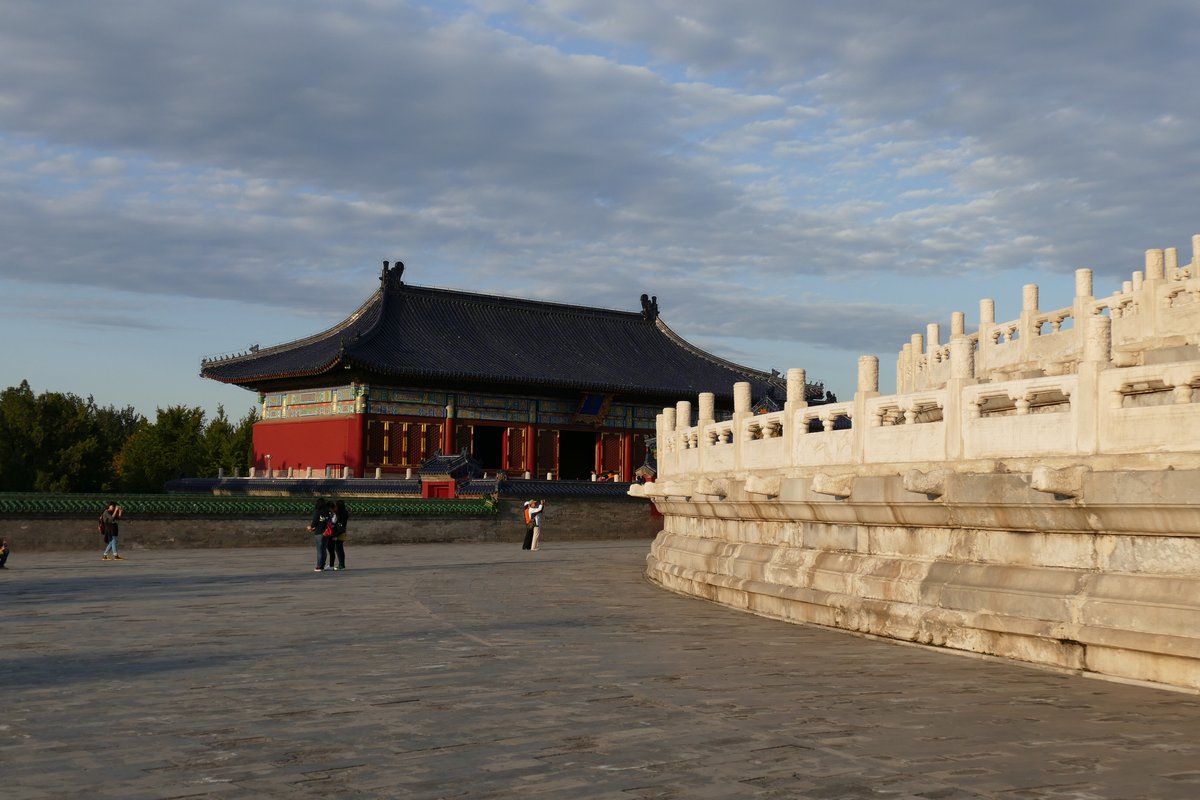
- Ling’en Gate and Hall: The grand entrance and sacrificial hall are adorned with yellow glazed tiles, red walls, and intricate wooden brackets, embodying imperial dignity.
- Minglou (Soul Tower): Marks the boundary to the burial mound and serves as a spiritual focal point.
- Baoding (Precious Castle) and Burial Mound: The circular enclosure, crowned by the burial mound, represents the unity of heaven and earth.
Symbolic Decoration
The site abounds with Confucian, Daoist, and Buddhist motifs: dragons (imperial authority), phoenixes (auspiciousness), lotus flowers (purity), and cloud patterns (cosmic harmony). The color scheme of yellow tiles and red walls further emphasizes imperial power.
Unique Features
Zhaoling preserves its sacred kitchen and storeroom, rarely found at other tombs, illustrating the complexity of Ming funerary practices. The “Dumb Courtyard” (Yaba Yuan) offers a unique, tranquil space for reflection.
Cultural Importance and Rituals
Zhaoling was not just a tomb but a living site of ancestor worship and imperial commemoration. Annual rituals, including offerings of food, incense, and music, reinforced dynastic legitimacy and filial piety. The mausoleum’s design and inscriptions served as enduring reminders of the emperor’s virtues and the dynasty’s cosmological worldview (New World Encyclopedia).
Preservation and World Heritage Status
After centuries of restricted access, Zhaoling opened to the public in 1990 following careful restoration. It remains one of the best-preserved Ming tombs, with ongoing conservation overseen by Chinese cultural authorities. The unexcavated underground palace safeguards the site’s integrity for future generations. Since 2003, Zhaoling has been part of the UNESCO-designated “Imperial Tombs of the Ming and Qing Dynasties,” recognized for its architectural, historical, and cultural significance (UNESCO).
Visiting Hours, Tickets, and Accessibility
- Visiting Hours: Open daily from 8:30 AM to 5:00 PM, with last entry at 4:30 PM (April–October); winter hours may vary slightly.
- Ticket Prices: CNY 30 (April–October); CNY 20 (November–March). Children under 1.2m enter free. Combined tickets for multiple tombs are available at main entrances and via WeChat.
- Accessibility: Most paths are paved and gently sloped, suitable for wheelchair users, though some areas may require assistance. Rest benches and shaded spots are available throughout the grounds.
- Tickets: Purchase at the entrance or online via the Official Ming Tombs Visitor Information.
Travel Tips and Nearby Attractions
- Getting There: Zhaoling is about 50 kilometers northwest of central Beijing. Take the Changping Line (Line 8) to Ming Tombs Station, then a short taxi or bus ride to the site. Private vehicles and tour buses are also convenient.
- Duration: Allow 40–60 minutes to explore Zhaoling itself, or plan a full day to see other Ming Tombs and the nearby Sacred Way.
- Nearby Sites: Visit Changling and Dingling Tombs, the Sacred Way, and the Badaling section of the Great Wall for a comprehensive historical itinerary (China Highlights Ming Tombs).
- Best Time to Visit: Spring and autumn offer comfortable weather and scenic beauty.
- Amenities: Restrooms and souvenir stalls are located near the entrance; bring your own snacks and water.
- Guided Tours: Available in multiple languages through local agencies and on-site. Audio guides and interpretive signage enrich the visitor experience.
- Photography: Permitted in outdoor areas; flash and tripods may be restricted indoors.
Visitor Experience and Highlights
Visitors are greeted by the tranquil setting of ancient pines and harmonious architecture. Walking the Spirit Way and exploring the ceremonial halls and unique “Dumb Courtyard” offers insight into the Ming worldview and their elaborate burial rites. The site is well-suited for both independent sightseeing and guided cultural tours. Virtual tours and high-quality maps are available online (Virtual Tour of Zhaoling Mausoleum).
Frequently Asked Questions (FAQ)
Q: What are the Zhaoling Mausoleum visiting hours?
A: 8:30 AM–5:00 PM daily, last entry at 4:30 PM. Winter hours may be shorter.
Q: How much are Zhaoling Mausoleum tickets?
A: CNY 30 (April–October), CNY 20 (November–March). Children under 1.2m are free.
Q: Is Zhaoling Mausoleum wheelchair accessible?
A: Most main areas are accessible; some paths may require assistance.
Q: How do I get there from Beijing?
A: Subway to Ming Tombs Station (Line 8), then short taxi/bus ride; or via private vehicle/tour bus.
Q: Are guided tours available?
A: Yes, both on-site and through local agencies.
Q: Can I photograph inside the mausoleum?
A: Yes, in most outdoor areas; restrictions may apply indoors.
Internal Links
Listen to the full story in the app
The whole Zhaoling Mausoleum (Ming Dynasty),
told well.
Listen to sourced travel stories with local history and practical context — ready offline.

Verified, and shown.
Researched and written by the Audiala editorial team from historical records, architectural archives, and local expertise.
Built from cited sources · see the method · How we make our guides →