Plan and listen to Yonghe Temple with Audiala.
Audio guide in your pocket, itinerary in your browser. Built for the way you actually visit.
Introduction
Yonghe Temple, also known as Yonghegong (雍和宫) or the Lama Temple, is one of Beijing’s most iconic historical sites, seamlessly blending imperial Qing dynasty grandeur with the spiritual traditions of Tibetan Buddhism. Originally constructed in 1694 as the residence of Prince Yinzhen—later Emperor Yongzheng—the complex was transformed into a Tibetan Buddhist monastery in 1744, marking a significant cultural and political milestone in China’s history. Today, Yonghe Temple serves as both an active place of worship and a major attraction for visitors seeking insights into China’s multicultural past and vibrant spiritual life (China Odyssey Tours; Tour-Beijing.com; Gran Viaje China).
This guide provides essential information for planning your visit: opening hours, ticket prices, transport options, accessibility, nearby attractions, and travel tips. Whether you are a history enthusiast, architecture lover, or spiritual seeker, this article will ensure a rewarding visit to one of Beijing’s most treasured landmarks.

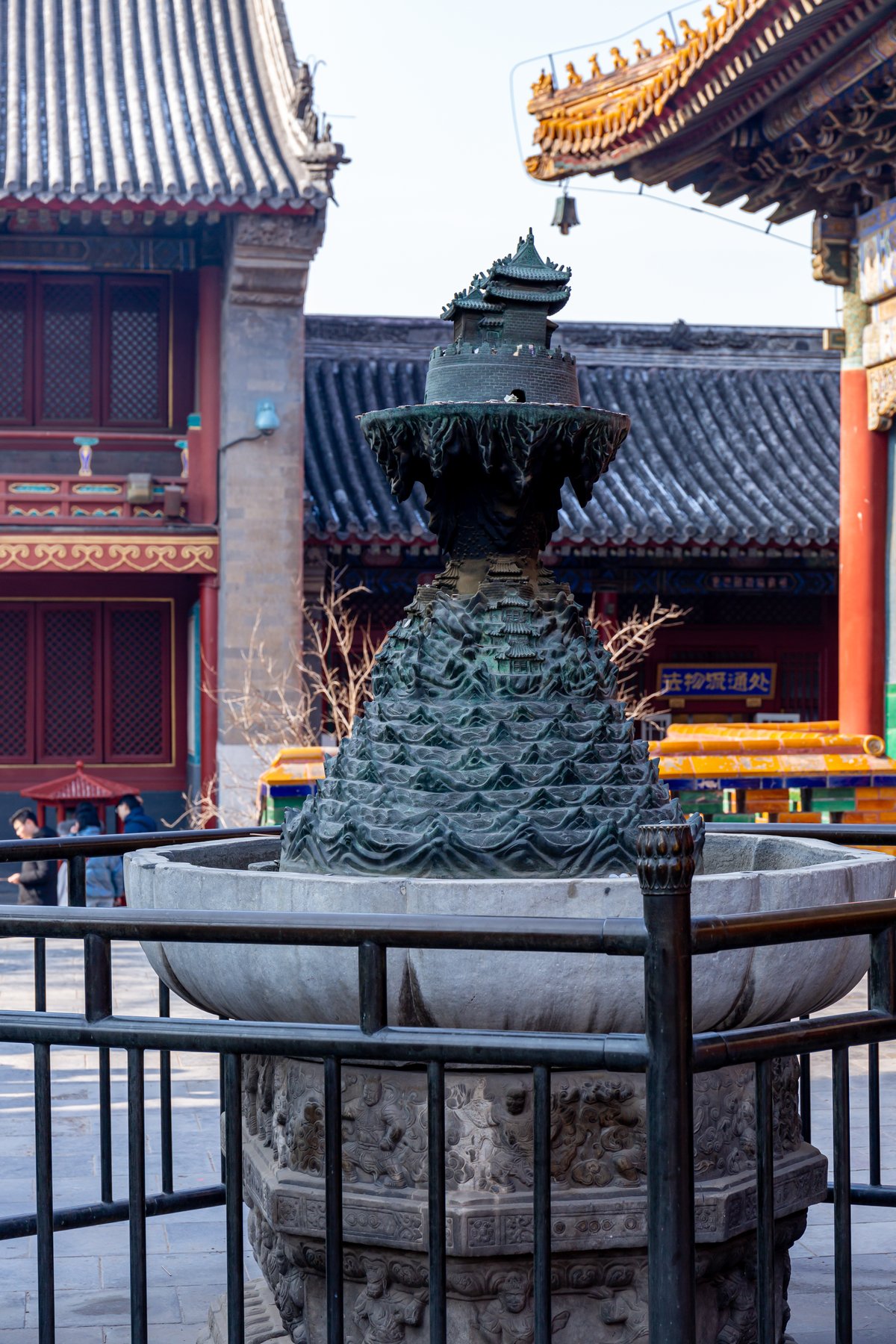
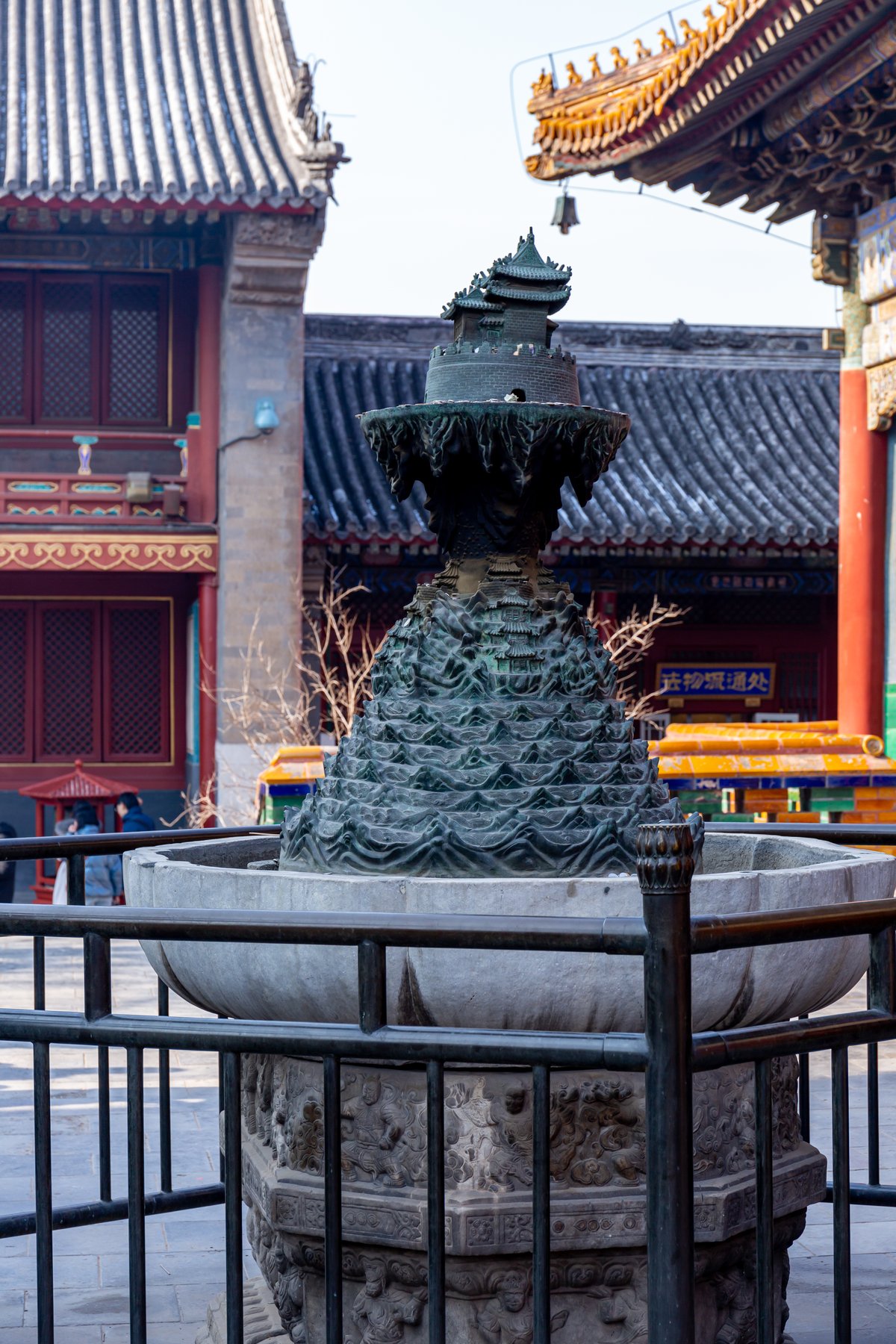
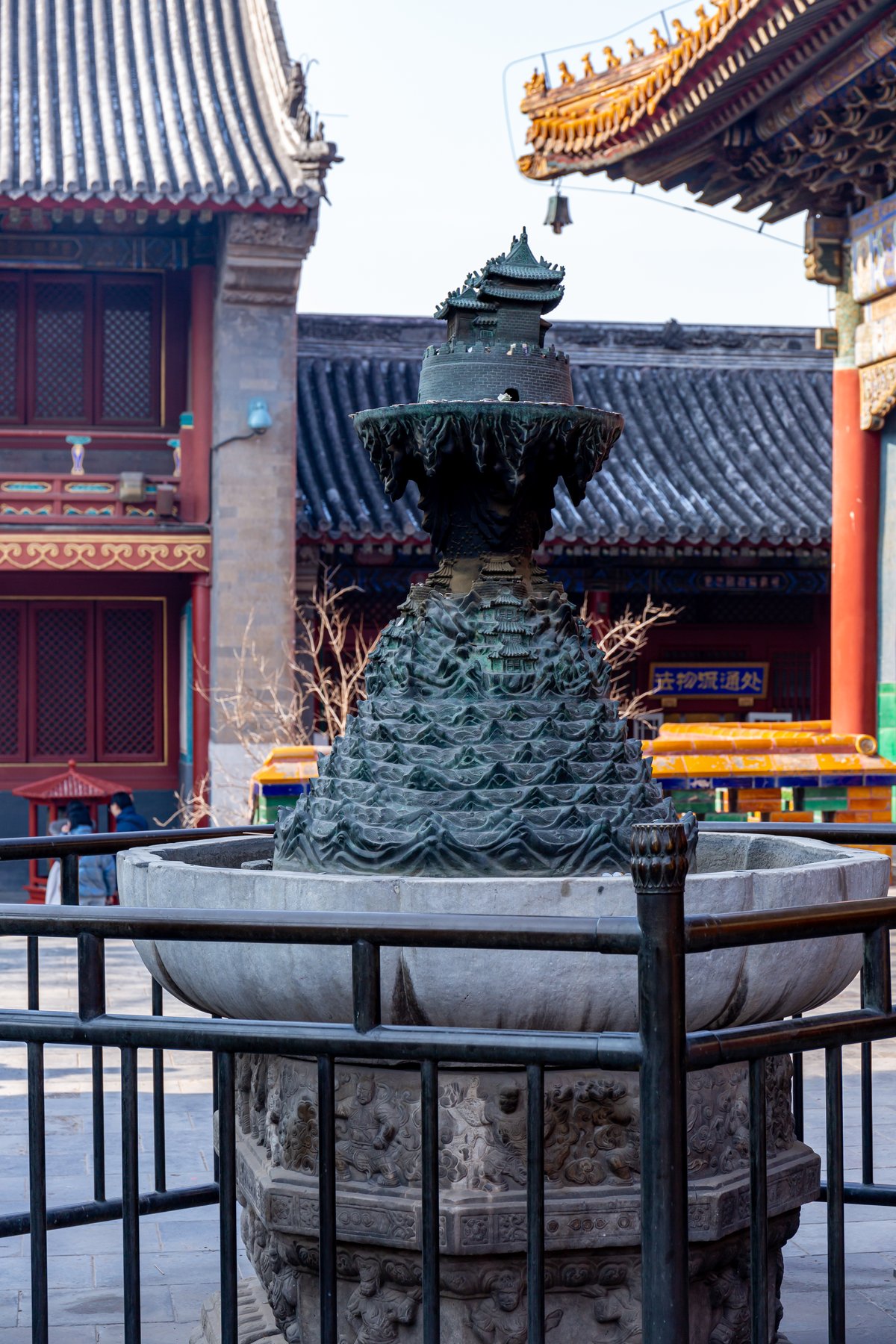
Historical Background
Imperial Origins and Transformation
Yonghe Temple was established in 1694 as the residence for Prince Yinzhen, who would later become Emperor Yongzheng. The structure’s initial design reflected its imperial function, with green-glazed tiles signifying its princely status (China Odyssey Tours; Discover Walks). In 1725, following Yinzhen’s ascension, the complex was elevated to palace status and renamed Yonghe Gong, adopting yellow-glazed tiles reserved for the emperor (China Travel).
Upon Emperor Yongzheng’s death, his coffin was temporarily placed in the Hall of Everlasting Protection (Yongyoudian), further cementing the site’s imperial significance (Discover Walks).
In 1744, Emperor Qianlong converted Yonghe Temple into a Tibetan Buddhist monastery. This shift symbolized both respect for his father and an imperial strategy to integrate Tibetan Buddhism into the Qing dynasty’s multicultural governance (Travelur China; Wikipedia). The temple became the administrative center for Tibetan Buddhist affairs in China, reinforcing Qing authority over Tibet, Mongolia, and other frontier regions (RuQin Travel).
Architectural Evolution and Layout
Yonghe Temple is celebrated for its harmonious combination of Han Chinese and Tibetan styles. The complex occupies 66,400 square meters and is organized along a north-south axis, featuring seven courtyards and five main halls (China Travel; East China Trip). The layout reflects both imperial and religious hierarchies.
Key structures include:
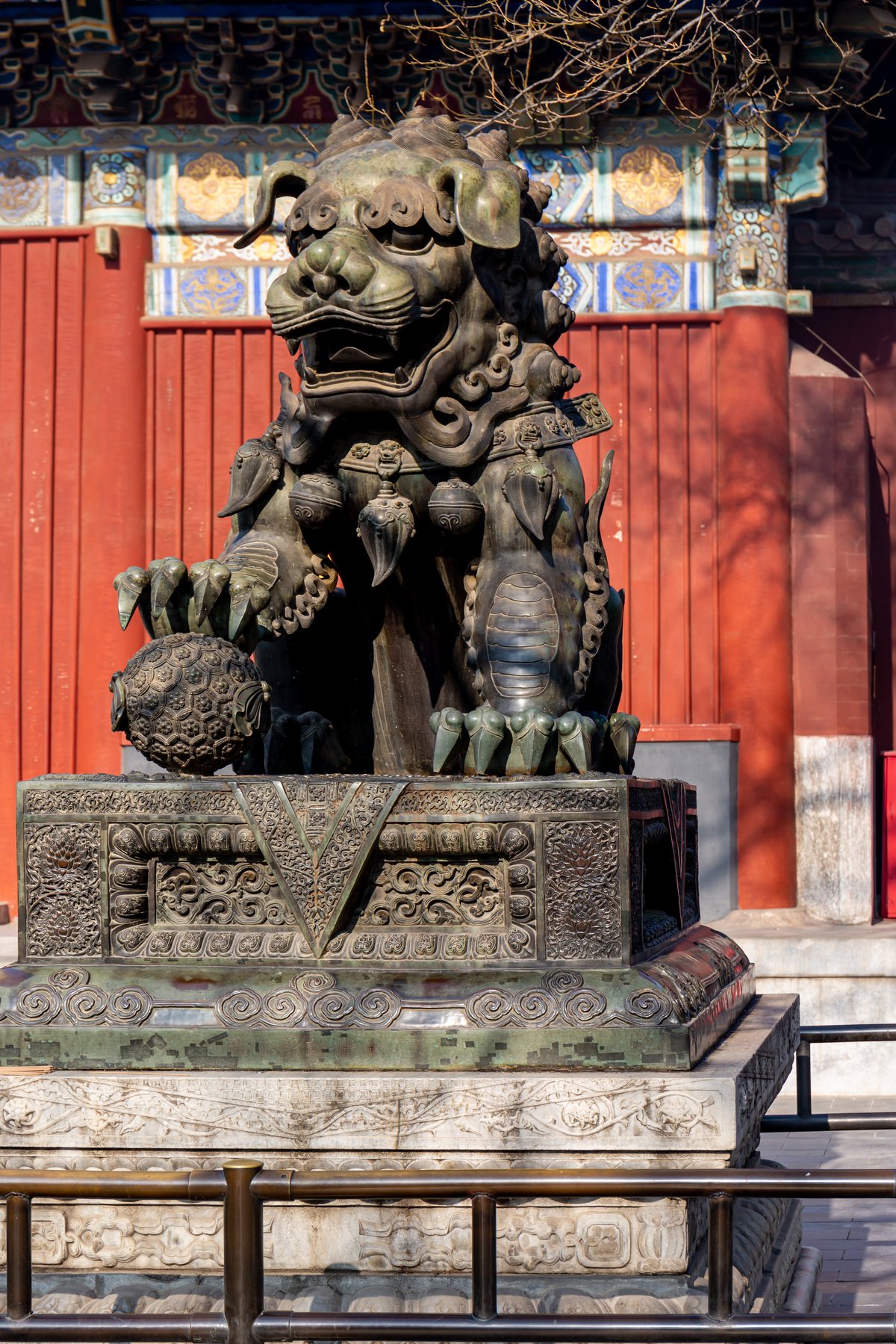
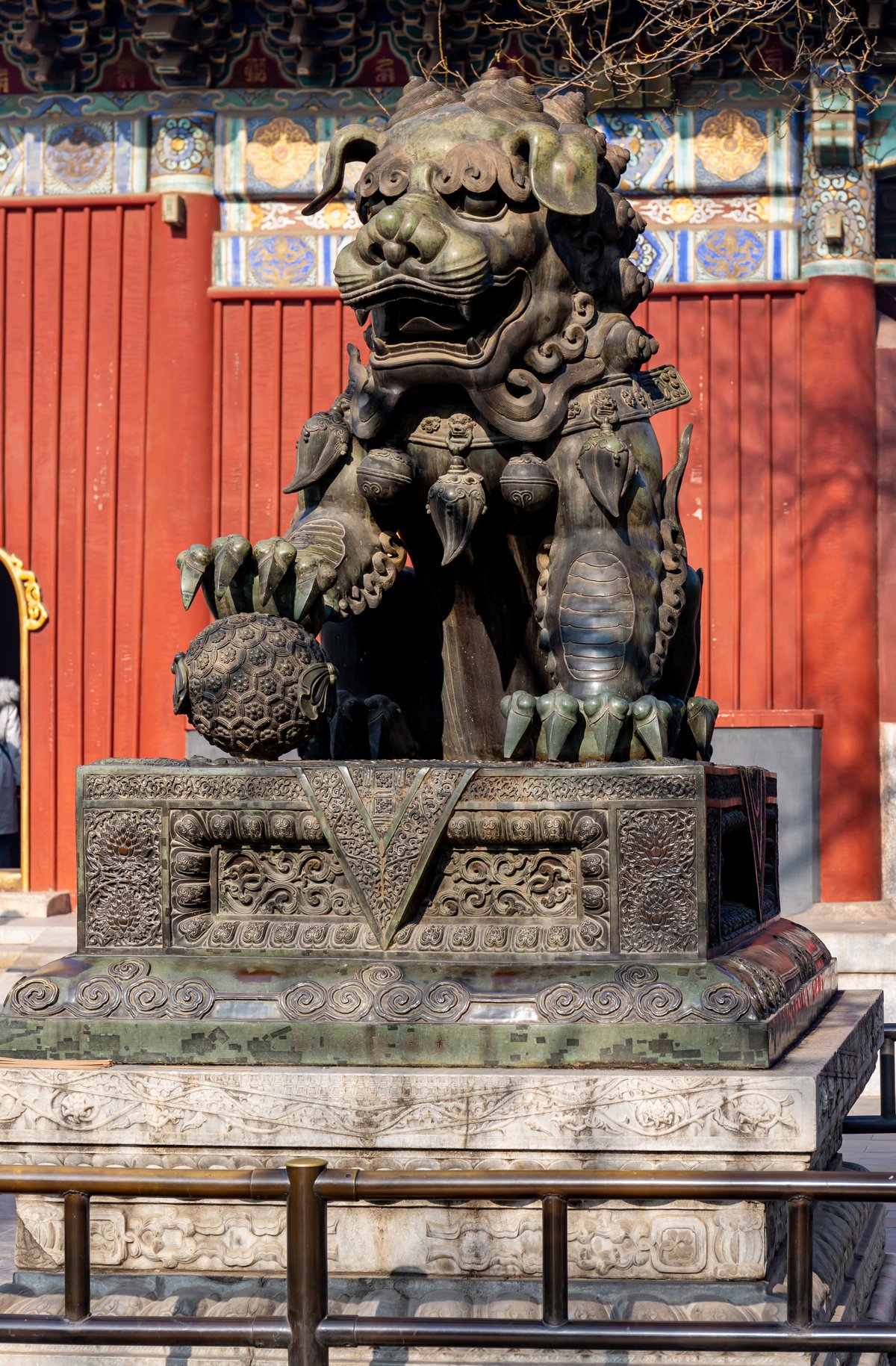
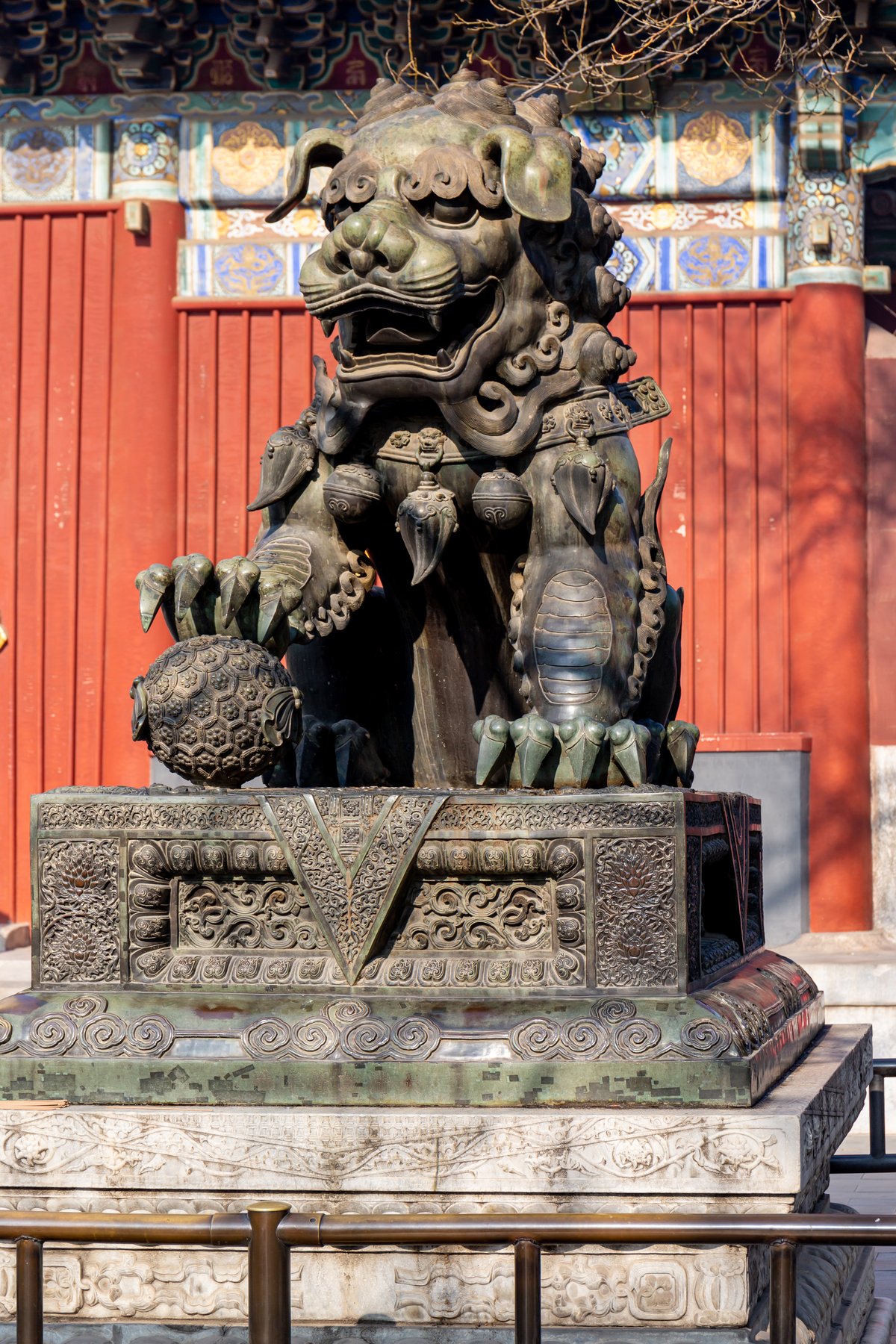
- Gate Hall of Harmony and Peace (Yonghemendian): Flanked by bronze lions, this is the temple’s imposing entrance.
- Hall of Harmony and Peace (Yonghegong): Houses statues of the Buddhas of the Three Ages.
- Hall of Everlasting Protection (Yongyoudian): A memorial hall for Emperor Yongzheng.
- Hall of the Wheel of the Law (Falundian): Center for Buddhist scripture lectures and rituals.
- Pavilion of Ten Thousand Happinesses (Wanfuge): Home to the 18-meter sandalwood statue of Maitreya Buddha, a masterpiece recognized by the Guinness Book of World Records (Discover Walks).
The temple’s yellow-glazed roofs, crimson walls, and ornate woodwork highlight its imperial and spiritual significance (RuQin Travel).
Role in Qing Dynasty Religion and Politics
Yonghe Temple was a linchpin for integrating Tibetan Buddhism within the Qing imperial system. It managed Tibetan Buddhist affairs, including the recognition of reincarnated lamas (tulkus), and hosted high-ranking lamas and major religious ceremonies (Travelur China). The temple’s abbot was often appointed by the emperor, underscoring its dual religious and political importance (Wikipedia).
Visiting Hours and Ticket Information
- Opening Hours: Daily, 9:00 AM – 5:00 PM (last admission at 4:30 PM).
- Ticket Price: 25 RMB for adults (approx. $3.50–$4.00 USD). Discounts are available for students, seniors, and children with valid ID.
- Tickets: Available at the entrance or online via the official website and authorized vendors. Online purchase is recommended during peak seasons.
- Best Time to Visit: Weekday mornings for fewer crowds; early mornings during festivals for authentic ritual experiences.
Getting There
- Subway: Take Line 2 or Line 5 to Yonghegong Lama Temple Station (Exit D or F). The temple is a short walk from the station.
- Bus: Routes 13, 107, 116, 125, and 684, among others, stop nearby.
- Taxi: Show the driver “雍和宫” or say “Yonghe Gong”.
Accessibility
- Wheelchair Access: Ramps are installed at main entrances and courtyards; however, some halls have stairs and uneven surfaces.
- Assistance: Limited wheelchair rental; bring your own if possible. Staff can provide assistance at entrances.
- Restrooms: Accessible facilities are available near the entrance.
Key Architectural Features
- Memorial Archway (Paifang): Marks the transition from the secular to the sacred.
- Zhaotai Gate: Once reserved for imperial use, leads to the Drum and Bell Towers.
- Yonghe Gate: Main gate featuring statues of the Four Heavenly Kings and Maitreya Buddha.
- Yonghe Palace: Main hall with elaborate dougong (bracket) systems, dragon and lotus motifs, and Buddhist iconography.
- Yongyou Hall: Memorial hall with subdued imperial colors.
- Falun Hall: Center for Buddhist rituals with a statue of Tsongkhapa and prayer wheels.
- Wanfuge Pavilion: Houses the colossal Maitreya Buddha statue, carved from a single sandalwood log (Tour-Beijing.com).
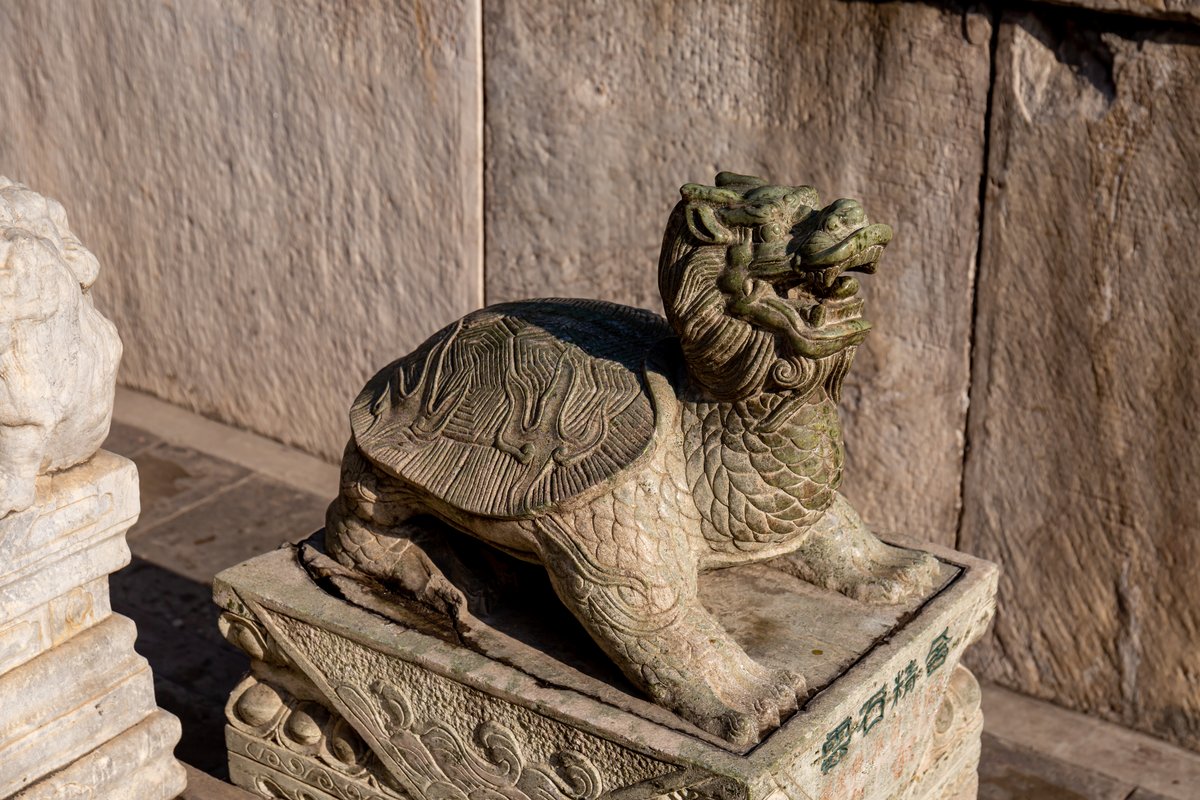
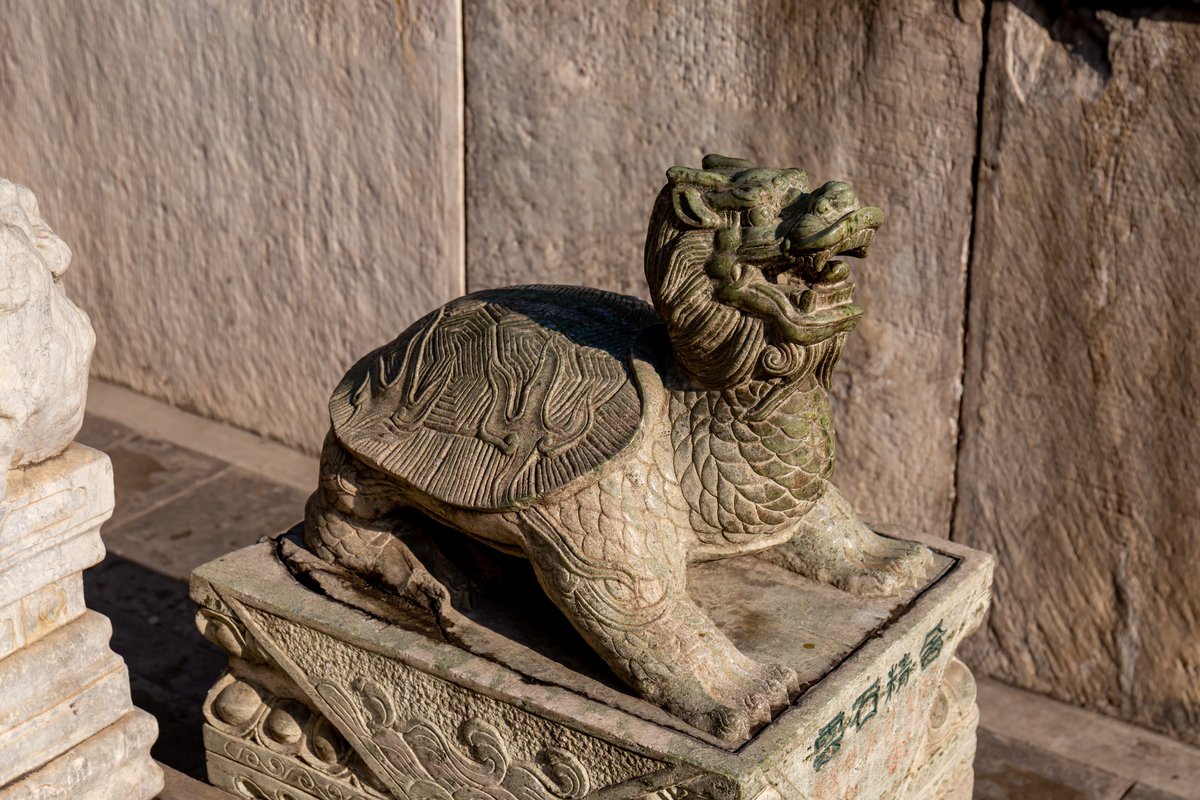
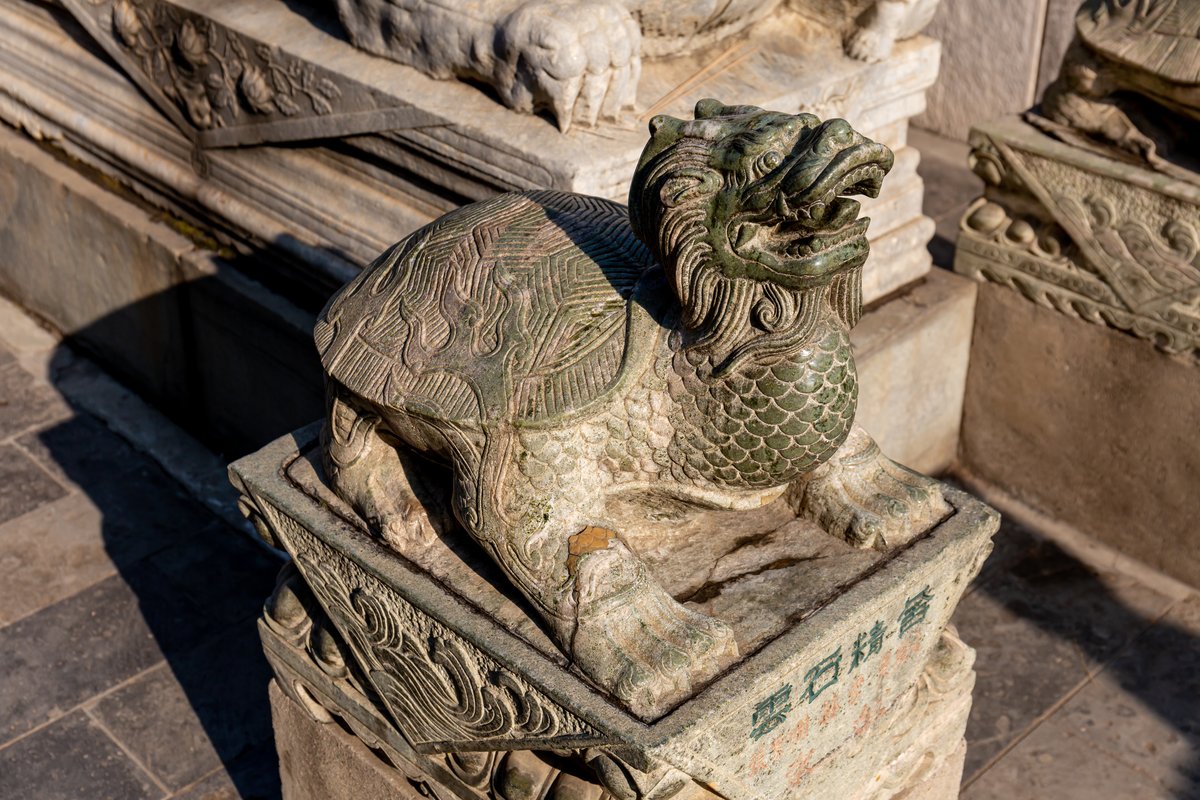
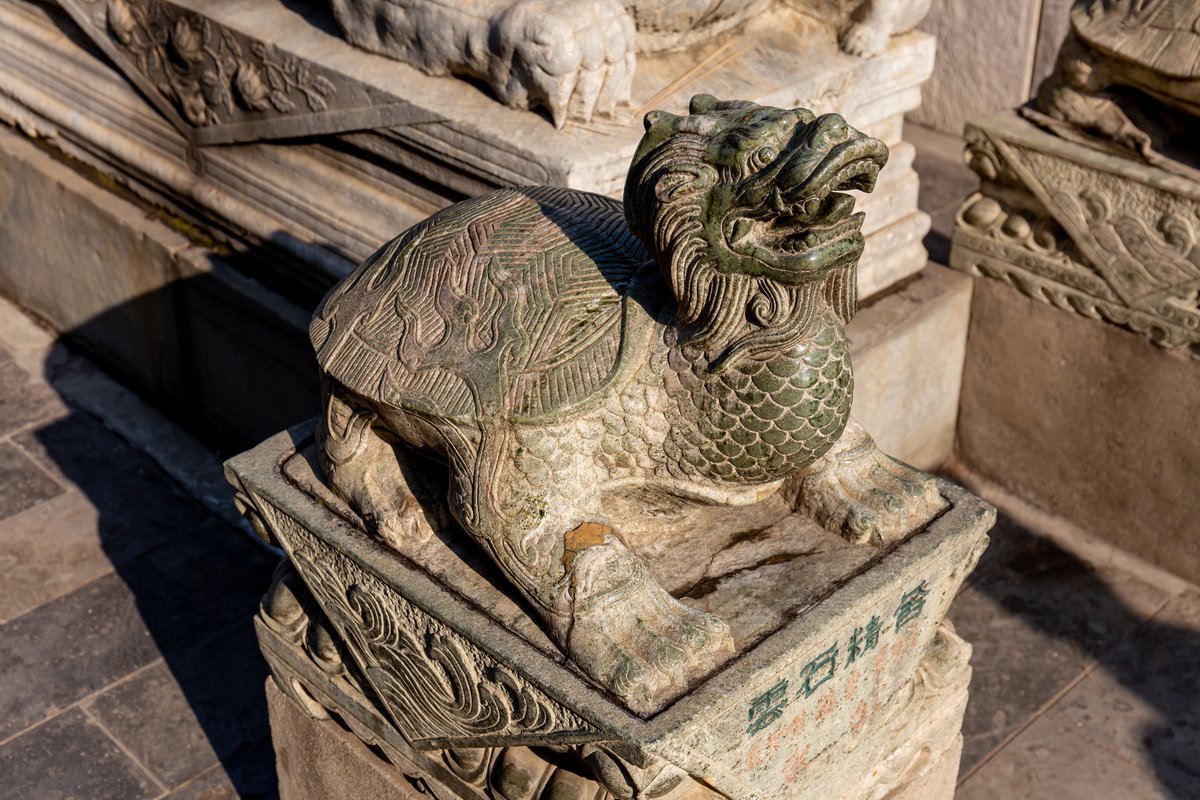
Decorative elements include imperial yellow roof tiles, carved stone balustrades, painted beams with auspicious symbols, and Tibetan-style banners.
Cultural and Spiritual Highlights
- Living Center of Tibetan Buddhism: Yonghe Temple remains an active monastery, hosting monks and daily rituals (Beijing Deep Tour; Gran Viaje China).
- Major Festivals: Experience the temple at its liveliest during the Lunar New Year and Tibetan Losar festival, when thousands of devotees gather.
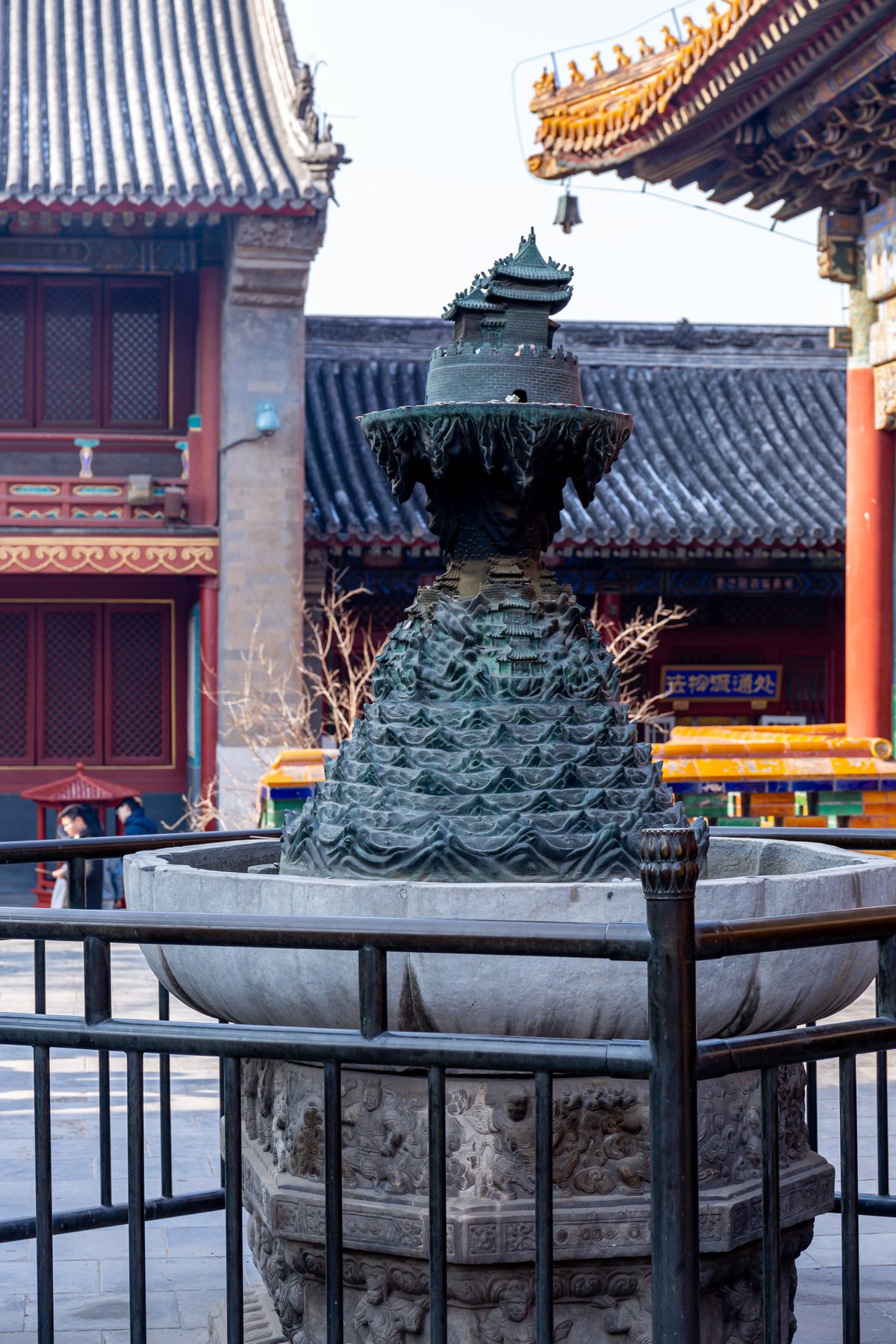
- Incense Offering Ritual: Complimentary incense sticks are provided; light them at designated outdoor burners, bow three times, and place them in the holder.
- Sacred Art: Marvel at thangkas, murals, and intricate wood carvings that blend Chinese, Tibetan, and Mongolian aesthetics (Beijing Deep Tour).
Travel Tips and Visitor Etiquette
- Dress Modestly: Cover shoulders and knees in respect for the religious setting.
- Photography: Allowed in courtyards; not permitted inside main halls. Observe all signage.
- Behavior: Maintain quiet, refrain from touching religious objects, and do not bring food, drinks, or pets.
- Incense Etiquette: Do not blow out incense; extinguish respectfully.
- Security: Passports are required for ticket verification; security checks are standard.
Nearby Attractions
- Confucius Temple and Guozijian Museum: Explore China’s Confucian heritage steps away from the Lama Temple.
- Wangfujing Shopping Street: Bustling pedestrian area for shopping and street food.
- Drum and Bell Towers: Historic timekeepers of Beijing.
- Fangjia Hutong: Traditional alleyways with local shops and eateries.
- Ditan Park: Peaceful green space ideal for reflection.
Frequently Asked Questions (FAQ)
Q: What are the visiting hours of Yonghe Temple?
A: Open daily from 9:00 AM to 5:00 PM, with last entry at 4:30 PM.
Q: How much is the ticket?
A: 25 RMB for adults; discounts for students, seniors, and children.
Q: Is the temple wheelchair accessible?
A: Yes, main courtyards are accessible; some halls may require assistance.
Q: Can I book a guided tour?
A: Yes, audio guides and guided tours (including English-language options) are available at the ticket booth.
Q: Is photography allowed?
A: Yes, in outdoor areas. No photography inside main halls.
Tickets & tours.
These are guided options from our partners — same price as booking direct.
Prices are indicative — final pricing and availability are confirmed at checkout. Audiala may earn a commission from bookings made through these links.
Listen to the full story in the app
The whole Yonghe Temple,
told well.
Listen to sourced travel stories with local history and practical context — ready offline.
Verified, and shown.
Researched and written by the Audiala editorial team from historical records, architectural archives, and local expertise.
Yonghe Temple (Lama Temple) in Beijing
Top 10 Unbelievable Facts About the Yonghe Temple
Lama Temple Beijing Guide
Lama Temple in Beijing
Lama Temple or Yonghe Temple in Beijing
Yonghe Temple
Lama Temple Guide
How to Visit Lama Temple
Templo Lama de Beijing (Yonghegong)
Guide to Yonghe Lama Temple and Its Surrounding Areas
Essential Reading for Foreigners Visiting the Yonghe Temple in Beijing
Built from cited sources · see the method · How we make our guides →