Historical Background
Origins and Development
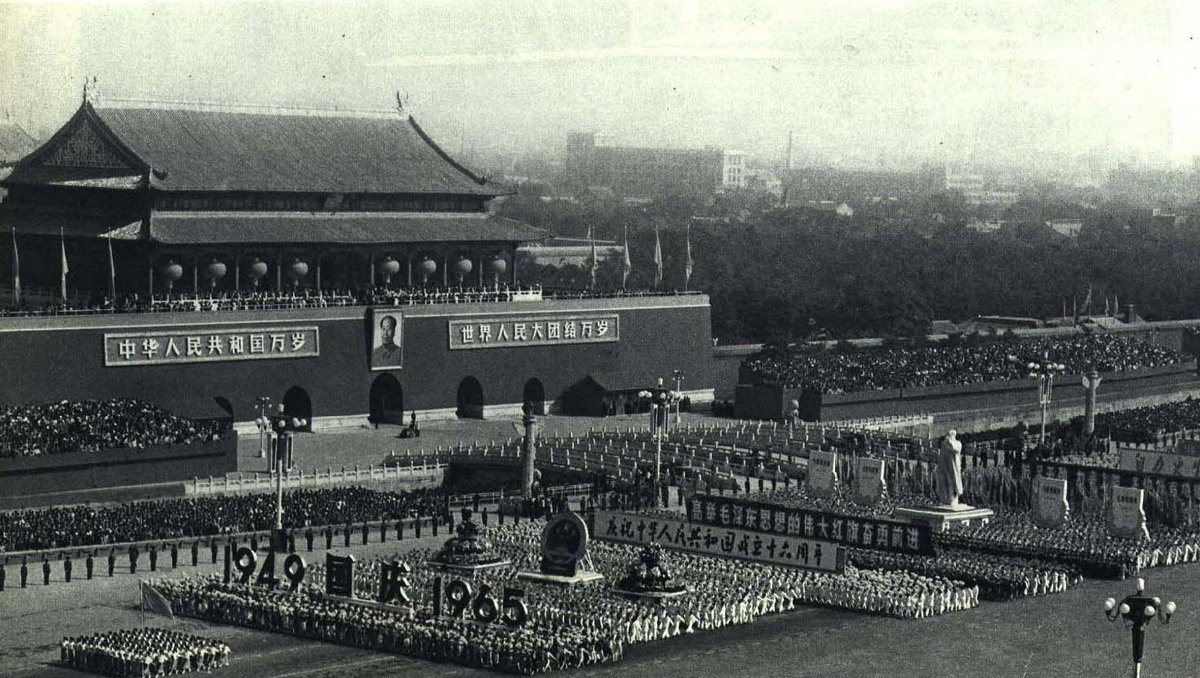
Xinjiekou Station is situated in Xicheng District, an area steeped in history and tradition. The origins of this station are closely linked to the broader story of the Beijing Subway, which began construction in 1965 as China’s first urban rail transit system (Beijing Subway History). Early subway development was shaped by the need to modernize the city while balancing heritage preservation. The construction often required significant changes to the cityscape, including the demolition of sections of the ancient city wall.
Although the initial subway line opened in 1969, network expansion was gradual due to technical and financial constraints. Xinjiekou Station was eventually added in 2009 as part of the city’s rapid modernization and urban renewal efforts.
Integration into Beijing Subway Network
Line 4, which includes Xinjiekou Station, is one of Beijing’s major north-south arteries, connecting educational hubs in Haidian District with the southern Fengtai District (Travel China Guide). Xinjiekou’s location provides access to both residential neighborhoods and cultural landmarks such as Shichahai and traditional hutongs (Shichahai Guide). The station’s modern design incorporates electronic ticketing, barrier-free access, and bilingual signage, reflecting Beijing’s commitment to both tradition and innovation.
Practical Visitor Information
Visiting Hours and Tickets
- Operating Hours Daily, approximately 5:00 AM to 11:00 PM. Check official sources for updates.
- Ticketing Fares start at 3 RMB for trips up to 6 km, increasing with distance. Purchase single-ride tickets at vending machines or counters.
- Yikatong Transit Card Highly recommended for convenience and discounted fares. Widely accepted across subway and bus systems. Can be purchased and recharged at stations and convenience stores (Beijing Subway History).
- Contactless Payments WeChat Pay, Alipay, and NFC-enabled credit cards are also accepted.
Accessibility
Xinjiekou Station is equipped with elevators, tactile paving, and accessible restrooms. Exit B is specifically designed for barrier-free access, although some older infrastructure in the network may present challenges (TripSavvy).
Travel Tips
- Avoid peak commuter hours (7:30–9:00 AM, 5:00–7:00 PM) for a more comfortable experience.
- Security checks are mandatory at all entrances.
- Eating and drinking are not allowed within station premises.
- Bilingual signage makes navigation easy for non-Mandarin speakers.
- Allow extra time for transfers and security checks during busy periods.
Nearby Attractions
- Shichahai Scenic Area Picturesque lakes and historic hutongs (Shichahai Guide).
- Houhai Lake Renowned for nightlife and lakeside cafes.
- Beihai Park A former imperial garden offering scenic views and cultural relics.
- Beijing Zoo Accessible via Line 4, home to giant pandas.
- Miaoying Temple (White Stupa Temple) Historic Buddhist site within walking distance (see dedicated section below).
Urban Renewal and Cultural Context
The Xinjiekou area exemplifies Beijing’s approach to urban renewal, balancing infrastructure upgrades with heritage conservation. The neighborhood, with roots dating back to the Ming and Qing dynasties, preserves its traditional hutongs and siheyuan amidst new developments. Planners have integrated subway exits near cultural landmarks, promoted pedestrian-friendly routes, and implemented policies to protect local residents while encouraging cultural tourism (Sustainable Development Planning Strategies).
Strategic Role in Urban Transit
Xinjiekou Station is a key connector on Line 4, linking educational, business, and cultural districts. Its underground island platform optimizes passenger flow, and multiple exits enhance access to surrounding neighborhoods (Wikipedia). The station is integrated with several bus lines (7, 105, 111, 508), improving last-mile connectivity (Travel China Guide).
The Beijing Subway, one of the world’s largest and busiest systems, relies on stations like Xinjiekou to maintain efficient and sustainable urban mobility (LTL Beijing), (Chibikiu).
Impact on Local Culture and Daily Life
The arrival of Line 4 and Xinjiekou Station has revitalized local commerce, made cultural sites more accessible, and fostered community engagement. While tourism has brought economic benefits, it has also introduced challenges such as increased living costs and changes to the neighborhood’s character. Preservation efforts and visitor management policies aim to balance the needs of residents and tourists (Sustainable Development Planning Strategies).
Notable Events and Modernization
Major milestones at Xinjiekou Station include the introduction of electronic ticketing and real-time passenger information systems, especially in the lead-up to the 2008 Olympics (Beijing Subway History). The station continues to adopt new technologies for security, crowd management, and passenger convenience.
Frequently Asked Questions (FAQ)
Q: What are Xinjiekou Station’s operating hours?
A: About 5:00 AM to 11:00 PM daily. Check official sources for latest updates.
Q: How do I buy tickets?
A: Use vending machines, ticket counters, or the Yikatong card for convenience.
Q: Is the station accessible?
A: Yes, especially via Exit B. Some older stations in the network have limitations.
Q: Can I use mobile payments?
A: Yes, WeChat Pay, Alipay, and contactless credit cards are accepted.
Q: Are there guided tours?
A: Local operators offer walking and bike tours of nearby historic neighborhoods.
Miaoying Temple (White Stupa Temple): Quick Guide
Location: Near Xinjiekou Station, accessible via Exit C, about a 10-minute walk.
Opening Hours: 8:00 AM – 5:00 PM daily
Tickets: ¥20 for adults, discounts for students, seniors, and children
Highlights: Yuan Dynasty stupa designed by Araniko, major Buddhist relics
Visitor Tips:
- Guided tours available
- Wheelchair accessible in most areas
- Early morning or late afternoon visits recommended for fewer crowds
(Beijing Tourism Official Site), (Beijing Museum Ticketing)
Summary and Final Visitor Tips
Xinjiekou Station seamlessly connects Beijing’s historic charm with its modern urban transit. With accessible facilities, advanced ticketing, and proximity to top attractions like Shichahai, Houhai, and Miaoying Temple, it’s an ideal starting point for exploring the city’s rich heritage. The station’s integration into Beijing’s sustainable transport network supports efficient travel and vibrant local culture.
For up-to-date information, ticketing, and personalized tips, use digital resources like the Audiala mobile app. Explore more with related guides and travel resources to make the most of your Beijing journey (Beijing Travels), (Travel China Guide).