Plan and listen to Xinhuamen with Audiala.
Audio guide in your pocket, itinerary in your browser. Built for the way you actually visit.
Introduction to Nan Chang Jie
Nan Chang Jie, known as 南长街 in Mandarin, is one of Beijing's most historically significant streets, offering a unique window into the city's rich cultural and historical heritage. Located in the heart of Beijing and steeped in history dating back to the early dynastic periods, Nan Chang Jie has witnessed the evolution of the city from its ancient origins to its modern-day grandeur. The street's history is intricately tied to the major dynasties that ruled China, including the Western Zhou, Liao, Jin, Ming, and Qing dynasties, each leaving an indelible mark on its development (Wikipedia). Today, Nan Chang Jie serves not only as a thoroughfare but also as a living museum, preserving the architectural and cultural essence of old Beijing while seamlessly blending with the modern metropolis that surrounds it. This guide aims to provide a comprehensive overview of Nan Chang Jie, covering its historical background, visitor information, travel tips, and nearby attractions, making it an essential read for history enthusiasts and travelers alike.

Historical Background
Ancient Origins and Early Development
Nan Chang Jie, located in the heart of Beijing, has a rich history that dates back to the early dynastic periods of China. The area around Nan Chang Jie was initially part of the ancient city of Ji, which was a significant settlement during the Western Zhou dynasty (1046–771 BC). Ji was strategically located along a crucial north-south trade route, making it a vital hub for commerce and military activities (Wikipedia).
During the Warring States period (475–221 BC), the State of Yan conquered Ji and moved its capital there, renaming it Yanjing. This period marked the beginning of Beijing's prominence as a political and cultural center. The city's importance continued to grow under subsequent dynasties, including the Qin (221–206 BC) and Han (206 BC–220 AD) dynasties, which further developed the region's infrastructure and administrative significance (Wikipedia).
Imperial Era and Urban Expansion
The transformation of Nan Chang Jie into a significant urban area began during the Liao dynasty (907–1125 AD). The Liao rulers established their southern capital, Nanjing, in what is now Beijing, and the city's population and infrastructure expanded rapidly. Notable landmarks from this era include the Niujie Mosque, founded in 996 AD, and the Tianning Temple, built between 1100 and 1119 AD (Wikipedia).
The Jin dynasty (1115–1234 AD) further expanded the city, creating a walled urban area known as Zhongdu. This expansion included the construction of 13 city gates and significant urban planning efforts that laid the groundwork for modern Beijing. The remnants of Zhongdu's city walls can still be seen in the Fengtai District today (Wikipedia).
Ming Dynasty and the Establishment of Beijing as the Capital
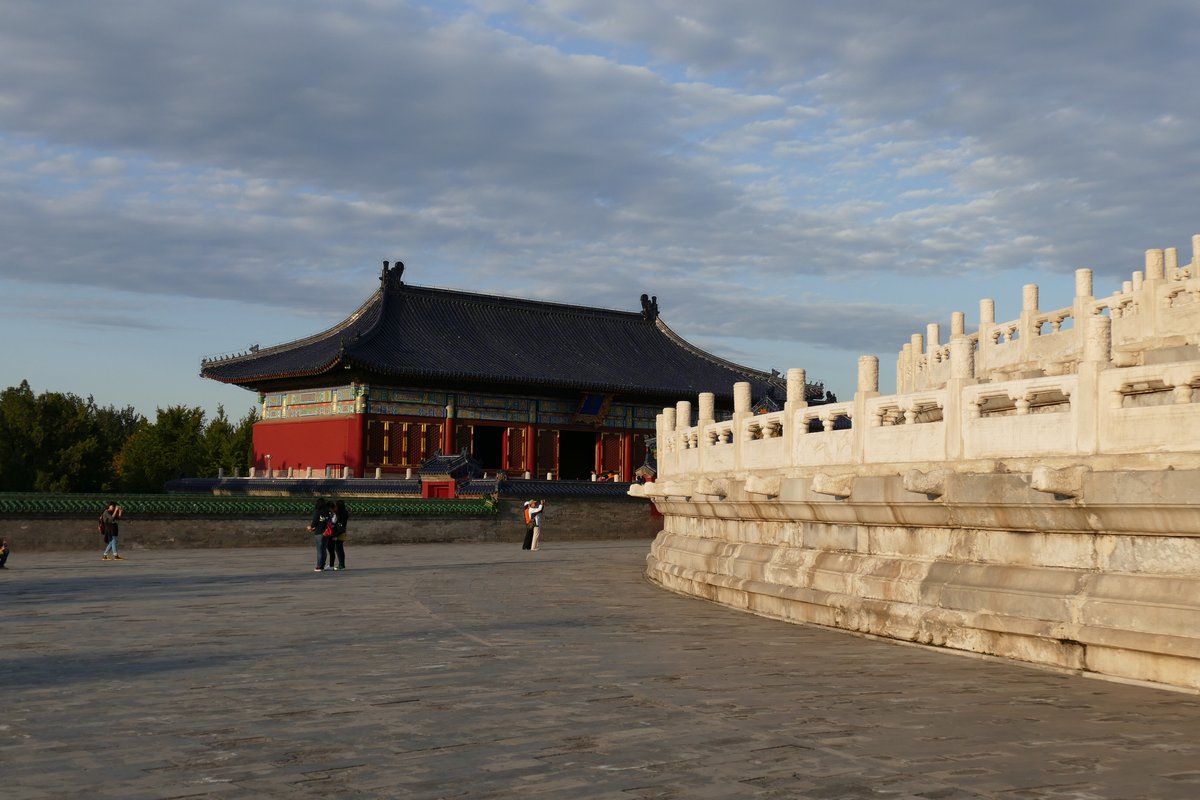
The most transformative period for Nan Chang Jie came during the Ming dynasty (1368–1644 AD). In 1403, the Yongle Emperor moved the capital from Nanjing to Beijing and initiated a massive reconstruction program. This period saw the construction of some of Beijing's most iconic structures, including the Forbidden City and the Temple of Heaven. The city's layout was meticulously planned, with a focus on symmetry and grandeur, reflecting the emperor's vision of a powerful and centralized state (Wikipedia).
Nan Chang Jie, situated near the Forbidden City, became an important thoroughfare for officials and dignitaries traveling to and from the imperial palace. The street's proximity to the seat of power made it a bustling area, filled with government offices, residences of high-ranking officials, and various commercial establishments.
Qing Dynasty and Modernization
During the Qing dynasty (1644–1912 AD), Beijing continued to flourish as the capital of China. Nan Chang Jie remained a vital part of the city's administrative and commercial life. The Qing rulers, particularly the Kangxi and Qianlong emperors, invested heavily in the city's infrastructure, including the construction of new roads, bridges, and public buildings. This period also saw the introduction of Western architectural styles and technologies, which began to influence the city's urban landscape (Wikipedia).
Republican Era and the People's Republic of China
The fall of the Qing dynasty in 1912 marked the beginning of a tumultuous period for Beijing. The city experienced significant political and social upheaval during the Republican era (1912–1949), including the Japanese occupation during World War II. Despite these challenges, Nan Chang Jie remained an important part of the city's fabric, adapting to the changing times while retaining its historical significance.
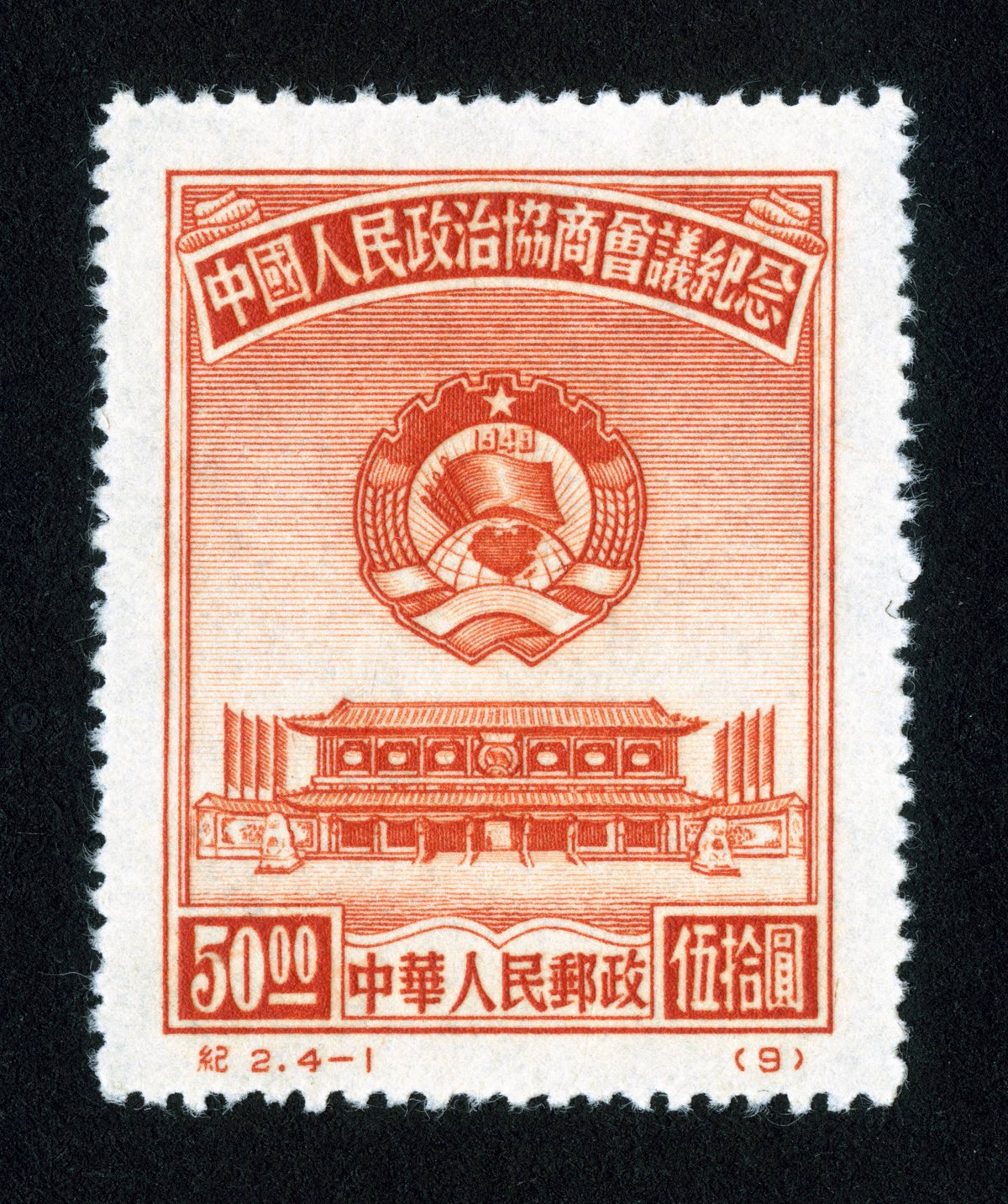
With the establishment of the People's Republic of China in 1949, Beijing was reaffirmed as the capital, and extensive efforts were made to modernize the city. Nan Chang Jie underwent significant redevelopment, with old structures being renovated or replaced to accommodate new governmental functions and urban needs. The street's historical importance was preserved, even as it adapted to the demands of a rapidly modernizing nation (Wikipedia).
Cultural and Historical Significance
Nan Chang Jie is not just a street; it is a living testament to Beijing's rich and varied history. The street has witnessed the rise and fall of dynasties, the transformation of Beijing into a modern metropolis, and the enduring legacy of China's cultural heritage. Walking down Nan Chang Jie, one can see a blend of ancient and modern architecture, reflecting the city's continuous evolution.
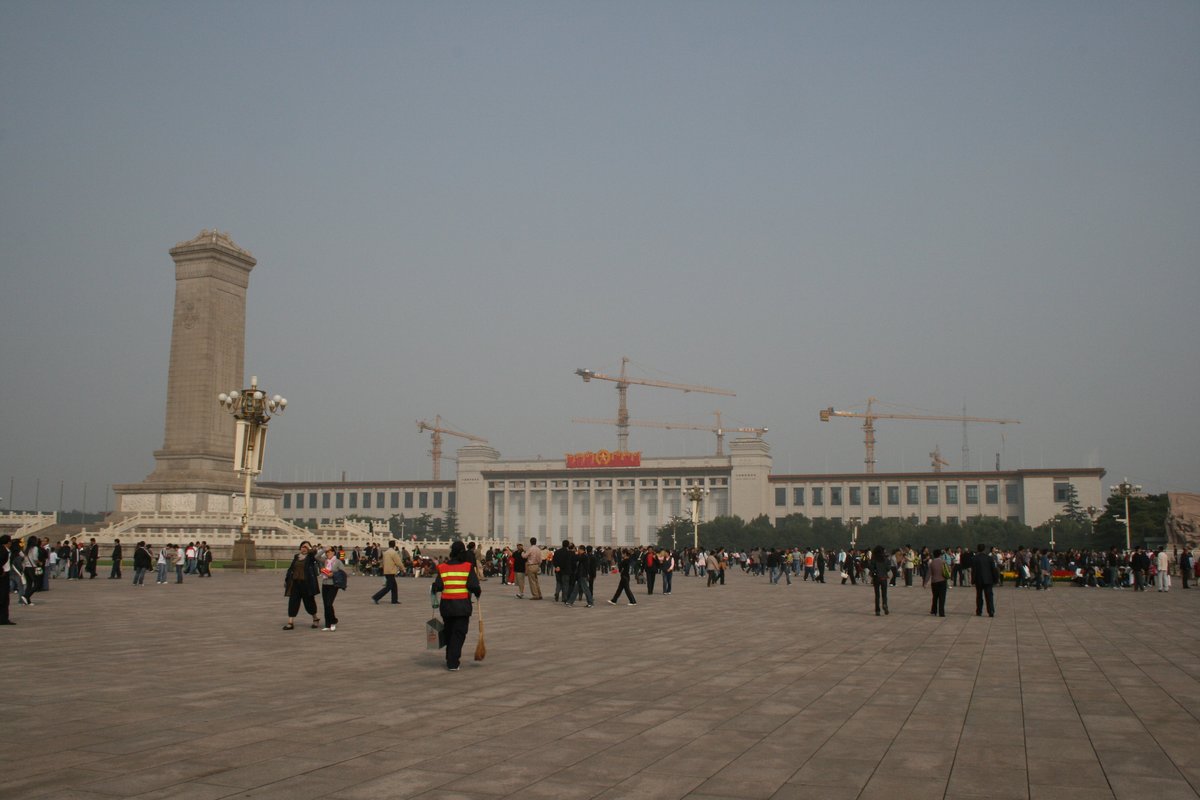
The street's proximity to significant landmarks such as the Forbidden City and Tiananmen Square further enhances its historical and cultural value. These sites are not only important tourist attractions but also symbols of China's imperial past and revolutionary history. Visitors to Nan Chang Jie can explore these nearby landmarks to gain a deeper understanding of Beijing's historical journey (Nomadasaurus).
Visitor Information
- Visiting Hours: Nan Chang Jie is accessible 24/7, but it's best to visit during daylight hours for the full experience.
- Ticket Prices: There is no admission fee to walk along Nan Chang Jie, but nearby attractions like the Forbidden City may require tickets.
- Special Events: Check local listings for cultural events or festivals that may take place along Nan Chang Jie.
- Guided Tours: Several tour operators offer guided tours of Nan Chang Jie and its surrounding historical sites.
Travel Tips and Nearby Attractions
- Best Times to Visit: Spring and autumn are ideal for visiting due to the mild weather. Early mornings or late afternoons offer a more tranquil experience.
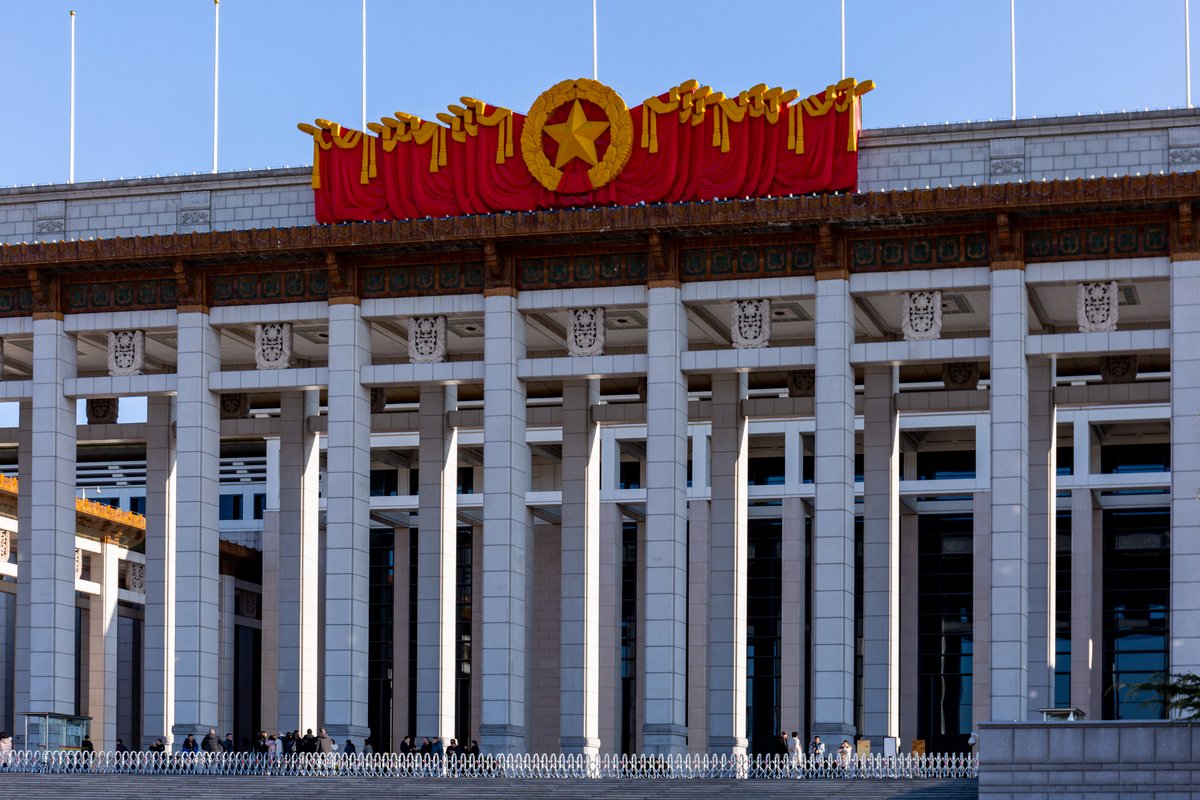
- Nearby Attractions: In addition to the Forbidden City, other nearby attractions include Tiananmen Square, the National Museum of China, and Jingshan Park.
- Photographic Spots: Capture the blend of ancient and modern architecture, particularly near the old government offices and historical residences.
- Local Cuisine: Explore nearby markets and eateries to sample traditional Beijing snacks and dishes.
Preservation and Tourism
In recent years, there has been a growing emphasis on preserving the historical and cultural heritage of Nan Chang Jie. Efforts have been made to restore old buildings, maintain traditional architectural styles, and promote the street as a cultural and historical attraction. These initiatives aim to balance the needs of modern urban development with the preservation of Beijing's rich historical legacy.
Tourists visiting Nan Chang Jie can enjoy a variety of experiences, from exploring ancient temples and historical sites to shopping at traditional markets and enjoying local cuisine. The street offers a unique glimpse into Beijing's past, making it a must-visit destination for history enthusiasts and cultural explorers alike (The Helpful Panda).
FAQ
Q: What are the visiting hours for Nan Chang Jie? A: Nan Chang Jie is accessible 24/7, but it's best to visit during daylight hours for the full experience.
Q: Do I need a ticket to visit Nan Chang Jie? A: There is no admission fee to walk along Nan Chang Jie, but nearby attractions like the Forbidden City may require tickets.
Q: What are the best times to visit Nan Chang Jie? A: Spring and autumn are ideal for visiting due to the mild weather. Early mornings or late afternoons offer a more tranquil experience.
Q: Are there guided tours available? A: Yes, several tour operators offer guided tours of Nan Chang Jie and its surrounding historical sites.
Q: What nearby attractions should I visit? A: In addition to the Forbidden City, other nearby attractions include Tiananmen Square, the National Museum of China, and Jingshan Park.
Q: Where can I find local cuisine? A: Explore nearby markets and eateries to sample traditional Beijing snacks and dishes.
Stay updated by following our social media channels and downloading our mobile app for the latest travel tips and updates.
Summary and Final Thoughts
Visiting Nan Chang Jie offers an unparalleled journey through time, encapsulating the essence of Beijing's historical and cultural evolution. From its ancient roots during the Western Zhou dynasty to its prominent role in the Ming and Qing dynasties, and its continued significance in modern China, Nan Chang Jie stands as a testament to the city's rich legacy (Wikipedia). The street's preservation efforts, coupled with its vibrant blend of traditional and contemporary elements, make it a must-visit for anyone interested in exploring Beijing's historical fabric. Whether you're meandering through its ancient courtyards, indulging in local cuisine, or visiting nearby attractions like the Forbidden City and Tiananmen Square, Nan Chang Jie promises a deeply enriching and memorable experience. For the latest travel tips and updates, consider downloading the Audiala mobile app and following us on social media.
Listen to the full story in the app
The whole Xinhuamen,
told well.
Audio guides for 1,100+ cities across 96 countries. History, stories, and local insight — offline ready.
Verified, and shown.
Researched and written by the Audiala editorial team from historical records, architectural archives, and local expertise.
Researched from Wikidata, Wikipedia & official sources · fact-checked · How we make our guides →