Xiju Station
Xiju Station is an interchange in Beijing’s Fengtai District, connecting Line 10, a major loop line, and Line 14, an east-west corridor. It links southwestern districts with the city center and beyond, and provides access to local neighborhoods, business and residential areas, and nearby historical sites. Its platforms are underground.
History
Fengtai District has historically served as a gateway between Beijing’s city center and its southwestern suburbs. Rapid urbanization in the late 20th and early 21st centuries drove subway expansion, helping transform Fengtai from a semi-rural, industrial area into a thriving urban district (Beijing Travels; Ruqin Travel).
Line 14 was planned to improve connections between southwestern and northeastern Beijing. Construction began in the early 2010s, and its western section, including Xiju, opened on May 5, 2013, as part of a phased rollout (Wikipedia: Line 14; MTR Beijing). Since Line 14 entered full operation at the end of 2021, Xiju’s role as an interchange has grown further (MTR Beijing).
The subway’s arrival improved accessibility and contributed to residential and commercial development, increased property values, and attracted local and international visitors. Xiju’s proximity to the Marco Polo Bridge and Wanping Fortress has also made it a point of access for cultural tourism (Ruqin Travel).
Line 14 uses wide-body six-car trains, and Xiju Station has platform screen doors and real-time passenger information systems. Surveillance and safety measures are part of the modern transit infrastructure (Wikipedia: Line 14; MTR Beijing).
Subway expansion in Beijing has involved balancing modernization with cultural preservation. Although Xiju’s development did not directly affect major heritage sites, integrating the station into historically rich Fengtai required attention to the area’s cultural identity. Earlier subway construction resulted in some loss of traditional city structures, prompting ongoing debate about urban heritage (Ruqin Travel; Beijing Travels).
What to see
The Forbidden City
The Forbidden City (故宫) is a UNESCO World Heritage landmark and Beijing’s most iconic historical site. It served as the imperial palace for the Ming and Qing Dynasties and is renowned for its architecture and cultural significance (The Palace Museum).
Built from 1406 to 1420, it was China’s imperial and ceremonial center for nearly 500 years. The complex covers 72 hectares and contains more than 980 buildings.
Highlights include:
- Hall of Supreme Harmony The main ceremonial venue.
- Imperial Garden Traditional landscaping and a tranquil setting.
- Palace of Heavenly Purity The emperor’s residence.
- Treasure Gallery Imperial artifacts and artworks.
The Forbidden City is near Tiananmen Square in the city center. Its nearest subway stations are Tiananmen East and Tiananmen West on Line 1.
The route information from Xiju is:
- Take Line 10 or 14 to Xiju Station.
- Transfer to Line 1 at Gongzhufen or Jiaomenxi.
- Get off at Tiananmen East or Tiananmen West.
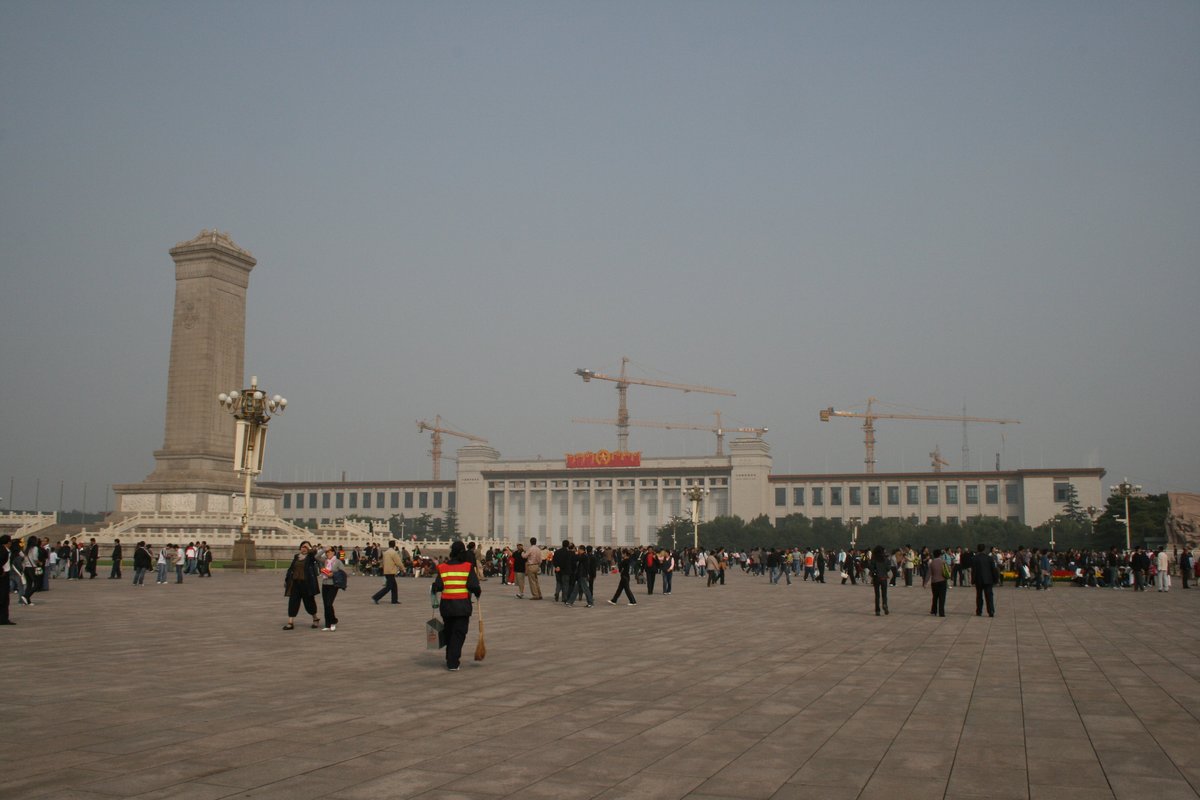
Nearby attractions include Tiananmen Square, the historic public space adjacent to the palace; Jingshan Park, just north of the Forbidden City and known for panoramic city views; and Beihai Park, a nearby imperial garden.
Historical sites in Fengtai
- Marco Polo Bridge (Lugou Bridge) A historic stone bridge about 6 km from Xiju, known for its carved lions and place in modern Chinese history.
- Wanping Fortress A Ming-era fortress near the bridge that hosts museums and historical exhibits.
- Fengtai Longquan Temple A Buddhist temple a short taxi ride away.
These sites can be reached by local buses or taxis from Xiju Station (Ruqin Travel).
Practical visiting information
Xiju Station hours and fares
Xiju Station operates daily from approximately 5:00 AM to 11:00 PM. First and last train times vary, so check the official Beijing Subway site or app (Beijing Subway Official Site).
Fares start at ¥3 and depend on travel distance. Tickets and fares can be handled through vending machines, staffed service counters, Yikatong cards, single-journey tokens, or digital payments. Vending machines accept cash, Alipay, and WeChat Pay; QR-code payments through Chinese apps are widely accepted. Yikatong offers convenience and discounts.
Station layout, access, and facilities
Xiju serves Lines 10 and 14 and provides transfers between the two routes. Each line has an underground island platform. Real-time displays, bilingual signage, escalators, stairs, and elevators help passengers navigate the station.
Multiple exits, labeled A, B, C, and others, lead to local neighborhoods, bus stops, and amenities:
- Exit A Bus stops and shops.
- Exit B Residential areas and bike-sharing.
- Exit C Offices and commercial centers.
Station features and services include:
- Elevators and ramps for barrier-free movement.
- Tactile paving for visually impaired passengers.
- Accessible restrooms, including facilities with handrails and emergency buttons.
- Priority seating.
- Chinese and English signage.
- Customer service centers and trained staff available to assist passengers with special needs.
- Convenience stores, vending machines, ATMs, and public telephones.
- Nearby eateries, local shops, bike-sharing, and bus connections.
Clear signage and floor markings, wide corridors, and multiple exits help manage passenger flow, especially during rush hours. Emergency exits and first aid facilities are clearly indicated. The station also has mandatory baggage scans, random checks, CCTV coverage, and emergency intercoms.
Forbidden City hours and tickets
The Forbidden City is open from 8:30 AM to 5:00 PM, with last entry at approximately 4:10 PM; hours may vary. Tickets can be booked online in advance or purchased at the entrance. Prices depend on the season and visitor type. Advance online booking is strongly recommended, especially during holidays. For the latest information, visit the official Palace Museum website.
Tips
- Avoid peak subway hours: 7:30–9:30 AM and 5:00–7:30 PM.
- Contactless payment can make station entry quicker; a Yikatong card is recommended for seamless travel.
- Use Baidu Maps or ExploreBeijing to plan subway and bus routes.
- There are no luggage storage facilities, so travel light.
- Restrooms, including accessible options, are available.
- Watch your belongings, especially during crowded periods.
- Xiju’s modern design and its contrast with surrounding redevelopment areas offer photo opportunities.
- For the Forbidden City, allow 3–4 hours. English-language guided tours are available. Photography is permitted except for flash or tripods in certain areas. Wheelchair rental and accessible routes are provided.
- The Audiala app is mentioned as a source of real-time transit information and cultural insights.
Nearby places
Xiju provides access to the Qilizhuang, Niwa, and Dongguantou neighborhoods, as well as Fengtai District’s business and residential areas. The Marco Polo Bridge and Wanping Fortress are among the nearby cultural destinations; Fengtai Longquan Temple is a short taxi ride away. Local buses and taxis connect the station with these historical sites (Ruqin Travel).
Frequently Asked Questions
What are Xiju Station’s operating hours?
Approximately 5:00 AM to 11:00 PM daily. Check the relevant line’s first and last train times.
How do I buy tickets for Xiju Station?
Use vending machines, staffed service counters, Yikatong cards, single-journey tokens, or mobile payment.
Is Xiju Station wheelchair accessible?
Yes. Elevators, ramps, tactile paving, and accessible restrooms are available.
Are there guided tours from Xiju?
There are no tours directly from the station, but many Beijing tours include sites near Xiju.
Can I pay with an international credit card at Xiju Station?
No. Use cash or Chinese digital payment methods.
Can I buy Forbidden City tickets on the day of my visit?
Yes, but advance online purchase is recommended to help guarantee entry.
Are English-language tours of the Forbidden City available?
Yes. Tours are available through various operators and at the site.
Is the Forbidden City suitable for children?
Yes, but plan for breaks because of the site’s large area.