
History and Cultural Significance
Origins and Dynastic Evolution
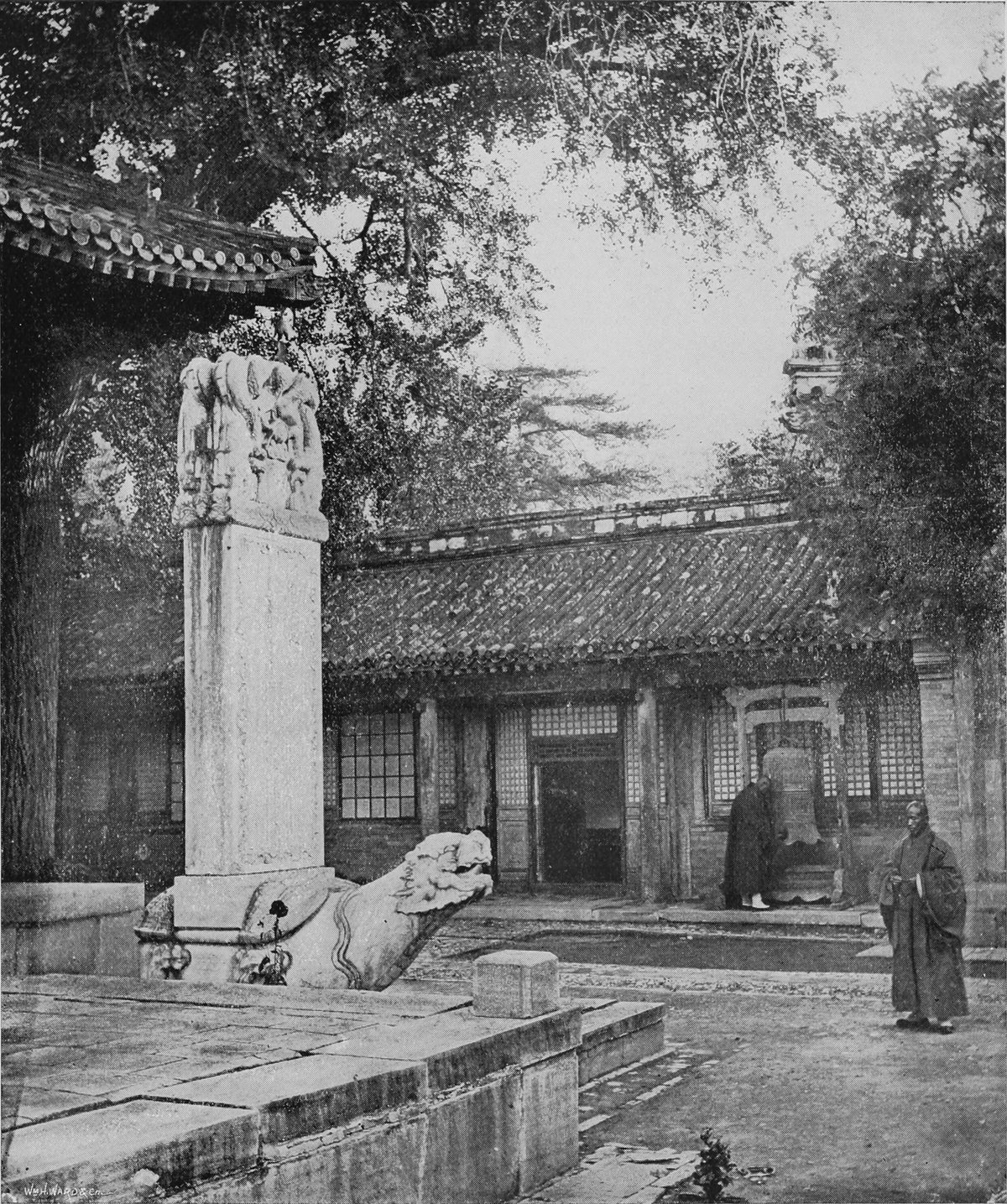
Wofo Temple’s origins trace back to the Tang Dynasty (618–907), specifically the Zhen Guan era (627–649 CE), when it was first established as Doushuai Temple. Over subsequent centuries, the temple underwent repeated cycles of destruction and reconstruction during the Jin, Yuan, Ming, and Qing dynasties. Its current layout is primarily a product of the Qing Dynasty (1734), though elements from earlier periods remain, making the temple an enduring symbol of resilience and dynastic continuity (chinatripedia.com; Wikipedia).
The temple was renamed several times, becoming Shou’an Temple before acquiring its present name, Wofo ("Recumbent Buddha"), after the installation of the iconic bronze Buddha statue during the Yuan Dynasty in 1321 (travelchinaguide.com).
The Recumbent Buddha: Symbolism and Artistry
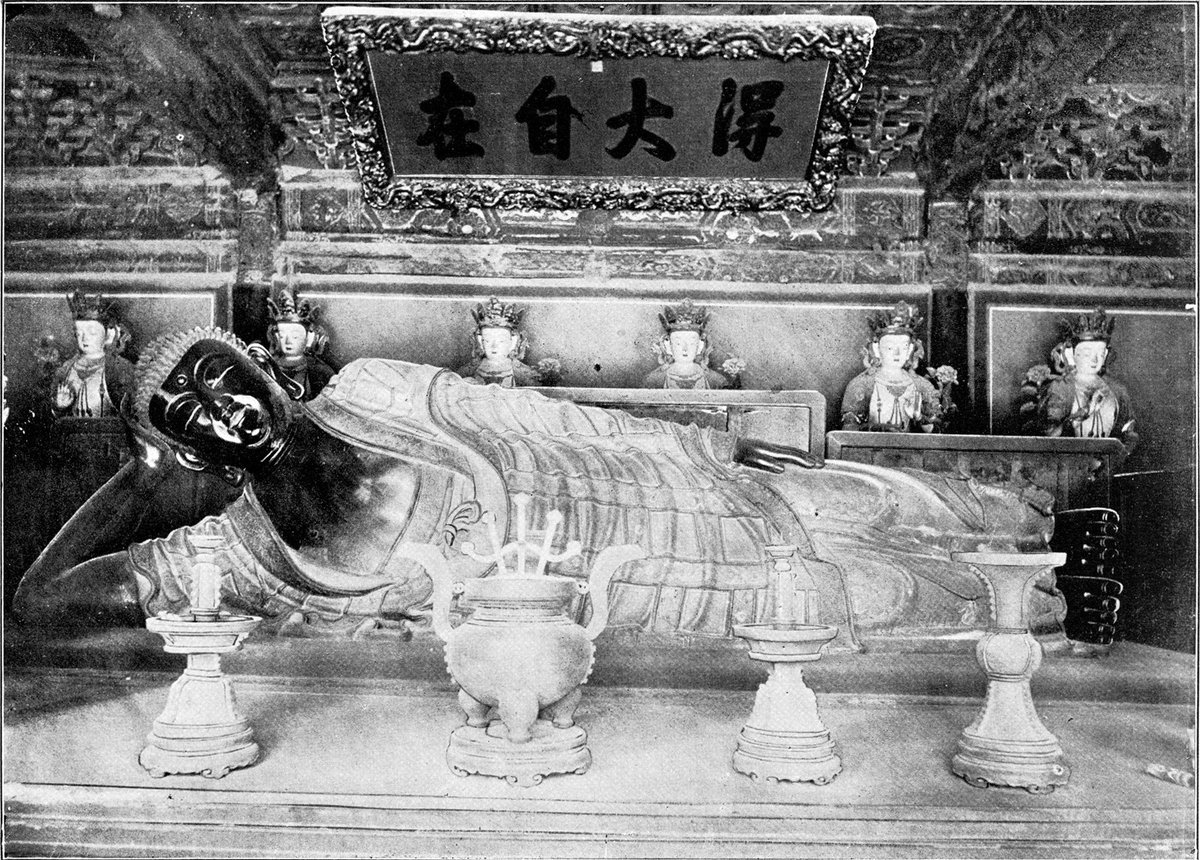
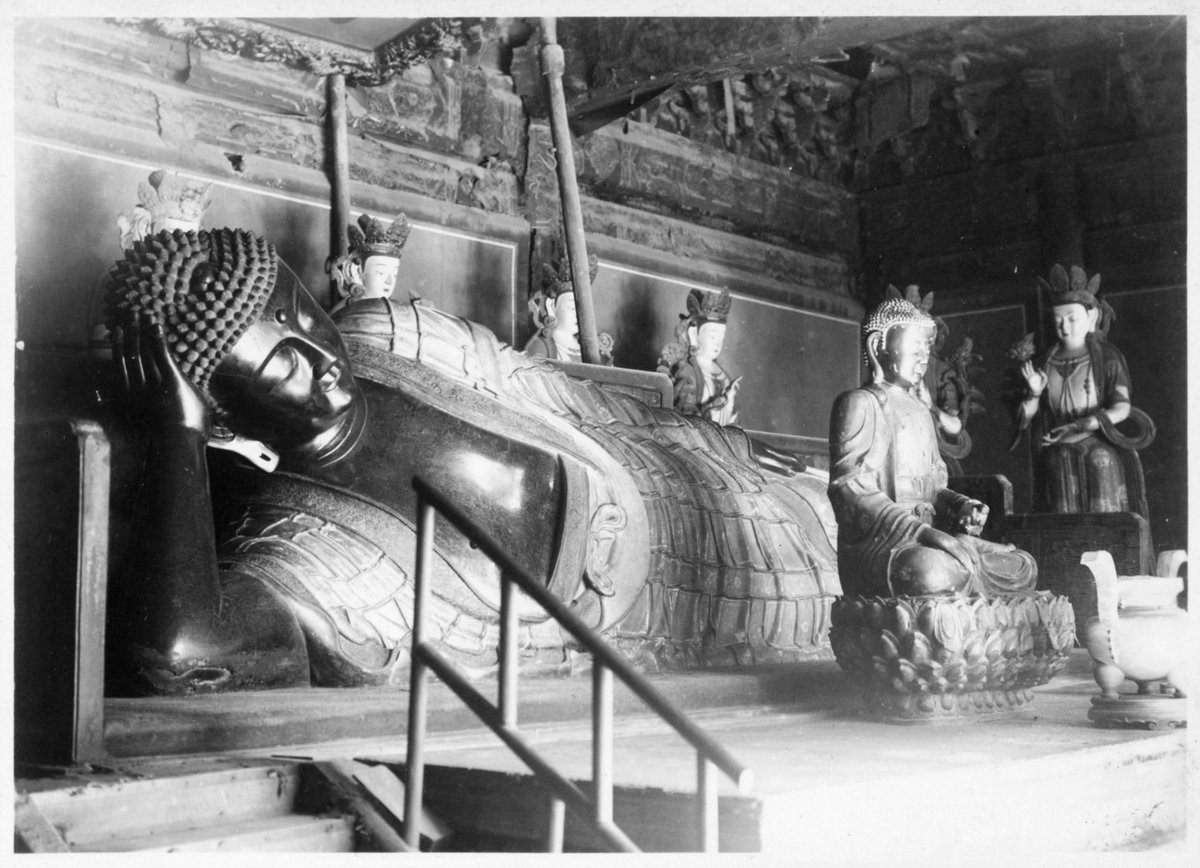
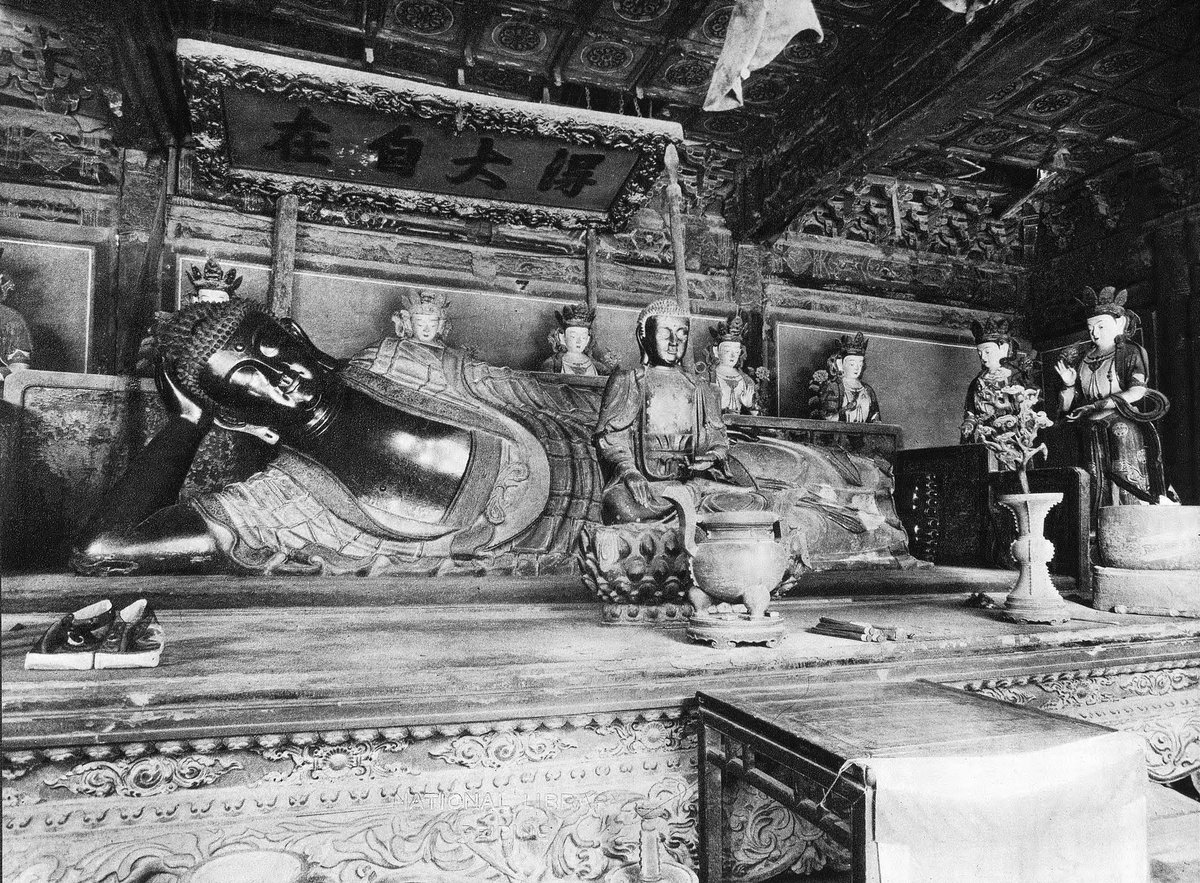
At the heart of Wofo Temple lies its most celebrated treasure: a bronze recumbent Buddha, cast in 1321. Measuring approximately 5.3 meters long and weighing about 54 tons, the statue depicts Sakyamuni Buddha entering parinirvana—his final liberation from the cycle of life and death. The Buddha’s right hand supports his head while his left hand rests along his side, exuding calm and transcendence. Surrounding the statue are twelve clay disciple figures, capturing the solemnity of the Buddha’s final teachings (Wikipedia; travelchinaguide.com).
Architectural Layout and Features
Wofo Temple exemplifies classical Chinese Buddhist temple design, with its principal halls aligned along a north-south axis. Key structures include:
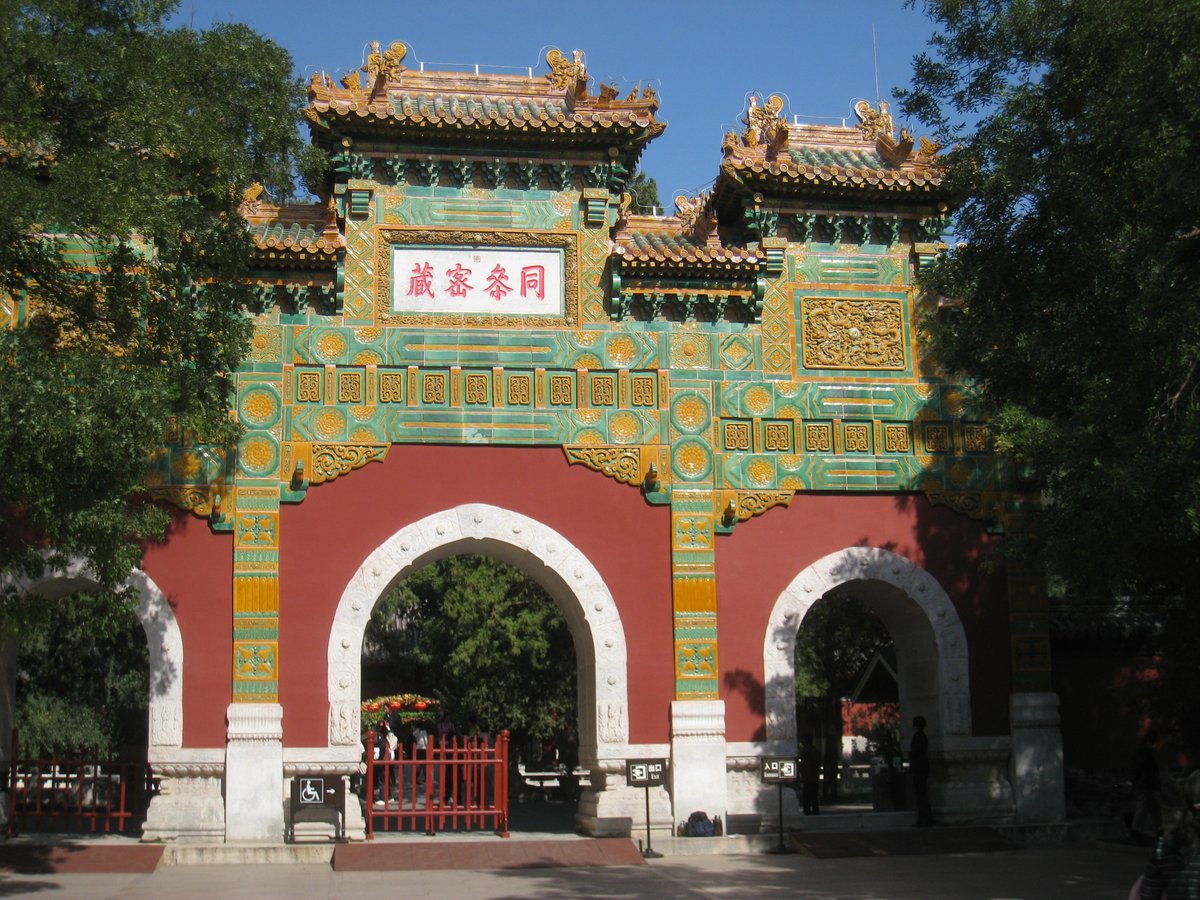
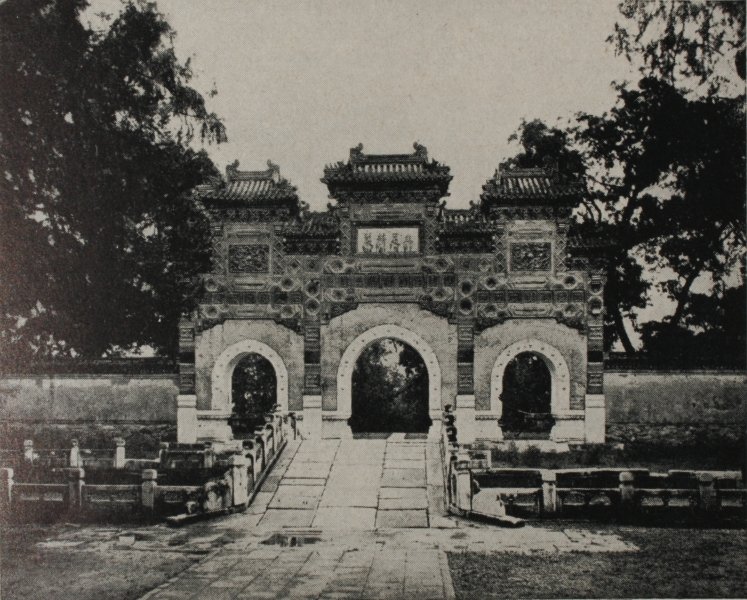
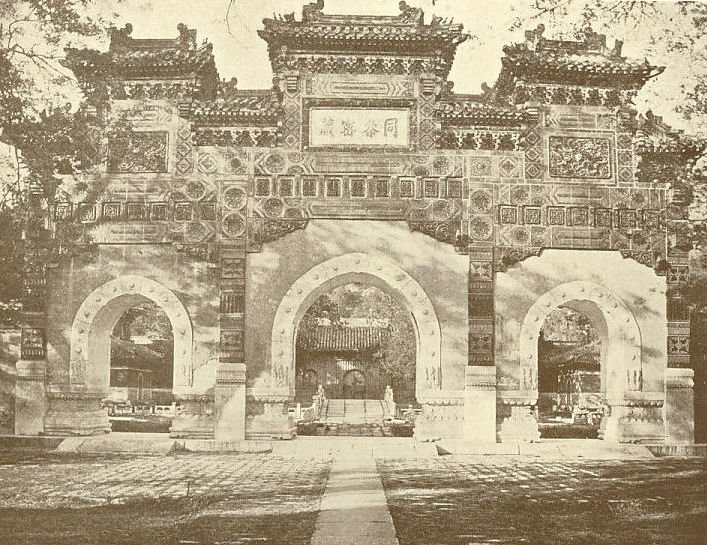
- Ornate Memorial Arches (Paifang) Marking the entrance, inscribed with Buddhist aphorisms.
- Merit Pool A tranquil pond near the entrance symbolizing purity.
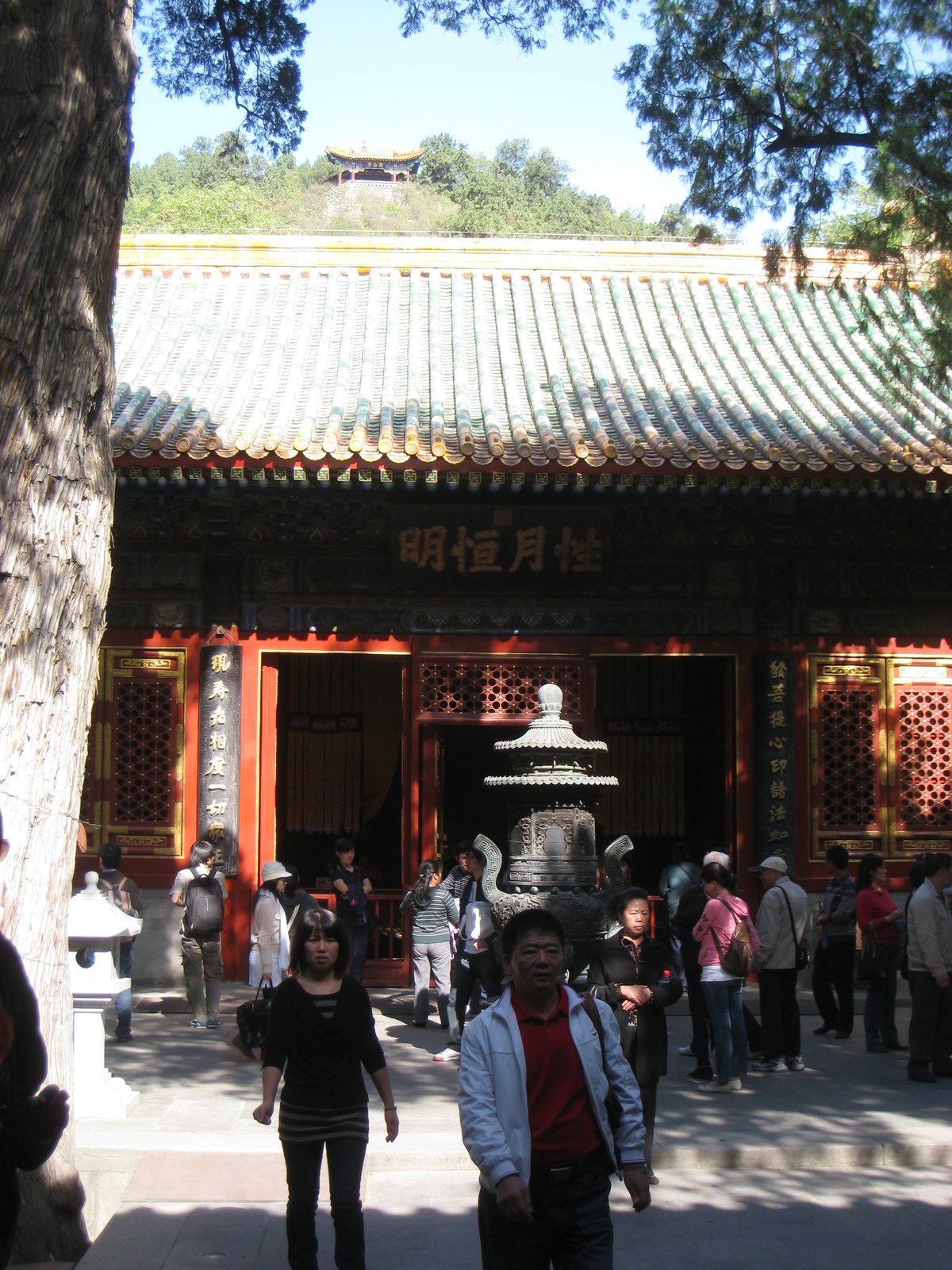
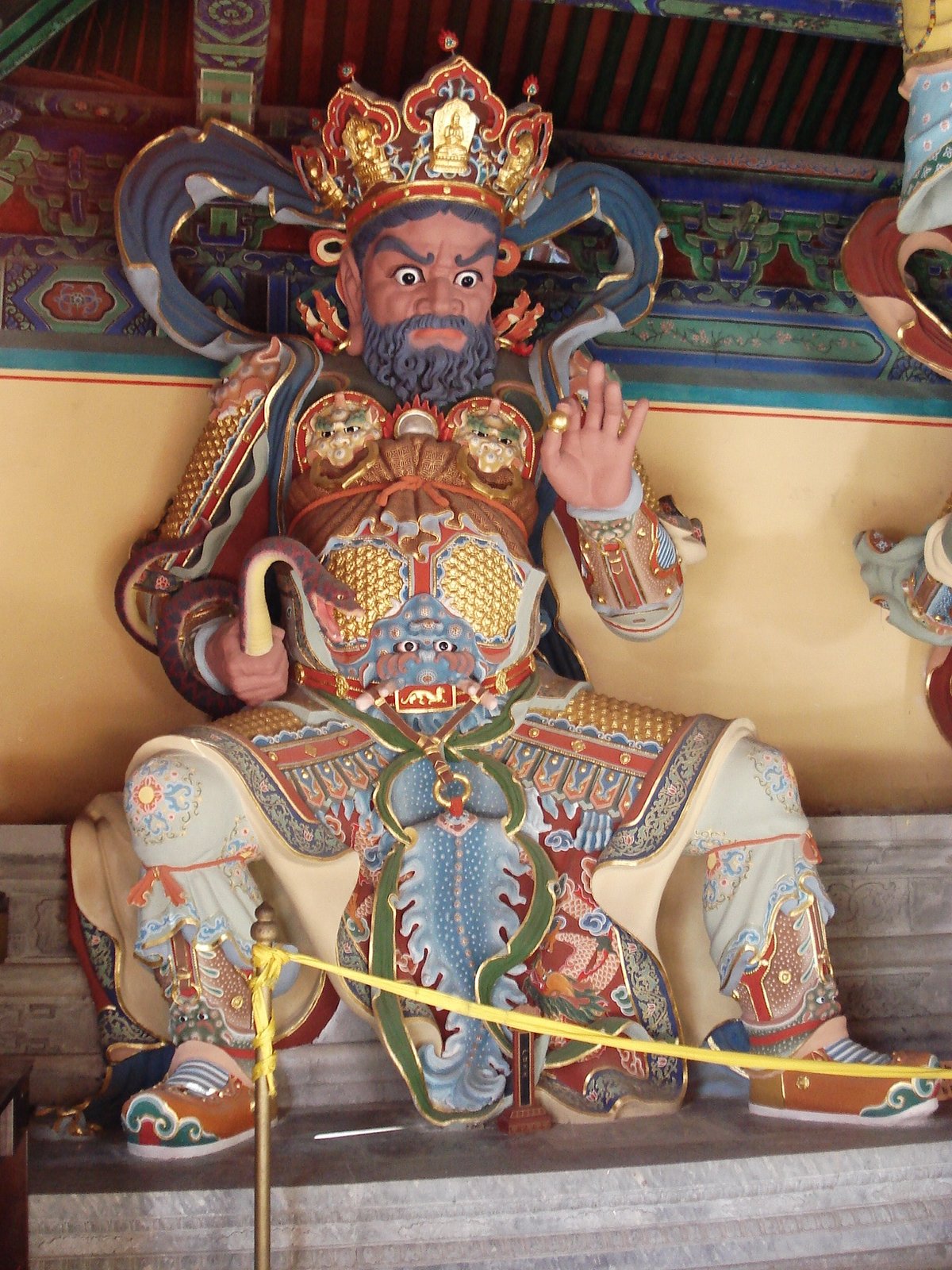
- Mountain Gate Hall The formal entry guarded by formidable statues.
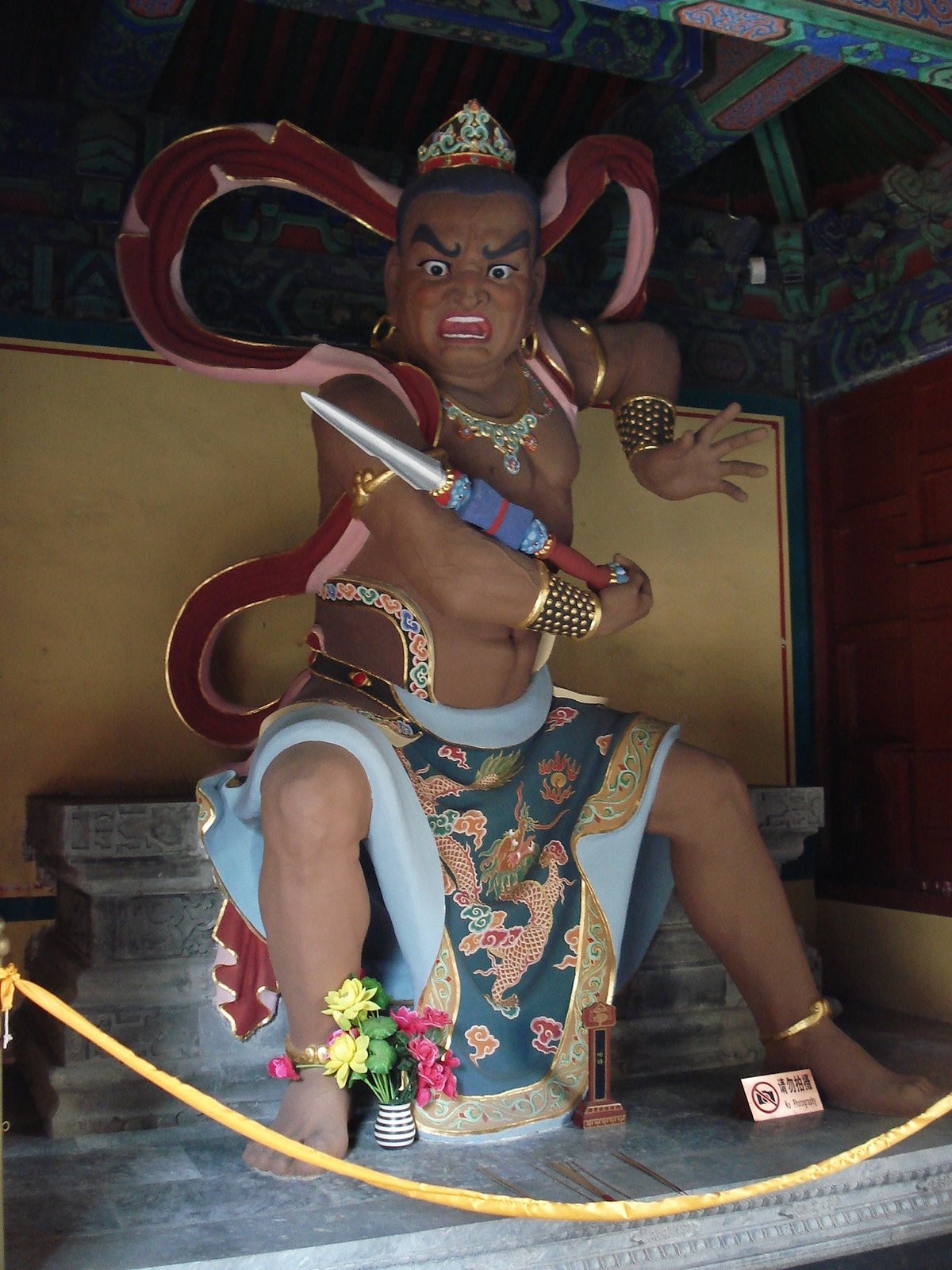
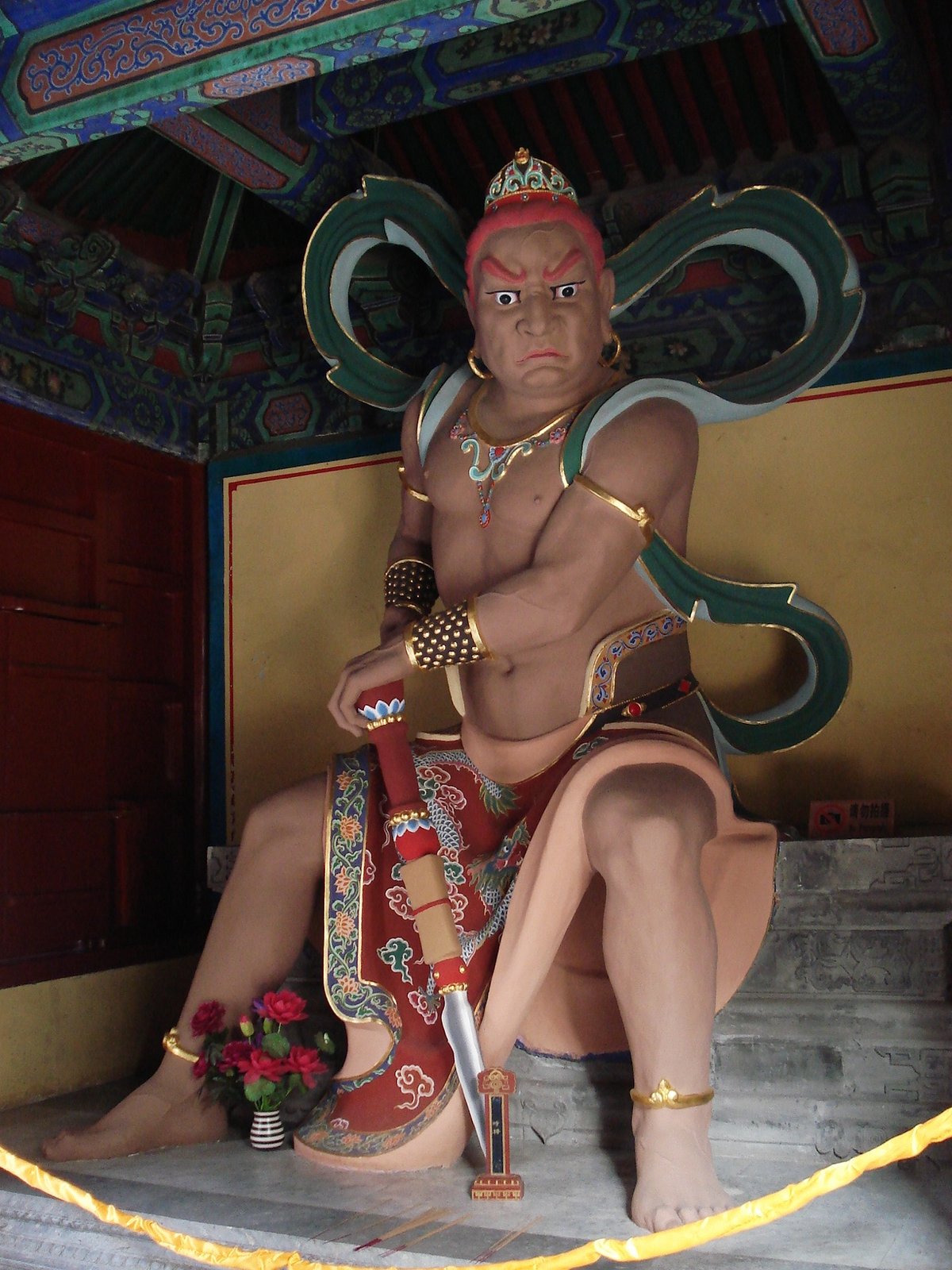
- Hall of Heavenly Kings Houses the Four Heavenly Kings, Maitreya Buddha, and Wei Tuo Bodhisattva.
- Three Buddha Hall Features three gilded Buddha statues and eighteen Arhat figures.
- Reclining Buddha Hall The centerpiece, containing the famed bronze statue.
- Sutra Hall Storage place for Buddhist scriptures.
Flanking the central axis are eastern and western wings, historically serving as monastic quarters and spaces for imperial visits. The entire complex covers about 2.8 hectares and is surrounded by ancient cypress trees, pavilions, and gardens.
Botanical and Natural Setting
Wofo Temple is renowned for its integration with nature. Situated within the Beijing Botanical Garden, it is embraced by a diverse array of plantings, including ancient Saraca trees—sacred in Buddhist tradition—and over 100 wintersweet (Chimonanthus praecox) shrubs near the animal release pond. These botanical elements contribute to the temple’s tranquil ambiance and have made it a seasonal destination for flower viewing (khabarasia.com; beijing.gov.cn).
Visitor Information
Location and Directions
Wofo Temple is located within the southern sector of the Beijing Botanical Garden, at the foot of Shouniu Mountain, about 20–30 kilometers from central Beijing. It is easily accessible by public transport, with several bus lines (e.g., 318, 333, 360, 904) stopping nearby, and parking facilities available for private vehicles (visitbeijing.com.cn).
Visiting Hours
- General Hours 7:00 AM – 6:00 PM (seasonal variations may apply)
- Beijing Botanical Garden Typically open 8:30 AM – 4:30 PM
- Last Entry 30 minutes before closing
Check official sources for up-to-date opening times, especially during holidays.
Ticket Prices
- Wofo Temple Admission 5–15 RMB (varies by ticketing channel and discounts)
- Botanical Garden Admission 5–10 RMB
- Combined Ticket Required for temple entry; available at the main entrance
- Discounts Available for students, seniors, and children with valid ID
Tickets can be purchased onsite or via official online platforms.
Accessibility and Facilities
- Pathways Most temple and garden paths are paved and accessible; some traditional steps and slopes may be challenging.
- Wheelchair Access Main areas are accessible; assistance available at entrance upon request.
- Restrooms and Visitor Services Facilities are available within the Botanical Garden complex.
Travel Tips
- Recommended Visit Duration 3–4 hours to explore temple grounds and gardens.
- Best Seasons Late winter to early spring (wintersweet blossoms), autumn (foliage).
- Dress Code Modest attire is recommended as this is an active religious site.
- Photography Allowed outdoors; flash and tripods are prohibited inside temple halls.
Seasonal Highlights and Special Events
Wintersweet Blossom (Feb–Mar)
Wofo Temple is famed for the blooming of hundreds of wintersweet shrubs around the animal release pond and temple entrance. The golden-yellow blossoms and their subtle fragrance create a captivating winter scene (beijing.gov.cn).
Spring and Summer
The surrounding gardens burst into vibrant bloom with a rich variety of flowers and foliage, offering shaded walks and tranquil spaces for meditation.
Autumn
Nearby Fragrant Hills Park becomes a major attraction for its brilliant fall colors, while Wofo Temple offers a quieter setting to enjoy the seasonal palette (chinatour.net).
Special Events
- Wintersweet Festival Celebrates the peak blossom season with cultural performances and exhibitions.
- Buddhist Ceremonies Major Buddhist festivals and rituals held throughout the year.
Guided tours are recommended for deeper insights into the temple’s art and history.
Nearby Attractions
- Beijing Botanical Garden Home to themed plant collections and scenic landscapes.
- Fragrant Hills Park (Xiangshan) Famed for autumn foliage and hiking trails.
- Summer Palace UNESCO World Heritage Site with imperial gardens.
- Beijing Zoo and other historical sites Easily accessible for a full cultural day trip.
Frequently Asked Questions (FAQ)
Q: What are Wofo Temple’s visiting hours?
A: Generally, 7:00 AM – 6:00 PM; check seasonal updates.
Q: How much are tickets?
A: Combined ticket for the botanical garden and temple: 10–20 RMB.
Q: Are guided tours available?
A: Yes, through onsite or official tourism platforms.
Q: Is the temple wheelchair accessible?
A: Main areas are accessible; some traditional sections may be challenging.
Q: When is the best time to visit?
A: Late winter to early spring (wintersweet blooms), spring/summer (gardens), autumn (foliage).


