White Dagoba and Miaoying Temple: History & Significance
Yuan Dynasty Origins and Architectural Marvel
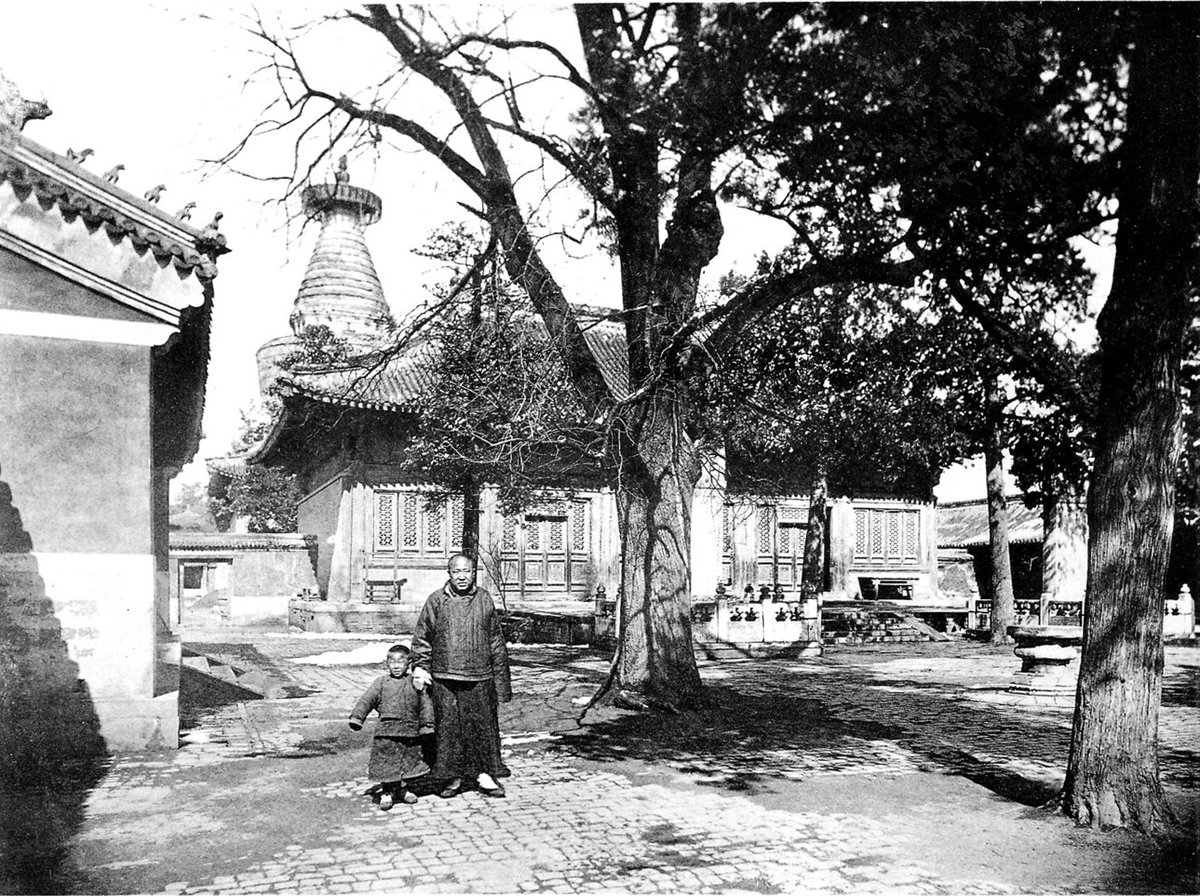
The White Dagoba at Miaoying Temple was erected in 1279 under Kublai Khan’s patronage, marking the integration of Tibetan Buddhism into the heart of China’s capital, then named Dadu. Designed by Arniko, the stupa blends elements from Han, Tibetan, and Nepalese traditions. Its towering 50.9-meter form features a triple-tiered base, inverted bowl body, and a spire crowned with bronze rings and bells—each element rich in Buddhist symbolism (Wikipedia; Kathmandu Post).
Restoration and Preservation
Following a fire in 1291 and subsequent Ming Dynasty renovations, the temple was renamed Miaoying Si in 1457. The White Dagoba has survived centuries of upheaval—including damage from the 1976 Tangshan earthquake—thanks to extensive preservation efforts. It was designated a national key cultural relic in 1961 and remains a living center for religious practice and cultural festivals (Chinadragontours; Beijing Government).
Visiting Miaoying Temple: Hours, Tickets & Tips
Location & Access
- Address 40 White Dagoba Lane, Xicheng District, Beijing
- Nearest Metro Jianguomen Station (Line 1 & 2), about 15 minutes’ walk
Visiting Hours
- Open Daily, 8:00 AM – 5:00 PM (last entry: 4:30 PM)
- Closed Major Chinese public holidays and scheduled maintenance
Tickets
- General Admission 20 CNY (approx. USD 3)
- Discounts Students and seniors with valid ID
- Purchase Onsite or online via authorized platforms
Guided Tours & Events
- English and Mandarin tours available; advance booking recommended
- Hosts annual Buddhist festivals and cultural events
Accessibility & Amenities
- Wheelchair-accessible paths and ramps
- Onsite restrooms, café, and souvenir shop
Nearby Attractions
- Beijing Ancient Observatory (1.5 km)
- Yonghe Lama Temple (2 km)
- Wangfujing Shopping Street (3 km)
Visitor Etiquette
- Photography allowed in outdoor areas; restrictions in temple halls—always check for signage.
Setting & Architectural Features
The White Dagoba graces Qionghua (Jade) Island at the core of Beihai Park, Beijing’s imperial garden. Built in 1651 to commemorate the 5th Dalai Lama’s visit, this 35.9-meter stupa showcases Tibetan Buddhist architectural style, topped with 14 bronze rings and a “chatra” canopy symbolizing enlightenment and unity (China Odyssey Tours; People’s Daily).
Structure & Symbolism
- Square base Earth
- Dome body Water
- Conical spire Fire
- Canopy Air
- Crowning jewel Ether
The pristine white finish, bronze bells, and intricate ornamentation reinforce the dagoba’s spiritual significance and its role as a city landmark (Beijing Buzzz).
Park Hours & Tickets
- Beihai Park Hours 6:30 AM – 9:00 PM daily
- White Dagoba Scenic Area
- Jan 1 – July 13 Tue–Sun, 9:00–17:30
- July 14 – Aug 31 Daily, 9:00–17:30
- Sep 1 – Dec 31 Tue–Sun, 9:00–17:30
- Tickets
- Park admission: ~10 CNY
- Additional fee for White Dagoba area; prices vary by season and age (Deep China Travel; Ruqin Travel)
Accessibility & Travel Tips
- Access via Yong’an Bridge, with stone stairways to the summit—challenging for those with mobility impairments
- Early morning visits recommended for tranquility and optimal lighting
- Boat rentals offer unique views of the dagoba from the lake (GoShopBeijing)
Facilities
- Restrooms, benches, snacks and cafés (e.g., Qingfeng on Qionghua Island)
- Informational signage in multiple languages
- No luggage storage; travel light
Cultural Significance & Living Heritage
Religious & Diplomatic Importance
The White Dagoba’s construction marked the Yuan Dynasty’s embrace of Tibetan Buddhism, reinforcing political alliances and religious tolerance. The structure’s design—a blend of Chinese, Mongolian, Tibetan, and Nepalese influences—embodies centuries of cultural synthesis (beijingbuzzz.com; deepchinatravel.com).
Rituals & Pilgrimage
The dagoba serves as a reliquary, pilgrimage destination, and site for Buddhist festivals. Rituals such as circumambulation and the resonance of bronze bells connect visitors to enduring spiritual traditions (Kathmandu Post).
Preservation & Modern Relevance
Protected as a key cultural relic, the White Dagoba continues to host worship, ceremonies, and cultural events, remaining a vibrant locus of spiritual and communal life in Beijing (beijingbuzzz.com).
Planning Your Visit: Practical Tips & FAQs
Getting There
- Subway Line 6 to Beihai North Station, Exit B or D (6 minutes’ walk to North Gate)
- Bus Routes 5, 101, 103 to Xibanqiao Station
- Taxi 15–30 minutes from central Beijing, ¥30–¥50
- Walking Short strolls from Tiananmen Square, Forbidden City, or Jingshan Park (East China Trip; Ruqin Travel)
Best Times to Visit
- Spring (April–May) & Autumn (Sep–Oct) Mild weather, fewer crowds
- Early mornings Peaceful, best for photography and observing local culture
- Avoid Major public holidays—crowded, higher prices (China Highlights)
Visitor Experience Highlights
- Scenic photography: Reflections on Beihai Lake, panoramic city views from the summit
- Cultural immersion: Tai chi, traditional music, and seasonal festivals
- No entry inside the dagoba itself; enjoy external views and surrounding gardens
Safety & Comfort
- Wear comfortable shoes for walking and stairs
- Bring sun protection and water
- Dress modestly, especially when visiting religious sites
FAQs
Q: What are the White Dagoba’s visiting hours?
A: See park/temple sections above; always check for holiday closures.
Q: How much are tickets?
A: Beihai Park entry ~10 CNY; Miaoying Temple 20 CNY; additional fees for scenic areas.
Q: Is the site wheelchair accessible?
A: Main park/temple paths are accessible; stairways to the dagoba summit are not.
Q: Can I enter the White Dagoba?
A: No, interior access is not permitted.
Q: Are guided tours available?
A: Yes, in English and Mandarin; book in advance for best availability.
Q: Are there other attractions nearby?
A: Yes—Forbidden City, Yonghe Lama Temple, and more.
Summary & Recommendations
The White Dagoba, whether at Miaoying Temple or Beihai Park, is a profound symbol of Beijing’s religious, historical, and architectural heritage. Careful preservation has ensured continued public access and authentic experience, while proximity to other major landmarks makes it an essential part of any Beijing itinerary. For the best experience, consult current visiting hours, purchase tickets in advance during peak seasons, and consider guided tours for deeper insight. Enhance your journey with tools like the Audiala app and stay connected with ongoing cultural events (beijingbuzzz.com; Deep China Travel).