
Historical Significance
Origins and Construction
Commissioned by Emperor Qianlong in 1749, Tuan Cheng Fortress was conceived as a dedicated site for military training, ceremonial reviews, and martial arts exhibitions for the Qing dynasty’s elite troops, notably the Jianruiying imperial guard unit. The fortress’s rare circular layout, robust walls, surrounding moat, and integrated palace buildings distinguish it as the only surviving military architectural complex in Beijing that seamlessly combines defensive, administrative, and ceremonial elements (Wikipedia; Visit Beijing; ChinaStyle.cn).
Military and Ceremonial Role
Tuan Cheng Fortress played a pivotal role in Qing military affairs:
- Military Drills and Training The emperor and officials observed military exercises here, with the central parade ground used for troop formations and martial demonstrations (History Tools).
- Inspection and Review Ceremonial troop inspections reinforced imperial authority and discipline (History Hit).
- Reward and Honors Imperial gifts and ceremonial honors were bestowed upon soldiers at the fortress (ChinaStyle.cn).
Symbolism and Cultural Value
The fortress’s circular design symbolizes unity and completeness in Chinese cosmology. It became a locus for martial arts events, ceremonies, and imperial pageantry—showcasing the dynasty’s consolidation of power and cultural artistry. Today, Tuan Cheng Fortress continues to host martial arts exhibitions and historical reenactments, preserving its cultural legacy (History Hit).
Architectural Highlights
Layout and Defensive Structure
- Circular Plan The fortress spans about 140 meters in diameter and is enclosed by thick, crenellated grey brick walls up to 8 meters high.
- Moat and Drawbridges A surrounding moat provided defense, with remnants of drawbridge mechanisms still visible.
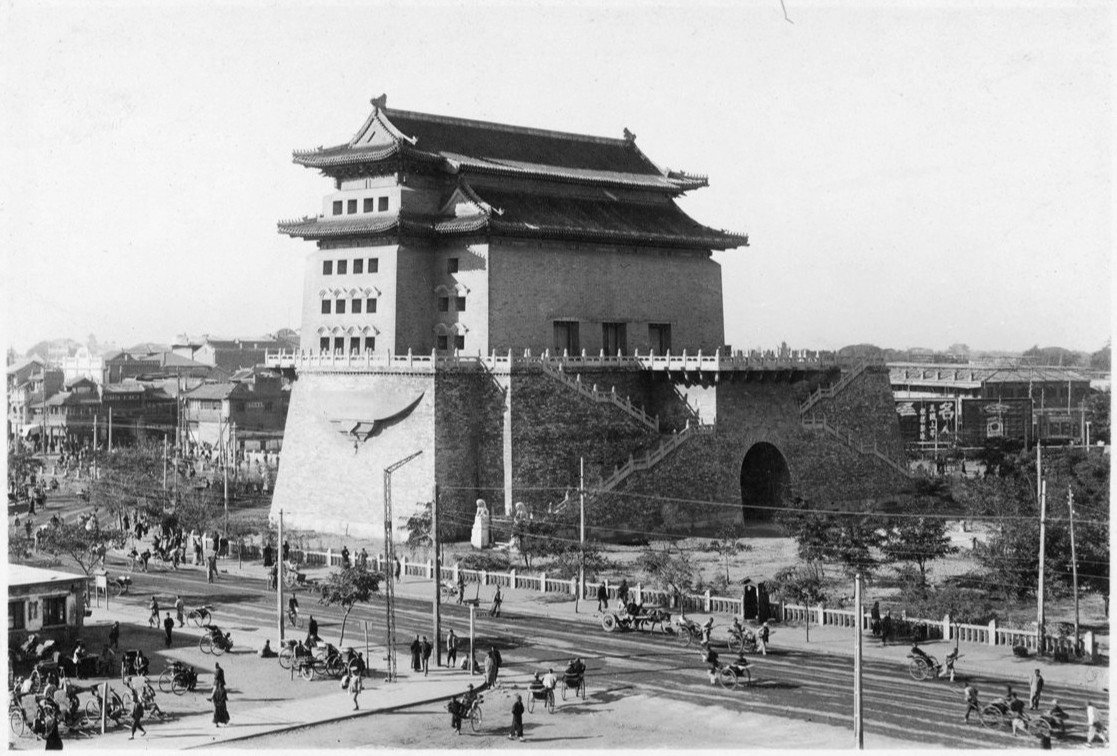
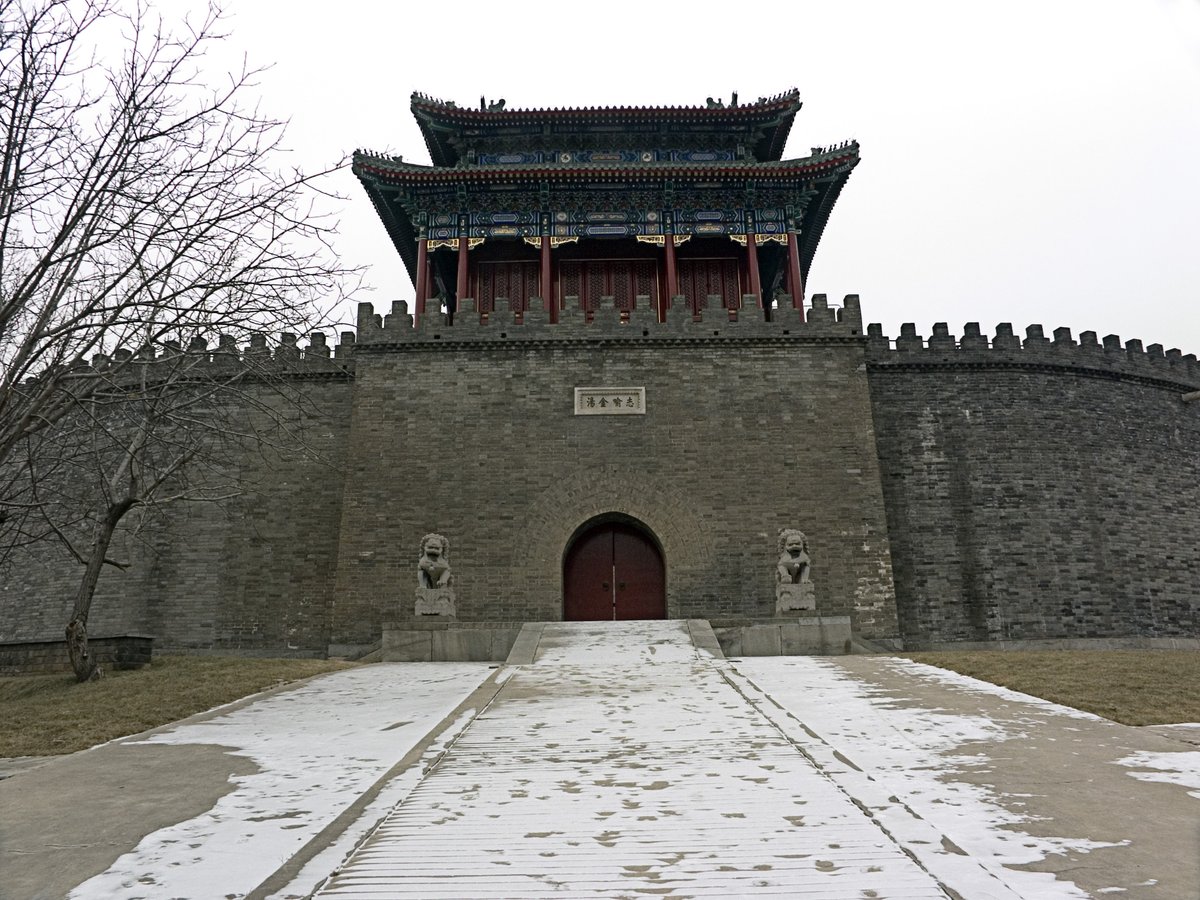
- Gatehouses Four gates (South, North, East, West), each with a gatehouse. The South Gate is the main ceremonial entrance, featuring a two-story gatehouse with glazed tiles and imperial motifs.
- Watchtowers Four corner towers offer panoramic views and defensive oversight.
- Parade Ground A large central stone-paved area for drills and ceremonies, with the raised Yanwutai (演武台) platform at its center.
- Auxiliary Structures Restored barracks, armories, and storage rooms now serve as exhibition halls (Visit Beijing).
Artistic Details
Ornamentation is restrained yet elegant—imperial yellow and green glazed tiles, stone carvings, and traditional motifs such as dragons and mythical beasts signal the fortress’s dual military and ceremonial function.
Visiting Information
Opening Hours and Ticketing
- Regular Hours Open daily from 9:00 AM to 5:00 PM (last entry at 4:30 PM). Some sources note opening from 8:30 AM; confirm before your visit as times may vary by season or holiday (Hey Roseanne).
- Admission Fee Tickets typically cost 10–30 RMB for adults, with discounts for students and seniors. Some periods may offer free admission—check the official Beijing tourism website or at the gate for current prices (Rachel Meets China).
- Ticket Purchase Buy tickets onsite or via online platforms; foreign visitors must show a passport for ticketing.
Accessibility
- Physical Access Most of the fortress is wheelchair accessible with paved paths and ramps, though some historic areas have uneven stones or steps.
- Facilities Restrooms are available near the entrance (bring your own tissue); shaded pavilions and rest areas are found throughout the grounds (Hey Roseanne).
Getting There
- Subway Closest is Xiyuan Station (Line 4), about 1.5 km away.
- Bus Several lines stop near the Summer Palace; it’s a 10–15 minute walk from there.
- Taxi/Ride-hailing Widely available; show the driver 团城演武厅 for clarity.
- Nearby Attractions The fortress is near Fragrant Hills Park, the Summer Palace, and other culturally significant sites. Consider combining your visit for a full day’s itinerary (Rachel Meets China).
Visitor Experience
Highlights
- Parade Ground & Yanwutai Platform Central space for drills and historical reenactments.
- Exhibition Halls Displays include Qing military artifacts, imperial portraits (notably Qianlong Emperor by Lang Shining), weaponry, documents, and multimedia introductions to the fortress’s history (History Hit).
- Wall Walks and Watchtowers Offer sweeping views of the surrounding landscape, including the Summer Palace and Kunming Lake.
Tours and Interpretation
- Guided Tours Available in Chinese (and sometimes English during peak seasons). For deeper insights, consider a private guide or translation apps. QR codes may link to digital audio guides.
- Informational Signage Provided in Chinese and limited English.
Events
- Martial Arts Demonstrations Regularly held, especially on weekends and during festivals.
- Special Exhibitions Check the official website for schedules, especially during holidays.
Practical Tips
- Bring Passport, mobile payment apps (Alipay/WeChat Pay), translation app, tissue, hand sanitizer, and comfortable walking shoes.
- Photography Allowed in most areas; drones require prior authorization.
- Security Standard bag checks at the entrance.
- Best Times to Visit Spring and autumn for mild weather and scenic foliage; weekday mornings for fewer crowds.
- Dress Code Modest clothing is appreciated; dress for the season.
Nearby Amenities
- Food and Drink Limited on-site snacks; a broader selection is available near the Summer Palace.
- Shopping Few souvenir options at the fortress, but many nearby at the Summer Palace and Panjiayuan Market.
- Hotels Nearby accommodation includes Fragrant Hill Empark Hotel, BTG Fragrant Hotel, and others (Beijing Service).
Frequently Asked Questions (FAQ)
Q: What are the opening hours?
A: Typically 8:30/9:00 AM to 5:00 PM, last entry at 4:30 PM. Check for seasonal changes.
Q: How much is the ticket?
A: 10–30 RMB for adults; discounts and occasional free entry available.
Q: Is it accessible for wheelchairs?
A: Most areas are accessible, but some uneven paths exist.
Q: Can I take photos?
A: Yes, except in restricted exhibition areas.
Q: Are guided tours offered?
A: Limited English tours; Chinese tours and digital guides available.
Q: What is nearby?
A: Summer Palace, Fragrant Hills Park, Wanfu Temple, and Beijing Botanical Garden.
Visuals and Media Suggestions
- Photos of the fortress’s circular walls and moat (alt: "Tuan Cheng Fortress circular wall and moat in Beijing").
- South Gate and gatehouse (alt: "South Gate of Tuan Cheng Fortress, Qing Dynasty military architecture").
- Qianlong Emperor’s portrait by Lang Shining (alt: "Portrait of Qianlong Emperor at Tuan Cheng Fortress museum").
- Martial arts and cultural events (alt: "Martial arts demonstration at Tuan Cheng Fortress, Beijing").
Explore virtual tours and interactive maps via China Highlights and Visit Beijing.
Summary and Recommendations
Tuan Cheng Fortress stands as a unique monument to Beijing’s imperial military past, blending architectural beauty, historical depth, and a tranquil atmosphere. With accessible facilities, modest ticket prices, and proximity to other major attractions, it is ideal for visitors seeking a contemplative historical experience beyond the city’s more crowded sites. Allocate 1–2 hours for a visit and consider combining it with a trip to the Summer Palace or Fragrant Hills Park for a complete cultural day.
For updates, event notifications, and guided tour bookings, download the Audiala app and follow official Beijing tourism channels.