
Origins and Early Development
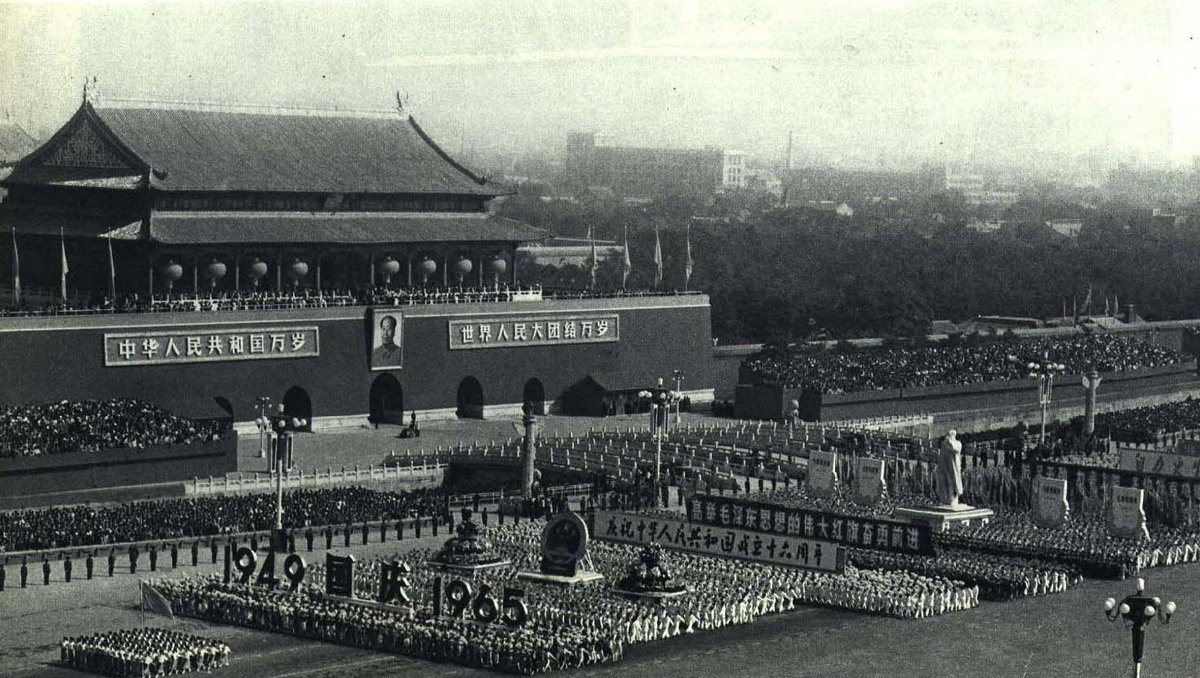
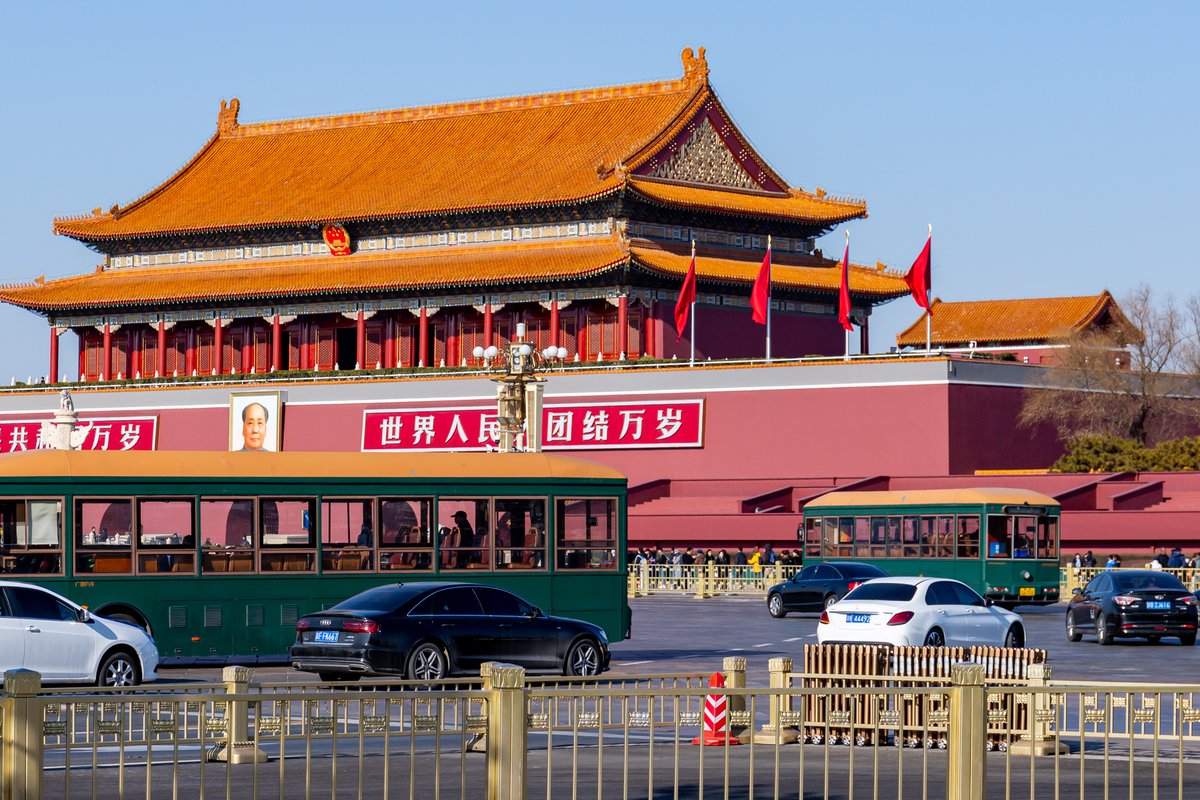
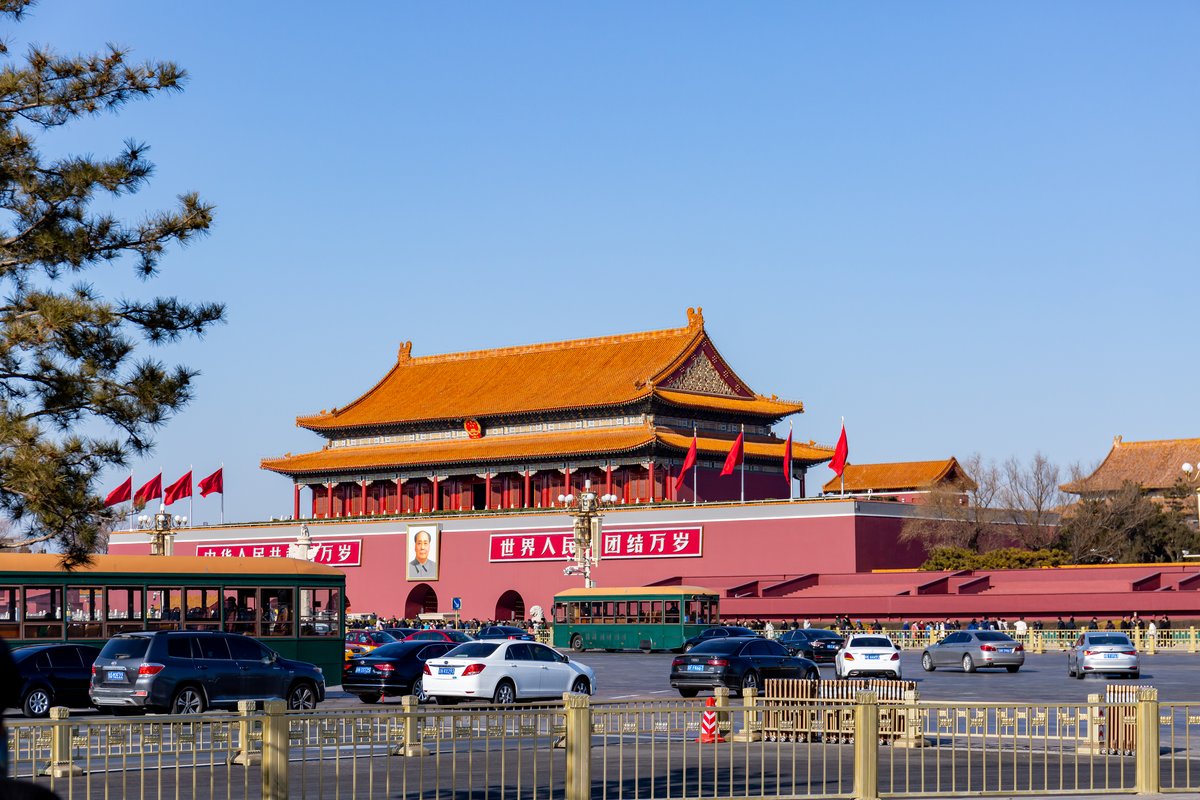
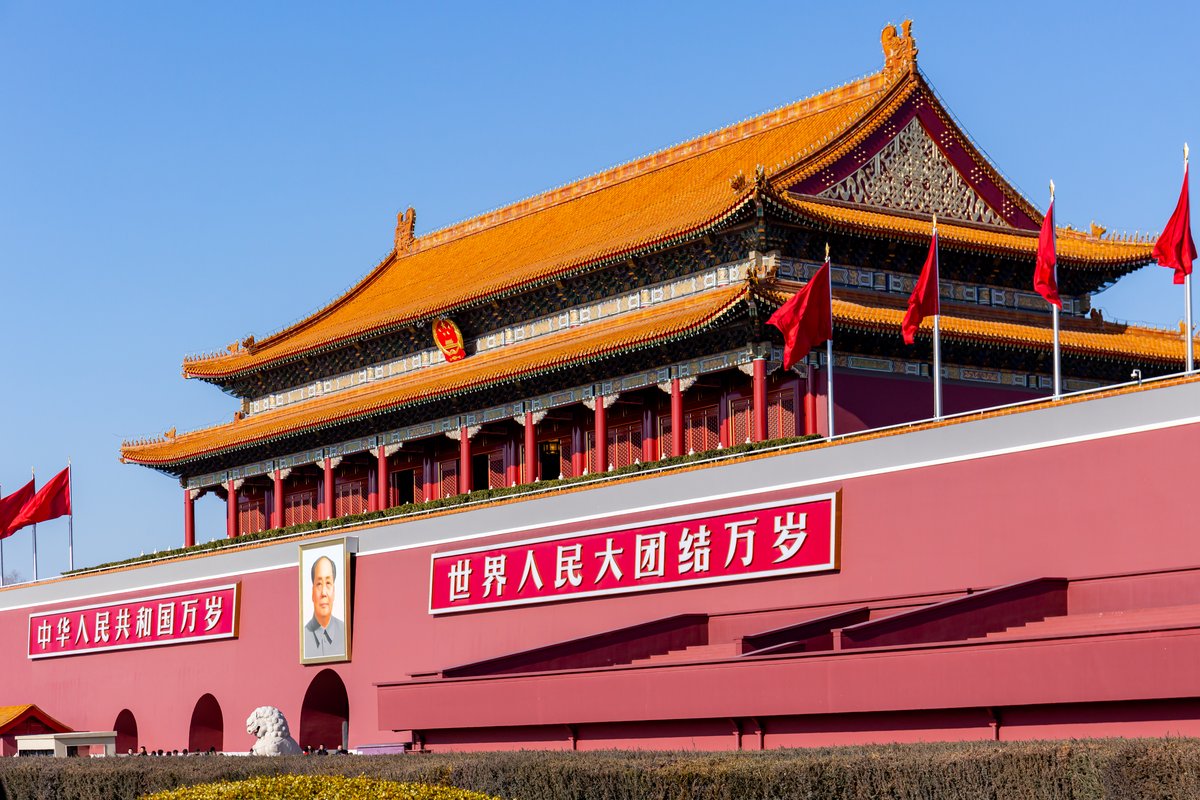
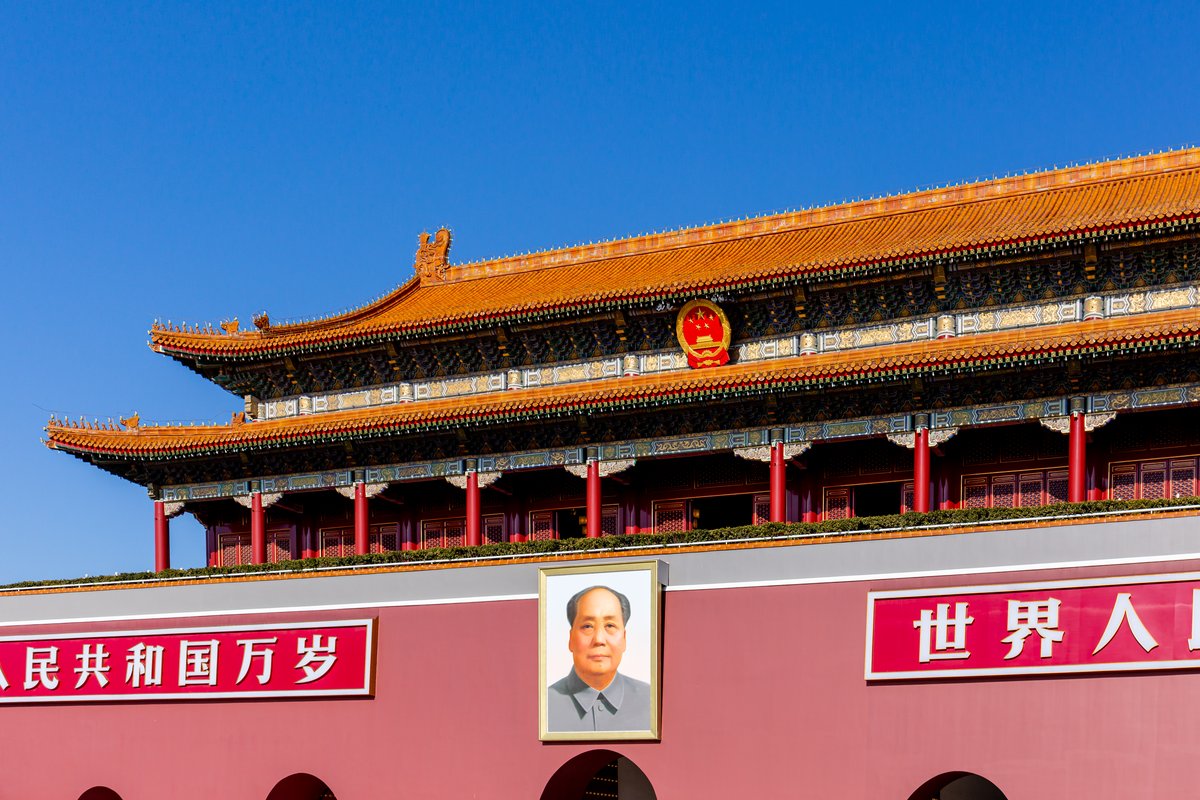
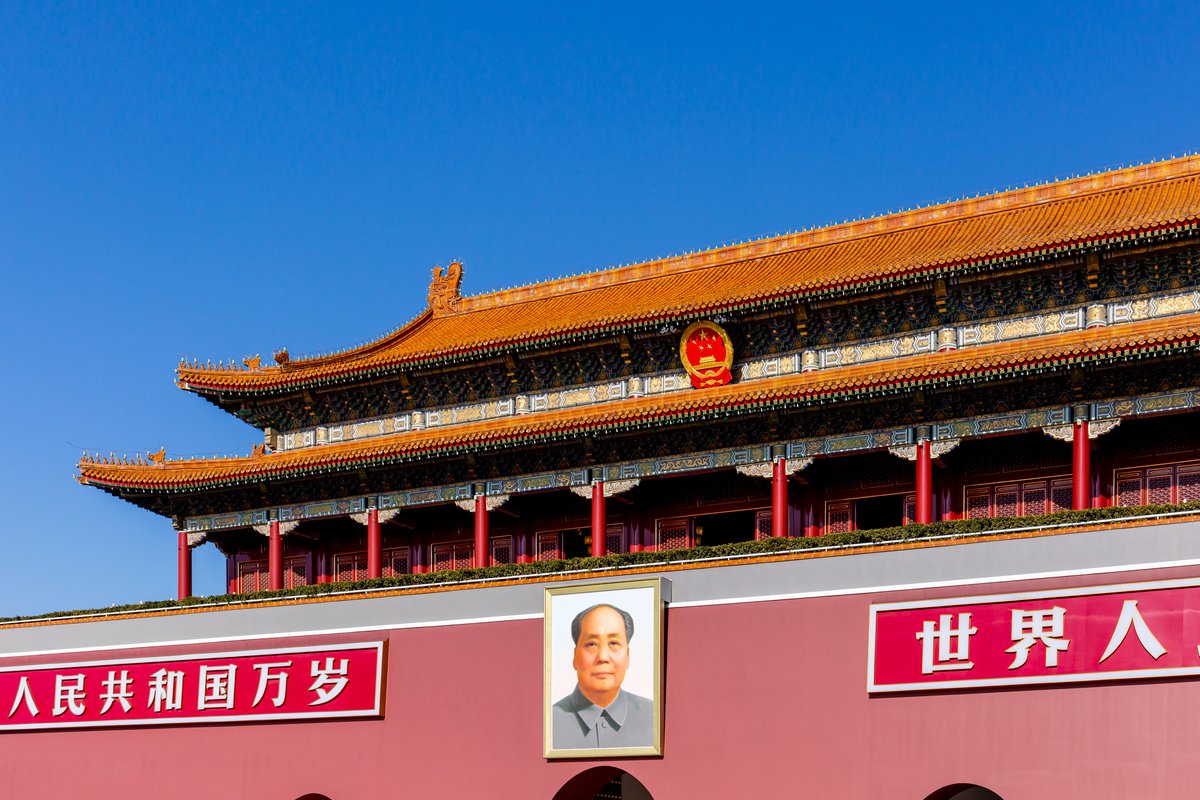
Tiananmen Square derives its name from the Tiananmen ("Gate of Heavenly Peace"), constructed in 1415 during the Ming Dynasty as the main entrance to the Imperial City. The square itself was first designed in 1651 during the Qing Dynasty, serving as a ceremonial and public gathering space outside the Forbidden City (Britannica; History Tools).
Expansion and Modernization
In 1958, under Mao Zedong's vision, Tiananmen Square was vastly expanded to its current size to accommodate mass rallies and major political events. The square now measures 880 meters north-south and 500 meters east-west, capable of holding over a million people (Britannica). Each flagstone is numbered, reflecting both the monumental scale and the importance of orderly assembly (History Tools).
Political and Cultural Significance
Tiananmen Square has been the setting for key events, including Mao's proclamation of the People's Republic of China on October 1, 1949, annual National Day parades, and large-scale celebrations. It has also been the site of significant protests, such as the May Fourth Movement (1919), the April 5th Movement (1976), and the internationally recognized pro-democracy demonstrations of 1989 (Architectural Review). The square's symbolism is reinforced by its appearance on the national emblem, passports, and currency (Architectural Review).
Architectural and Monumental Features
Tiananmen Square is framed by some of Beijing’s most significant monuments and buildings, each reflecting a chapter in China's evolution (Tourist Secrets):
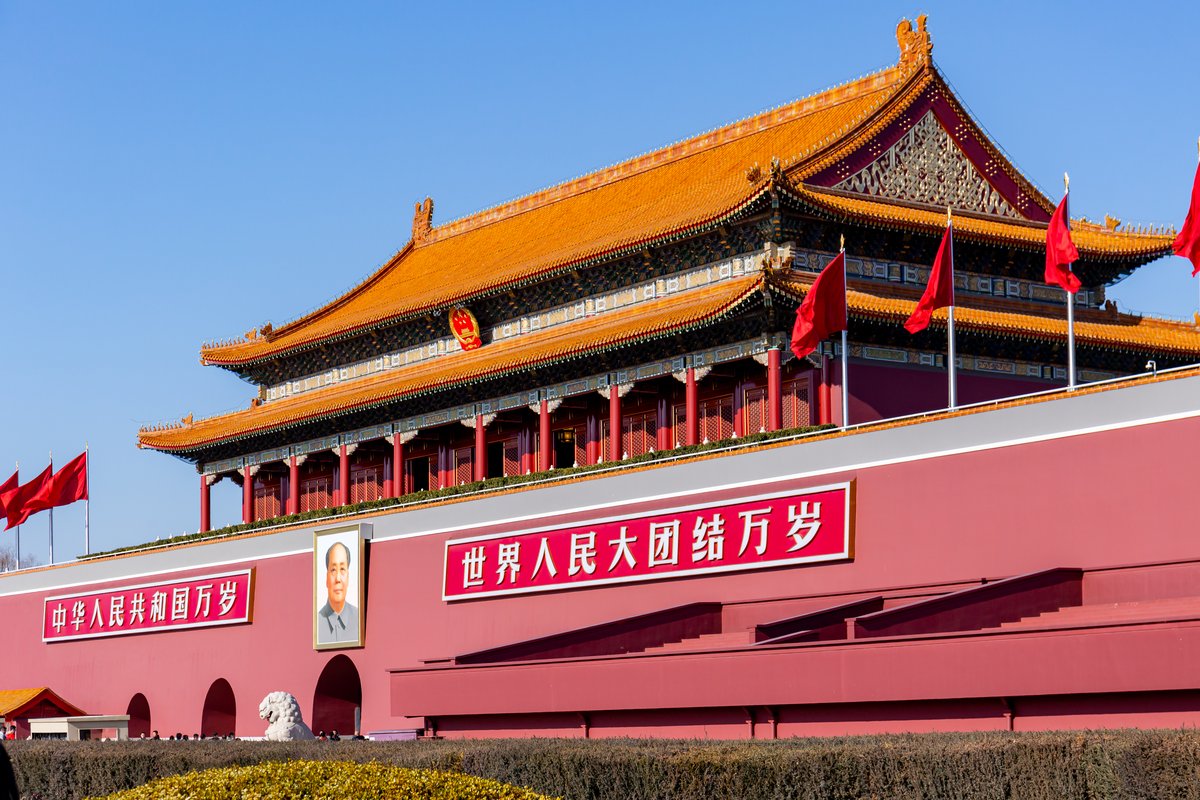
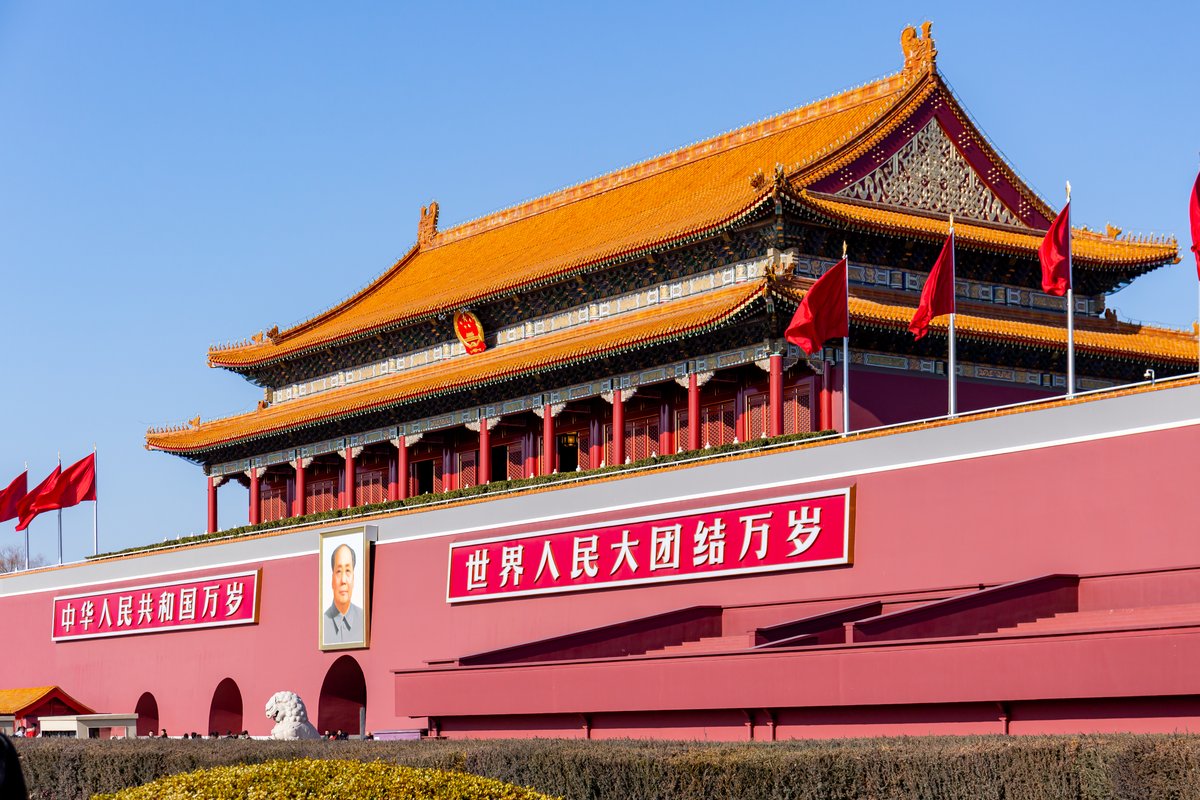
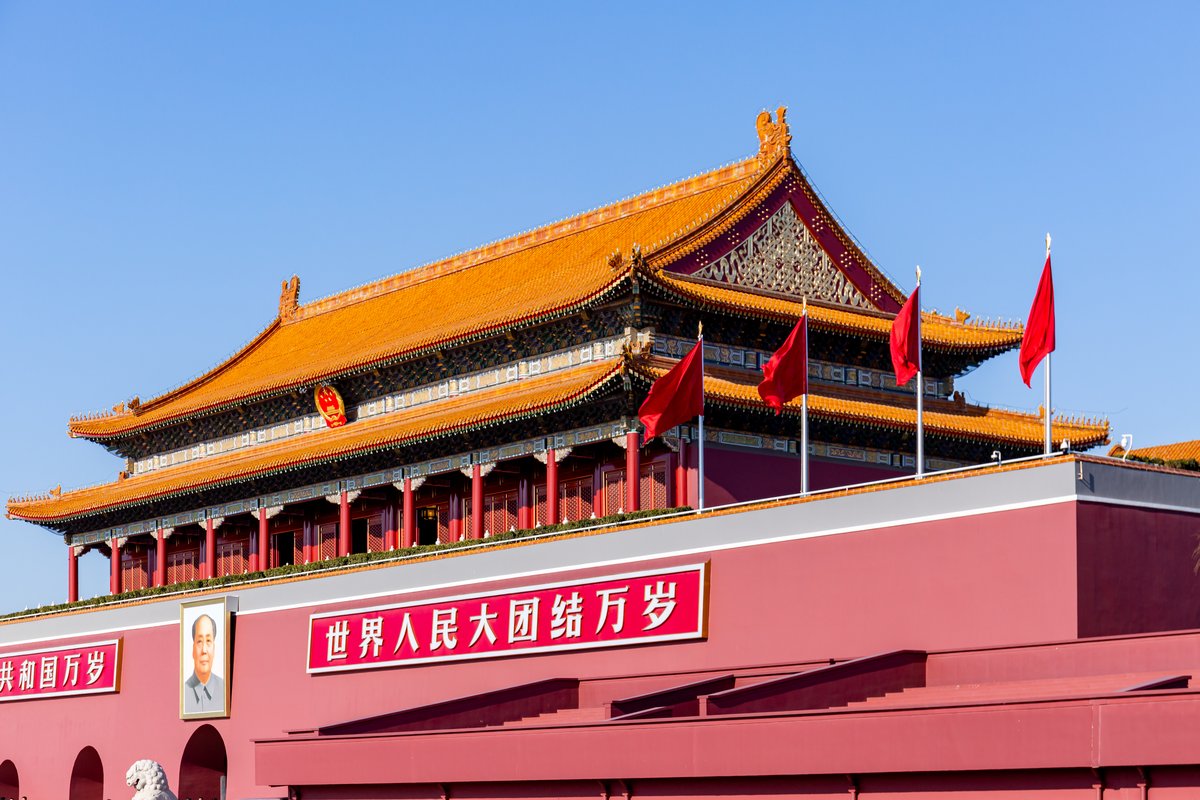
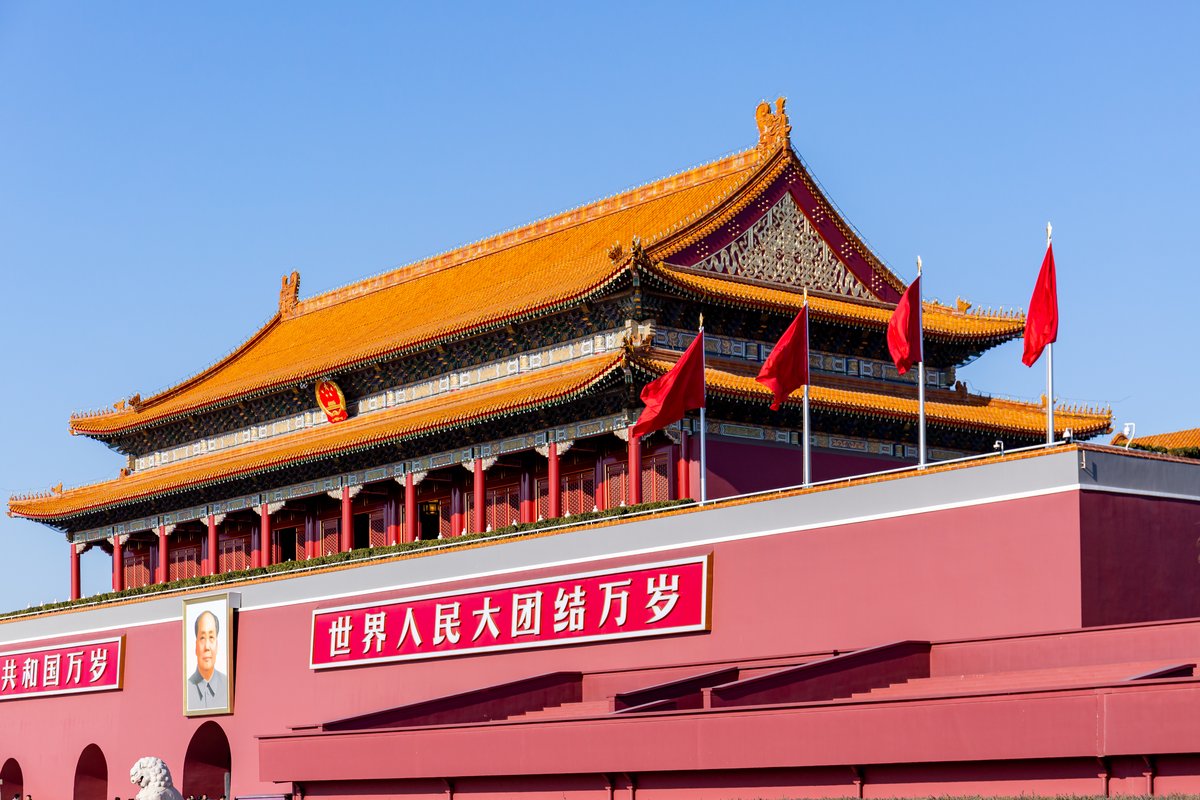
- Tiananmen Gate (North) Built in 1417, this iconic gate features the large portrait of Chairman Mao and serves as the entrance to the Forbidden City. Visitors can ascend the gate tower for panoramic views (ticketed entry, approx. 15 CNY) (Beijing Deep Tour).
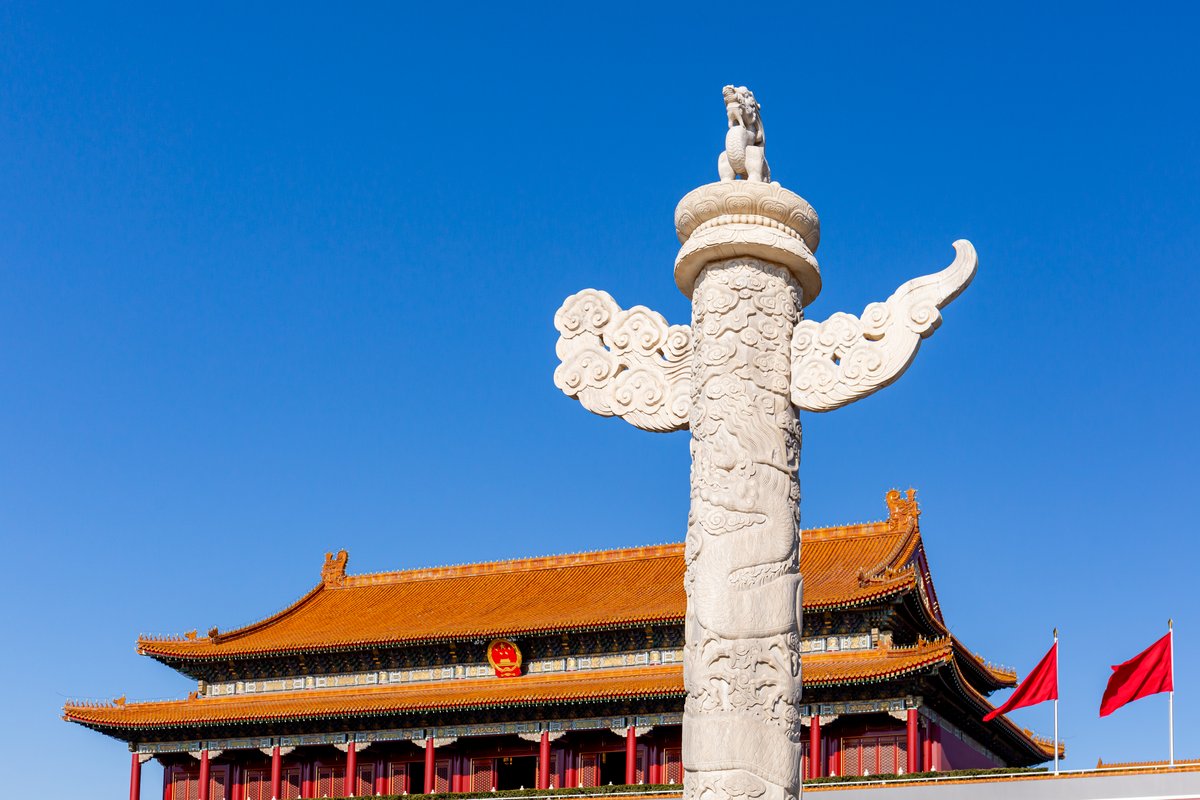
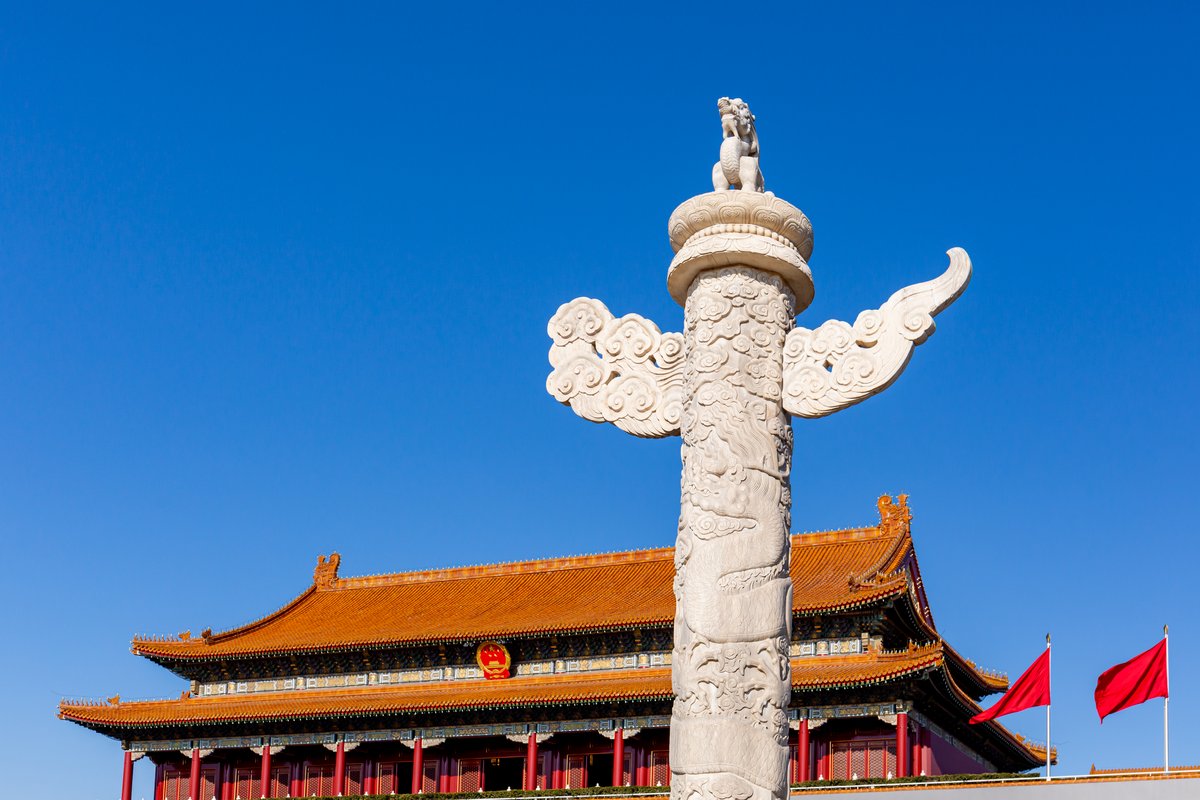
- Monument to the People’s Heroes (Center) A 38-meter granite obelisk inaugurated in 1958, commemorating revolutionary martyrs from the 19th century onwards (Top China Travel).
- Great Hall of the People (West) Seat of China's National People’s Congress and venue for major state functions. Guided tours are available when not in session (Top China Travel).
- National Museum of China (East) Merged from two former museums, showcasing over a million artifacts from ancient to modern China. Admission is free with advance online reservation (Beijing Deep Tour).
- Chairman Mao Zedong Memorial Hall (South) Houses Mao’s embalmed body, open mornings (8:00 AM–12:00 PM, closed Mondays). Strict security and decorum are enforced (The Financial Daily).
- Zhengyangmen (Qianmen) Gate and Archery Tower (South) Once part of Beijing’s city walls, now museums detailing the city’s history (ticketed entry, approx. 30 CNY).
Visiting Hours, Tickets, and Entry
General Square Access
- Tiananmen Square Daily from 6:00 AM to 10:00 PM. Free entry, but security checks and valid ID (passport for foreigners) are mandatory (Travel China With Me).
Main Attractions and Ticketing
| Attraction | Hours | Ticket Info | Notes |
|---|---|---|---|
| Chairman Mao Zedong Memorial Hall | 8:00 AM–12:00 PM (closed Mon) | Free; on-site or online reservation | Strict security, no photography |
| National Museum of China | 9:00 AM–5:00 PM (closed Mon) | Free; advance online booking required | Passport/ID needed |
| Great Hall of the People | Varies (when not in session) | Free; book on-site or through agencies | Guided tours only |
| Tiananmen Gate Tower | 8:30 AM–5:00 PM | Approx. 15 CNY; tickets at gate/online | Panoramic views |
| Zhengyangmen (Qianmen) Gate | 8:30 AM–5:00 PM | Approx. 30 CNY; tickets on-site | Historical exhibits |
Reservation System
Since December 2021, all visitors must reserve entry to Tiananmen Square and certain attractions 1–9 days in advance, generally via the WeChat mini-program (DragonTrail). Advance booking is mandatory for the flag-raising and flag-lowering ceremonies.
How to Get There & Accessibility
Getting There
- Subway
- Tiananmen East (Line 1) and Tiananmen West (Line 1): Direct exits to the square.
- Qianmen Station (Line 2): Southern end, access to Qianmen Street (Travel China With Me).
- Bus Multiple lines stop nearby, but the subway is faster due to traffic.
- Taxis/Rideshare Drop-off points are restricted near the square.
Accessibility
- Wheelchair-accessible ramps and restrooms are available across the square and in major attractions.
- Underground tunnels connect the square to nearby sites.
- Assistance for those with disabilities is available upon request; plan visits during off-peak hours for more comfort.
Major Attractions and Suggested Itineraries
Flag-Raising and Lowering Ceremonies
- Flag-Raising At sunrise, conducted by the People’s Liberation Army. Arrive at least 30–60 minutes early; reservation required (The China Guide).
- Flag-Lowering At sunset; also requires advance booking.
Classic Half-Day Itinerary
- Flag-Raising Ceremony
- Monument to the People’s Heroes
- Chairman Mao Zedong Memorial Hall
- Tiananmen Gate Tower (optional)
- Stroll the square, photograph main monuments
Full-Day Imperial Walk
- Morning Tiananmen Square and ceremonies
- Forbidden City (Palace Museum) Requires timed ticket (approx. CNY 60), minimum 2–3 hours
- Jingshan Park Hilltop city views
- National Museum of China Free with reservation
Evening/Night Route
- Attend the flag-lowering ceremony, photograph illuminated buildings, and optionally visit the National Centre for the Performing Arts.
Nearby Attractions
- Forbidden City (Palace Museum) North of Tiananmen, UNESCO World Heritage Site, advance ticketing is mandatory.
- Qianmen Street South of the square, historic pedestrian shopping and dining area.
- Wangfujing Eastern shopping street with night markets and local cuisine.
- Jingshan Park & Beihai Park North of the Forbidden City, offer scenic views and classic Chinese gardens.
- National Centre for the Performing Arts Modern architectural highlight west of the square.
Visitor Facilities & Practical Tips
- Restrooms Multiple clean public toilets are available.
- Food & Drink No dining inside the square; Qianmen and Wangfujing nearby offer food options.
- Souvenirs Vendors on Qianmen Street and around the square.
- Dress Code Modest attire recommended, especially for memorial halls.
- Security Rigorous checks; avoid large bags, liquids, lighters, and drones.
- Weather The square is exposed; bring sun protection in summer and warm clothing in winter.
- Guided Tours English-speaking guides available for deeper historical context.
Frequently Asked Questions (FAQ)
Q: What are Tiananmen Square’s general visiting hours?
A: 6:00 AM–10:00 PM daily; attractions within the square have specific hours.
Q: Is there an entrance fee for the square?
A: No, entry is free; certain attractions require tickets or advance reservations.
Q: How do I book tickets for the Mao Zedong Memorial Hall or flag ceremonies?
A: Reserve online or via official WeChat mini-programs; bring your passport for verification.
Q: Is Tiananmen Square wheelchair accessible?
A: Yes, ramps and accessible restrooms are provided.
Q: Can I take photographs?
A: Outdoor photography is allowed, but prohibited inside Mao’s Memorial Hall and security zones.
Q: When is the best time to visit?
A: Early mornings, weekdays, and during spring or autumn for optimal weather and fewer crowds.
