Plan and listen to The Palace Museum with Audiala.
Audio guide in your pocket, itinerary in your browser. Built for the way you actually visit.
Introduction to the Palace Museum
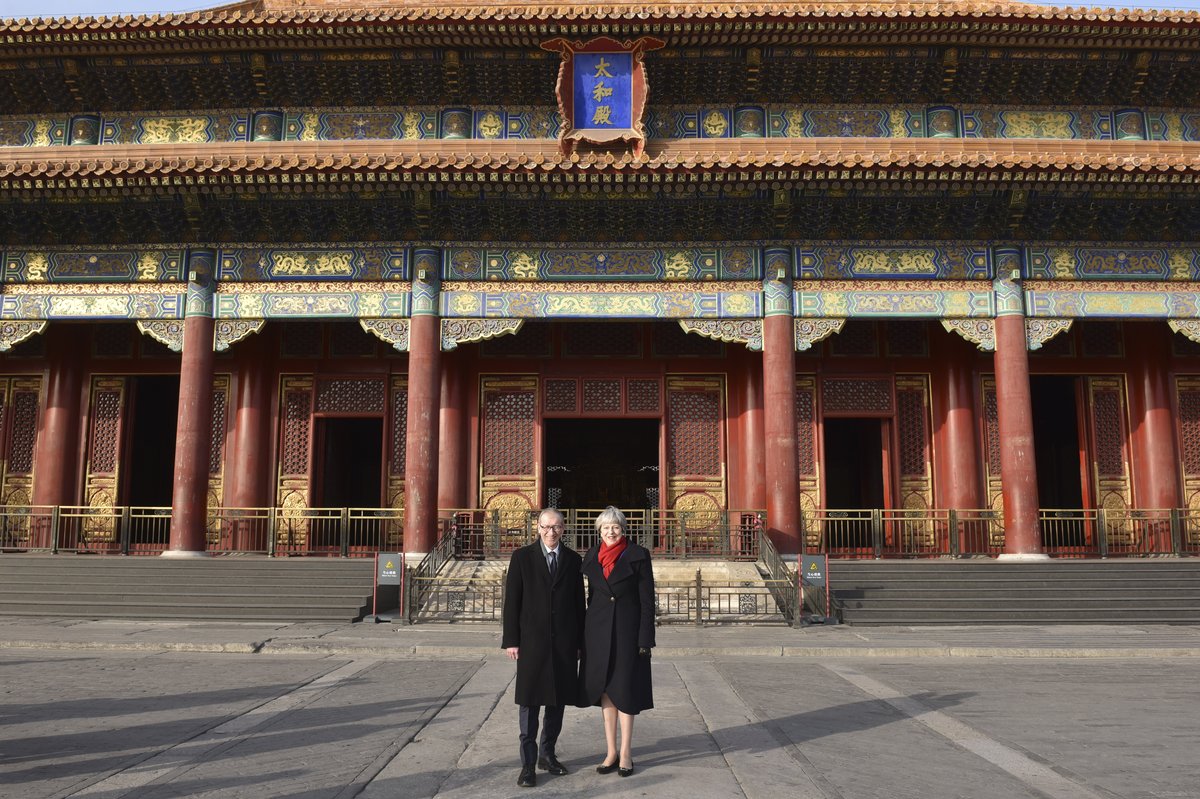
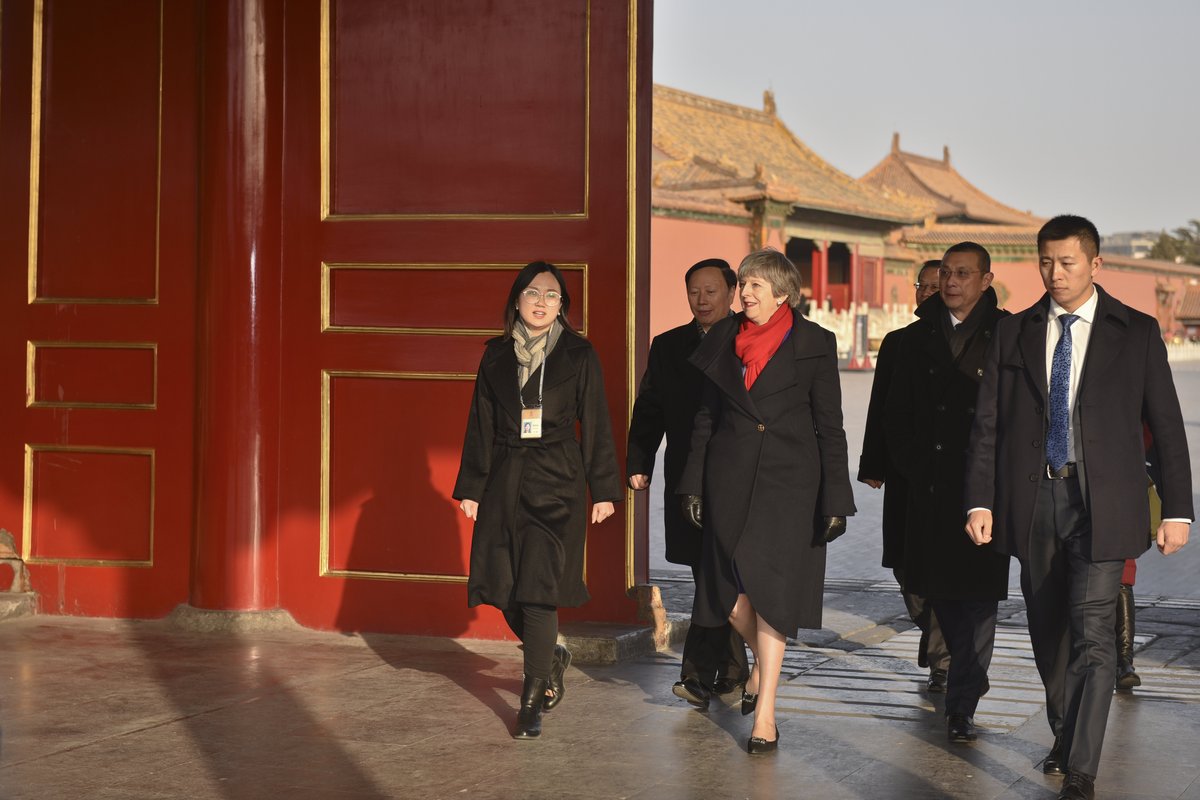
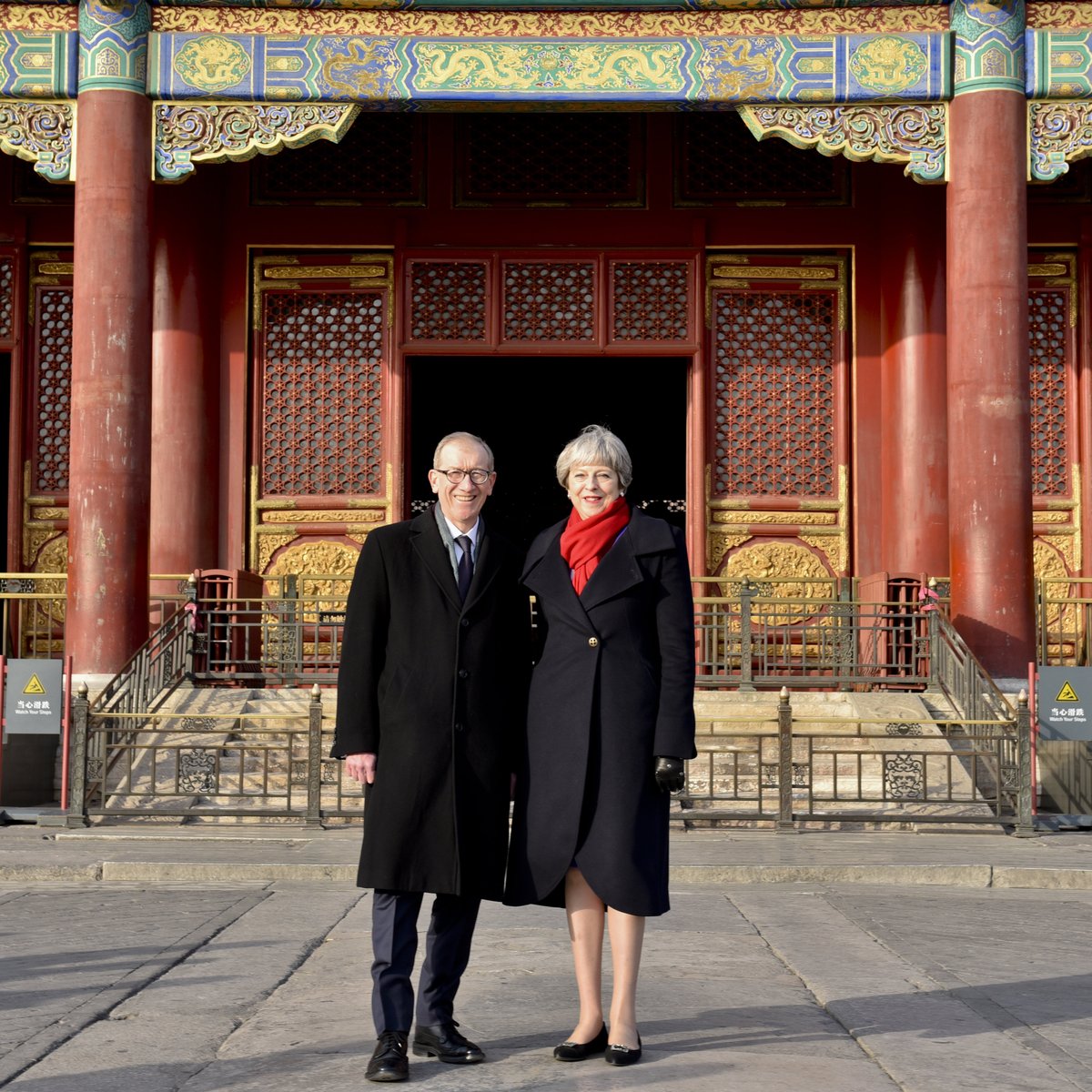
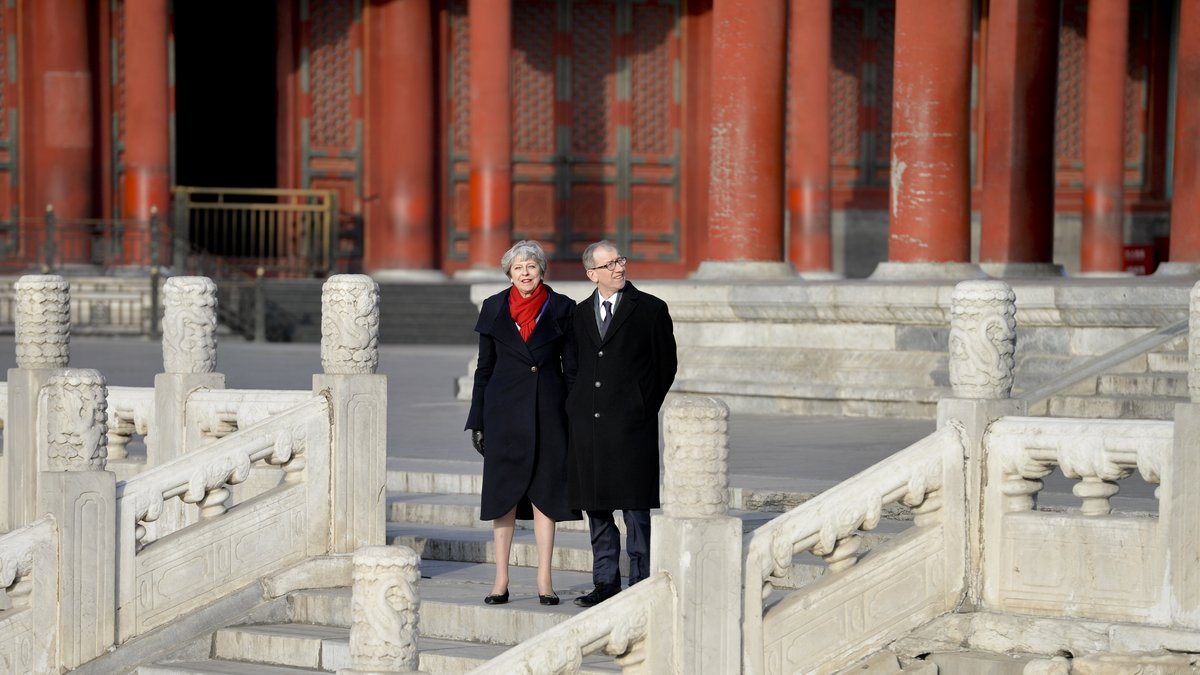
The Palace Museum, also known as the Forbidden City, stands as a monumental testament to China's imperial history and architectural grandeur. Nestled in the heart of Beijing, this UNESCO World Heritage site is the world's largest palace complex, boasting over 9,800 rooms spread across 180 acres (UNESCO World Heritage Centre). Constructed over fourteen years beginning in 1406 by Emperor Yongle of the Ming dynasty, it served as the imperial palace for 24 emperors over nearly 500 years (The Palace Museum; Britannica). The name 'Forbidden City' (紫禁城, Zǐjìnchéng) highlights its historical inaccessibility to commoners, a symbol of the emperor's supreme authority (Travel China Guide). In 1925, it was transformed into the Palace Museum, opening its doors to the public and marking a new era for this iconic site (The Palace Museum). This comprehensive guide offers an in-depth exploration of the Palace Museum's rich history, architectural significance, practical visitor information, and travel tips to enhance your experience.

Historical Facts and Figures
Construction and Early Years
- 1406: Emperor Yongle, the third Ming dynasty ruler, initiated the construction of the Forbidden City (The Palace Museum).
- 1420: After fourteen years of labor involving over a million workers, the Forbidden City was completed (China Highlights).
- 9,800+ rooms: The Forbidden City is the world's largest palace complex, boasting over 9,800 rooms spread across 180 acres (UNESCO World Heritage Centre).
- 24 Emperors: For nearly 500 years, the Forbidden City served as the imperial palace for 24 emperors, from the Ming dynasty to the end of the Qing dynasty (Britannica).
The Forbidden City - Name and Access
- Forbidden to commoners: The name "Forbidden City" (紫禁城, Zǐjìnchéng) reflects its historical inaccessibility. Ordinary citizens were strictly prohibited from entering without special permission (Travel China Guide).
- 1925: The Forbidden City opened to the public as the Palace Museum, marking a significant shift from an exclusive imperial residence to a cultural institution accessible to all (The Palace Museum).
Dynastic Transitions and Transformations
- 1644: The Manchu-led Qing dynasty conquered China, and the Forbidden City continued as the seat of imperial power (Asia Society).
- Architectural additions: Qing emperors, particularly Kangxi and Qianlong, undertook significant renovations and expansions, adding their own architectural styles and influences to the Forbidden City (Khan Academy).
The End of an Era and Modern Significance
- 1912: The last emperor, Puyi, abdicated the throne, marking the end of the Qing dynasty and the imperial era in China (History.com).
- 1914: Puyi was allowed to remain in the Inner Court, while the Outer Court became the Palace Museum (The Palace Museum).
- 1925: The Palace Museum officially opened to the public, showcasing the grandeur and historical significance of the former imperial palace (UNESCO World Heritage Centre).
Visitor Information
Visiting Hours and Tickets
- Visiting Hours: The Forbidden City is open from 8:30 AM to 5:00 PM (April to October) and 8:30 AM to 4:30 PM (November to March). It is closed on Mondays, except during public holidays (The Palace Museum).
- Tickets: Tickets can be purchased online or at the entrance. Prices range from 40 to 60 RMB, depending on the season. It is recommended to book tickets in advance to avoid long queues (Travel China Guide).
Travel Tips
- Early Arrival: Arrive early to avoid the crowds and have a more enjoyable experience exploring the palace complex.
- Guided Tours: Consider joining a guided tour to gain deeper insights into the history and architecture of the Forbidden City.
- Comfortable Footwear: Wear comfortable shoes as you will be walking extensively.
- Photography: Photography is allowed, but the use of tripods and flash is prohibited inside the palace buildings.
Nearby Attractions
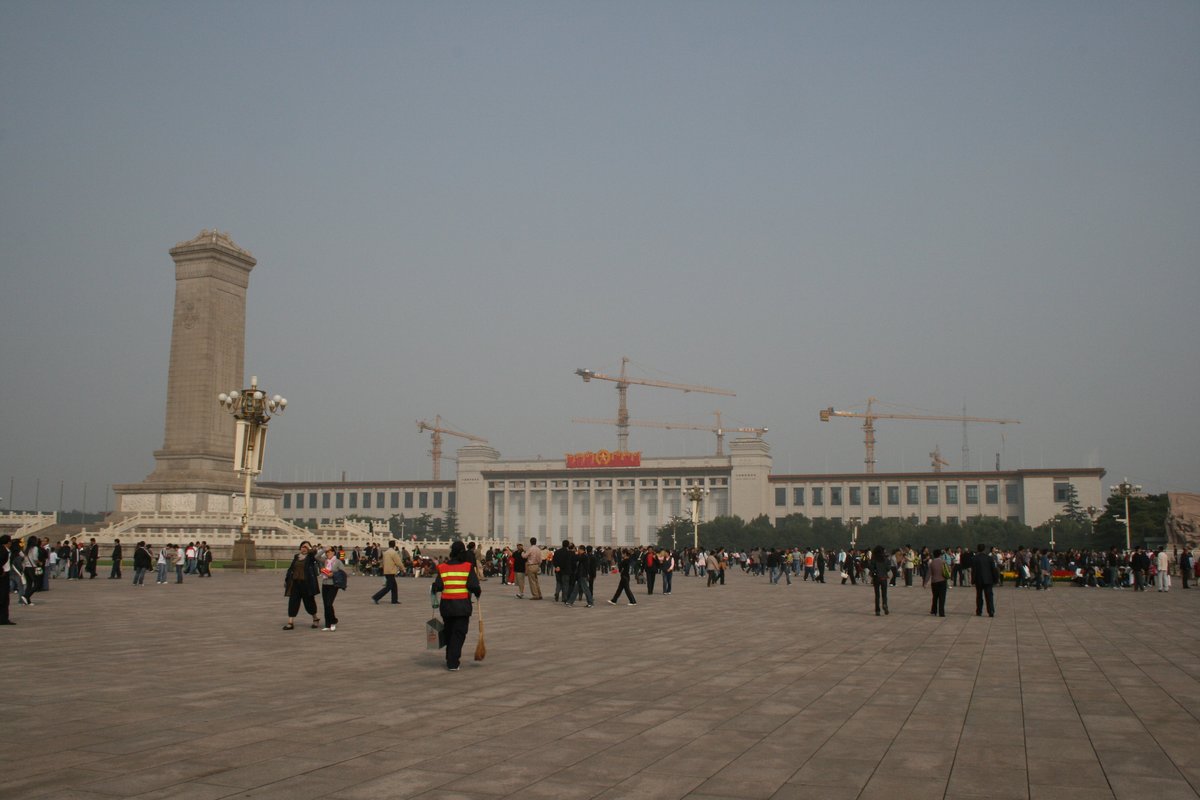
- Tiananmen Square: Located just south of the Forbidden City, this historic square is a must-visit for its political and cultural significance.
- Jingshan Park: Offering panoramic views of the Forbidden City, this park is an ideal spot for photography and relaxation.
Accessibility
- The Forbidden City has made efforts to improve accessibility for visitors with disabilities, including the installation of ramps and elevators.
Special Events and Guided Tours
- The Palace Museum occasionally hosts special exhibitions and cultural events. Check the official website for the latest updates and event schedules.
- Guided tours are available in multiple languages, providing a comprehensive understanding of the site's history and significance.
Photographic Spots
- Meridian Gate: The main entrance to the Forbidden City offers a majestic view and is perfect for photographs.
- Hall of Supreme Harmony: The largest hall within the complex, it is an iconic spot for capturing the grandeur of the Forbidden City.
FAQ
- What are the Forbidden City visiting hours? The Forbidden City is open from 8:30 AM to 5:00 PM (April to October) and 8:30 AM to 4:30 PM (November to March). It is closed on Mondays, except during public holidays.
- How much are Forbidden City tickets? Ticket prices range from 40 to 60 RMB, depending on the season. It is recommended to book tickets in advance.
- Are guided tours available? Yes, guided tours are available in multiple languages and provide valuable insights into the history and architecture of the Forbidden City.
Tickets & tours.
These are guided options from our partners — same price as booking direct.
Prices are indicative — final pricing and availability are confirmed at checkout. Audiala may earn a commission from bookings made through these links.
Listen to the full story in the app
The whole The Palace Museum,
told well.
Listen to sourced travel stories with local history and practical context — ready offline.
Verified, and shown.
Researched and written by the Audiala editorial team from historical records, architectural archives, and local expertise.
Built from cited sources · see the method · How we make our guides →