Plan and listen to Sujiatuo with Audiala.
Audio guide in your pocket, itinerary in your browser. Built for the way you actually visit.
Introduction
Sujiatuo, located in the northwestern corner of Beijing’s Haidian District, is a destination where centuries-old cultural heritage coexists with pioneering technological development. Originally a rural village dating back to the Yuan dynasty, Sujiatuo (“Su Family’s Mound”) has evolved into a vibrant township that preserves its northern Chinese roots while embracing its role as a burgeoning innovation hub. Here, visitors can explore ancient religious sites such as Dajue Temple, hike the scenic Western Hills, and visit nearby imperial gardens like the Summer Palace and Yuanmingyuan. Today, Sujiatuo is also home to the West Mountain Innovation Valley, a symbol of “Oriental Futurism” where traditional Chinese aesthetics meet modern ecological and technological advancements.
This comprehensive guide provides detailed insights into Sujiatuo’s historical significance, cultural landmarks, visitor information (including opening hours and ticketing), accessibility, and transportation options. Whether you seek serene temple grounds, scenic hiking trails, or a glimpse into China’s technological future, Sujiatuo offers an authentic and multifaceted Beijing experience (Wikipedia; Beijing Walking; World Architecture).
Early Origins and Etymology
Sujiatuo’s history dates back to the Yuan Dynasty (1271–1368), initially known as Sujiakou Village. The name Sujiatuo references a prominent mound north of the original village (Wikipedia). Its location at the base of the Western Hills linked it to imperial gardens and sacred sites throughout history.
Dynastic Development
Liao, Jin, and Yuan Dynasties:
The region flourished as a spiritual and agricultural hinterland during the Liao (907–1125) and Jin (1115–1234) dynasties, with the establishment of Buddhist temples such as Dajue Temple (founded 1068) and the development of imperial gardens (Beijing Walking).
Ming and Qing Dynasties:
During the Ming (1368–1644) and Qing (1644–1912) eras, Sujiatuo became more integrated with Beijing’s political and cultural life. The Western Hills hosted imperial retreats known as the “Three Hills and Five Gardens,” including the Summer Palace and Yuanmingyuan (World Architecture).
Modern Transformation
Following the Qing dynasty’s fall, Sujiatuo remained rural through the Republican era and early PRC. In recent decades, urban expansion and the rise of the West Mountain Innovation Valley have transformed Sujiatuo into a key development zone, integrating traditional landscapes with state-of-the-art innovation (World Architecture).
Cultural and Religious Landmarks
Dajue Temple
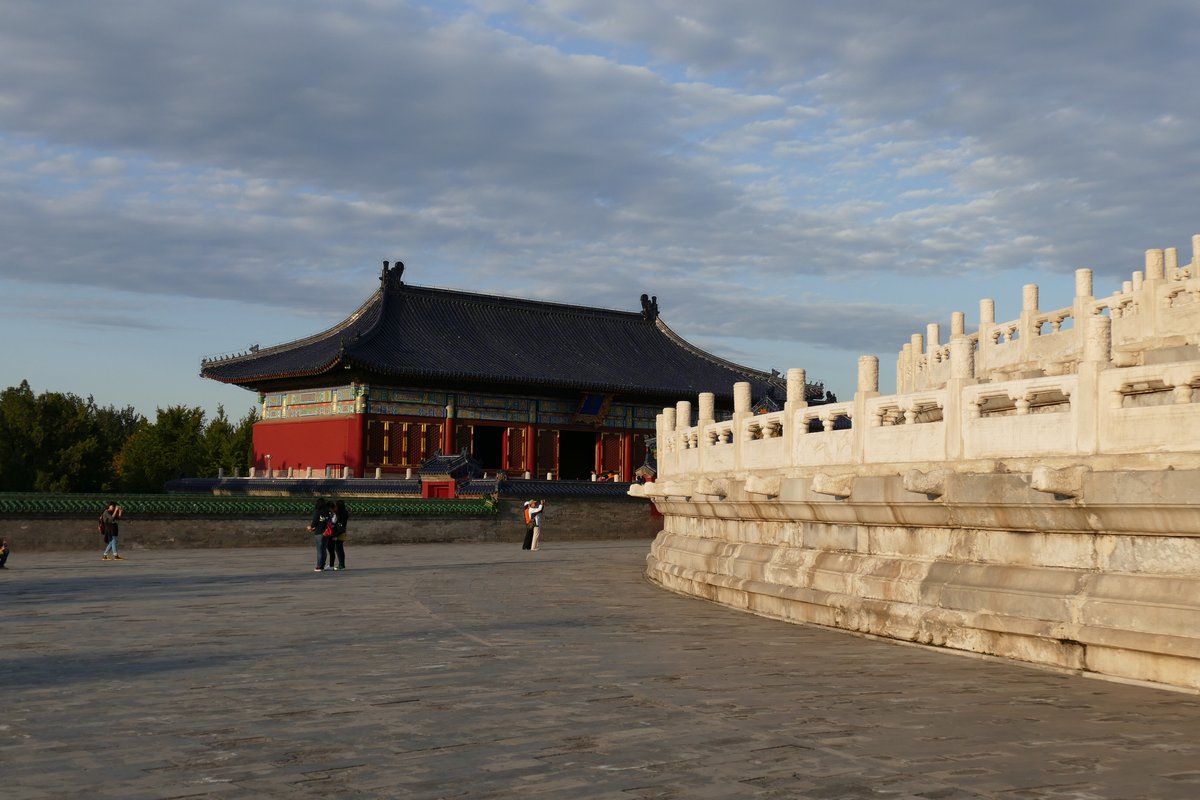
One of Beijing’s best-preserved ancient temples, Dajue Temple has been a center of Chan (Zen) Buddhist practice for over a millennium. The temple’s harmonious integration with the mountain landscape reflects traditional Chinese philosophies of balance. It houses ancient Buddha statues, historic steles, and beautifully preserved architecture (Beijing Walking).
- Hours: 8:00 AM – 5:00 PM daily
- Tickets: Usually free or a nominal fee; check listings for updates
- Accessibility: Paved walkways and ramps available
Linglong Pagoda
Dating back to the Liao or Jin dynasties, this multi-eaved brick pagoda is a striking example of Buddhist architecture.
- Hours: 8:00 AM – 5:00 PM
- Tickets: Free; guided tours bookable on-site
- Access: By car or bus
Miaofengshan (Miaofeng Mountain)
A sacred Taoist mountain west of Sujiatuo, home to ancient temples and the annual Miaofengshan Temple Fair.
- Hours: 7:00 AM – 6:00 PM
- Tickets: ~20 RMB; temple fair free
- Highlights: Folk performances and religious rituals during the temple fair
Modern Innovation and Urban Integration
Sujiatuo’s contemporary identity is shaped by the West Mountain Innovation Valley, a high-tech development zone featuring the North·Yard project. Here, traditional Chinese landscape design merges with cutting-edge architecture, attracting enterprises in AI, new energy, and fintech (World Architecture). The area also offers smart city features, sustainable infrastructure, and green public spaces.
Visitor Information
Hours & Tickets
| Site | Visiting Hours | Ticket Price |
|---|---|---|
| Dajue Temple | 8:00 AM – 5:00 PM | Free/nominal fee |
| Linglong Pagoda | 8:00 AM – 5:00 PM | Free |
| Miaofengshan | 7:00 AM – 6:00 PM | ~20 RMB |
| Xishan Forest Park | 6:00 AM – 7:00 PM | ~30 RMB |
| Ancient Courtyard | 9:00 AM – 5:00 PM | 20 RMB |
| Summer Palace | 6:30 AM – 6:00 PM* | 60 RMB (grounds) |
| Old Summer Palace | 7:00 AM – 7:00 PM | 10 RMB |
| Great Wall (Nearby) | 7:30 AM – 6:00 PM | ~40 RMB |
*April–October; check for seasonal changes.
Accessibility
Most temples and parks feature ramps and paved walkways, though some older courtyards may have limited access. Barrier-free facilities are standard in modern venues.
Getting There
- Subway: Beijing Metro Line 16 to Sujiatuo Station
- Bus: Several lines connect Sujiatuo with central Beijing
- Taxi/Ride-Hailing: DiDi and taxis widely available
- Parking: Ample space at major sites
Travel Tips
- Best times: Spring (April–May) and autumn (September–October)
- Advance booking: Recommended for major attractions and guided tours
- Language: Translation apps helpful; English is limited
- Payment: Yikatong card for public transit; WeChat/Alipay widely accepted
Guided Tours
Guided tours are available for Dajue Temple, Linglong Pagoda, and innovation park highlights. Book in advance, especially during festival seasons.
Local Experiences
Festivals & Community Life
- Spring Festival: Dragon dances, lanterns, temple fairs
- Mid-Autumn Festival: Lantern displays, mooncakes
- Miaofengshan Temple Fair: Folk performances, religious rituals
Morning tai chi sessions, vibrant local markets, and artisan workshops producing crafts like paper-cutting and embroidery offer immersive experiences.
Cuisine
Try traditional dishes such as zhajiangmian (noodles with soybean paste), dumplings, fried dough rings, and tanghulu (candied haws). Family-run eateries and local markets provide authentic northern Chinese flavors.
Practical Tips & FAQs
Q: What are the main visiting hours for Sujiatuo attractions?
A: Most historical sites are open from 8:00 AM to 6:00 PM, with some variation.
Q: Are tickets required?
A: Major sites like Miaofengshan, the Summer Palace, and the Great Wall require tickets; many temples are free.
Q: How do I get there from downtown Beijing?
A: Take Metro Line 16 or use buses; taxis and rideshare options are also convenient.
Q: Is Sujiatuo accessible for those with mobility challenges?
A: Most modern sites are accessible; some older courtyards may have restrictions.
Q: Are guided tours offered?
A: Yes, especially for main landmarks and on weekends; booking ahead is recommended.
Q: When is the best time to visit?
A: Spring and autumn offer pleasant weather and seasonal festivals.
Listen to the full story in the app
The whole Sujiatuo,
told well.
Listen to sourced travel stories with local history and practical context — ready offline.

Verified, and shown.
Researched and written by the Audiala editorial team from historical records, architectural archives, and local expertise.
Built from cited sources · see the method · How we make our guides →