
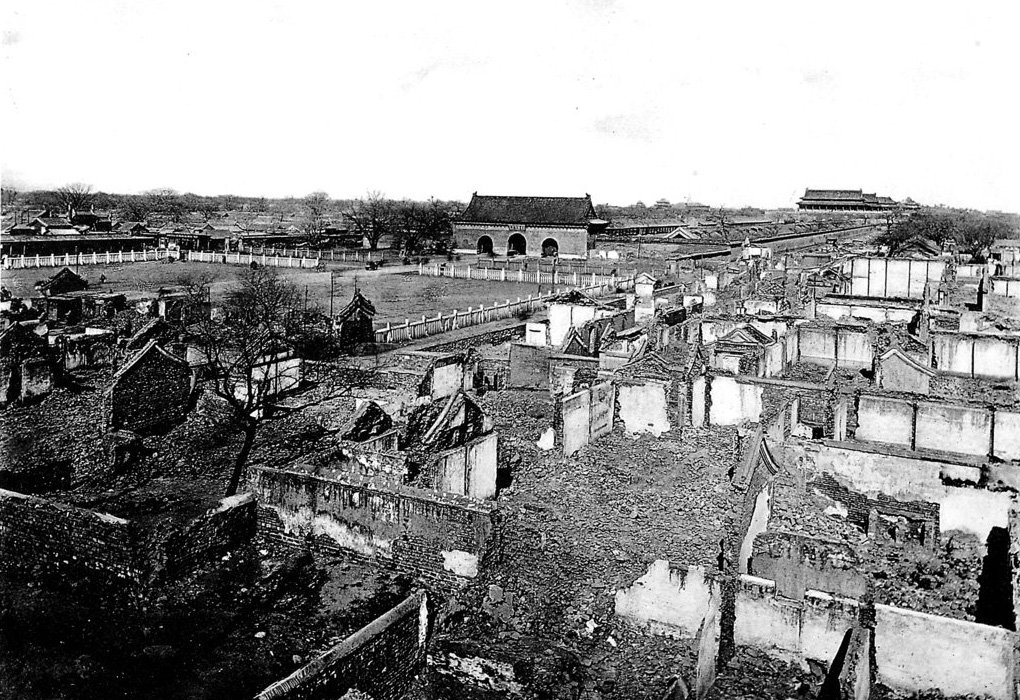
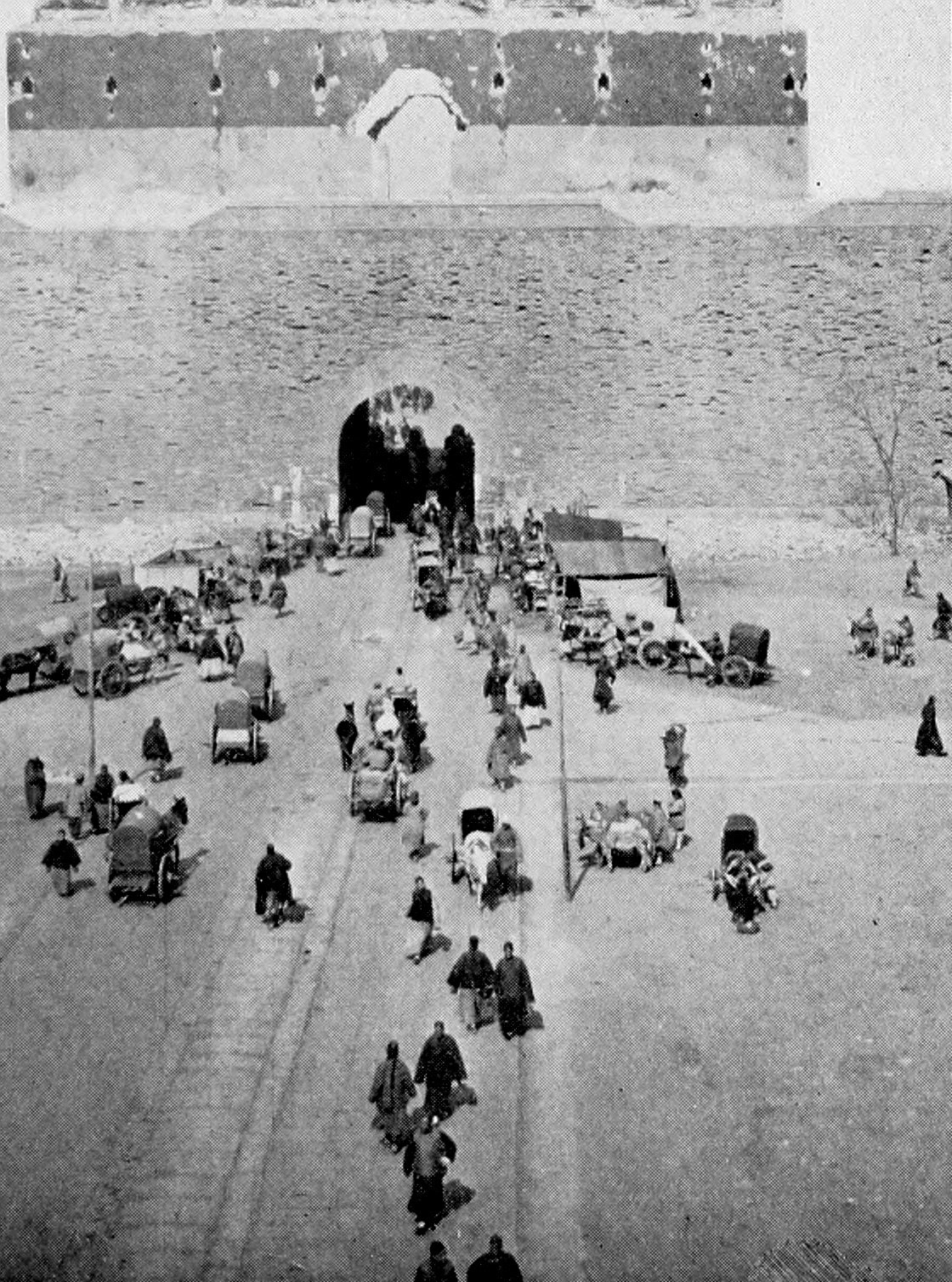
Origins and Early Development
Qianmen Dajie originated during the Ming Dynasty when it was known as Zhengyangmen Street. Its position along Beijing’s central axis made it the city’s ceremonial and commercial artery, crucial for imperial processions and bustling trade. The government fostered settlement and business in this area, attracting merchants and fostering economic prosperity (Atlantis Press).
Commercial Flourishing and Cultural Significance
By the Qing Dynasty, Qianmen Dajie was established as a vibrant commercial and cultural center, home to many “laozihao” (time-honored brands):
- Quanjude Roast Duck Restaurant (全聚德), established in 1864, the birthplace of Beijing’s signature roast duck.
- Tongrentang Pharmacy (同仁堂), founded in 1669, a pillar of traditional Chinese medicine.
- Guangde Lou Opera House (广德楼), built in 1796, reflecting the street’s performing arts heritage (Beijing Times).
The street’s guildhalls, teahouses, and theaters fostered a lively urban culture, making Qianmen a microcosm of Beijing’s social and commercial life.
Transformation in the Modern Era
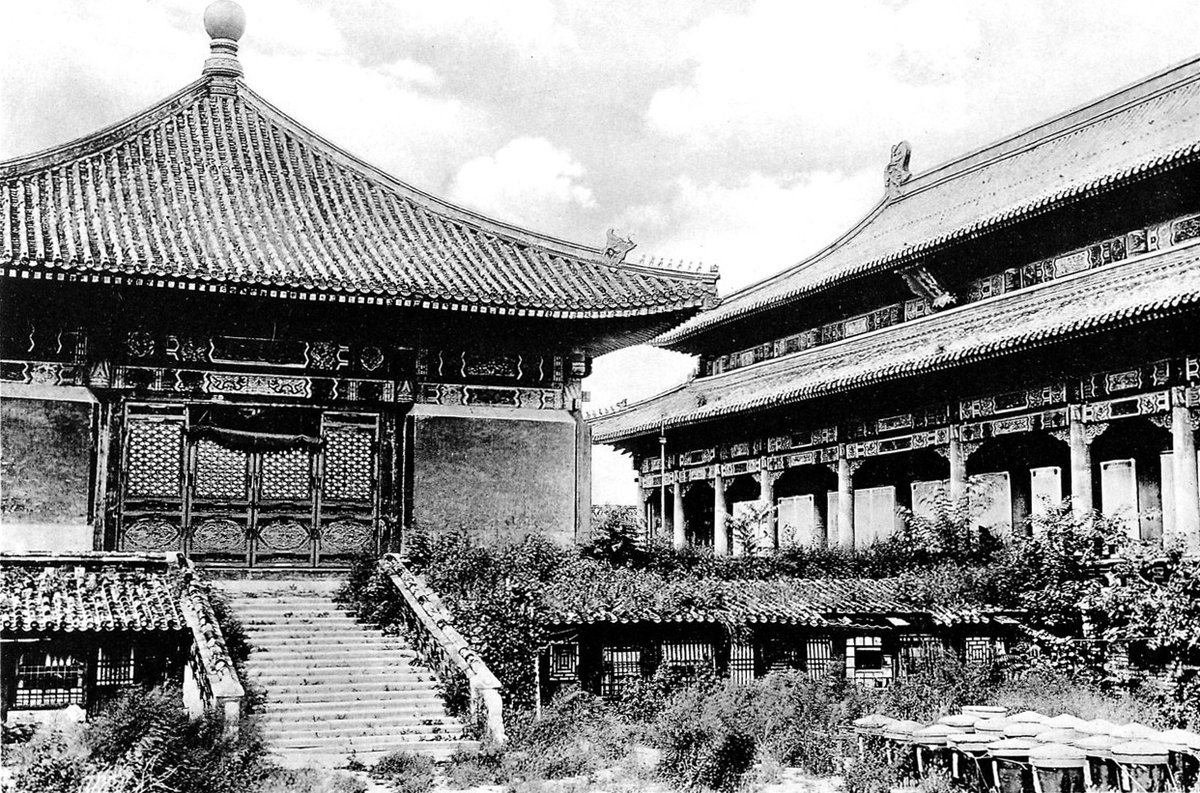
The early 20th century brought modernization with the introduction of the “Dangdang” tram, a symbol of urban progress. However, the mid-20th century saw periods of decline, with trolley services ending in 1966 and many historic buildings falling into disrepair. Despite these challenges, Qianmen retained its symbolic importance thanks to its proximity to the Forbidden City and Tiananmen Square (Tour Beijing).
Restoration and Revitalization
A major restoration before the 2008 Olympics revitalized Qianmen Dajie, preserving its historic architecture while introducing modern amenities. The street was pedestrianized, aging buildings were restored to their late Qing Dynasty style, and the vintage Dangdang Tram was reintroduced. International brands now coexist with century-old local shops, reflecting Beijing’s dynamic evolution (China Daily).
Visiting Qianmen Dajie: Practical Information
Visiting Hours
- Qianmen Dajie Open daily, generally from 9:00 AM to 9:00 PM. Shops, restaurants, and attractions may have individual schedules, with some open as late as 10:00 PM.
- Qianmen Gate (Zhengyangmen) Open from 8:30 AM to 5:00 PM.
Tickets and Entry
- Qianmen Dajie Free to enter and stroll.
- Attractions (e.g., Qianmen Gate Tower) Ticketed, usually around 30–40 RMB per adult, with discounts for students and seniors. Tickets can be purchased onsite or online via authorized sources.
Accessibility
- The street is pedestrianized, with wide, smooth pavements and ramps for wheelchair access.
- Public restrooms, benches, and information kiosks are available.
- The Dangdang Tram is wheelchair-accessible.
Getting There
- Subway Qianmen Station (Line 2 and Line 8) is the nearest stop; Zhushikou Station (Line 7) offers additional access.
- Bus Multiple routes serve the area.
- Taxi Readily available and convenient.
Guided Tours and Events
- Guided walking tours and audio tours are available and recommended for deeper historical context.
- Special events and festivals, such as Chinese New Year and Lantern Festival, feature traditional performances and vibrant decorations (Chinatripedia).
Nearby Attractions
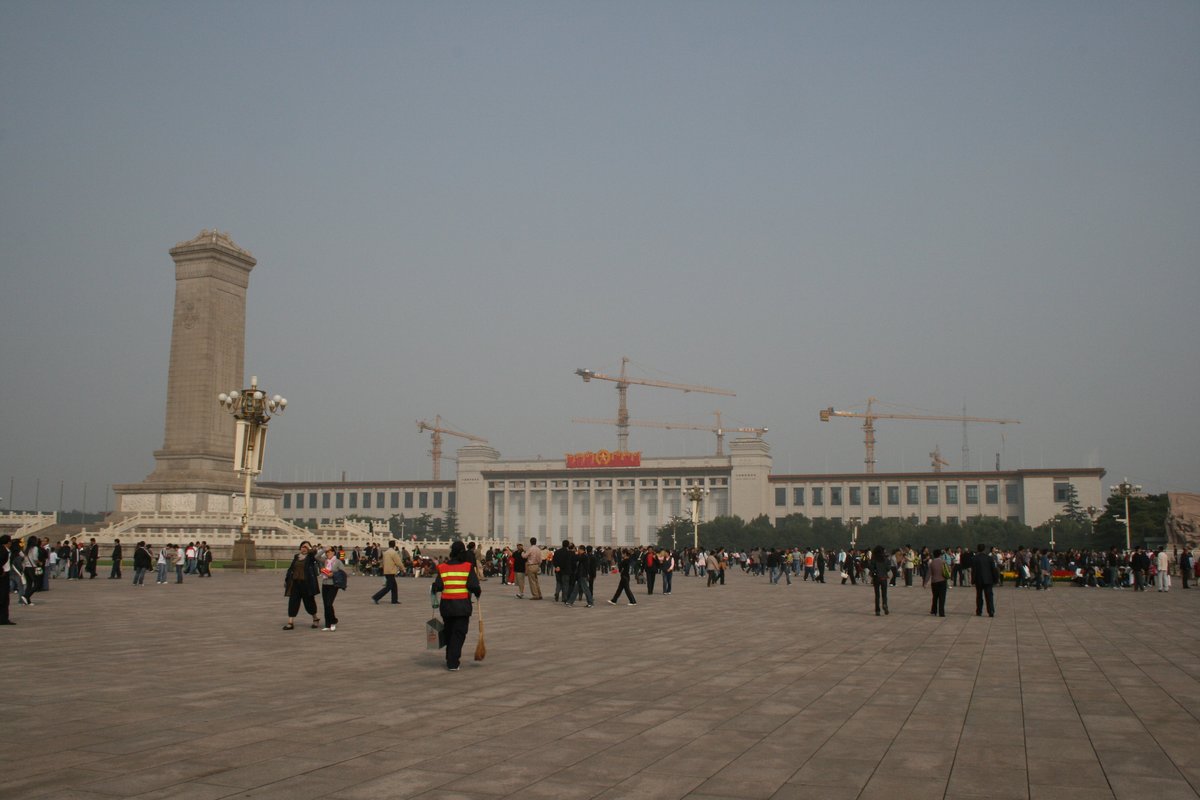
- Tiananmen Square North of Qianmen Dajie.
- Forbidden City (Palace Museum) Within walking distance.
- Temple of Heaven South, accessible by subway or bus.
- Dashilan (Dazhalan) A historic commercial street west of Qianmen Dajie, famous for traditional shops.
- Liulichang Culture Street Known for antiques and calligraphy.
- Moon Bay Park A tranquil green space near the northern end.
Photographic Highlights
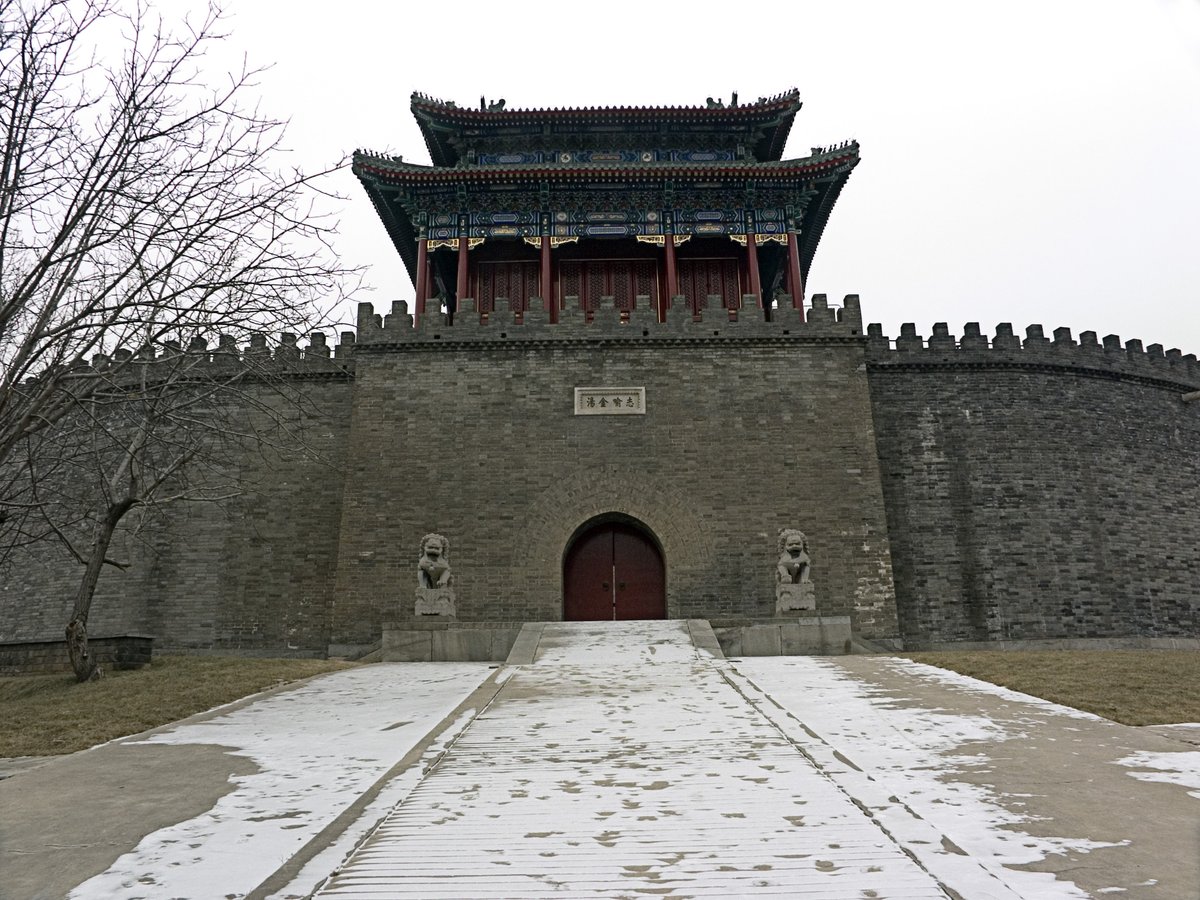
- The ornate Qianmen Gate at the southern end.
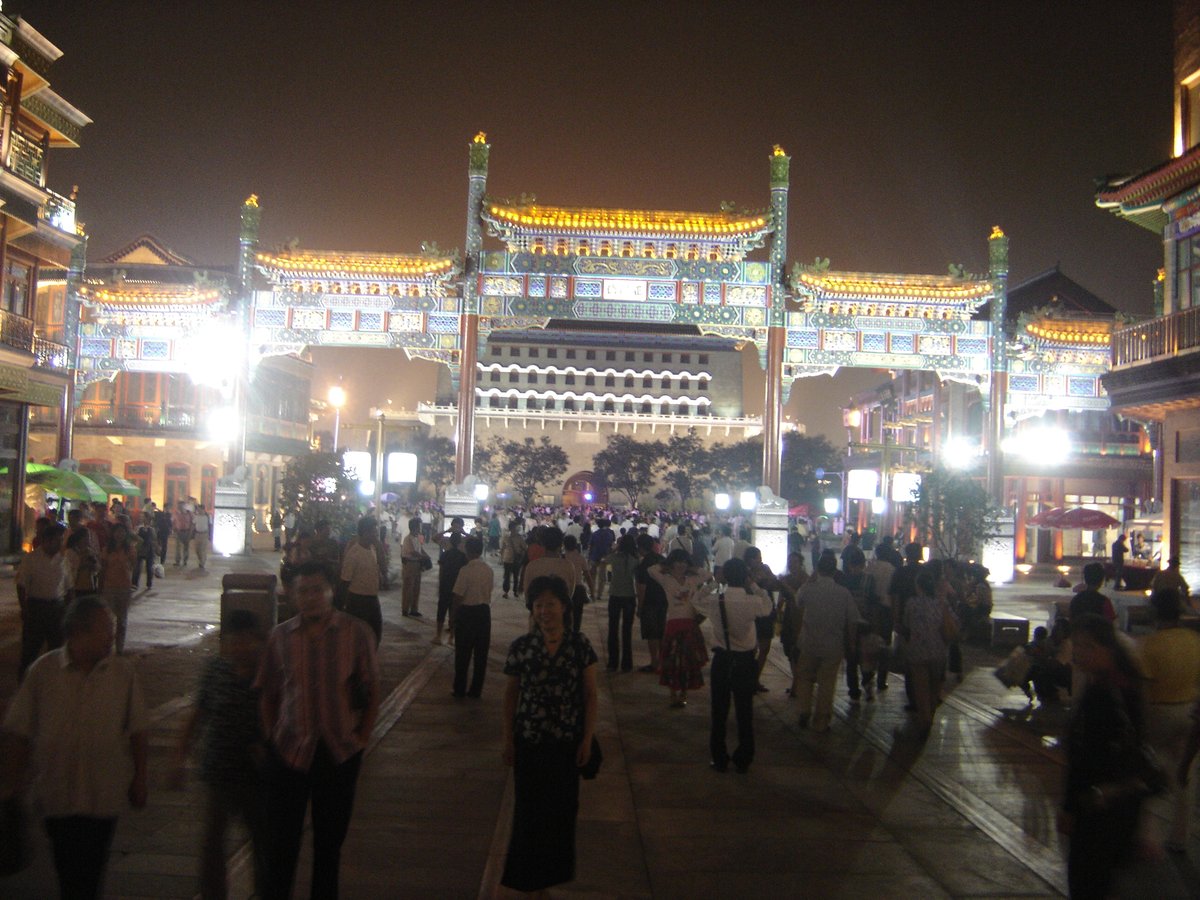
- Restored Qing Dynasty shop facades and archways (paifang).
- The vintage Dangdang Tram.
- Lively street scenes, food markets, and festival decorations.
Architectural Features and Urban Layout
Traditional Chinese Elements
Qianmen Dajie features restored late Qing Dynasty architecture: grey brick facades, tiled roofs, upturned eaves, and decorative wooden latticework. Paifang archways mark entrances and major intersections, adorned with calligraphy and auspicious motifs (China Highlights).
Western Influences
Some buildings reflect neoclassical and Art Deco styles, especially from the late Qing and Republican periods. These include arched windows and ornate cornices, testifying to the area’s openness to foreign trade and ideas (The Beijinger).
Modern Restoration
The 2008 restoration blended historic preservation with modern needs, integrating utilities, climate control, and accessibility features while maintaining traditional aesthetics (China Daily).
Landmark Structures
- Zhengyangmen (Qianmen Gate) An imposing Ming Dynasty gatehouse and archery tower.
- Guanghe Theater A historic opera house.
- Time-Honored Shops Quanjude, Tongrentang, Ruifuxiang, and others, each with distinctive architectural details (Travel China Guide).
Spatial Organization
- About 845 meters long and 21 meters wide.
- Divided into zones: northern (modern brands), central (traditional shops and eateries), and southern (historic landmarks and museums).
- Side alleys and hutongs, like Dashilan and Xianyukou Food Street, add to the street’s charm and offer authentic Beijing snacks (Time Out Beijing).
Culture, Food, and Shopping
Time-Honored Brands
Qianmen Dajie is home to several lauded “laozihao”:
- Quanjude Roast Duck The birthplace of Beijing’s signature dish (RuQin Travel).
- Tongrentang Pharmacy A symbol of Chinese medical heritage.
- Ruifuxiang Silk Store and Neiliansheng Shoe Store: Renowned for traditional craftsmanship.
Culinary Experiences
- Xianyukou Food Street Offers Beijing street foods like fried liver, zha jiang mian, and tanghulu.
- Wuyutai Tea Shop Premium teas and innovative desserts.
- Du Yi Chu Famous for shaomai (steamed dumplings).
Shopping and Local Products
- Authentic souvenirs, silk garments, handmade shoes, and traditional snacks abound.
- International brands, designer boutiques, and creative stores are also present, especially in the Beijing Fun complex.
Social Spaces and Performances
- Teahouses, such as those depicted in Lao She’s “Teahouse,” remain vibrant social hubs (The China Project).
- Street performances, opera excerpts, and seasonal festivals enrich the visitor experience.
Frequently Asked Questions (FAQ)
Q: What are Qianmen Dajie’s opening hours?
A: Generally 9:00 AM to 9:00 PM, but shops and attractions have individual hours.
Q: Is there an entrance fee?
A: The street is free to enter; some attractions and museums require tickets.
Q: How can I get to Qianmen Dajie?
A: By subway (Qianmen Station, Lines 2 and 8; Zhushikou Station, Line 7), bus, or taxi.
Q: Is the area accessible for wheelchairs?
A: Yes, with ramps, smooth pavements, and accessible trams.
Q: Are guided tours available?
A: Yes, both walking and app-based audio tours are available.
Q: What is the best time to visit?
A: Early mornings, weekdays, and spring/autumn for pleasant weather and fewer crowds.