Historical Background and Institutional Significance
Establishment and Early Years
Founded in March 1958 in Beijing, the PLA Academy of Military Science was created to address the need for a centralized institution dedicated to military theory, strategy, and doctrine. Drawing on the lessons of the Chinese Civil War and the Korean War, the AMS blended traditional Chinese military thought with contemporary global military science (Military School Directory).
Evolution and Expansion
Over the decades, the AMS has continually evolved to meet the needs of a changing security environment. By 2002, it had become the PLA’s largest research body, employing over 500 researchers (Wikipedia). Major reforms under Xi Jinping further modernized the Academy, especially in areas such as cyber, space, and information warfare, and integrated cutting-edge technologies into PLA doctrine (Jamestown Foundation).
Core Functions and Structure
Operating under the Central Military Commission, the AMS is tasked with national defense research, doctrinal development, and the training of military leaders (Military History Wiki). It has played a defining role in formulating doctrines like “people’s war under modern conditions” and “active defense,” supporting the PLA’s modernization and joint operations strategy.
Currently, General Yang Xuejun serves as President, supported by a structure of specialized departments in areas such as military strategy, technology, and international security (Wikipedia).
Visitor Information: Access, Hours, and Security
Public Access and Visiting Hours
The PLA Academy of Military Science is a classified military facility. It is not open to public visitation, and there are no tickets or guided tours available. Access is limited to authorized personnel, select official delegations, and participants in certain high-level academic or diplomatic exchanges (Modern Diplomacy).
Security Protocols
The AMS compound is under strict security, with perimeter fencing, armed guards, and advanced surveillance. Unauthorized entry or photography is strictly forbidden and may result in penalties. All visitors must adhere to posted signs and security instructions.
Official Delegations and Special Visits
Only rare, pre-approved visits by official delegations or scholars are permitted, subject to rigorous vetting and oversight. Such opportunities are not available to general tourists.
Alternative Military Museums and Historical Sites in Beijing
For those interested in military history, Beijing offers several accessible alternatives:
- Military Museum of the Chinese People’s Revolution Near Beijing Zoo, this museum features comprehensive displays of weapons, uniforms, and equipment, and is open Tuesday through Sunday, 9:00 AM to 5:00 PM. Admission is free but requires ID registration (Military Museum Official Site).
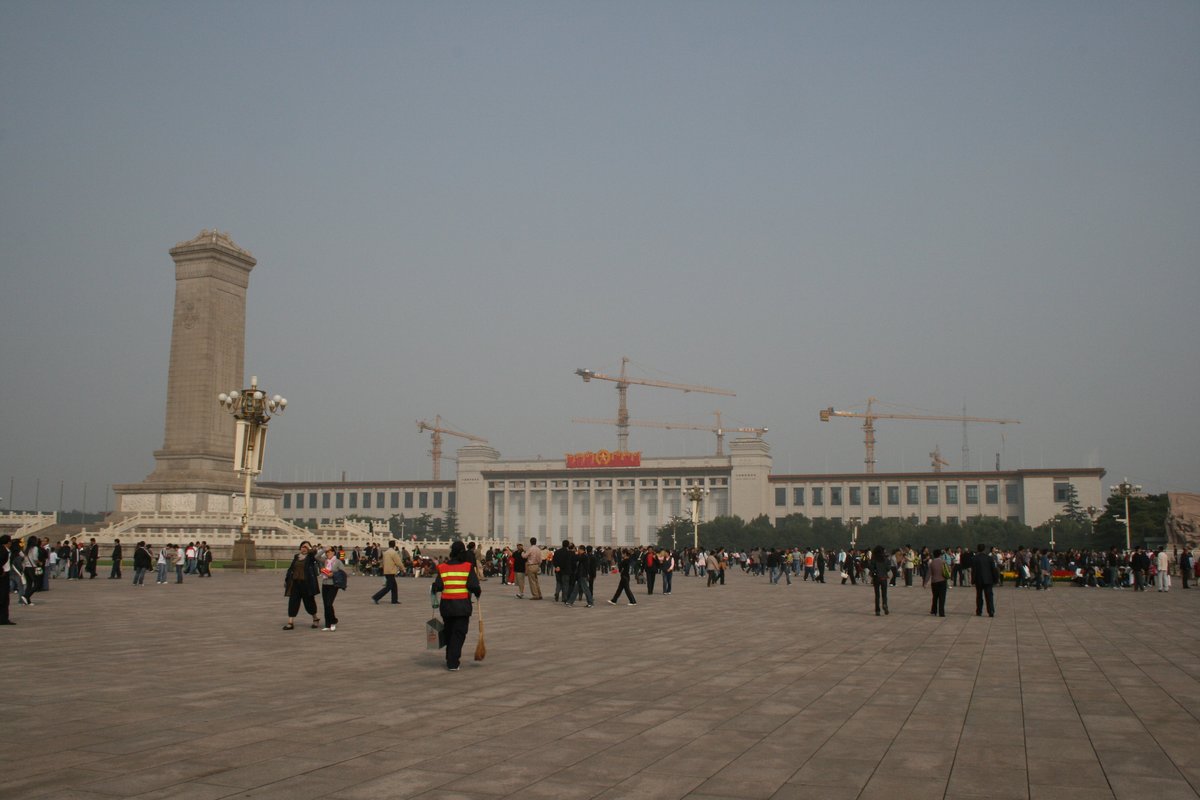
- National Museum of China On Tiananmen Square, this museum includes extensive military exhibits.
- Forbidden City & Tiananmen Square These landmarks provide historical and political context for understanding modern China’s military evolution.
- Summer Palace A UNESCO World Heritage Site known for its architecture and gardens (China Discovery).
- Top Universities Tsinghua University and Peking University campuses in Haidian District offer cultural and academic experiences.
Practical Travel Tips for Visiting Beijing
- Weather in July Expect hot, humid conditions with possible thunderstorms. Pack light clothing, sunscreen, and a raincoat (Ruqin Travel).
- Accommodation Book hotels early, especially in Haidian District during peak seasons (China Discovery).
- Transportation Beijing’s subway and bus systems are efficient; ride-hailing apps are widely used.
- Language English is limited. Use translation apps or hire a local guide.
- Safety and Etiquette Carry your passport, comply with authorities, avoid sensitive topics, and do not attempt to photograph or approach restricted sites (The Helpful Panda).
Frequently Asked Questions (FAQ)
Q1: Can I visit the PLA Academy of Military Science?
A1: No. The AMS is a restricted facility and does not offer public tours or visiting hours.
Q2: Are there tickets or tours available for the AMS?
A2: No. There are no public tickets or tours due to security protocols.
Q3: What are the best military history sites to visit in Beijing?
A3: The Military Museum of the Chinese People’s Revolution and the National Museum of China are top alternatives.
Q4: Is photography allowed near the AMS?
A4: Photography is strictly prohibited and may result in penalties.
Q5: How can I learn more about the AMS’s research?
A5: Explore translated AMS publications and attend public academic conferences on military science.