Peking University International Hospital and Beijing’s Forbidden City
What These Places Are
Peking University International Hospital
Peking University International Hospital (PKUIH), the eighth affiliated hospital of Peking University, is located in Zhongguancun Life Science Park, a biomedical research and technology hub in northern Beijing. With a facility spanning up to 440,000 square meters and an investment of 3.2 billion RMB, it is one of Asia’s largest single medical buildings. Its mission combines patient care, research, and education.
PKUIH is associated with Peking University Health Science Center (PUHSC), which connects the hospital with the university’s expertise and resources (Peking University International Hospital - Wikipedia; PUHSC - Wikipedia).
The Forbidden City
Centrally located in Beijing, the Forbidden City is a UNESCO World Heritage Site and a major cultural landmark. It was home to 24 emperors of the Ming and Qing dynasties. The palace complex is known for its traditional Chinese architecture, history, and extensive art collections.
History and Significance
Peking University International Hospital
PKUIH is a teaching hospital and research hub within Beijing’s healthcare system. It integrates healthcare delivery, teaching, and research, and is among Beijing’s top hospitals for its size, modern infrastructure, international focus, and connection with academic research (TravelChinaGuide - Beijing Hospitals).
The Forbidden City
Built between 1406 and 1420, the Forbidden City was the center of Chinese imperial power for nearly five centuries. Its design reflects principles of harmony and hierarchy. The complex covers 180 acres and contains 980 buildings, along with artifacts, paintings, and relics that reveal the legacy of China’s dynasties.
What to See and Services
PKUIH’s Medical Services and Facilities
PKUIH comprises 36 medical centers and 49 clinical disciplines. Its specialties include cardiovascular medicine, oncology, ophthalmology, women and children’s health, neuroscience, urology, and renal disease. It uses advanced diagnostic and therapeutic technologies and has 1,800 approved beds, modern operating rooms, and intensive care units. Its design emphasizes patient comfort and operational efficiency (PKU OIR Medical Service).
The hospital’s International Medical Center provides English-language consultations and translation services. PKUIH also offers multilingual support, culturally sensitive care, and streamlined appointments for international patients and medical tourists. It accepts a broad range of insurance policies, including Beijing social medical insurance, commercial insurance, and foreign insurance (Peking University International Hospital - Wikipedia; PKU OIR Medical Service).
PKUIH states its commitment to compassionate, personalized care and strict ethical and quality standards. It follows quality-assurance protocols and national and international medical standards (PKUIH Vision & Mission; PKUIH Quality).
As an academic hospital, PKUIH collaborates with Peking University faculties on medical research, innovation, and education. It hosts conferences and training programs. The hospital also supports public health initiatives and health education, and collaborates with government agencies on community health and emergency response (PUHSC - Wikipedia; PKUIH Vision & Mission).
Forbidden City Highlights
- Meridian Gate The southern main entrance.
- Hall of Supreme Harmony The venue for imperial ceremonies.
- Palace of Heavenly Purity Former residence of the emperor.
- Imperial Garden Traditional gardens at the northern end of the complex.
Seasonal exhibitions and cultural events take place throughout the year. Check the official website for updates.
Practical Visiting Information
Peking University International Hospital
- Visiting hours Standard hours are weekdays from 8:00 AM to 5:00 PM. Weekend hours may vary; consult the official website for updates. The hospital welcomes patients and visitors daily.
- Appointments Book online, by phone, via WeChat or Alipay, or at onsite self-service machines (PKU OIR Medical Service).
- Public tours Public tours are limited; visits can be arranged through hospital administration.
- Subway The hospital is near Zhongguancun Station on Line 4. The station is also described as the closest stop, followed by a short taxi or bus ride.
- Bus Several lines serve the Zhongguancun Life Science Park area.
- Taxi or car Onsite parking is available for patients and visitors.
- Accessibility and amenities Facilities include ramps, elevators, staff trained to assist people with disabilities, comfortable waiting areas, dining options, and multilingual support.
For current visiting hours, appointments, and international patient services, consult the official PKUIH website and the Peking University Office of International Relations Medical Service page. Virtual tours and facility maps are available on the official PKUIH website.
Forbidden City
- Opening hours Tuesday to Sunday, 8:30 AM–5:00 PM; last entry is at 4:10 PM. Closed Mondays, except national holidays.
- Tickets Peak season (April–October): 60 RMB. Off-peak season (November–March): 40 RMB.
- Free admission Available for children under 1.2 meters, seniors over 70, and select groups.
- Booking Tickets should be purchased online in advance, and visitors should bring valid ID (Official Forbidden City Website). Same-day tickets may be available, but advance online booking is highly recommended, especially during peak seasons.
- Guides Multilingual audio guides and guided tours are available at the entrance and online. English-language tours and audio guides are available.
- Getting there Take Subway Line 1 to Tiananmen East or Tiananmen West. Multiple bus lines serve the north and south gates.
- Accessibility Ramps and elevators are available at main points; special assistance can be requested.
- Food and bags Food and drink are prohibited inside the palace grounds. Large bags are subject to security checks. Dining options are available nearby.
Tips
For the Forbidden City, arrive early to avoid crowds, especially during holidays, and wear comfortable shoes because the complex is vast. Photography is allowed in most outdoor areas; flash and tripods are not allowed inside. Spring and autumn offer pleasant weather and fewer crowds.
Nearby Places
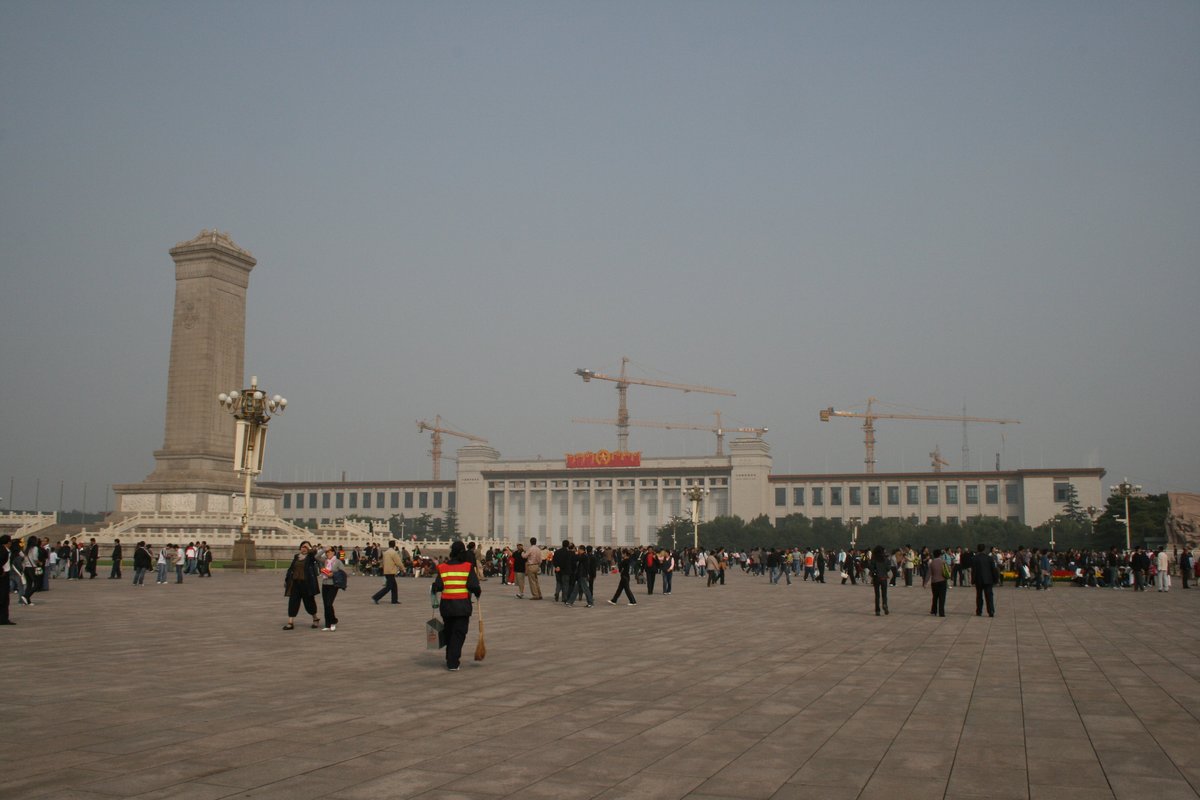
- Around the Forbidden City Tiananmen Square is immediately south of the palace; Jingshan Park is to the north and offers panoramic views; Wangfujing Street, with shopping and local cuisine, is within easy reach.
- Around PKUIH Beijing Olympic Park and the 798 Art District are nearby attractions.
Frequently Asked Questions
Q: What are the visiting hours at PKUIH?
A: Standard visiting hours are weekdays from 8:00 AM to 5:00 PM. Confirm weekend hours on the official website.
Q: How can I book an appointment at PKUIH?
A: Appointments are available online, by phone, via WeChat or Alipay, or onsite.
Q: Is parking available at PKUIH?
A: Yes, onsite parking is provided for visitors and patients.
Q: Are there services for international patients at PKUIH?
A: The International Medical Center provides English-language services and translation.
Q: Is PKUIH accessible for visitors with disabilities?
A: Facilities include ramps, elevators, and trained staff to assist.
Q: Can I buy Forbidden City tickets on the day of my visit?
A: Yes, but advance online booking is highly recommended, especially during peak seasons.
Q: Is the Forbidden City suitable for children?
A: Yes, but supervision is advised because of the size of the complex.
Q: Are guided tours available in English?
A: Yes, both guided tours and audio guides are available in English.
Q: Can I bring food or large bags into the Forbidden City?
A: Food is not allowed inside; large bags are subject to security checks.
Q: What is the best time of year to visit the Forbidden City?
A: Spring and autumn offer pleasant weather and fewer crowds.