Plan and listen to Palace Of Heavenly Purity with Audiala.
Audio guide in your pocket, itinerary in your browser. Built for the way you actually visit.
Introduction
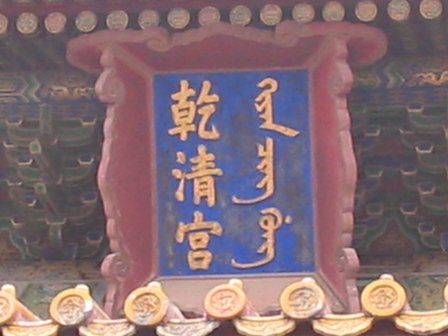
The Palace of Heavenly Purity (乾清宫, Qiánqīng Gōng), located at the heart of Beijing’s Forbidden City, stands as a premier testament to China’s imperial past. Constructed in the early 15th century under the Yongle Emperor, it was the principal imperial residence and the symbolic seat of power during the Ming and Qing dynasties. Today, as an integral part of the Palace Museum, it draws millions of visitors eager to experience its architectural splendor, cultural richness, and historical significance (asianstudies.org; discoverbeijingtour.com; en.dpm.org.cn).
This comprehensive guide provides not only a deep dive into the palace’s history, architecture, and cultural importance but also practical information on visiting hours, ticketing, accessibility, travel tips, and nearby attractions. Whether you are a history buff, architecture enthusiast, or a curious traveler, this article will help you make the most of your visit to this iconic Beijing landmark (chinadiscovery.com).

Origins and Construction
Completed in 1420 as part of the Forbidden City complex, the Palace of Heavenly Purity was designed as the emperor’s main residence. Its name and placement—at the central axis of the Inner Court—reflect the emperor’s role as the “Son of Heaven,” upholding cosmic order both symbolically and politically (asianstudies.org).
Dynastic Use
- Ming Dynasty (1368–1644): Fourteen Ming emperors lived and ruled from this palace, making it the nerve center of the empire.
- Qing Dynasty (1644–1912): Early Qing emperors also resided here, but from the reign of Yongzheng, emperors moved their living quarters to the Hall of Mental Cultivation. The Palace of Heavenly Purity then became the ceremonial heart, hosting state rituals and imperial audiences (discoverbeijingtour.com; Wikipedia).
Transition to the Modern Era
After the fall of the Qing dynasty, the Forbidden City was transformed into the Palace Museum in 1925, preserving the palace as a vital part of China’s cultural heritage (chinadiscovery.com). The palace’s ongoing conservation makes it accessible to the public, offering insights into centuries of imperial life.
Architectural Layout and Symbolism
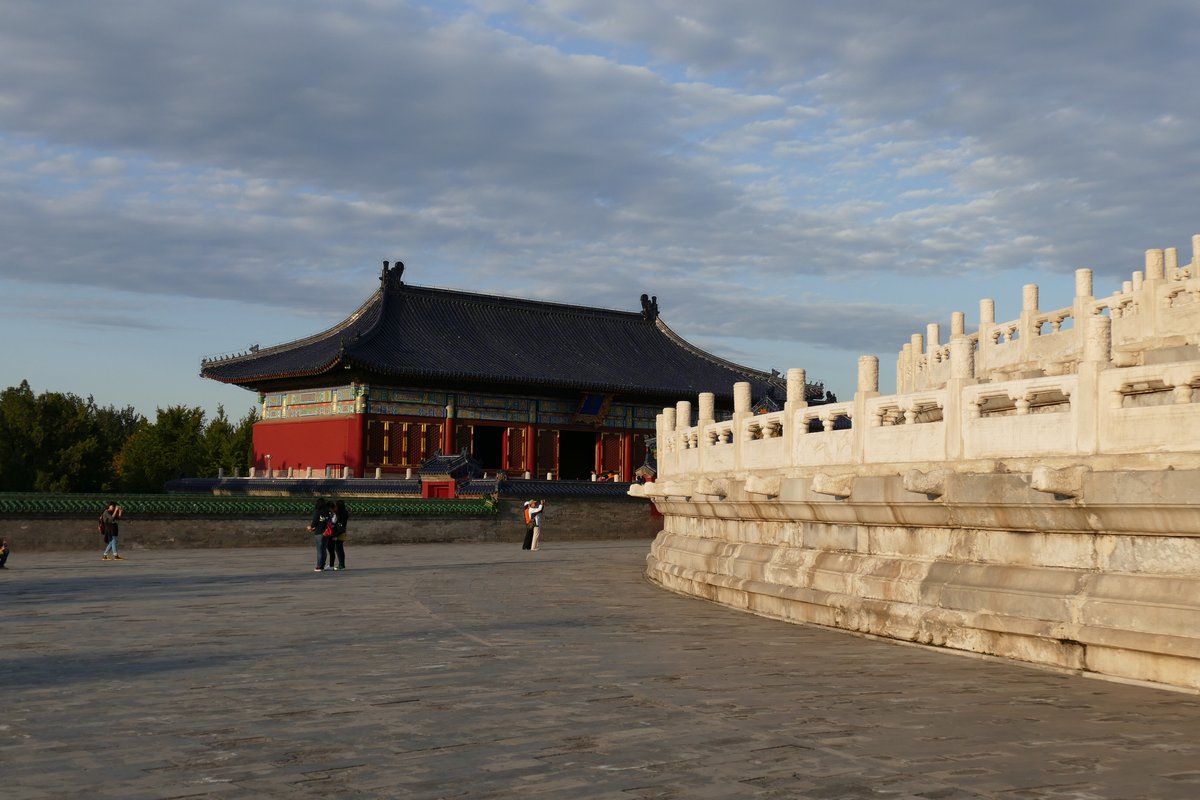
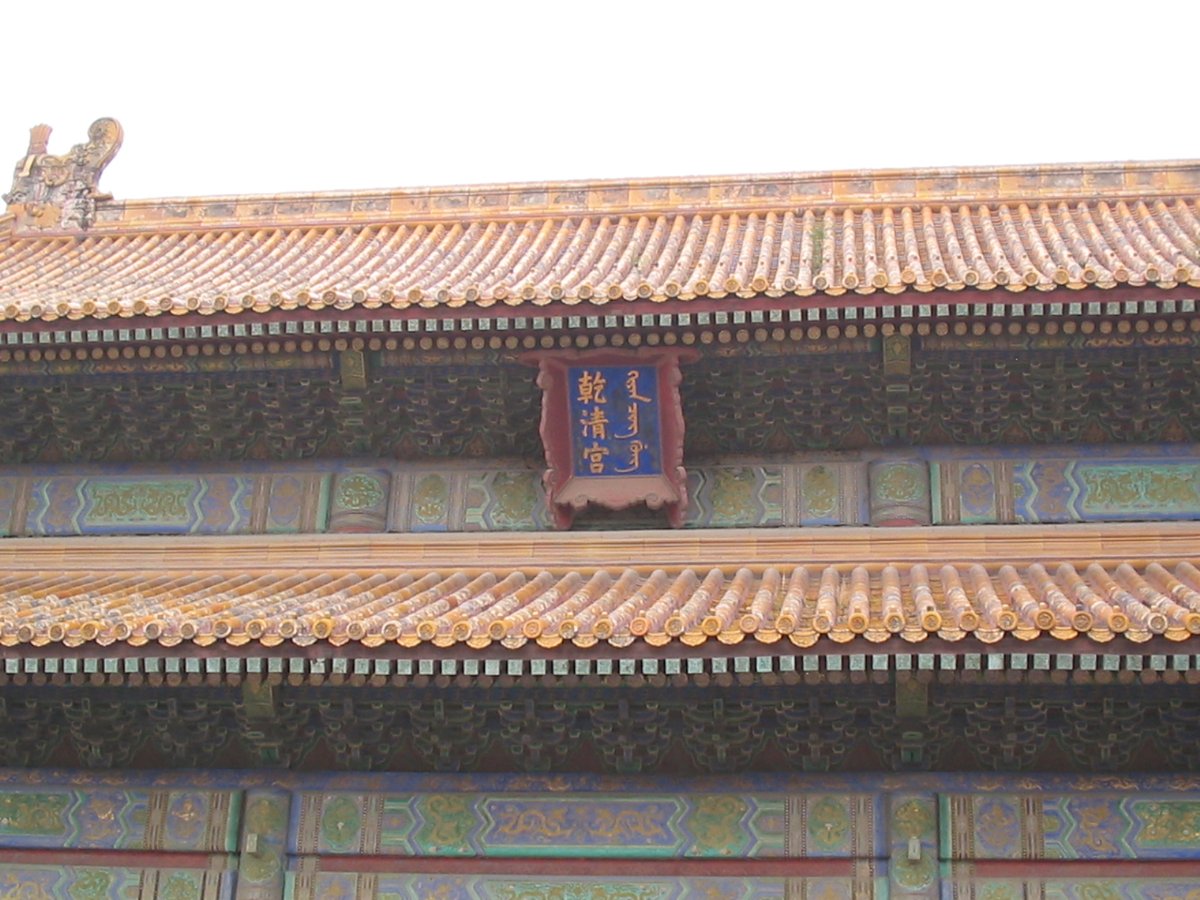
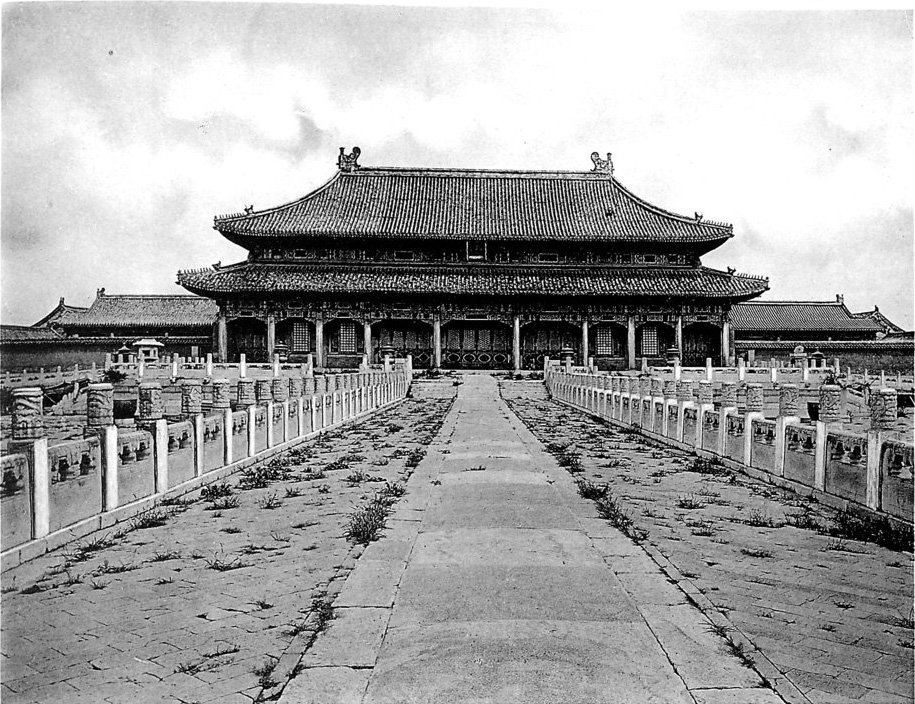
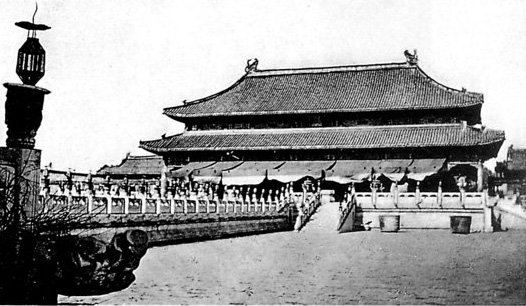
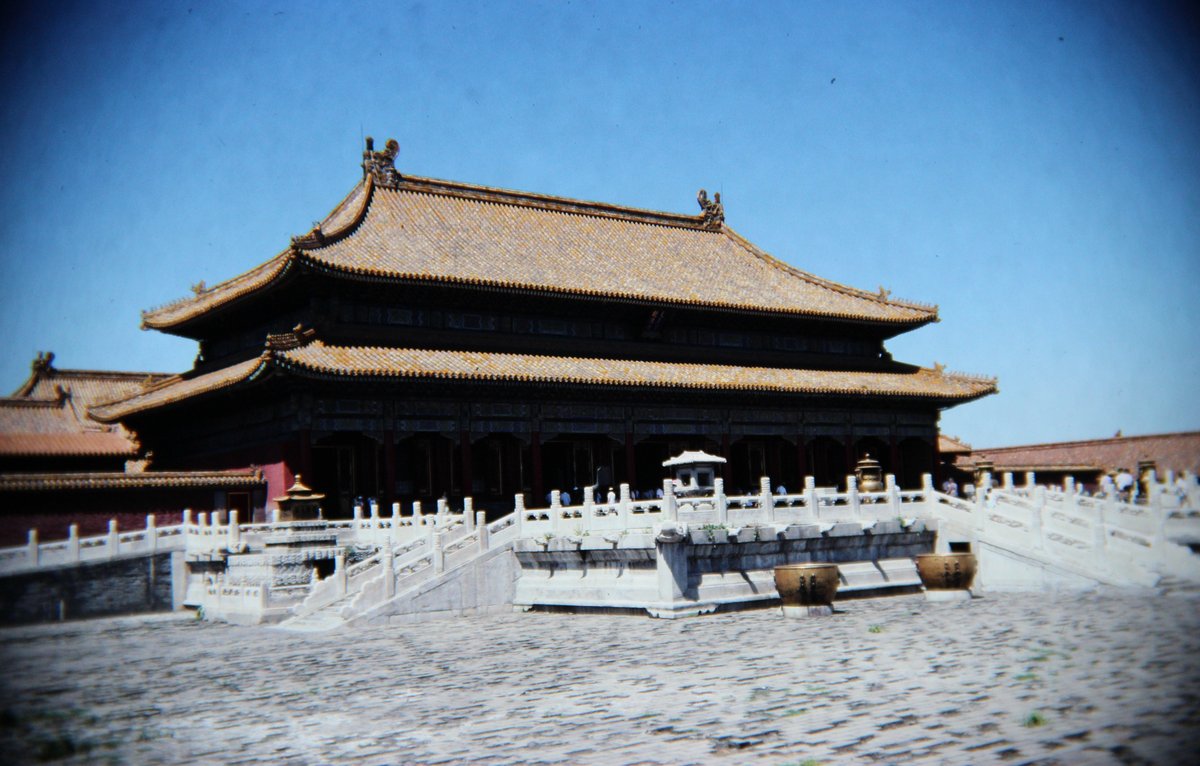
The Palace of Heavenly Purity is the largest hall within the Inner Court. Its design features a double-eaved roof with imperial yellow glazed tiles, a high marble terrace, and a symmetrical square plan—embodying the cosmic order and the emperor’s supreme authority (wonders-of-the-world.net; factsanddetails.com; travelurchina.com).
Key Features
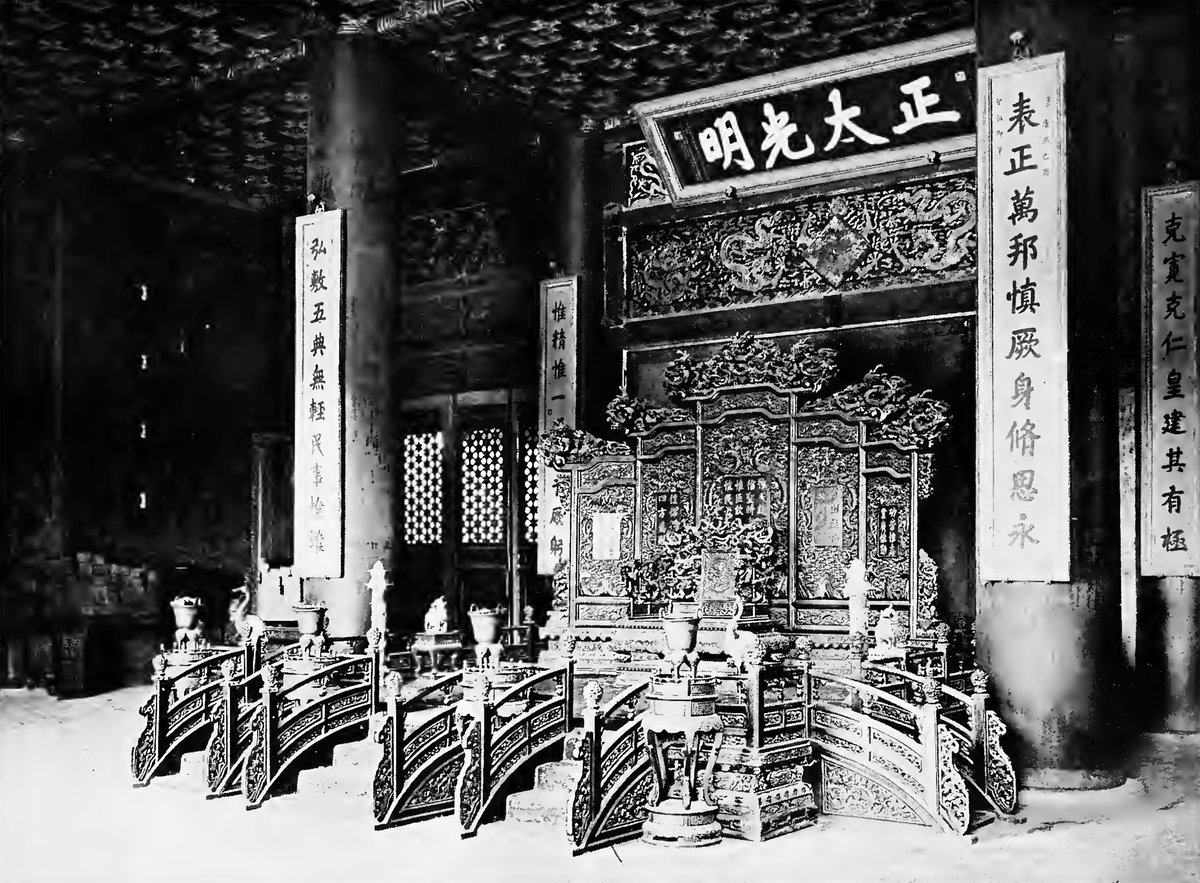
- Main Hall and Throne Platform: The hall’s centerpiece is the imperial throne, elevated on a platform, surrounded by ornate screens, incense burners, and phoenix and dragon motifs—symbols of power and cosmic harmony (factsanddetails.com).
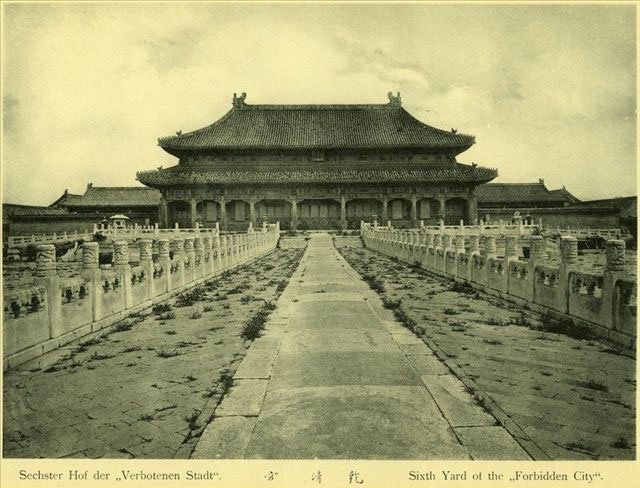
- Courtyard and Auxiliary Structures: The palace is accessed via the Gate of Heavenly Purity and is flanked by smaller pavilions and guarded by bronze lions, reinforcing imperial exclusivity (wonders-of-the-world.net).
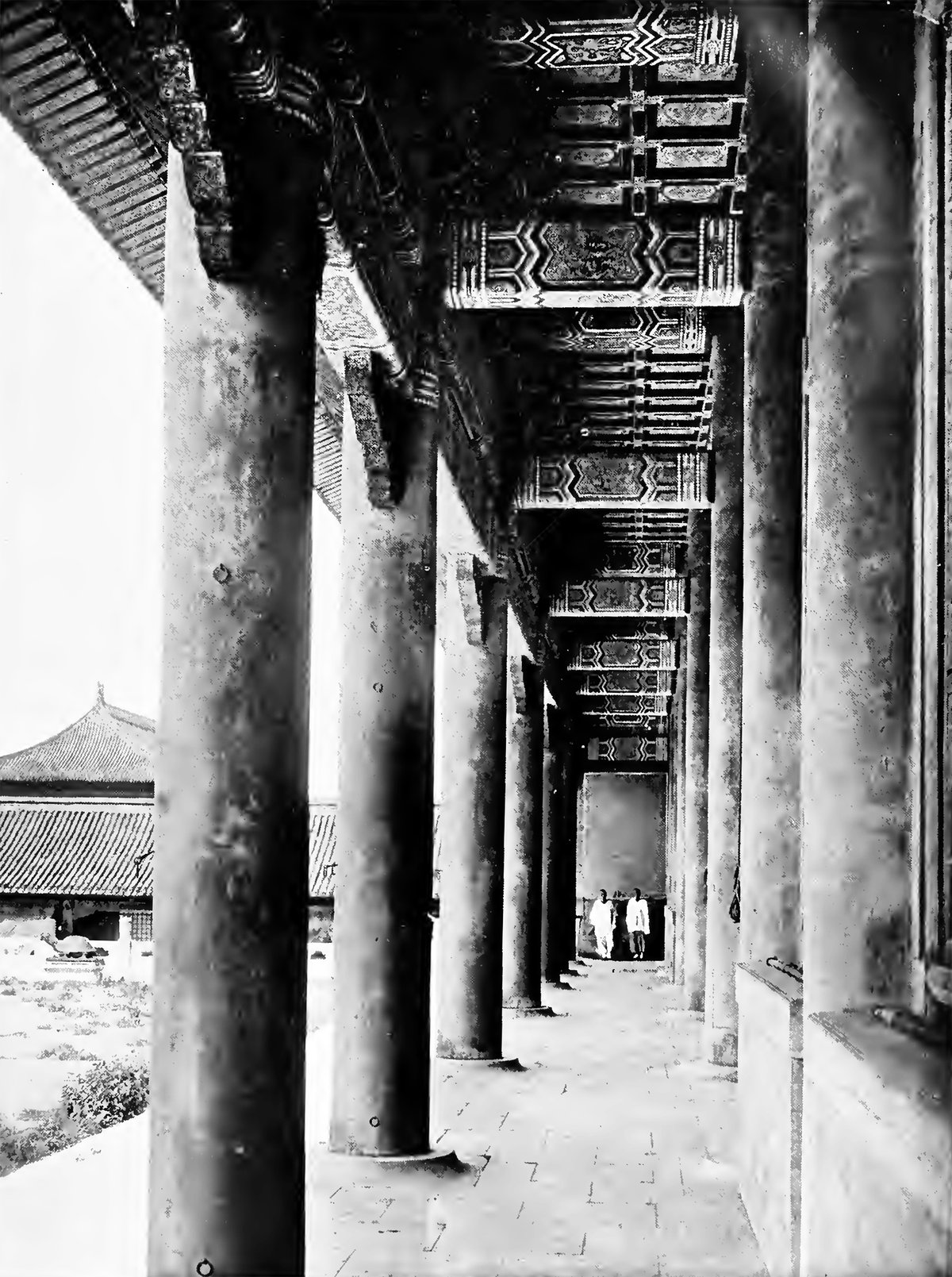
- Materials and Construction: Built primarily of wood and marble, the palace uses traditional Chinese joinery and ornamental craftsmanship, with rich use of auspicious colors and motifs (travelurchina.com).
Cultural, Political, and Social Significance
Symbolism and Ritual
The palace’s architecture and décor are saturated with imperial symbolism, from the nine rooms (reflecting the emperor’s association with the number nine) to the dragon caisson ceiling and the “Zheng Da Guang Ming” plaque, which stands for just and open governance (Wikipedia; TravelChinaGuide).
Center of Power
As the imperial residence and administrative hub, the palace was where emperors governed, received officials, and hosted major ceremonies. Its function as a center of power extended beyond the Ming and Qing dynasties, remaining a key symbol of continuity, legitimacy, and national identity (chinatour360.com; History Skills).
Social Influence
Life and ritual within the palace shaped social hierarchies, etiquette, and even artistic trends throughout China. Its exclusivity and grandeur have captivated the public imagination, while its transformation into a museum has made it a site of education and cultural exchange (Chinadiscovery; RuQin Travel).
Preservation and Conservation
Despite challenges such as wars, natural disasters, and political turmoil, the Palace of Heavenly Purity has been extensively restored and protected. Modern efforts include structural reinforcement, restoration of decorative elements, and strict visitor management to ensure its preservation (intl.dpm.org.cn; worldofhistorycheatsheet.com).
The Forbidden City’s status as a UNESCO World Heritage Site further underscores its value and the ongoing commitment to its conservation (UNESCO).
Practical Visitor Information
Location and Access
- Address: Forbidden City, Dongcheng District, Beijing.
- Main Entrance: Meridian Gate (Wu Men).
- Nearest Subway: Tiananmen East or Tiananmen West (Line 1).
Visiting Hours
- April 1 – October 31: 8:30 AM – 5:00 PM (last entry at 4:00 PM)
- November 1 – March 31: 8:30 AM – 4:30 PM (last entry at 3:30 PM)
- Closed Mondays (except holidays and peak season).
- Check official website for updates: (en.dpm.org.cn/visit/)
Tickets
- Peak Season (April–October): 60 RMB
- Off-Peak (November–March): 40 RMB
- Purchase: Online only via (Palace Museum ticketing site); tickets released 10 days ahead, no on-site sales.
- Discounts: Free or reduced admission for children under 6 and seniors over 60 with ID.
Accessibility
- Wheelchair ramps at key halls, including the Palace of Heavenly Purity.
- Free wheelchair rental at main entrance with valid ID (Palace Museum Accessibility).
- Some historic steps remain; assistance may be needed.
Visitor Facilities
- Restrooms, water stations, and shaded rest areas nearby.
- Souvenir shops and cafés within the Forbidden City, but limited options near the Inner Court.
- Audio guides in multiple languages available for rental (Palace Museum Audio Guide).
Guided Tours and Special Events
- Guided Tours: Available in Mandarin, English, Japanese, and more; book online or at the entrance.
- Audio Guides: Multi-language options; enhance your understanding of history and architecture.
- Special Exhibitions: Check the Palace Museum calendar for details (en.dpm.org.cn).
Visitor Tips and Etiquette
- Arrive early to avoid crowds, especially on weekends and holidays.
- Wear comfortable shoes due to extensive walking and uneven stone paving.
- No flash photography or tripods inside palace interiors.
- Do not touch artifacts or painted surfaces.
- Respectful behavior is expected at this UNESCO World Heritage Site.
- Dress modestly during ceremonial periods.
Highlights of the Palace of Heavenly Purity
- Architectural grandeur: Double-eaved roof, golden tiles, and intricate wooden lattices.
- Imperial throne and dragon motifs: Viewable from the main doorway, symbolizing supreme authority.
- Interpretive panels: Bilingual explanations of the palace’s historical and cultural roles.
Seasonal Considerations
- Spring/Autumn: Mild, pleasant weather—ideal for touring and photography.
- Summer: Hot and crowded; bring water, sunscreen, and hats.
- Winter: Cold but less crowded; snow on rooftops creates a picturesque scene.
Nearby Attractions
- Hall of Mental Cultivation: Qing dynasty emperors’ residence.
- Imperial Garden: Landscaped retreat at the northern end of the Forbidden City.
- Tiananmen Square: Historic and political center just south of the Forbidden City.
- Jingshan Park: Offers panoramic city views.
Frequently Asked Questions (FAQ)
Q: What are the visiting hours for the Palace of Heavenly Purity?
A: 8:30 AM – 5:00 PM (April–October), 8:30 AM – 4:30 PM (November–March), closed Mondays except during holidays.
Q: How do I buy tickets?
A: Purchase online via the official Palace Museum ticketing website (here).
Q: Is the palace accessible for visitors with disabilities?
A: Wheelchair ramps are available at major halls and free wheelchair rentals at the main entrance.
Q: Are guided tours available?
A: Yes, in multiple languages, bookable online or at the museum.
Q: Is photography allowed?
A: Allowed in courtyards and exteriors, but not inside the halls.
Plan Your Visit
Prepare for your trip by booking tickets in advance, checking seasonal opening times, and exploring official resources. Download the Audiala app for interactive maps, audio guides, and up-to-date visitor info. For a richer experience, consider joining a guided tour and visiting nearby historical attractions.
Stay informed and inspired—follow our channels for the latest updates and expert tips on exploring Beijing’s imperial treasures.
Listen to the full story in the app
The whole Palace Of Heavenly Purity,
told well.
Listen to sourced travel stories with local history and practical context — ready offline.
Verified, and shown.
Researched and written by the Audiala editorial team from historical records, architectural archives, and local expertise.
Built from cited sources · see the method · How we make our guides →