Plan and listen to Palace Of Eternal Longevity with Audiala.
Audio guide in your pocket, itinerary in your browser. Built for the way you actually visit.
Introduction
The Palace of Eternal Longevity (Yongshou Gong, 永寿宫) is a distinguished highlight within Beijing’s Forbidden City, representing centuries of imperial Chinese history, culture, and architectural mastery. Originally built in 1420 during the Ming dynasty, this palace has witnessed the evolution of Chinese dynastic traditions and remains a key destination for those eager to explore Beijing’s rich past. This guide offers an in-depth look into its historical significance, architectural features, visitor information, and practical travel tips, ensuring you make the most of your visit to this iconic site.
For authoritative resources and up-to-date visitor information, refer to Chinatripedia, China Highlights, TravelChinaGuide, and Asia Odyssey Travel.

Ming Dynasty Origins and Dynastic Evolution
Constructed under the Yongle Emperor in 1420, the Palace of Eternal Longevity was initially named the "Palace of Eternal Pleasure" (长乐宫, Changle Gong). Its original purpose was to house imperial consorts and empresses, reflecting the tradition of auspicious naming and the hierarchical structure of the Forbidden City. The palace was renamed several times throughout history, most notably as the "Palace of Embodying Morality" (毓德宫, Yude Gong) in 1535 and finally the "Palace of Eternal Longevity" (永寿宫) in 1616, highlighting Confucian virtues and imperial aspirations for continuity and longevity.
Major restorations in 1697 and 1897 preserved its Ming-era design, and the palace played a role in significant imperial rituals, including wedding banquets and religious observances.
Qing Dynasty and Modern Significance
During the Qing dynasty, the palace continued as a residence for high-ranking consorts and occasionally as a retreat for emperors during fasting periods. Notable residents included Empress Dowager Xiaomuji, Noble Concubine Dong’e, and Empress Dowager Chongqing. In the late Qing and Republican eras, the palace was converted into a storeroom and later integrated into the Palace Museum, which opened to the public in 1925. Ongoing preservation efforts ensure that the palace remains a vital part of China’s cultural heritage.
Architectural Features
Layout and Structure
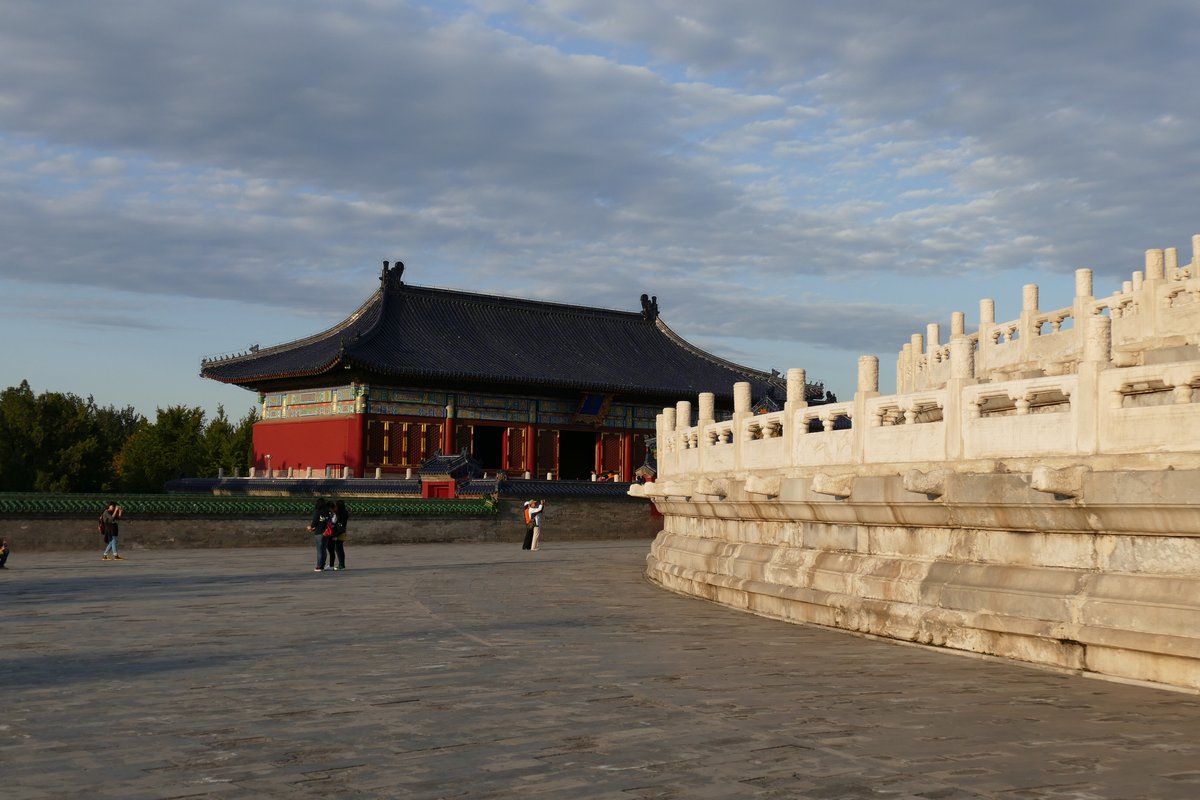
The Palace of Eternal Longevity is a quintessential example of Ming and Qing palace architecture, featuring a symmetrical north-south axis, interconnected halls, and serene courtyards. Its main hall is constructed with a hip-and-gable (歇山顶, xiēshāndǐng) roof, adorned with yellow glazed tiles—an imperial symbol of authority. Notable features include classic red walls, intricately carved wooden beams, and courtyards lined with ancient cypress trees.
Decorative and Artistic Elements
- Imperial Calligraphy: The main hall displays a plaque with Emperor Qianlong’s calligraphy and other works, reflecting the artistic tastes of the Qing court.
- Symbolic Decorations: Bronze tortoises, cranes, sundials, and grain measures on the terraces serve as symbols of longevity, wisdom, and imperial authority.
- Roof Ornaments: Eaves are decorated with mythical animal statuettes, indicating the palace’s status and offering protection from evil spirits.
Construction Techniques
Traditional mortise-and-tenon joinery without nails enables the wooden structure to flex and resist seismic activity. The use of Phoebe zhennan wood underscores the palace’s prestige and the resources invested in its construction.
Color and Symbolism
The dominant yellow and red hues represent imperial power and good fortune, respectively, reinforcing the palace’s central role within the Forbidden City’s cosmological design.
Cultural and Ritual Significance
The Palace of Eternal Longevity was not merely a residence but a site for important rituals, ceremonies, and imperial gatherings. Its architecture and layout facilitated banquets, religious observances, and celebrations, underscoring the Confucian ideal of harmony between people and their environment. Motifs such as cranes, pine trees, and peaches appear throughout the palace, symbolizing longevity and prosperity.
Visiting Information
Opening Hours
- April–October: 8:30 AM – 5:00 PM (last entry at 4:00 PM)
- November–March: 8:30 AM – 4:30 PM (last entry at 3:30 PM)
- Closed on Mondays (except national holidays)
Tickets and Admission
- Standard Admission: 60 RMB (April–October), 40 RMB (November–March)
- Additional Fees: Access to special exhibitions, such as the Treasure Gallery, may require extra fees.
- Purchase: Tickets must be booked in advance online through the official Palace Museum website or trusted travel platforms; on-site sales are not available.
- Requirements: Foreign visitors must present a valid passport; tickets are linked to your passport number.
Accessibility
The palace offers partial wheelchair access with ramps in some areas, but historic steps and uneven pathways may limit access to certain sections. Accessible restrooms are available but may require advance planning.
How to Get There
The Forbidden City is centrally located north of Tiananmen Square. Enter through the Meridian Gate (Wu Men) and follow the central axis, turning east after passing the Hall of Preserved Harmony. Subway Line 1 (Tiananmen East/West stations) and various bus lines provide convenient access.
Best Time to Visit and Travel Tips
- Seasonal Recommendations: Spring and autumn feature pleasant temperatures and fewer crowds.
- Crowd Avoidance: Arrive early on weekday mornings, avoiding major holidays and weekends.
- Walking Distances: Expect to walk several kilometers; wear comfortable shoes.
- Photography: Non-flash photography is allowed; tripods and selfie sticks are prohibited.
- Food and Water: Bring bottled water and light snacks; restaurants are scarce inside the complex.
- Rest Areas: Benches and shaded spots are limited, especially in the eastern palaces.
Guided Tours and Visitor Experience
- Audio Guides: Available in multiple languages for a modest fee, providing detailed commentary.
- Guided Tours: Enhance your experience with professional guides, available at the entrance or through advance booking.
- Special Exhibitions: The palace periodically hosts exhibitions of imperial artifacts, offering insight into court life.
- Interpretation: On-site plaques and digital resources enrich your understanding of the site.
Notable Nearby Attractions
- Other Six Western and Eastern Palaces
- Hall of Supreme Harmony
- Palace of Heavenly Purity
- Imperial Garden
- Jingshan Park (for panoramic views)
- Tiananmen Square
Frequently Asked Questions (FAQ)
Q: Can I buy Palace of Eternal Longevity tickets separately?
A: No. Admission is included with your Forbidden City ticket.
Q: Are guided tours available in English?
A: Yes, both audio guides and professional English-speaking guides are available.
Q: Is the palace wheelchair accessible?
A: Partial access is provided, but many areas have steps and uneven surfaces.
Q: Can I take photos inside the palace?
A: Non-flash photography is permitted; tripods and selfie sticks are not.
Q: What are the best times to visit?
A: Early mornings during spring or autumn are ideal for pleasant weather and smaller crowds.
Visitor Recommendations
- Plan Ahead: Book tickets online and check for special exhibitions or events.
- Guided Experience: Consider an audio guide or professional tour for deeper context.
- Travel Prepared: Wear comfortable footwear, bring water, and review accessibility options if needed.
- Explore More: Take time to visit nearby halls and gardens to fully appreciate the Forbidden City’s scope.
Listen to the full story in the app
The whole Palace Of Eternal Longevity,
told well.
Listen to sourced travel stories with local history and practical context — ready offline.
Verified, and shown.
Researched and written by the Audiala editorial team from historical records, architectural archives, and local expertise.
Built from cited sources · see the method · How we make our guides →