
The National Assembly Building
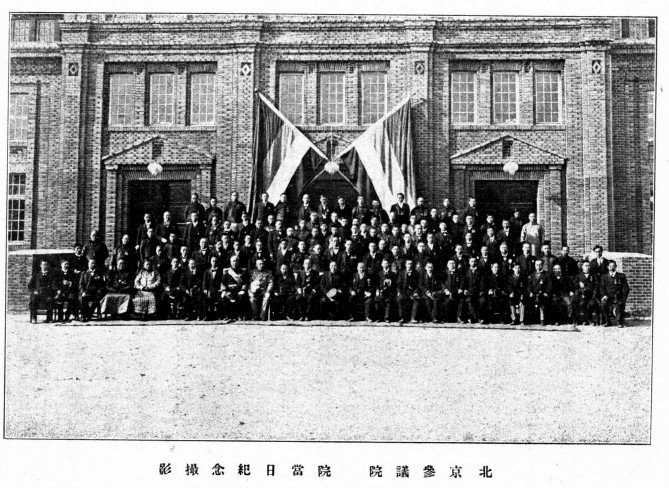
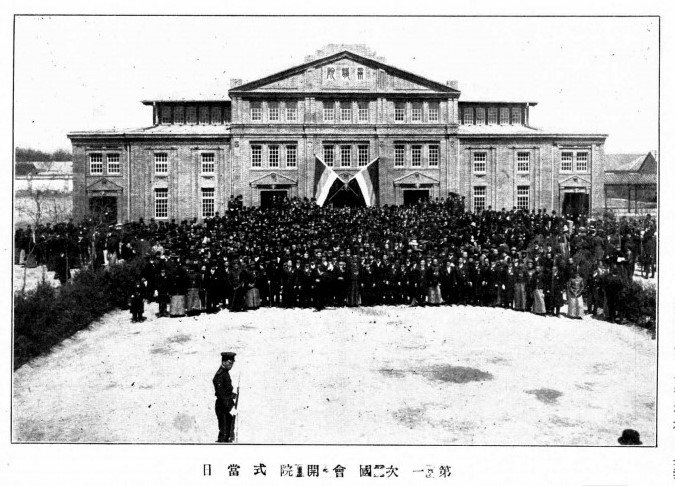
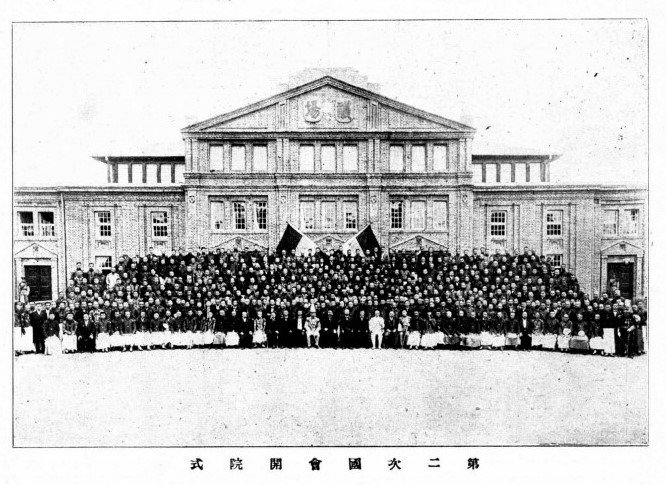
The National Assembly Building (北京国会旧址) is a historic site in Beijing associated with China’s early-20th-century efforts to establish constitutional government after the end of imperial rule. It is now part of the Xinhua News Agency compound and is largely closed to the public, but remains a symbol of China’s journey toward modern statehood (Wikipedia).
History
Early Republican Aspirations and the Building’s Origins
The 1911 Xinhai Revolution ended more than two millennia of imperial rule and paved the way for the Republic of China. Reformers sought to establish a parliamentary system inspired by Western models, leading to the creation of a bicameral National Assembly (Wikipedia).
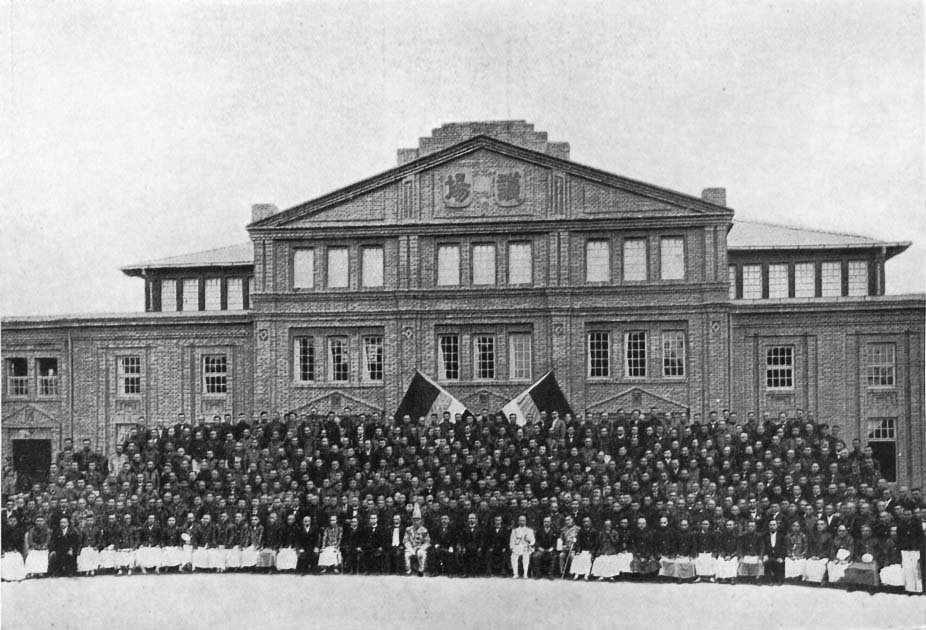
Construction of a grand parliamentary building began in 1910, with German architect Curt Rothkegel commissioned to design it. The revolution halted the project, leaving it unfinished. After the Republic was founded, the need for a legislative venue persisted and prompted the construction of the National Assembly Building in Beijing. Rothkegel again played a central role in its design, incorporating neoclassical elements that reflected hopes for democratic governance (Wikipedia).
The Building’s Political Role During the Republican Era
The building served as an intermittent meeting place for the National Assembly, which was intended to anchor China’s new constitutional order. Its power was frequently challenged by military strongmen and political instability, especially during the Warlord Era (1916–1928) (Wikiwand).
The building witnessed events including the first national elections and the Beijing Coup of 1924. Factionalism and external interference often thwarted the early republic’s ambitions, limiting the Assembly’s effectiveness (Wikipedia).
Decline and Legacy
The National Assembly’s influence faded as the Republic of China’s central authority weakened. After the Nationalist government relocated to Nanjing and then to Taiwan, the Assembly in Beijing ceased to function. The first post-war National Assembly convened in Nanjing in 1948; following the Communist victory in 1949, the Assembly and government relocated to Taipei (Wikiwand).
In Taiwan, the Assembly continued with diminishing powers until its formal dissolution in 2005 (Wikipedia). In Beijing, the original building became part of the Xinhua News Agency compound and no longer served a legislative purpose.
What to See
Architecture and Symbolism
Curt Rothkegel’s design drew heavily on neoclassical architecture. Its columns and symmetrical proportions were intended to express order, democracy, and progress, and to align China with the world’s constitutional nations.
Although the original grand parliament was never completed, the existing building is a rare example of early-20th-century governmental architecture in Beijing and a physical testament to the optimism and challenges of the Republican era (Wikipedia). Its neoclassical façade offers photographic opportunities, particularly in the context of the surrounding Republican-era architecture. Visitors can view and photograph the exterior from public spaces.
Practical Visiting Information
National Assembly Building
The National Assembly Building is not open for routine public visits because it is within the Xinhua News Agency compound. Access is sometimes permitted during special exhibitions or official events. There are no regular tickets or public entry. For opportunities to visit, monitor Xinhua News Agency announcements or contact its press office.
The building is centrally located in Beijing and can be reached by public transportation. Nearby subway stations and bus routes serve the surrounding area, though entry to the compound is restricted.
Great Hall of the People
On the western edge of Tiananmen Square, the Great Hall of the People (人民大会堂) serves as the venue for the National People’s Congress and state ceremonies. Completed in 1959, it is a symbol of China’s political and cultural identity and one of Beijing’s historical sites (TravelChinaGuide).
- Hours Generally open to the public from 9:00 AM to 2:00 PM on weekdays when not in official use. Closed during major events.
- Tickets Admission is approximately 30 RMB. Tickets are sold at the entrance or through authorized agencies; cash is preferred. Reserve in advance if possible, especially during peak seasons (TravelChinaGuide).
- Guided tours Available in Mandarin and occasionally in English. Tours last 45–60 minutes and cover significant halls and the building’s history. Advance booking is recommended.
- Location 2 West Chang'an Avenue, Xicheng District, Beijing. The site is accessible by subway at Tiananmen West station on Line 1.
- Security and facilities Visitors must pass security checks and carry ID. Photography is restricted inside the main halls. Ramps, elevators, and accessible restrooms are available, though some areas may be limited. Contact ahead for special assistance.
Tips
- Plan a National Assembly Building visit around special events that may permit limited access, and monitor official announcements.
- No regular guided tours are offered at the National Assembly Building, but some historical tours of the area may include information about it.
- For the Great Hall of the People, carry your passport for entry and ticket collection, arrive early for security checks, and dress smart casual; avoid shorts and flip-flops.
- Photography is generally not allowed inside the Great Hall’s main halls.
- Use public transportation to get around central Beijing and avoid traffic and road closures.
Nearby Places
- Tiananmen Square One of the world’s largest public squares, steeped in history.
- Great Hall of the People China’s current seat of legislature and a work of socialist-era architecture.
- Xinhua History Exhibition Hall Displays the evolution of China’s official news agency.
- National Museum of China
- Mao Zedong Memorial Hall
- The Forbidden City (TravelChinaGuide)
Frequently Asked Questions (FAQ)
Q: Is the National Assembly Building open to the public?
A: No. It is generally closed except for special events organized by Xinhua News Agency.
Q: How can I visit the National Assembly Building?
A: Monitor official channels for announcements of special events that may permit entry.
Q: Are guided tours available?
A: No regular tours are offered, but some historical tours of the area may include information about the building.
Q: Where can I buy tickets?
A: No tickets are sold for general admission to the National Assembly Building.
Q: What landmarks are nearby?
A: Tiananmen Square, the Great Hall of the People, and the Xinhua History Exhibition Hall.