Plan and listen to Monument To The People'S Heroes with Audiala.
Audio guide in your pocket, itinerary in your browser. Built for the way you actually visit.
Introduction
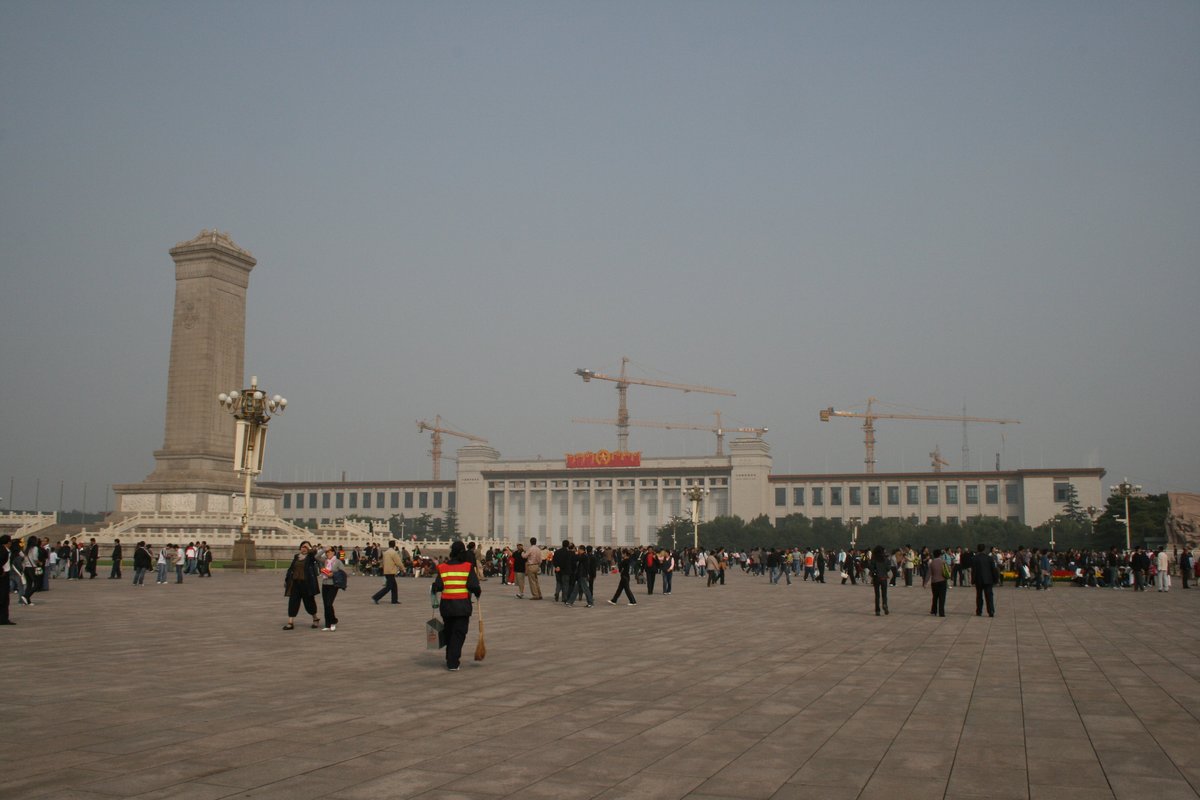
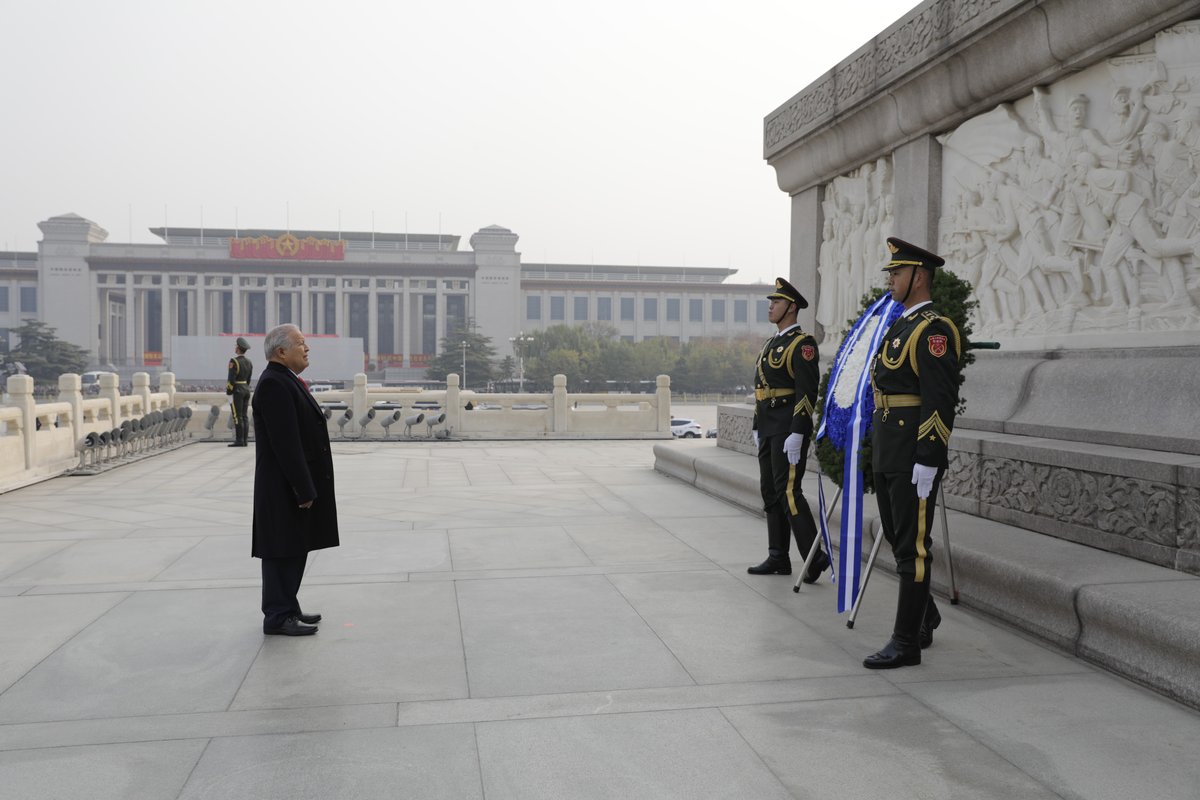
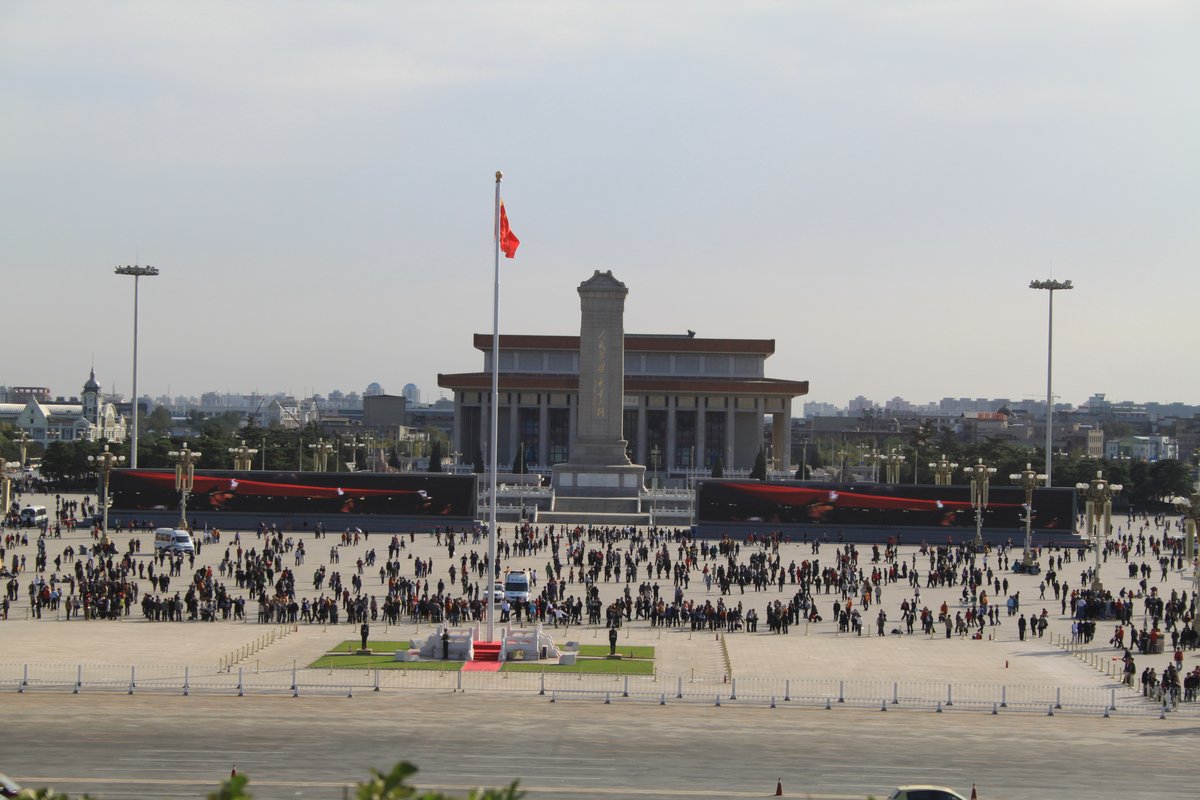
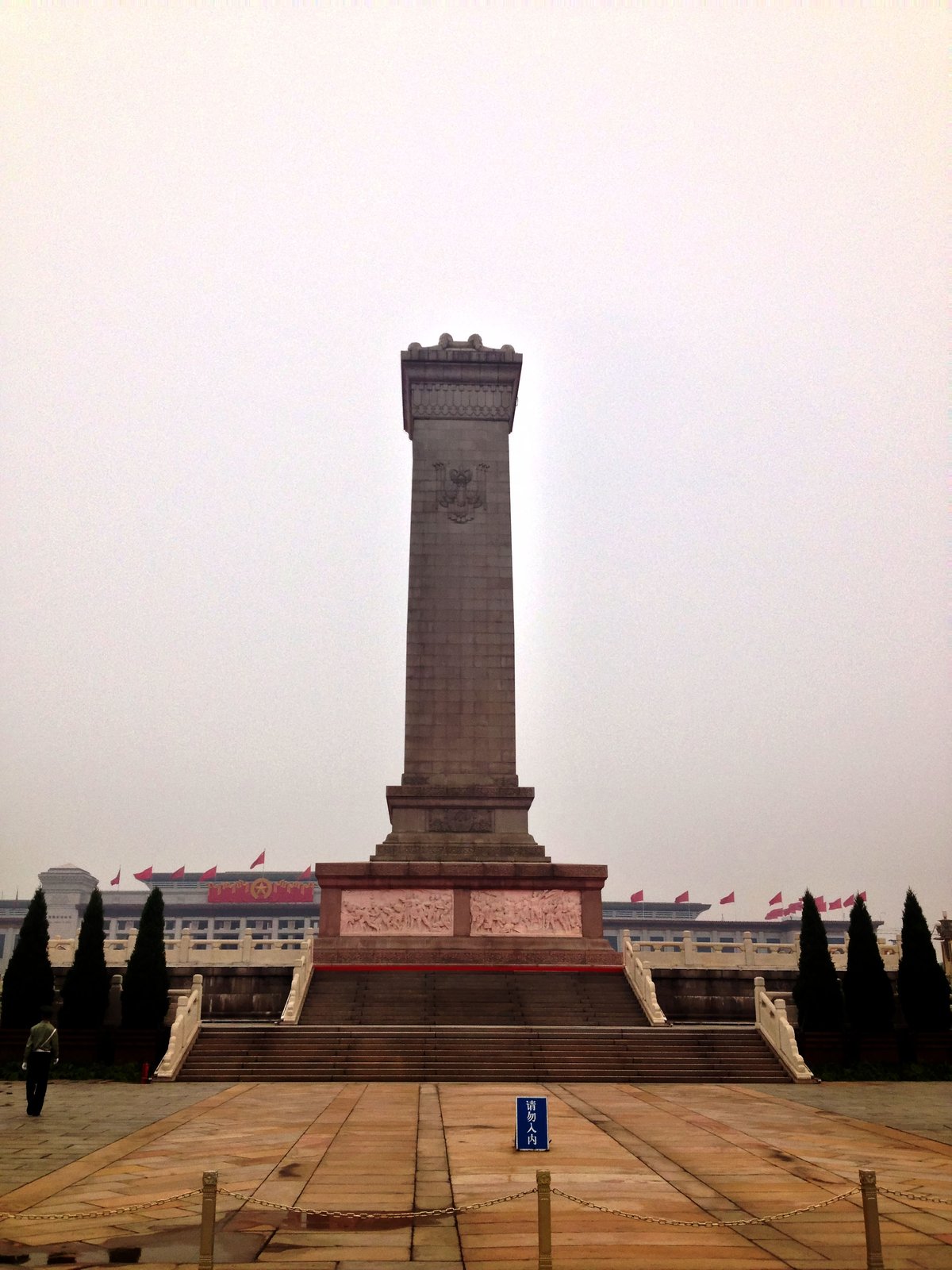
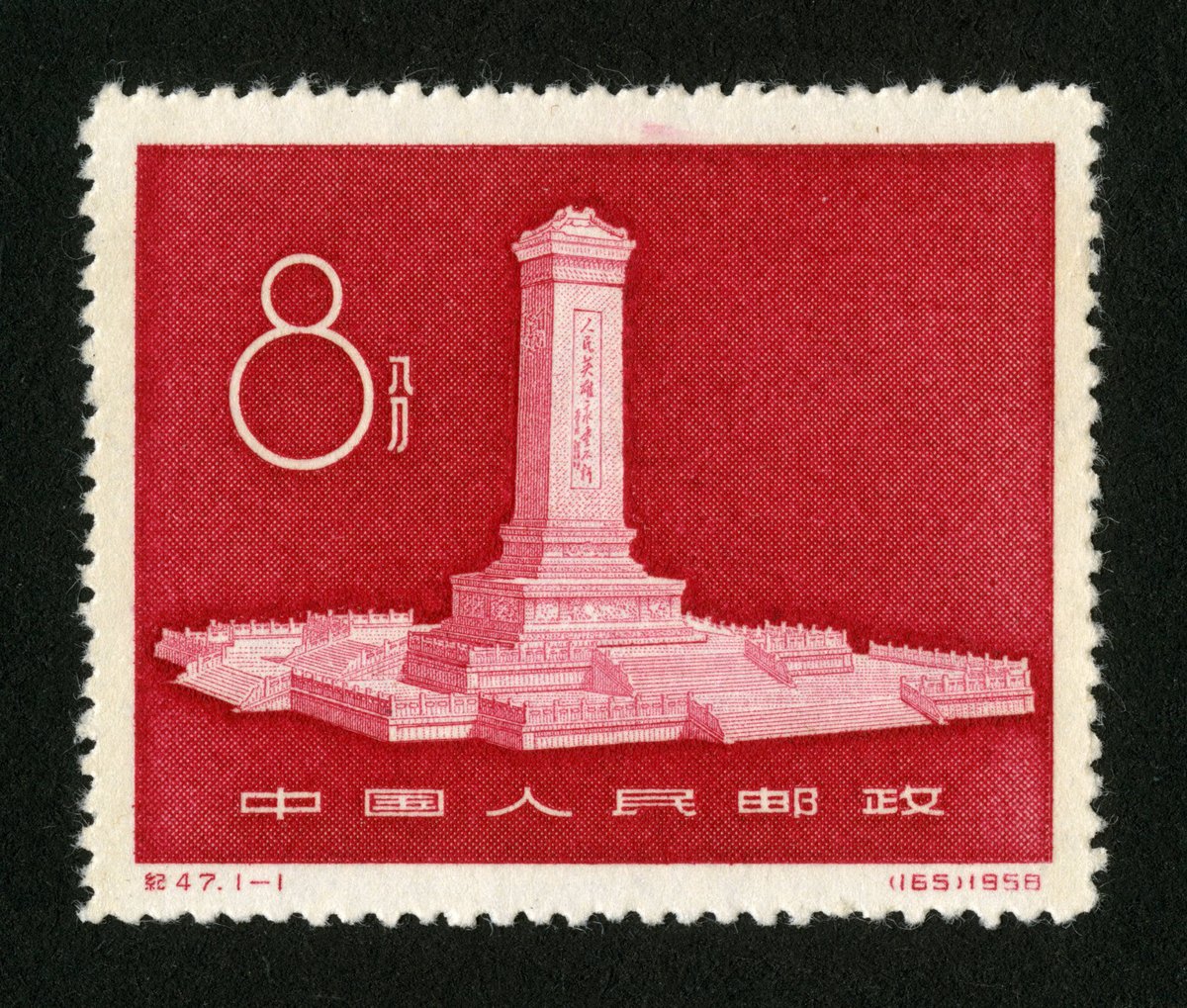
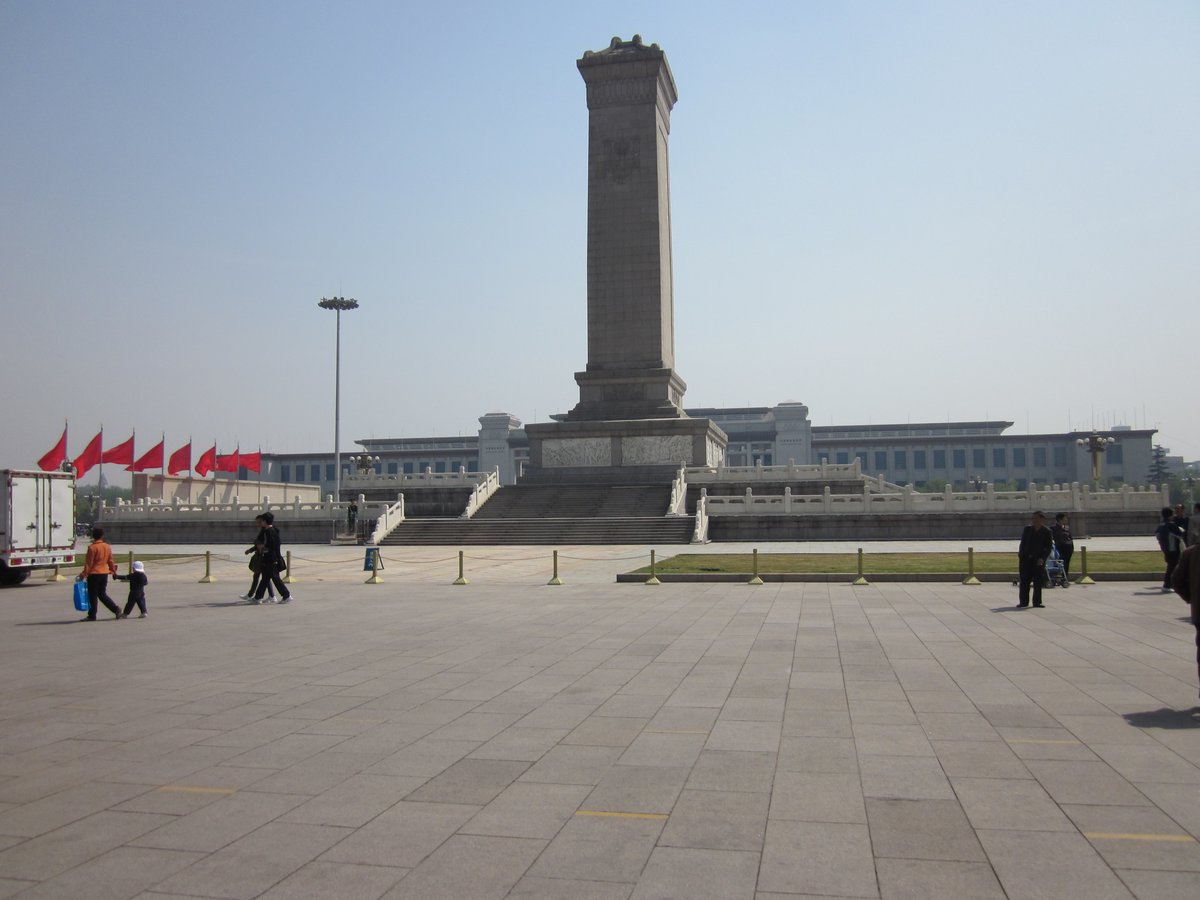
The Monument to the People’s Heroes (人民英雄纪念碑, Rénmín Yīngxióng Jìniànbēi) stands at the heart of Tiananmen Square, Beijing, serving as a powerful testament to China's revolutionary history and national unity. Erected between 1952 and 1958, this imposing 37.94-meter granite and marble obelisk commemorates those who sacrificed their lives from the Opium War through the founding of the People’s Republic of China in 1949. Designed by renowned architect Liang Sicheng, together with Lin Huiyin and Chen Zhide, the monument blends traditional Chinese aesthetics with Greco-Roman influences and stands as a focal point for national remembrance and ceremonies (chinatripedia.com; english.visitbeijing.com.cn).
This guide provides a detailed overview of the monument’s origins, architectural features, visitor logistics, and cultural significance to help you plan a meaningful visit to one of Beijing’s most significant historical sites.

Historical Background and Construction
Origins and Purpose
Approved at the First Plenary Session of the Chinese People's Political Consultative Conference in 1949, the monument honors martyrs from 19th-century uprisings through the Chinese Civil War and the establishment of the PRC. Its placement and dedication reflect the new government's aim to unify the nation and commemorate those who shaped modern China (architectuul.com).
Design and Symbolism
Liang Sicheng, often considered the father of modern Chinese architecture, led the design, with significant input from Lin Huiyin and engineer Chen Zhide. The monument’s location on Beijing’s historic north-south axis, right at the core of Tiananmen Square, connects imperial tradition with revolutionary transformation (english.visitbeijing.com.cn).
Construction Details
- Foundation Stone: Laid on September 30, 1949
- Construction: Began August 1, 1952
- Completion: May 1, 1958
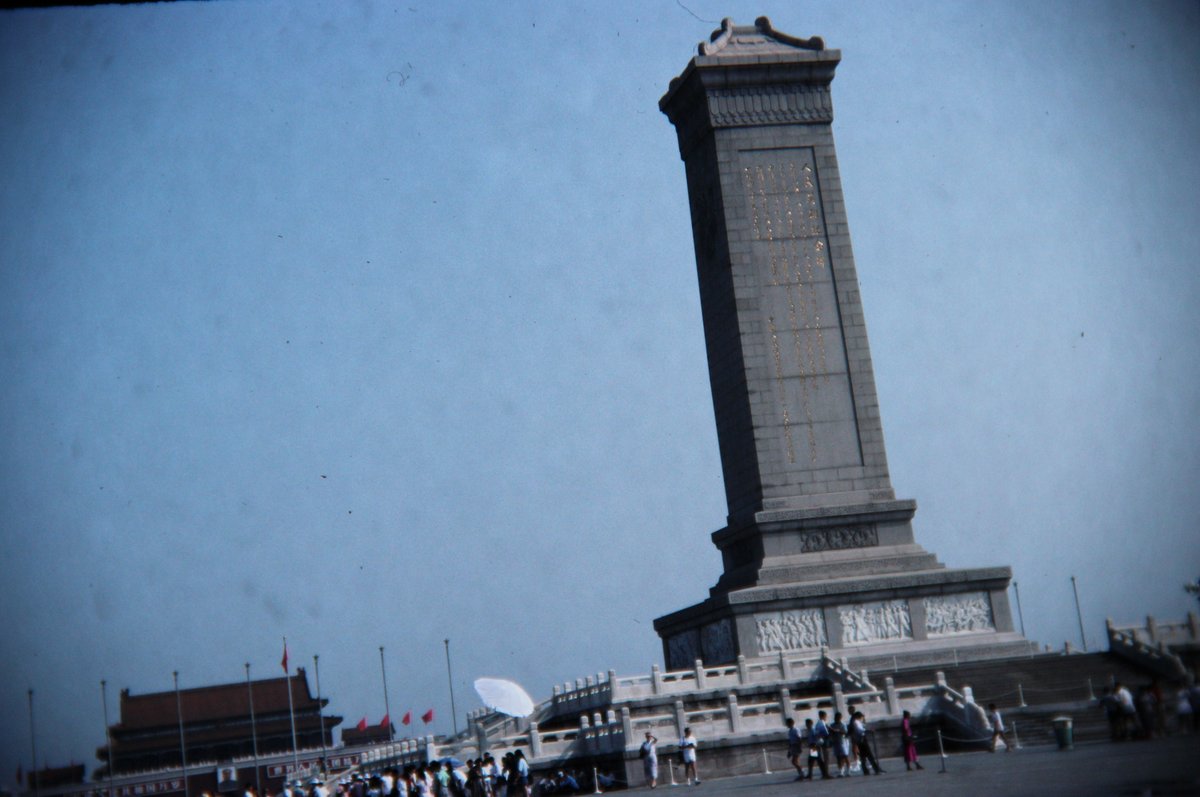
Composed of over 17,000 pieces of granite and marble, including a 103-ton granite block, the monument stands 37.94 meters tall and covers 3,100 square meters. Its structure features a two-tiered base, an obelisk body, and a begonia-shaped lower pedestal, incorporating both Buddhist and traditional Chinese motifs (chinatour360.com; ourchinastory.com).
Artistic Features and Inscriptions
Bas-Reliefs
The monument’s base displays eight large marble bas-reliefs, each depicting pivotal events in modern Chinese history, such as the Opium War, Taiping Rebellion, May Fourth Movement, and the People’s Liberation War. Created by artists like Liu Kaiqu, these reliefs collectively feature 180 figures and span over 40 meters (english.visitbeijing.com.cn; idcpc.org.cn).
Inscriptions
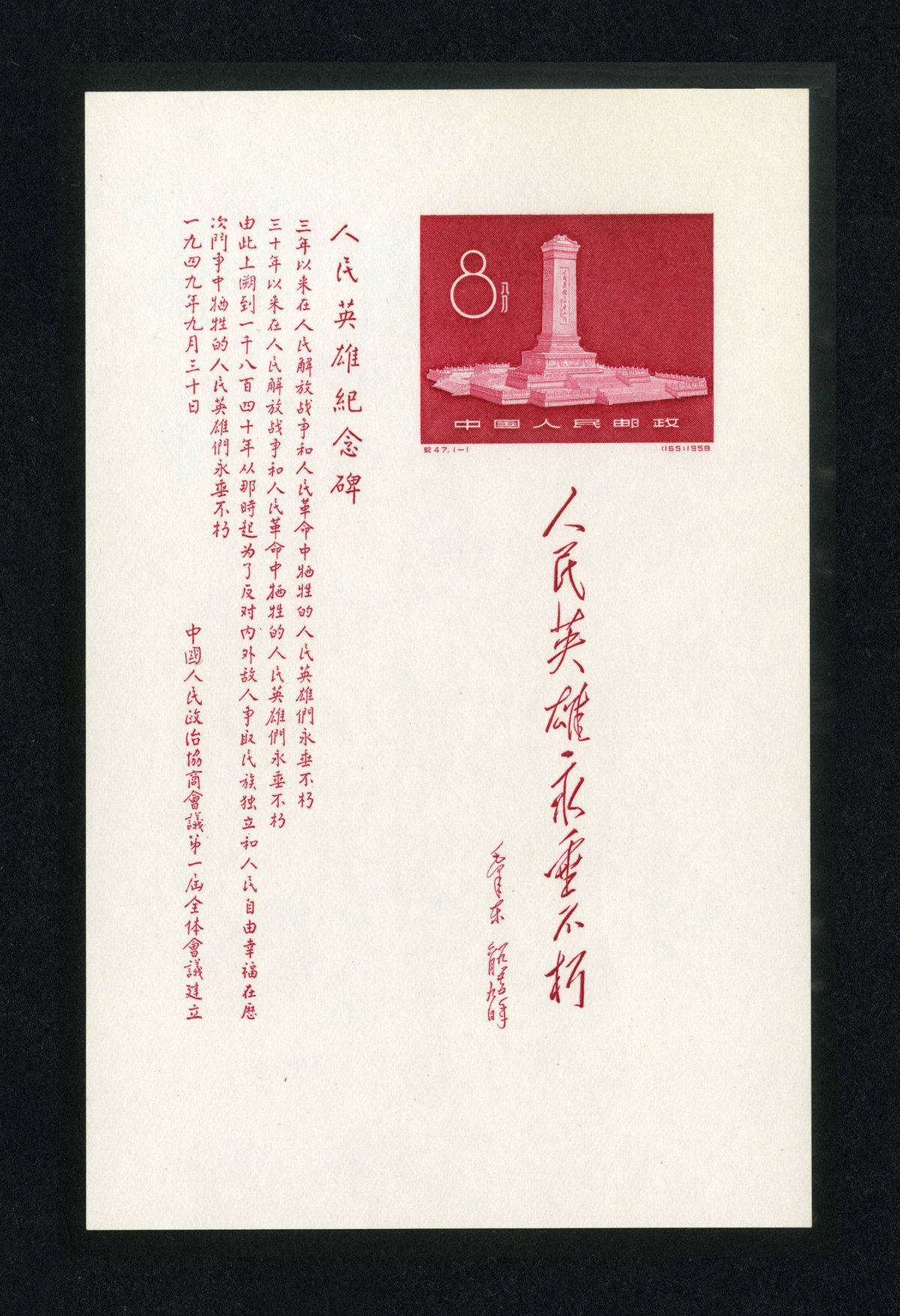
- Front: Mao Zedong’s calligraphy, “Eternal Glory to the People’s Heroes” (人民英雄永垂不朽)
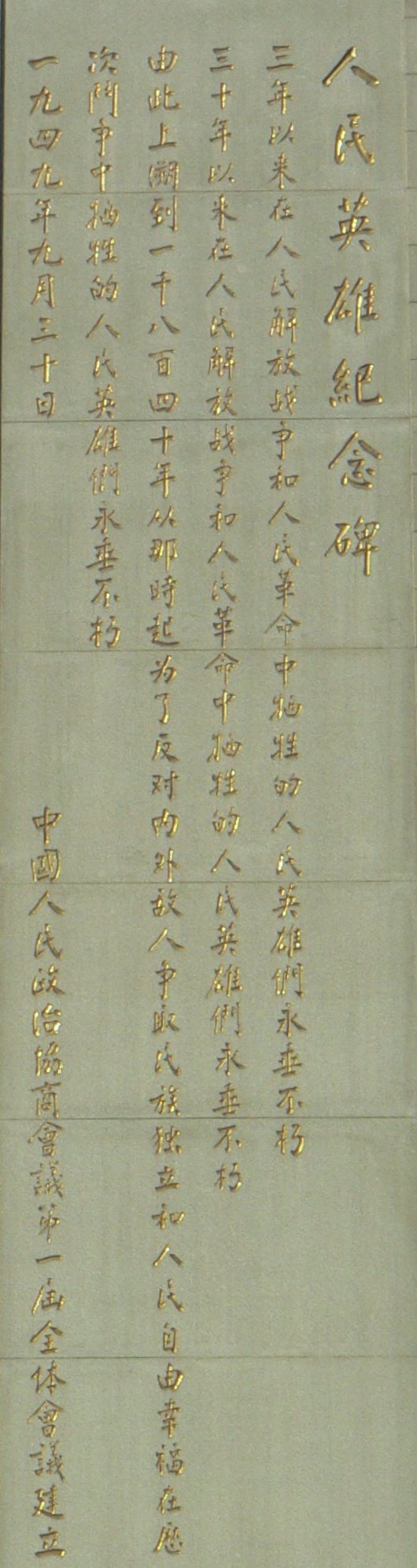
- Reverse: A 150-character dedication drafted by Mao and inscribed by Zhou Enlai, summarizing the monument’s commemorative purpose (chinadiscovery.com).
Cultural and Political Significance
National Symbolism
The monument embodies the resilience and unity of the Chinese people. It serves as the centerpiece for state ceremonies, including National Day and Martyrs’ Day, and as a site of public mourning and celebration (chinatripedia.com; China Daily).
Historical Events
The monument has borne witness to pivotal moments, such as the 1976 mourning for Zhou Enlai and the 1989 Tiananmen Square protests, reflecting its ongoing significance in national memory (architectuul.com; touristsecrets.com).
Heritage Status
Recognized as a national key cultural relic in 1961, the monument is preserved as an enduring symbol of China’s modern legacy (ourchinastory.com).
Visiting Hours, Tickets, and Accessibility
Opening Hours and Entry
- Tiananmen Square: Open daily from 5:00 AM to 10:00 PM (Deep China Travel)
- Monument Area: Generally accessible from 8:00 AM to 5:00 PM, with last entry at 4:30 PM
- Admission: Free. However, an online reservation is required for Tiananmen Square entry (China Tripedia).
Entry Procedure
- Reservations: Reserve your visit online up to 10 days in advance; your reservation provides access to the entire square and monument.
- Security Checks: Bring your passport or valid ID and allow extra time for thorough security screening (Trip.com).
Accessibility
- Wheelchair-accessible paths and ramps are available throughout the square.
- Rest areas, clean public restrooms, and information centers are provided for visitor convenience (Deep China Travel).
Nearby Attractions
Enhance your visit by exploring these adjacent historical sites:
- Forbidden City (Palace Museum): Just north of Tiananmen Square
- Great Hall of the People: On the square’s western edge
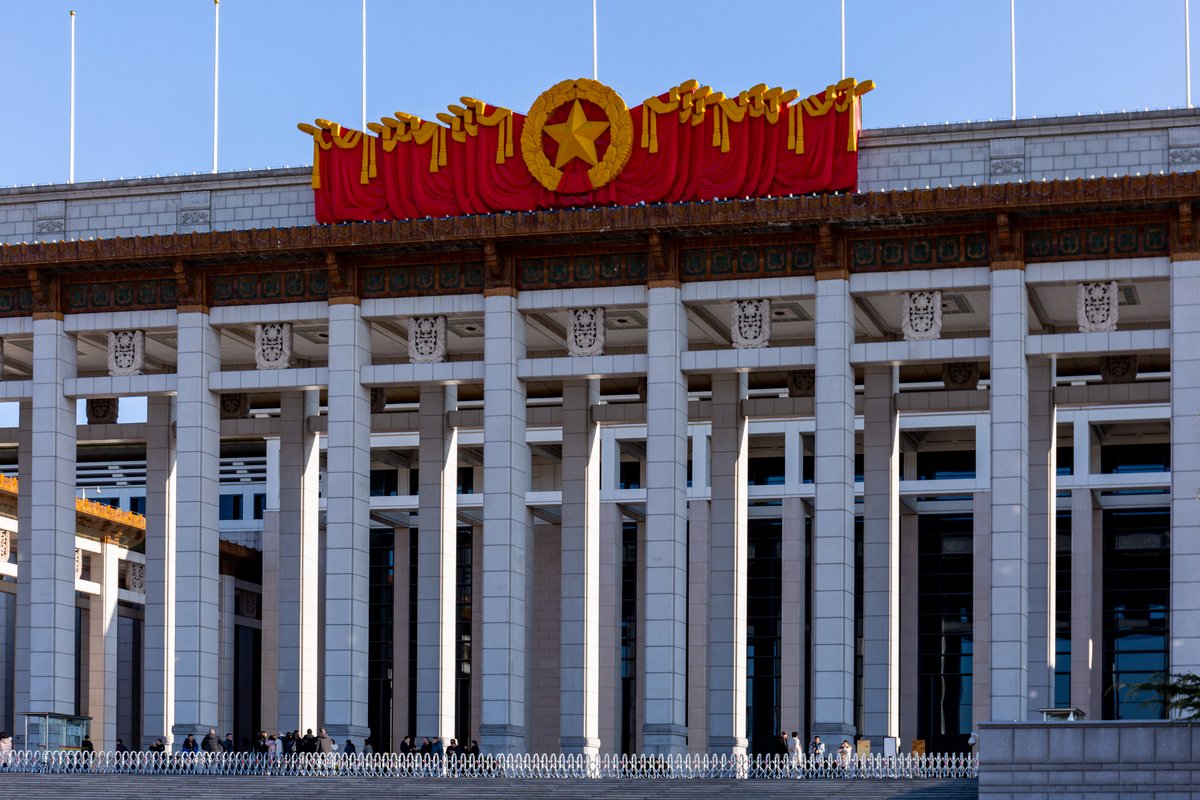
- National Museum of China: To the east of the monument
- Chairman Mao Memorial Hall: At the square’s southern end
- Qianmen Gate: Historic city gate at the southern boundary
Each site offers deeper insight into Beijing’s political, cultural, and historical landscape (Trip.com).
Visitor Experience & Practical Tips
- Best Time to Visit: Early morning for the flag-raising ceremony or late afternoon for beautiful lighting and fewer crowds (China Tripedia).
- Dress Code: Wear sun protection in summer and layers during cooler months.
- Photography: Permitted throughout the square; golden hours offer the best light.
- Respectful Conduct: Maintain decorum; climbing or loud behavior is prohibited.
- Stay Hydrated: Carry water, especially in summer, as shade is limited.
Frequently Asked Questions (FAQ)
Q: Do I need a ticket to visit the Monument to the People’s Heroes?
A: No separate ticket is required; your Tiananmen Square reservation includes access.
Q: What are the visiting hours for the monument?
A: The monument and Tiananmen Square are open daily from 5:00 AM to 10:00 PM; monument area open from 8:00 AM to 5:00 PM.
Q: Is the site wheelchair accessible?
A: Yes, the square and monument area are accessible for wheelchairs and strollers.
Q: Are security checks strict?
A: Yes. Bags are scanned and identification is verified; arrive early to allow time.
Q: Are guided tours available?
A: Yes, many operators include the monument in Beijing historical site itineraries.
Visuals and Media Recommendations
For an enriched experience, review high-quality images and virtual tours of the monument and Tiananmen Square on official tourism platforms. Interactive maps and guidebooks are also recommended for planning and orientation.
Tickets & tours.
These are guided options from our partners — same price as booking direct.
Prices are indicative — final pricing and availability are confirmed at checkout. Audiala may earn a commission from bookings made through these links.
Listen to the full story in the app
The whole Monument To The People'S Heroes,
told well.
Listen to sourced travel stories with local history and practical context — ready offline.
Verified, and shown.
Researched and written by the Audiala editorial team from historical records, architectural archives, and local expertise.
Built from cited sources · see the method · How we make our guides →