
Origins and Early History
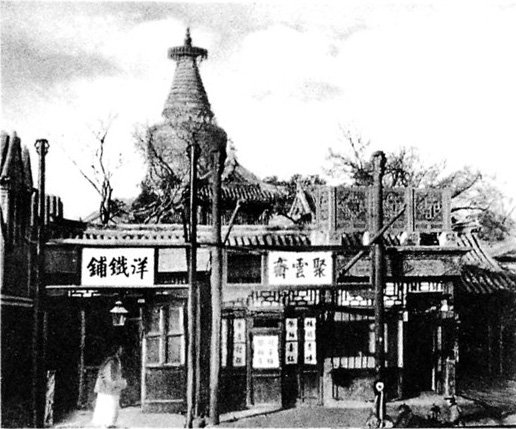
Miaoying Temple’s origins trace back to the Yuan Dynasty, when Kublai Khan commissioned the temple to symbolize the religious and political unity of his new capital, Dadu (present-day Beijing). Built atop the site of an earlier Liao Dynasty pagoda, the temple’s construction began in 1271 and was completed in 1279. The White Stupa, designed by Araniko from Nepal, became a symbol of the Yuan court’s embrace of Tibetan Buddhism and cosmopolitan values (Wikipedia; Kathmandu Post; China Daily).
Dynastic Transformations
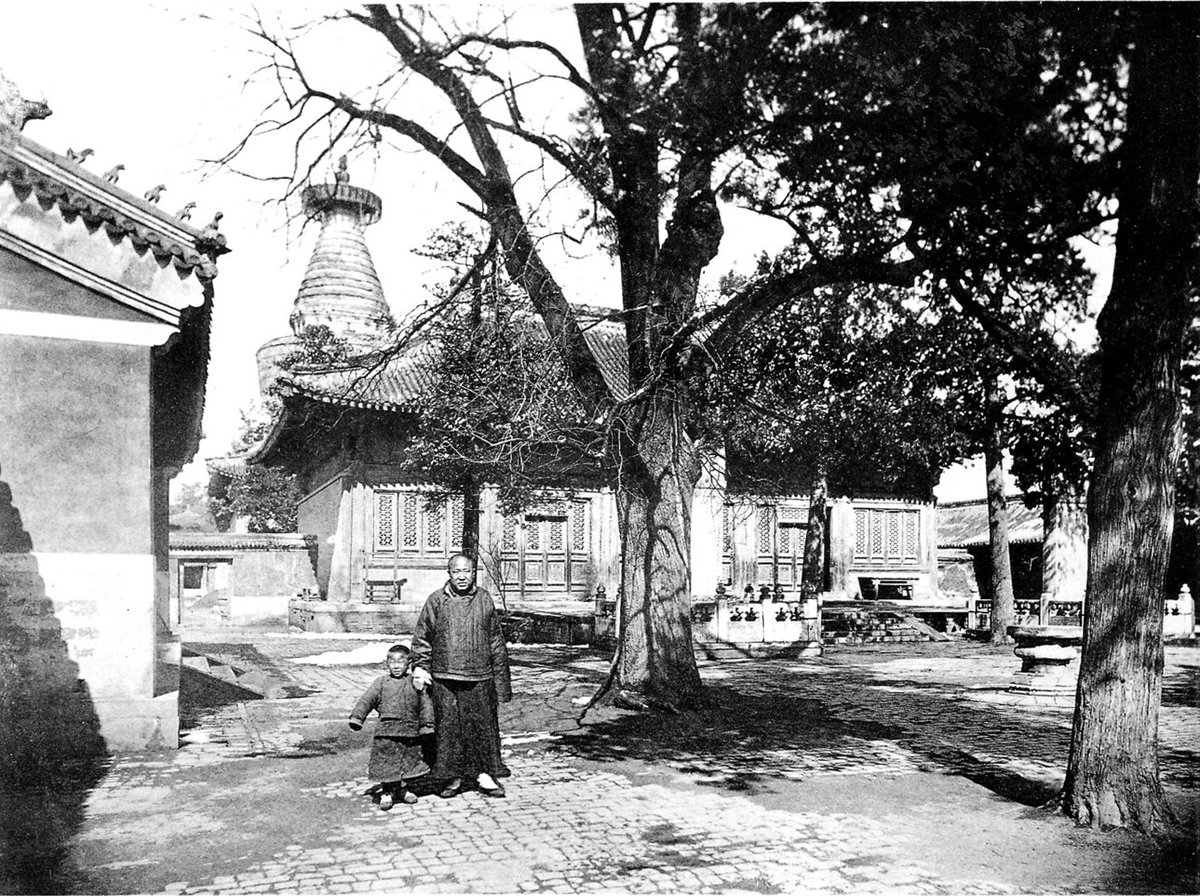
During the Ming and Qing dynasties, the temple was renamed Miaoying Temple and underwent significant restorations. Its status as a major Buddhist center continued, despite periods of decline and social upheaval (Kathmandu Post; The Brain Chamber). In 1961, it was designated a national key cultural heritage site, and subsequent restoration efforts, especially after the 1976 Tangshan earthquake, preserved its unique architectural and spiritual legacy (Ruqin Travel; China Daily).
Architectural Highlights and Symbolism
The White Stupa
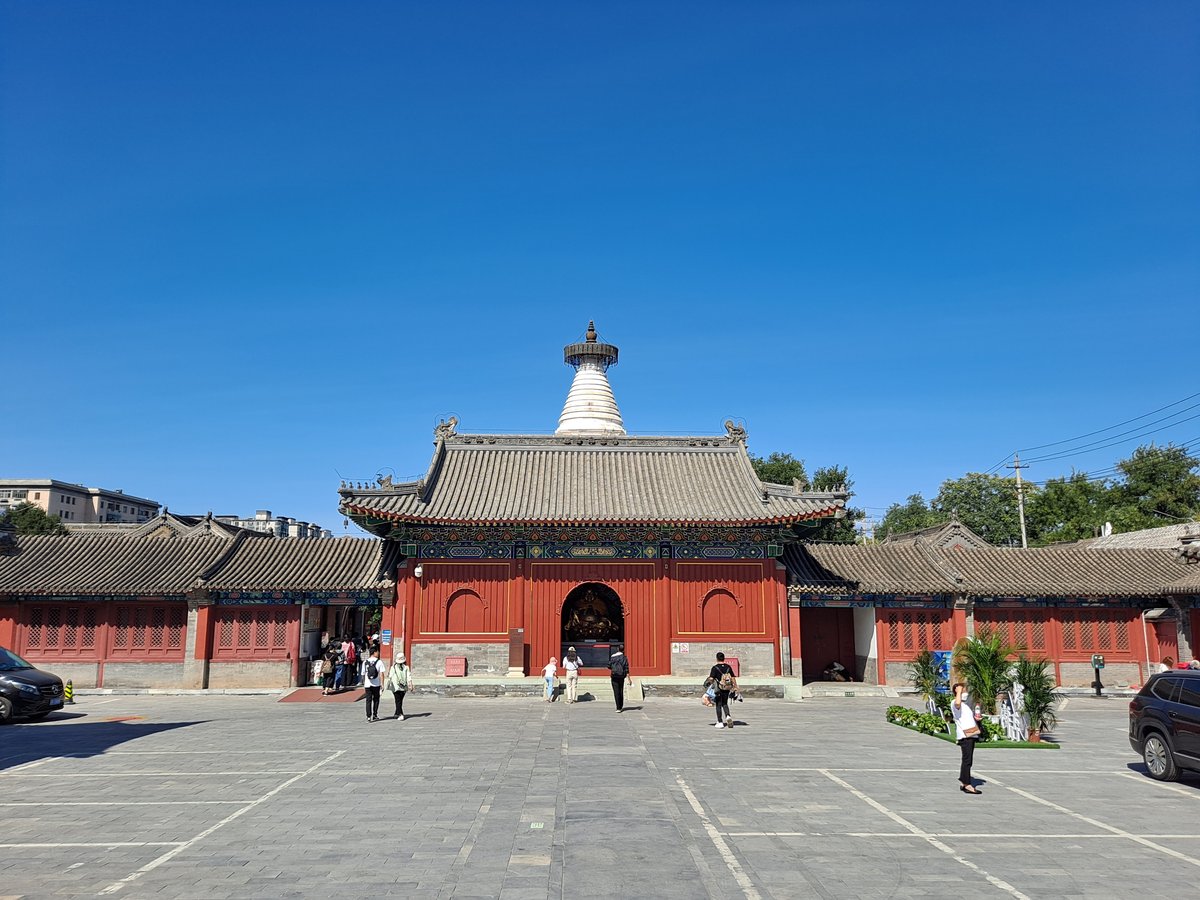
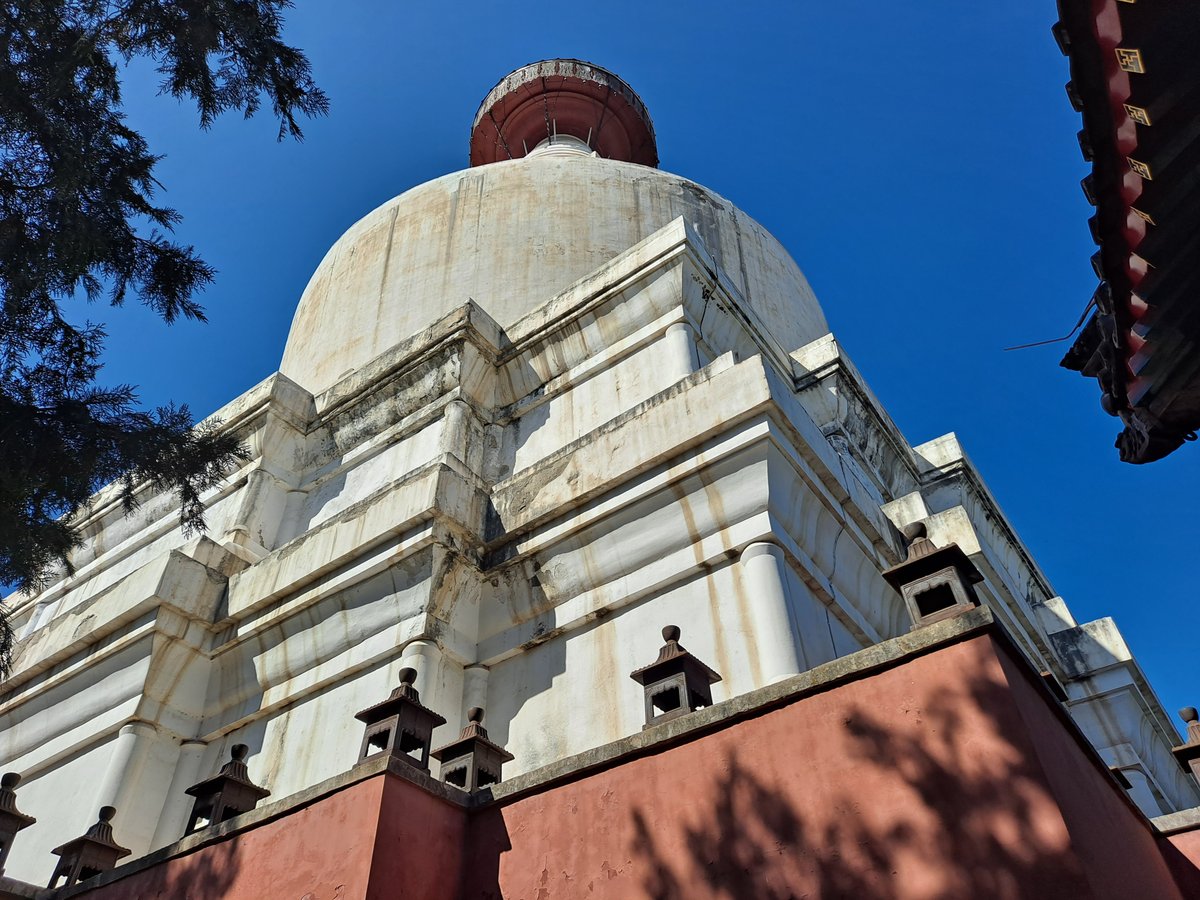
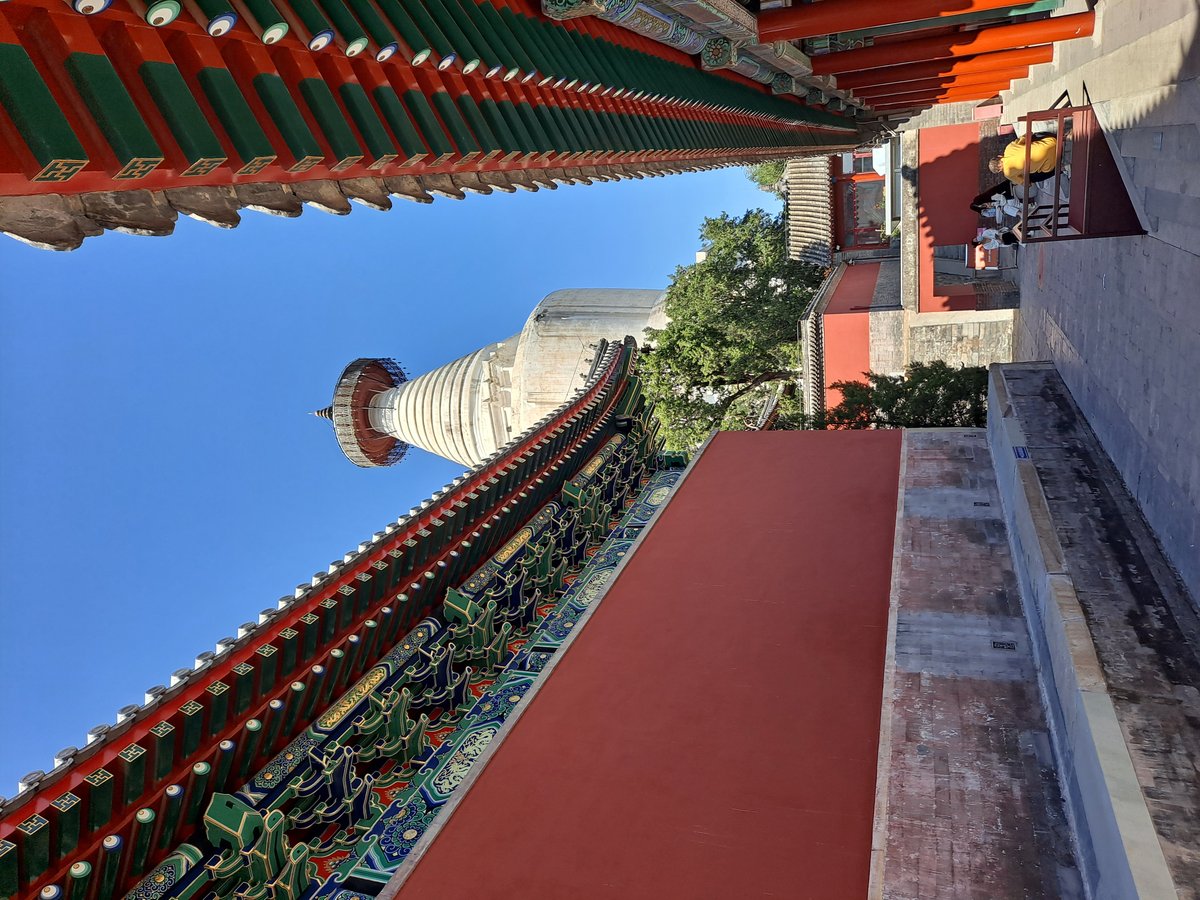
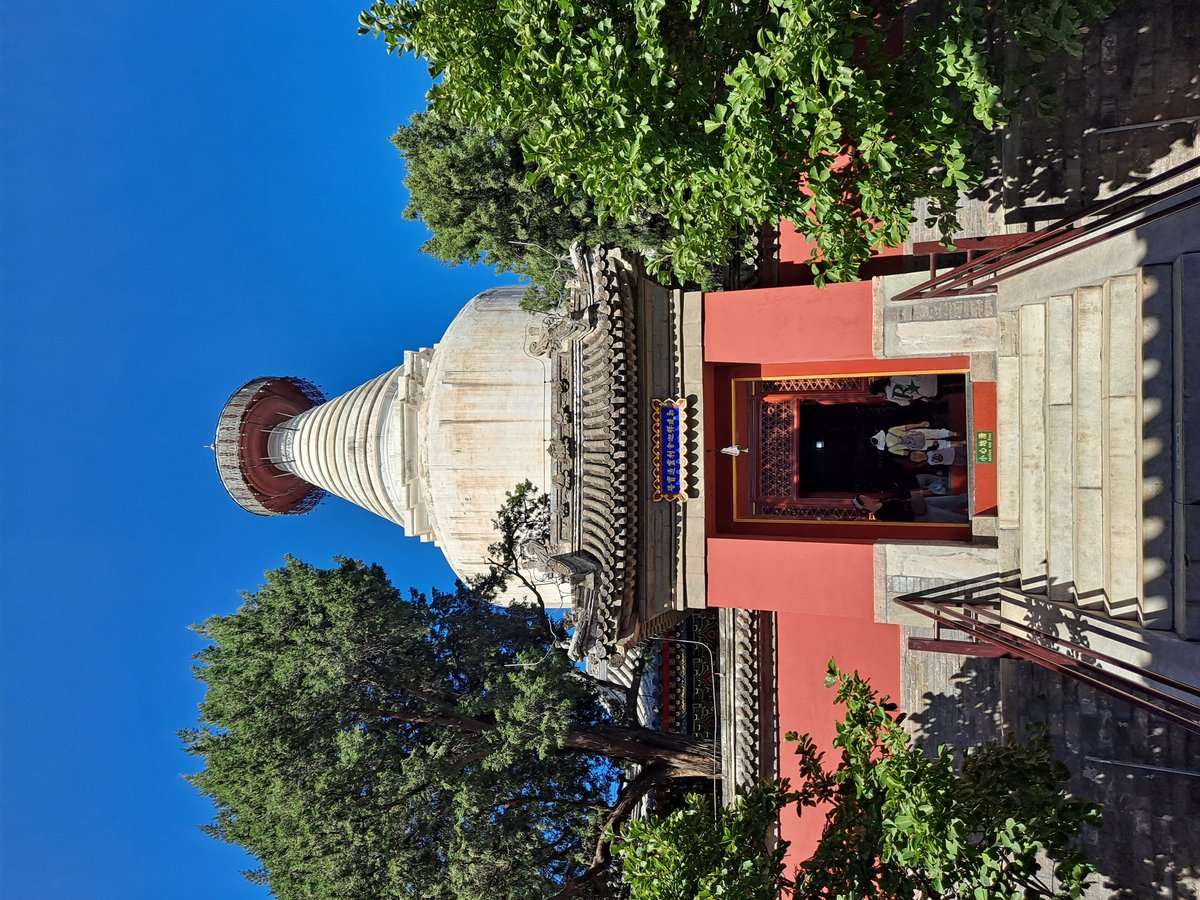
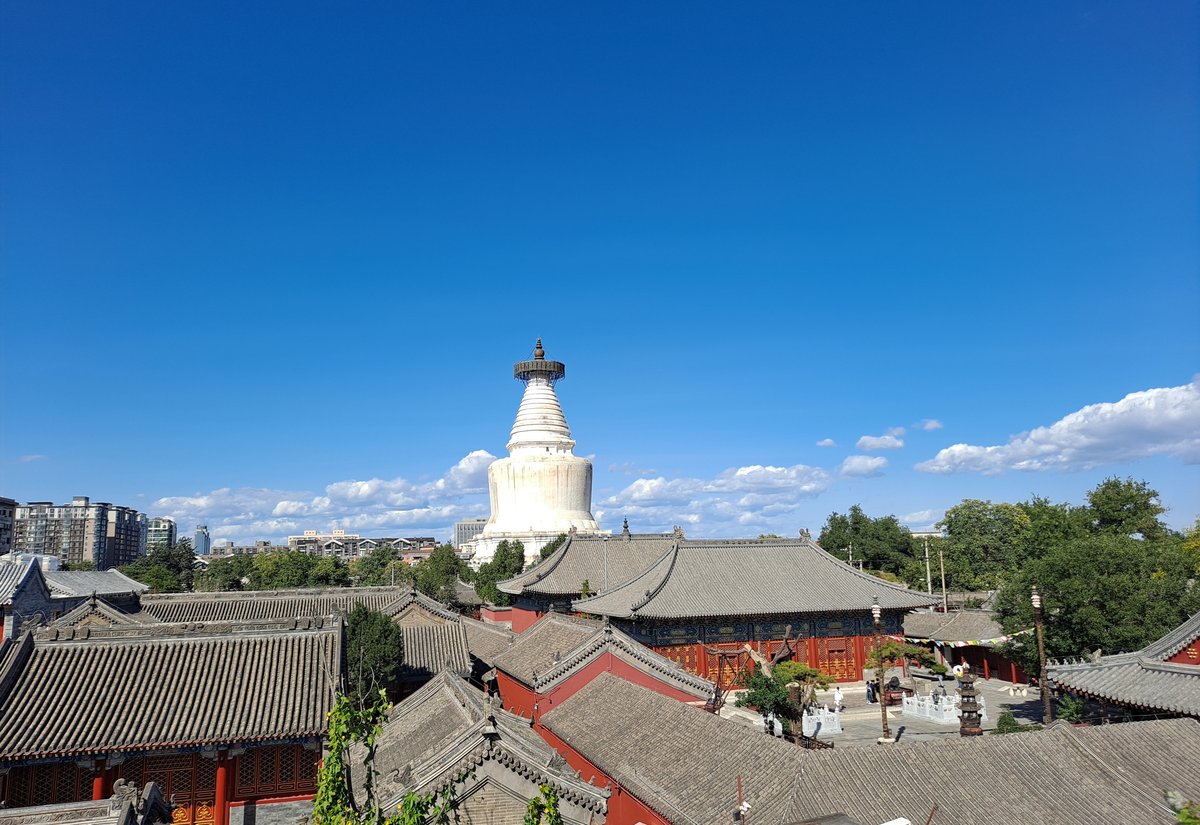
The temple’s defining feature is the White Stupa—a 51-meter-high, inverted-bowl structure on a three-tiered base. Its design draws from Tibetan and Nepalese Buddhist traditions, with the square base symbolizing Mount Sumeru, the inverted bowl representing the universe, and the gilded bronze finial atop a lotus throne marking the stages of enlightenment (The Nepal Weekly; China Daily; The Brain Chamber). The choice of white marble signifies purity, and the stupa remains a prominent feature amid Beijing’s skyline.
Main Halls and Layout
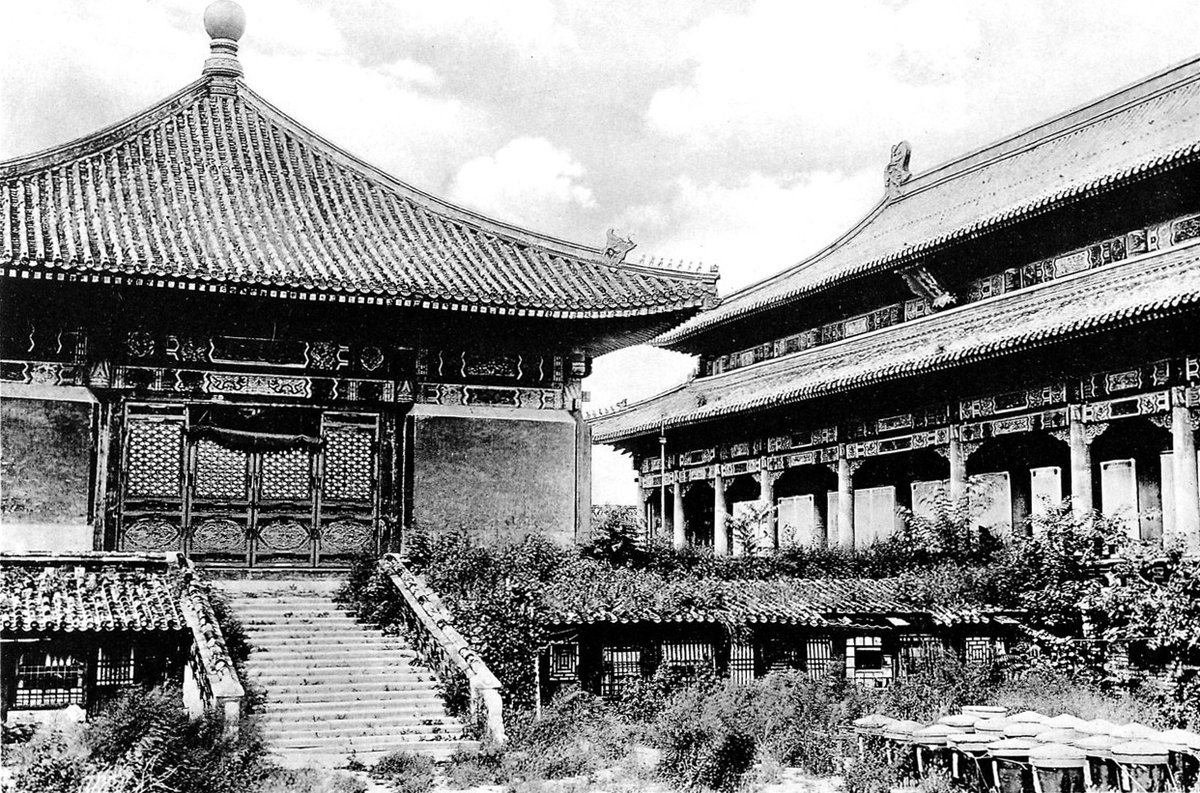
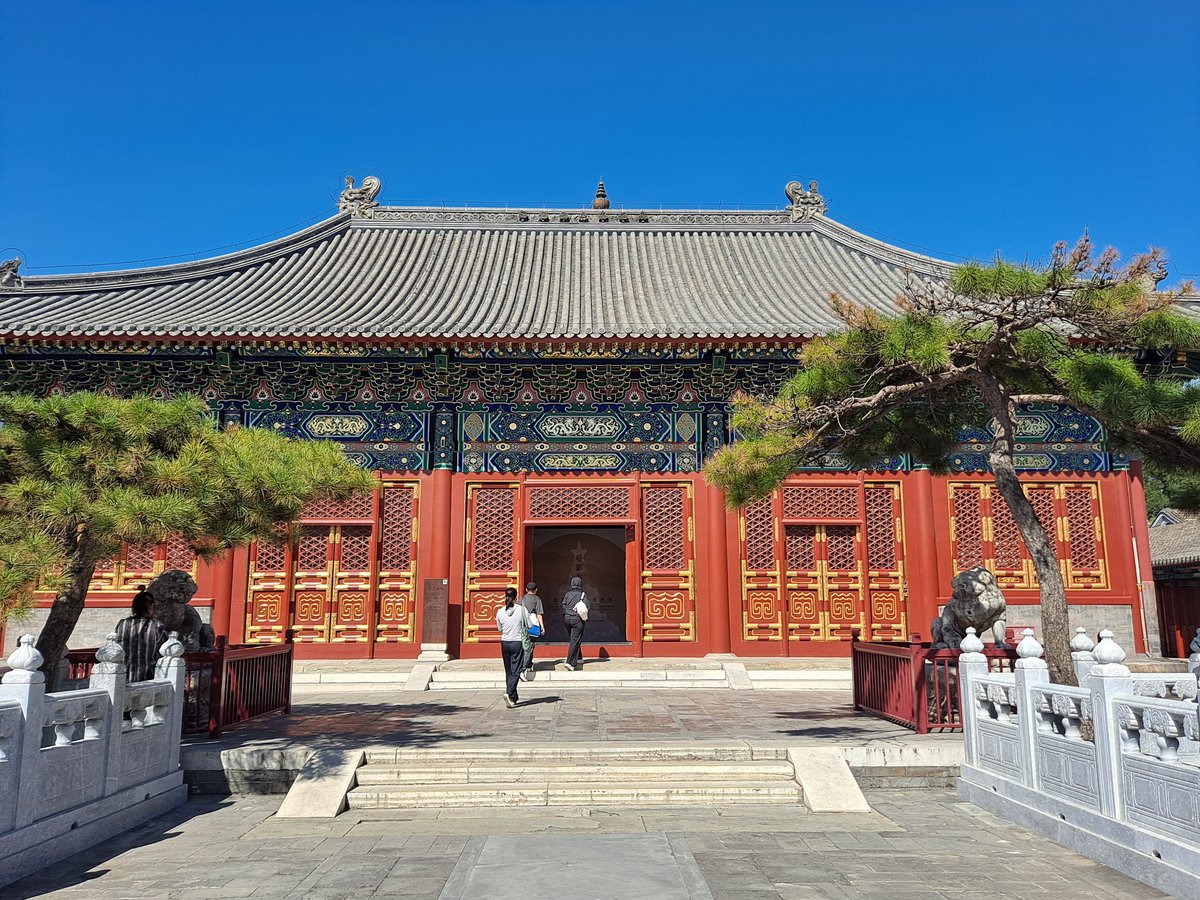
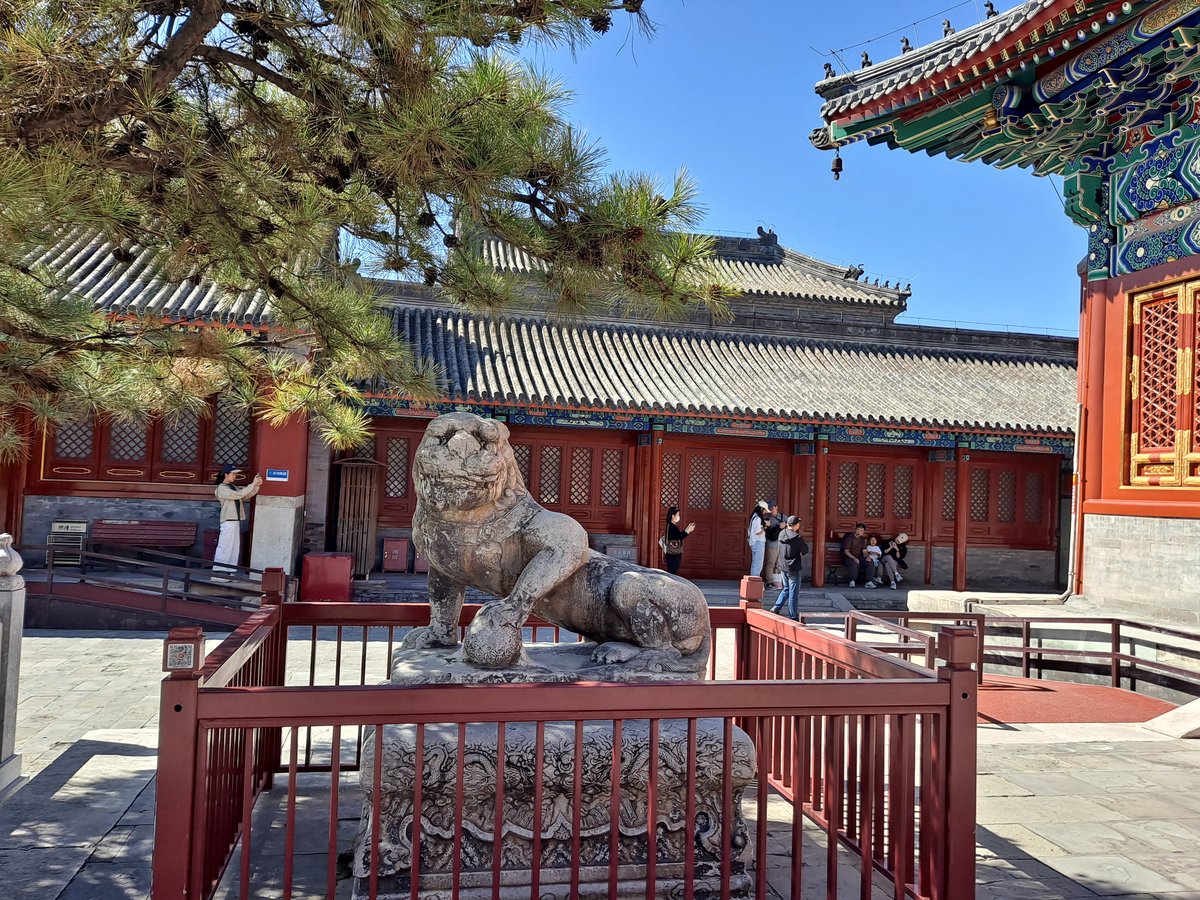
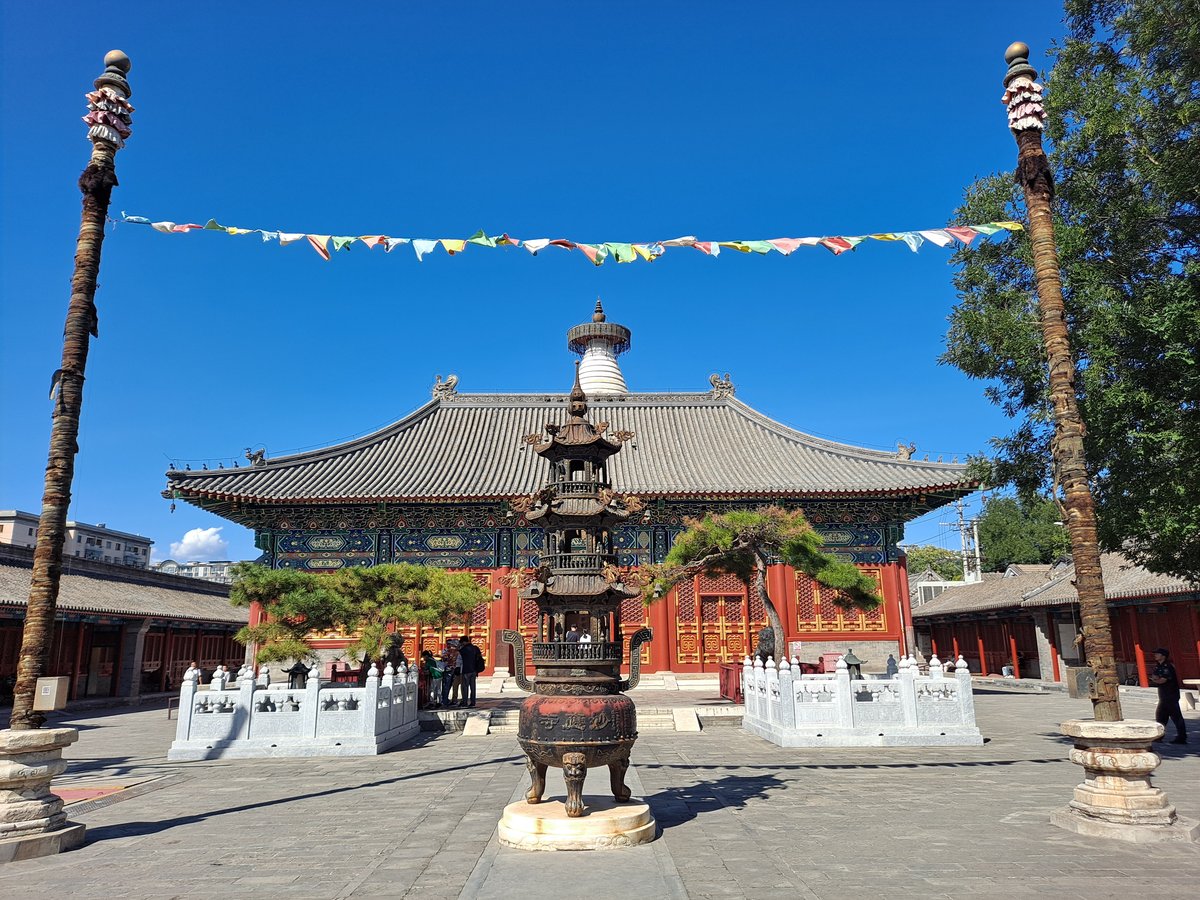
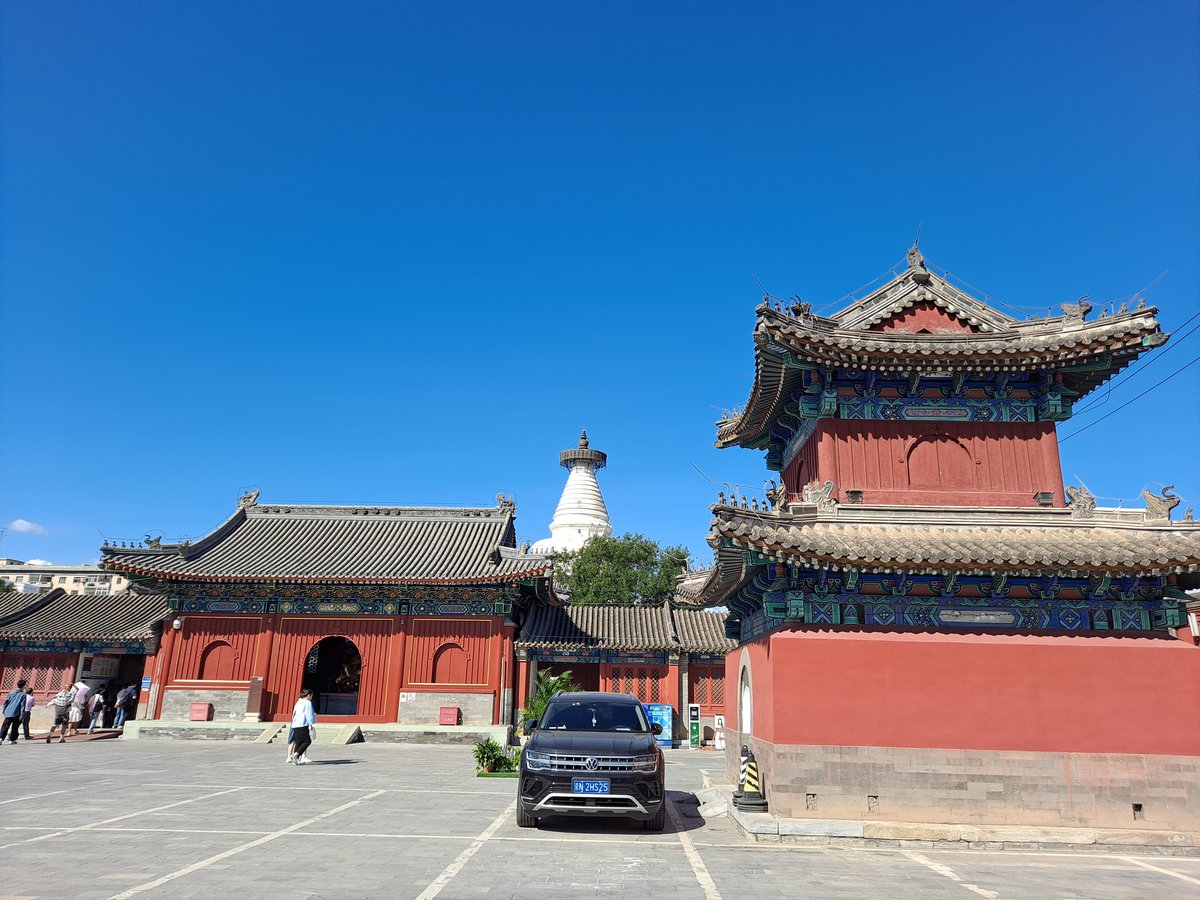
The temple complex follows a traditional north-south axis, with the Gate, Bell and Drum Towers, Hall of Heavenly Kings, Buddhas of Three Ages Hall, and Tower Courtyard symmetrically arranged. Notable architectural details include grey bricks, white marble, glazed tile roofs, dougong brackets, and intricate wooden carvings (r.visitbeijing.com.cn; China Beijing Private Tour).
Decorative Elements
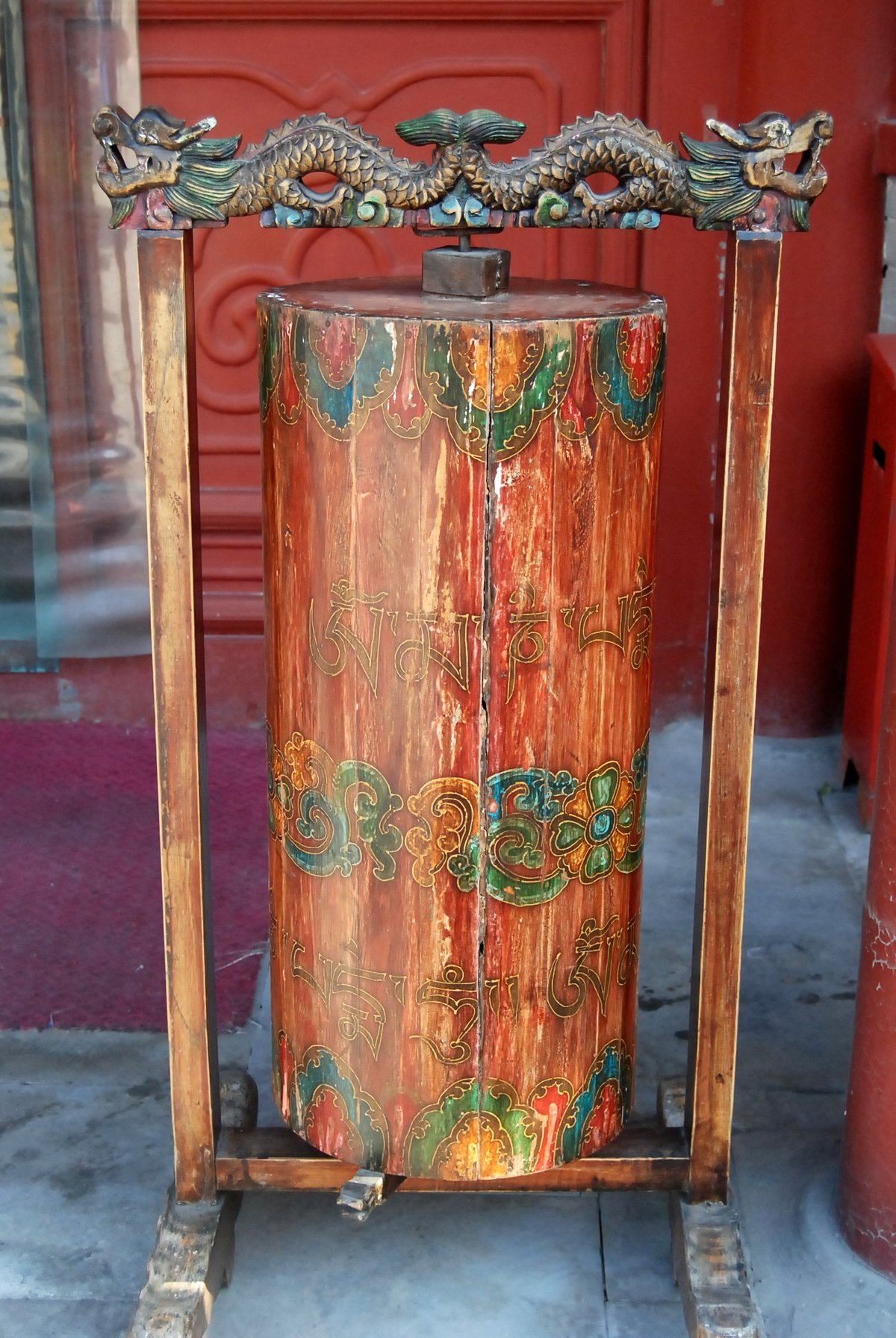
Richly decorated elements include lotus petal carvings, painted beams, and protective ridge beasts. The temple’s interiors feature original Ming and Yuan-era statues, murals, and wooden sculptures.
Religious and Cultural Role
Miaoying Temple was historically central to the practice and spread of Tibetan Buddhism in China, serving as a Gelug sect monastery and scholarly hub. It facilitated exchanges between Tibetan, Mongol, and Han communities, reinforcing the Yuan rulers’ religious policies (The Brain Chamber; Ruqin Travel). Today, the temple continues to host Buddhist ceremonies during major festivals, attracting devotees and visitors from around the world.
Modern Preservation and Visitor Experience
Following its designation as a protected cultural site, Miaoying Temple underwent extensive restorations, especially after the 1976 earthquake. In recent years, urban regeneration projects have revitalized the surrounding hutongs and established new cultural venues such as the White Pagoda Art Center (beijing.gov.cn). The White Stupa is illuminated at night on weekends and holidays, creating a stunning visual highlight in the Xicheng District skyline.
Visitor Information: Miaoying Temple Visiting Hours, Tickets, and Access
Opening Hours
- Standard Hours Daily from 9:00 AM to 4:30 PM (last admission at 4:00 PM)
- Note Hours may vary during public holidays or special events.
Ticket Information
- Admission Fee 20 RMB per adult; discounts for students, seniors, and children.
- Free Entry First 200 visitors every Wednesday.
- Where to Buy Tickets are available at the entrance and via official online platforms. Bring your passport or ID for verification (chinadragontours.com; Hey Roseanne).
Accessibility
- Mobility The main grounds are paved and mostly flat, but some areas near the stupa have steps and uneven surfaces. Wheelchairs are available upon request; assistance is recommended for full access.
- Restrooms Basic facilities available; bring tissue paper.
Getting There
- Subway Fuchengmen Station (Line 2), then a short walk to the temple.
- Bus Several city buses serve the area.
- Taxi/Ride-hailing Didi and taxis are readily available.
- On Foot Enjoy a scenic walk through nearby hutongs from Beihai Park or the Bell and Drum Towers (Hey Roseanne; Bucket List Travels).
Travel Tips and Etiquette
- Best Times Visit early morning or late afternoon for fewer crowds and better lighting.
- Dress Code Wear modest attire covering shoulders and knees.
- Behavior Speak quietly, remove hats/sunglasses indoors, and avoid touching artifacts.
- Photography Allowed in outdoor areas; refrain from shooting inside halls out of respect.
- Language Most signage is in Chinese; English-speaking guides are rare. Consider using translation apps or hiring a private guide (Bucket List Travels).
Nearby Attractions
- Lama Temple (Yonghegong) Another major Tibetan Buddhist site.
- Confucius Temple and Imperial College Explore Beijing’s scholarly heritage.
- Local Hutongs Experience traditional Beijing life and cuisine.
- Beijing Zoo, Summer Palace Ideal for extended cultural itineraries (Wide World Trips).
Special Events and Community Life
Miaoying Temple is active during Buddhist festivals such as Vesak and Ullambana. The temple also hosts cultural events, including art exhibitions and photography sessions, in collaboration with local art centers (beijing.gov.cn). The site’s illumination from 7:00 PM to 9:00 PM on weekends transforms it into a nighttime landmark.
Frequently Asked Questions (FAQ)
Q: What are Miaoying Temple’s visiting hours?
A: Daily from 9:00 AM to 4:30 PM; last entry at 4:00 PM.
Q: How much are tickets to Miaoying Temple?
A: 20 RMB per adult; discounts available. Free for the first 200 visitors each Wednesday.
Q: Is the temple wheelchair accessible?
A: Main areas are accessible but some steps remain; assistance is recommended.
Q: Can I take photos inside the temple?
A: Photography is allowed in open areas; please respect restrictions inside halls.
Q: Are guided tours available?
A: English-language guides are rare onsite; private guides or translation apps are recommended.
Q: How do I reach the temple?
A: Take subway Line 2 to Fuchengmen Station or use buses/taxis.
Q: What else can I visit nearby?
A: Lama Temple, Confucius Temple, traditional hutongs, and several parks.
Plan Your Visit
Miaoying Temple offers a peaceful escape and a window into Beijing’s diverse religious history. Plan your half-day visit to include the temple, nearby hutongs, and perhaps a stop at the Lama Temple. For updated information and curated guides, download the Audiala app or visit the official Miaoying Temple website.
Sample Itinerary:
- Morning: Arrive early, tour the White Stupa and main halls.
- Midday: Explore the surrounding hutongs for local snacks and tea houses.
- Afternoon: Walk or take public transport to the Lama Temple or Beihai Park.
Explore More Beijing Historical Sites
Visit Lama Temple Guide
Interactive Map: Locate Miaoying Temple and Nearby Attractions
Summary
Miaoying Temple’s White Stupa is a living symbol of Beijing’s religious diversity, imperial history, and architectural innovation. Its accessible location, affordable tickets, and serene ambiance make it a must-visit for anyone exploring Beijing’s heritage. Whether you’re seeking spiritual insight or architectural beauty, Miaoying Temple is a cornerstone of the city’s historic landscape.
For further details, check official resources and travel platforms for real-time updates. Download the Audiala app for exclusive content, guided tours, and travel assistance.