Plan and listen to Mausoleum Of Mao Zedong with Audiala.
Audio guide in your pocket, itinerary in your browser. Built for the way you actually visit.
Introduction: The Mausoleum’s Historical and Cultural Significance
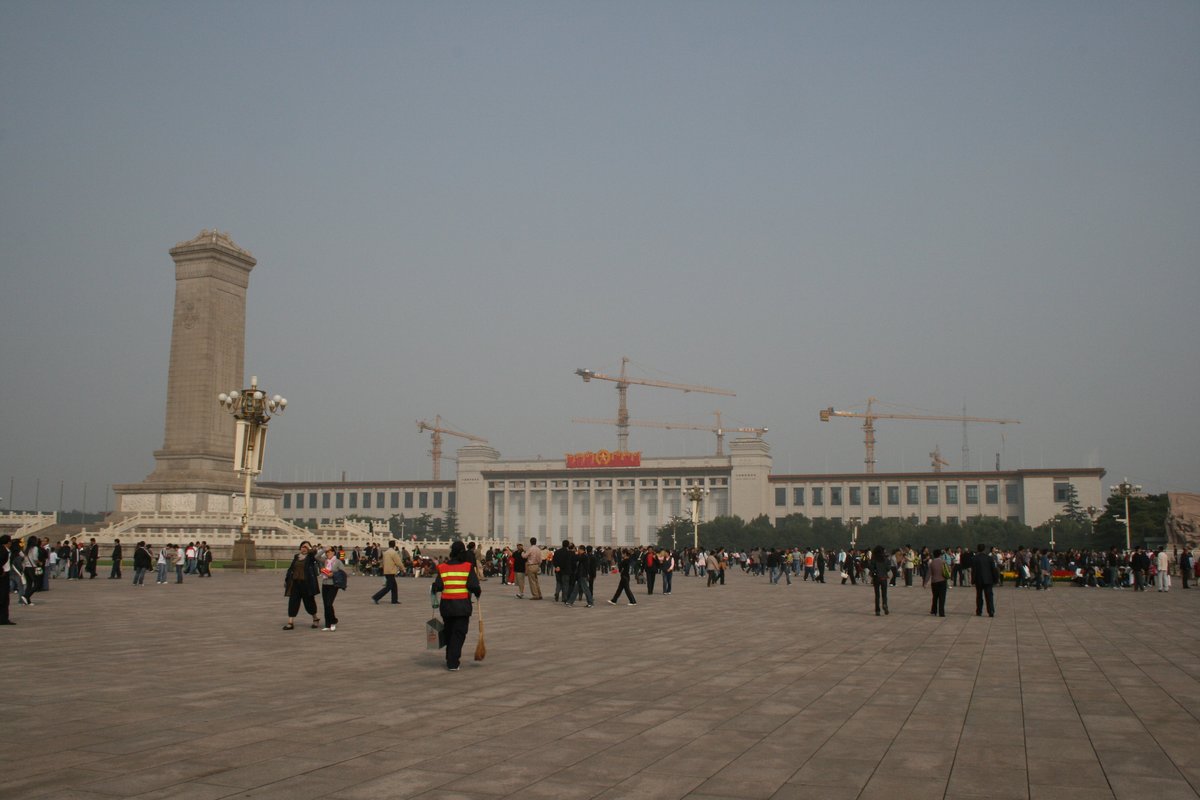
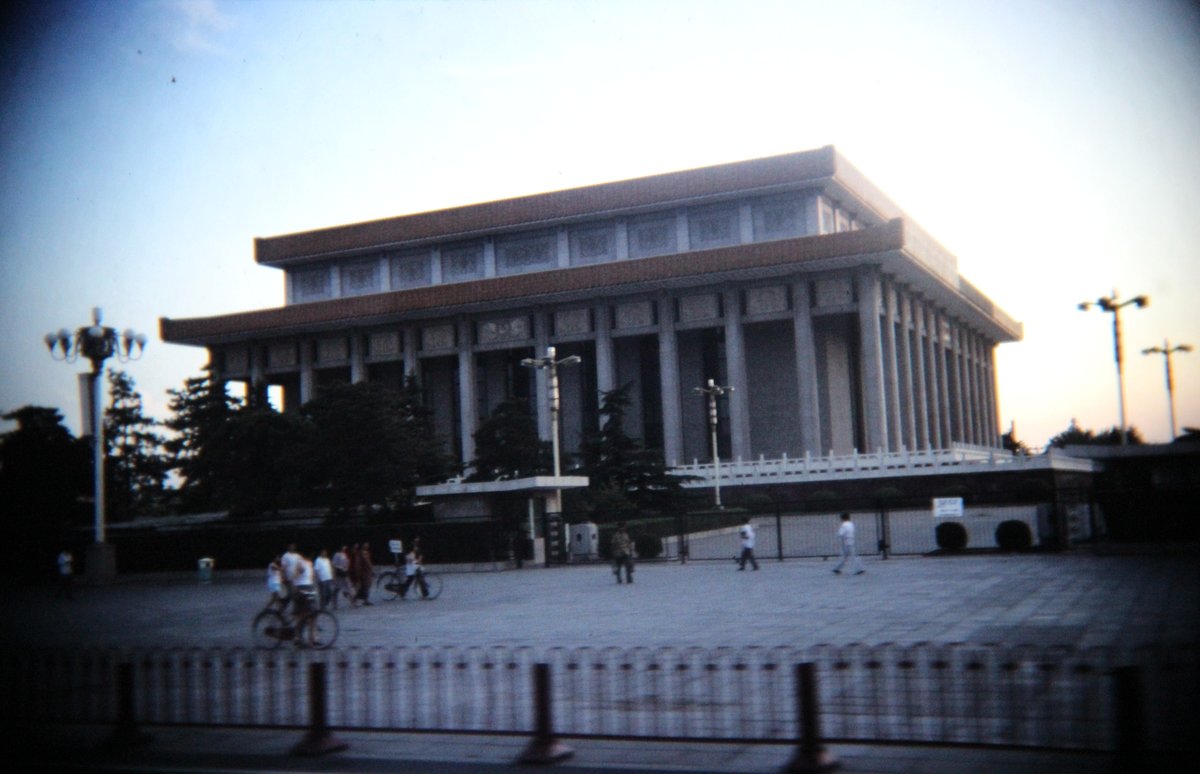
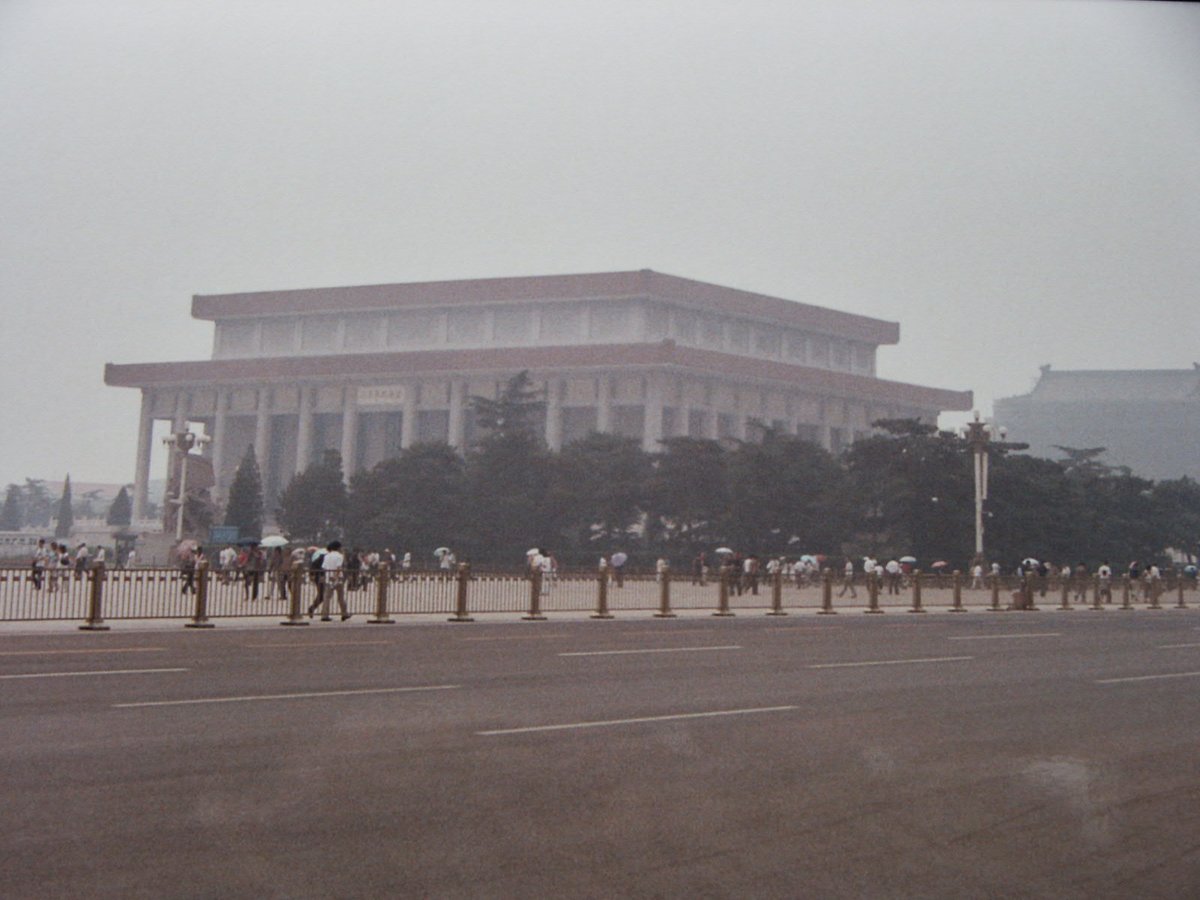
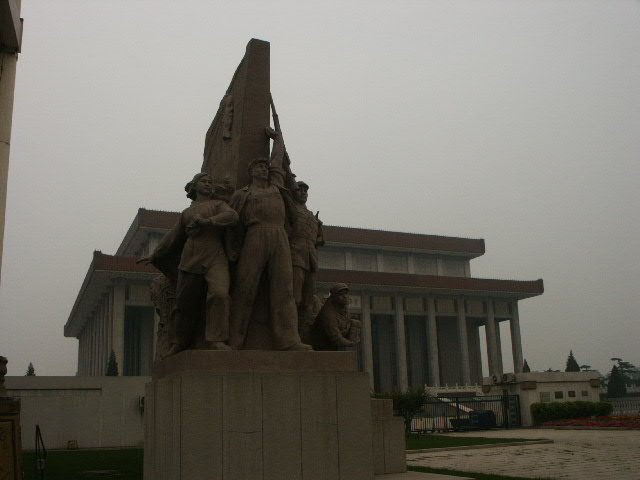
The Mausoleum of Mao Zedong, also known as the Chairman Mao Memorial Hall (毛主席纪念堂), is a monumental landmark at the heart of Beijing’s Tiananmen Square. Built rapidly after Mao’s death in 1976, it serves both as a site of pilgrimage for millions and as a profound emblem of China’s revolutionary heritage. It stands on the historic grounds of the former Gate of China and integrates traditional Chinese architectural motifs with modern engineering, symbolizing reverence for the past alongside the Communist Party’s political narrative. Its proximity to other iconic sites, such as the Forbidden City and the National Museum of China, further cements its central role in Beijing’s historical and cultural landscape.
This guide provides detailed insights into the mausoleum’s history, architecture, and symbolism, as well as practical visitor information, etiquette, and recommendations for exploring nearby attractions. For the latest information, always consult official resources like Visit Beijing and China Daily.

Historical Background and Construction
The mausoleum was constructed on the former site of the Gate of China, a symbolic location at the southern entrance to the historic Imperial City (visitbeijing.com.cn). Construction began swiftly after Mao's passing on September 9, 1976, despite his own preference for cremation (morningsun.org). Over 700,000 workers from across China contributed to its completion, reflecting Mao’s far-reaching influence and the national importance attributed to this memorial. Hua Guofeng, Mao’s successor, played a key role in its planning, and the structure opened to the public in May 1977.
Architectural Features and Symbolism
Vision and Design Process
The mausoleum’s design reflects a blend of political urgency, traditional Chinese aesthetics, and engineering innovation. Xu Yinpei, chief architect from the Beijing Institute of Architectural Design, led the project under tight deadlines (China Daily). The Politburo chose Tiananmen Square as the site, reinforcing the intention to make Mao’s legacy central to China’s modern identity.
Structural Details
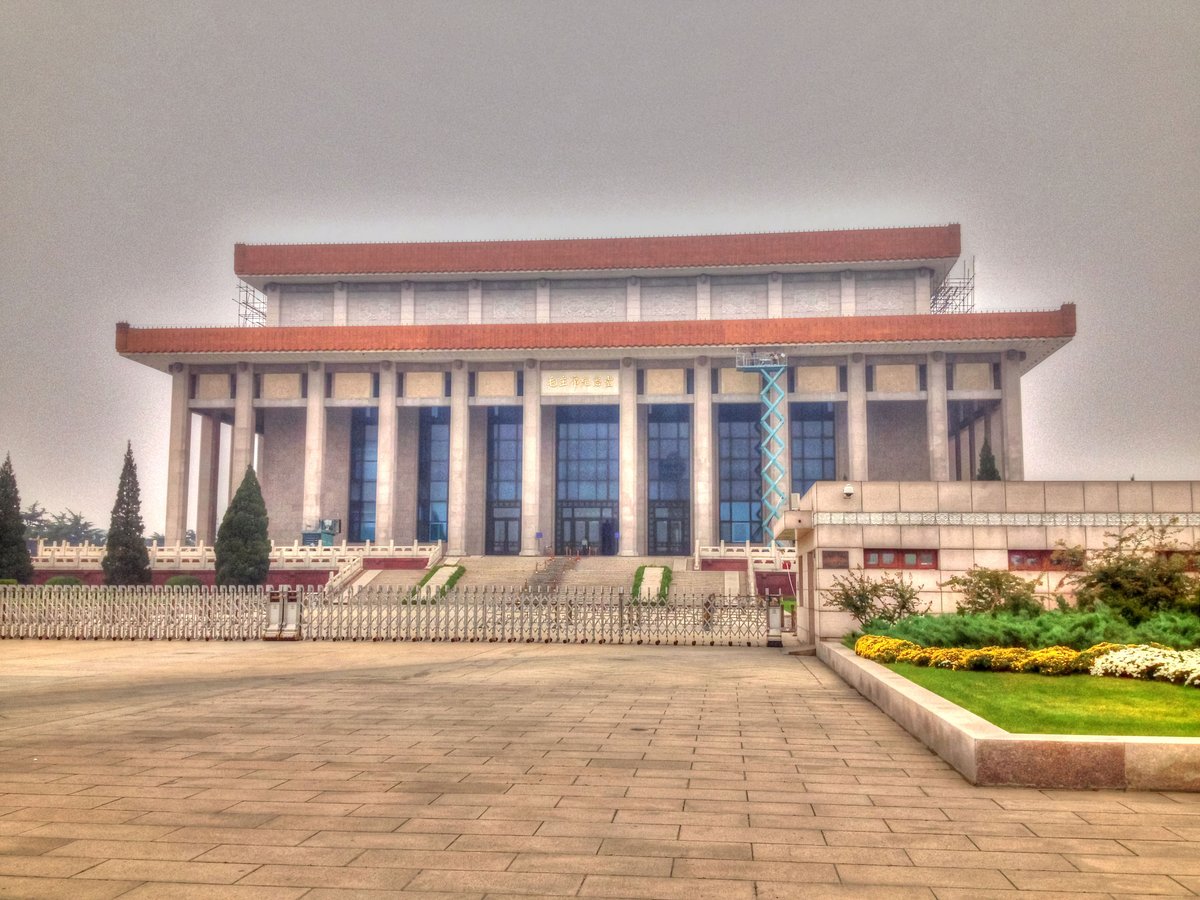
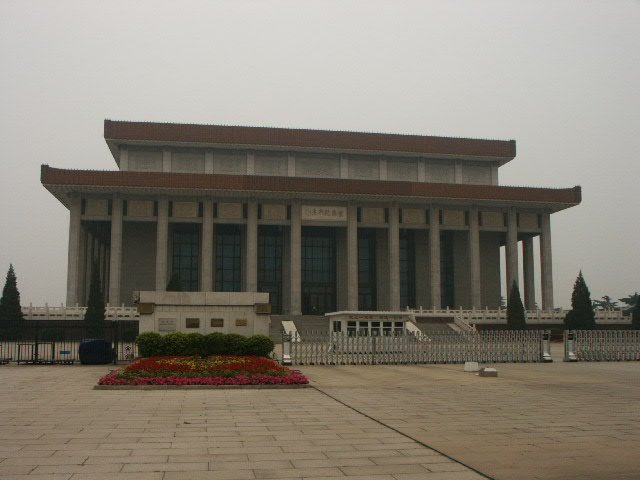
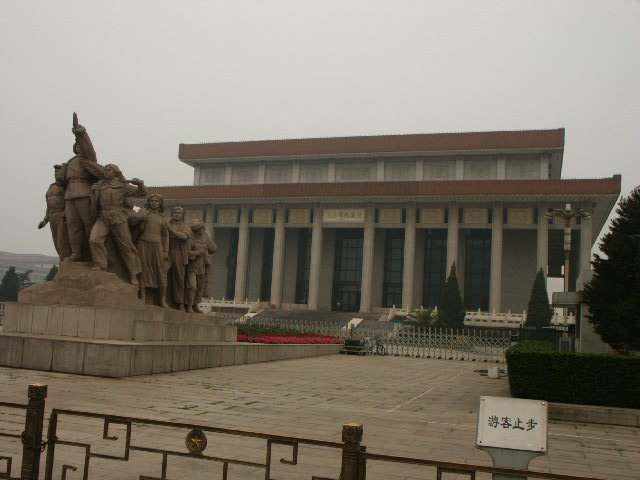
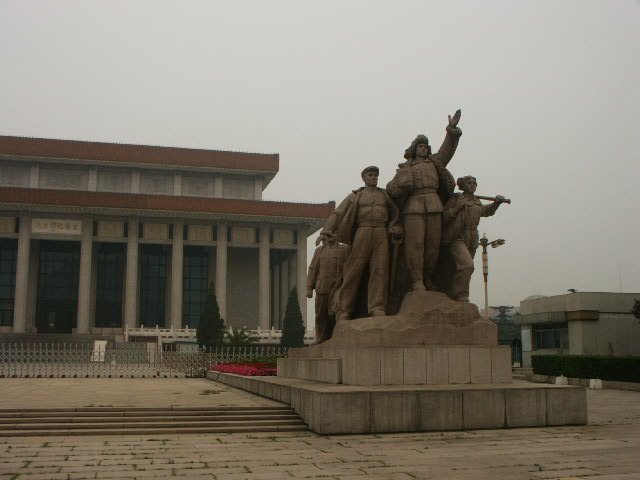
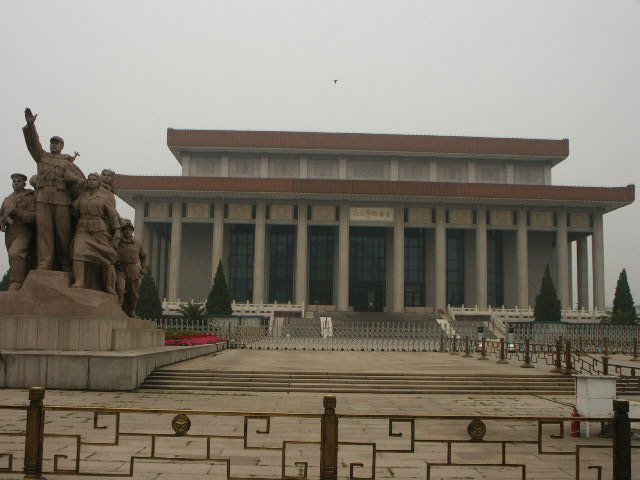
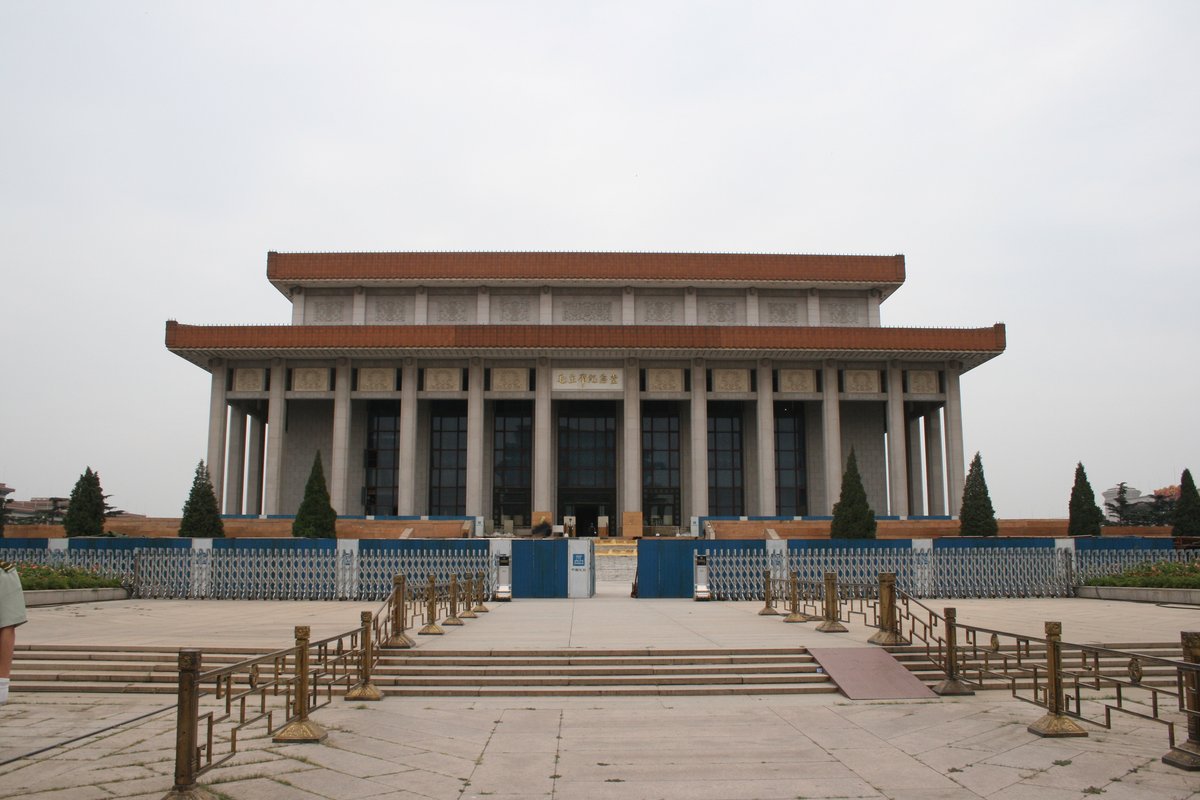
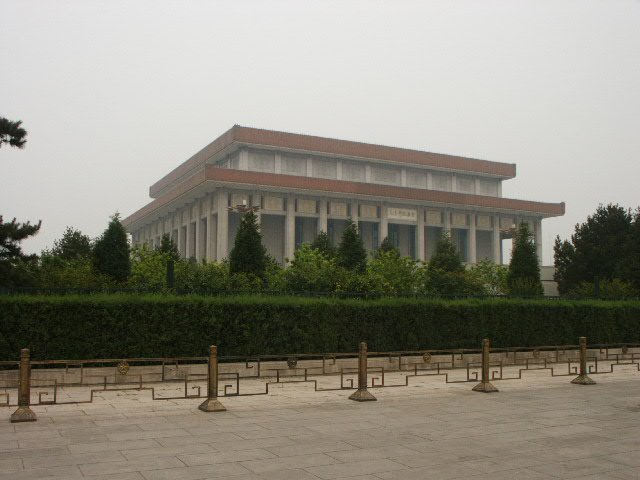
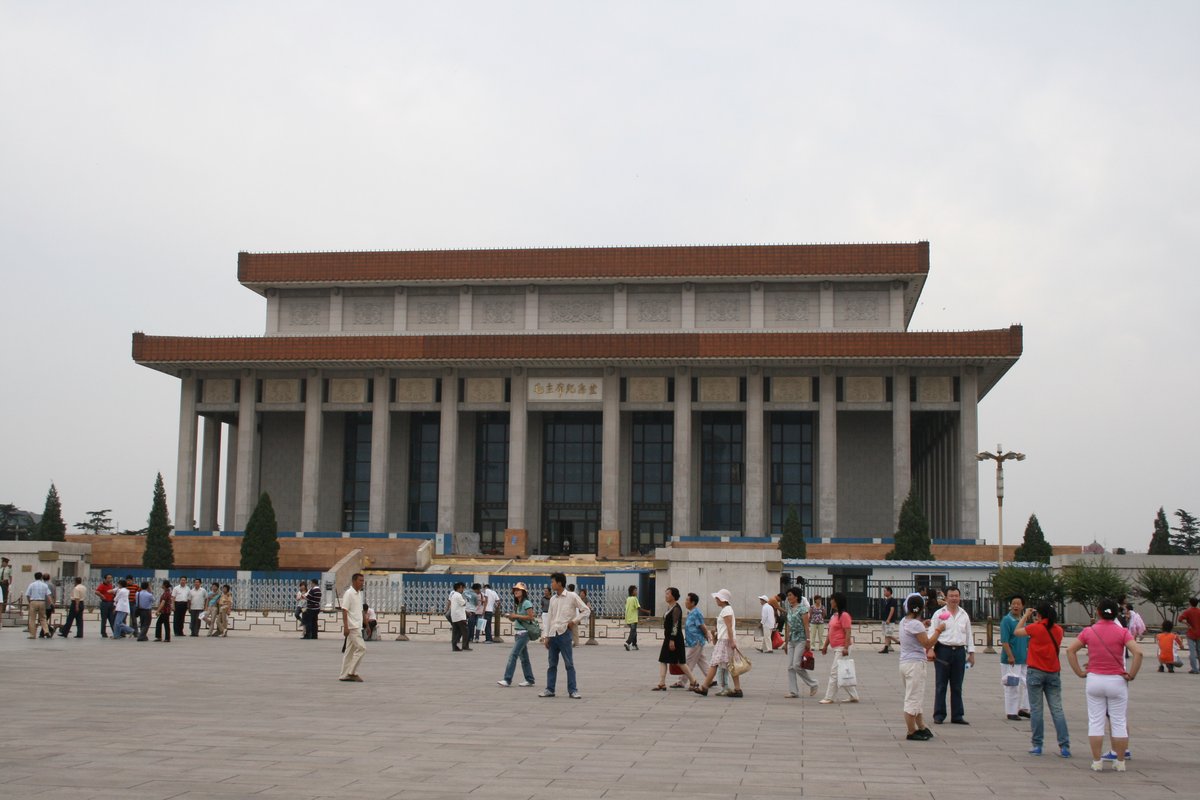
The main structure is a square hall supported by 44 granite pillars with a golden double-eave roof, rich in red and gold colors symbolizing reverence and national pride. The building avoids overt political slogans, instead focusing on solemnity and dignified design (China Daily; Young Pioneer Tours). Materials from across the nation—including camphorwood and stone from Mount Qomolangma (Everest)—symbolize unity.
Integration of Tradition and Innovation
While reminiscent of imperial tombs with its symmetry, scale, and double-eave roof, the mausoleum was purposely designed to be distinct from dynastic precedents, serving as a public memorial rather than a royal sepulcher (China Daily). Modern engineering solutions, such as advanced air-conditioning and humidity controls, were developed domestically to preserve Mao’s embalmed body—a technical achievement of the era.
Interior Symbolism
Inside, a massive marble statue of Mao sits in an armchair, with a mural of China’s landscapes as a backdrop. Mao’s body is displayed in a crystal sarcophagus, surrounded by fresh flowers. Side halls memorialize other revolutionary leaders, reinforcing the mausoleum’s role as an "Ancestral Hall of the Revolution" (morningsun.org).
Mao Zedong’s Death and National Mourning
Mao’s death in September 1976 ushered in a period of intense national mourning. Millions gathered in Tiananmen Square, and the event triggered significant political changes, including the arrest of the Gang of Four and the rise of Deng Xiaoping (chinesehistorydigest.com). The mausoleum soon became a focal point for collective remembrance and state-led commemoration.
Visiting Information: Hours, Tickets, and Security
Visiting Hours
- Tuesday to Sunday: 8:00 AM – 12:00 PM (last entry around 11:30 AM)
- Closed Mondays (except during special holidays or events)
- Hours may vary on state occasions—verify with official sites before visiting.
Tickets and Entry
- Admission: Free, but tickets must be obtained in person with valid ID (passport for foreigners, Chinese ID for locals).
- Reservations: Required during peak periods; book online or arrive early as tickets are limited and distributed first-come, first-served.
- ID: Required for all visitors.
Security Procedures
- Airport-style security checks: metal detectors, bag scans
- Prohibited items: large bags, cameras, recording devices, food, drinks
- Lockers available for a small fee near the entrance
- Conservative dress code enforced—no shorts, sleeveless tops, flip-flops, hats, or sunglasses inside
Cultural Etiquette and Visitor Experience
- Respectful attire and behavior: Modest clothing, silence inside the hall, hats removed
- No photography or videography inside the mausoleum
- Mobile phones must be silenced or turned off
- Floral tributes (chrysanthemums) can be purchased and offered at the statue of Mao
- Queueing: Expect long lines, especially during major holidays and anniversaries; early arrival is strongly advised
- Viewing time: Brief; visitors are guided along a set path and spend only a few minutes in the main chamber
Accessibility and Visitor Facilities
- Wheelchair accessible: Ramps and elevators available; notify staff if additional time or assistance is needed
- Restrooms: Available near the mausoleum, though not inside
- Baggage deposit: East of the National Museum, nominal fee
- Souvenir kiosks: Outside, selling flowers and Mao memorabilia
Nearby Attractions and Itinerary Planning
- Tiananmen Square: The symbolic heart of Beijing
- Forbidden City (Palace Museum): North of the square, a UNESCO World Heritage Site
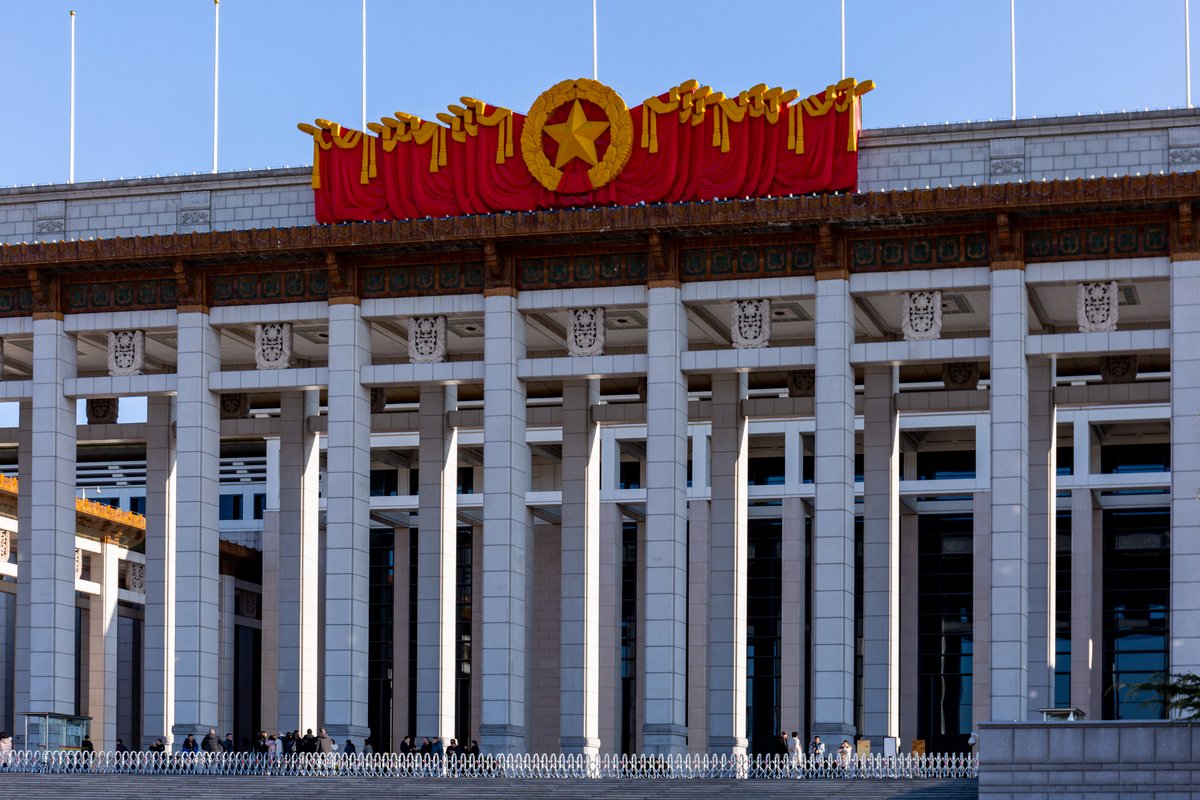
- National Museum of China: East side of the square
- Great Hall of the People: West side, seat of the legislature
- Zhongshan Park, Qianmen Street, Zhengyangmen Gate, Wangfujing Street, Liulichang Culture Street, Legation Quarter: All within walking distance
- Itinerary tip: Combine your mausoleum visit with a tour of these historic sites for a half-day or full-day exploration
The Mausoleum’s Role in National Memory
The mausoleum is a pilgrimage site for citizens and officials, playing a key role in maintaining the Communist Party’s legitimacy and shaping national memory (morningsun.org). Annual visits by Mao’s family and the surrounding landscape of monuments reinforce its centrality to modern Chinese identity.
Controversies and Restrictions
- Cremation wishes: Mao’s preference was ignored, fueling ongoing debate
- Authenticity: Rumors about the true identity of the embalmed body persist but remain unproven
- Access: Strict controls on visitor behavior and attire; certain individuals have faced restrictions in the past
- Commercialization: Souvenir sales near the exit reflect the ongoing commodification of Mao’s image
Frequently Asked Questions (FAQs)
Q: What are the mausoleum’s visiting hours?
A: Open Tuesday–Sunday, 8:00 AM–12:00 PM; closed Mondays. Check for changes during holidays.
Q: Are tickets required?
A: Yes, tickets are free but must be obtained with valid ID.
Q: Is photography allowed inside?
A: No, photography and videography are strictly prohibited.
Q: Is the mausoleum wheelchair accessible?
A: Yes, ramps and elevators are provided.
Q: Are guided tours available?
A: Yes, through authorized travel agencies or official tourism operators.
Q: What items are prohibited?
A: Bags, cameras, food, and drinks are not allowed inside; lockers are available.
Tips for Your Visit
- Arrive early, especially during peak periods or significant dates
- Dress conservatively and prepare for security checks
- Carry a valid passport or ID
- Store prohibited items in lockers before entry
- Maintain silence and respectful behavior
- Plan to visit multiple nearby historic sites for a richer experience
Listen to the full story in the app
The whole Mausoleum Of Mao Zedong,
told well.
Listen to sourced travel stories with local history and practical context — ready offline.
Verified, and shown.
Researched and written by the Audiala editorial team from historical records, architectural archives, and local expertise.
Built from cited sources · see the method · How we make our guides →