

Historical Background of Wanping Fortress
Early History and Construction
The construction of Wanping Fortress dates back to 1638 during the reign of Emperor Chongzhen, the last emperor of the Ming Dynasty. It was built as a strategic defense against peasant uprisings and Manchu invasions. The wall spans approximately 4.8 kilometers in circumference, with a height of about 12 meters and a thickness of 4 meters at the base. The fortress features two main gates: the East Gate (Dongmen) and the West Gate (Ximen), each equipped with a barbican for added defense (Britannica).
Strategic Importance
Wanping Fortress is strategically located near the Lugou Bridge (Marco Polo Bridge), a critical crossing over the Yongding River. This location was vital for controlling access to Beijing from the southwest. The fortress served as a military garrison to protect the capital from potential threats, continuing its role during the early Qing Dynasty (China Highlights).
The Marco Polo Bridge Incident
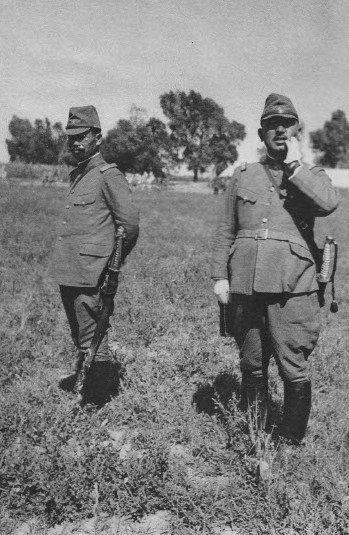
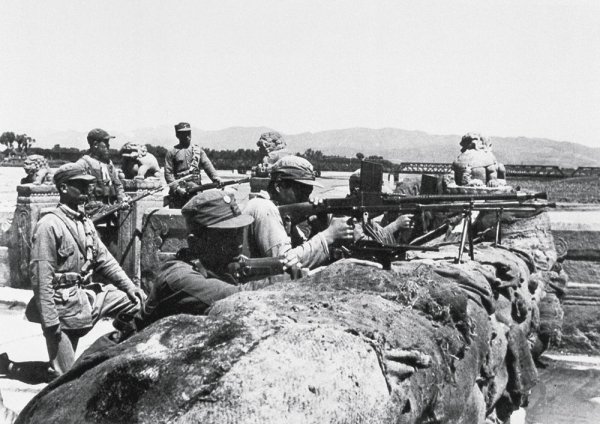
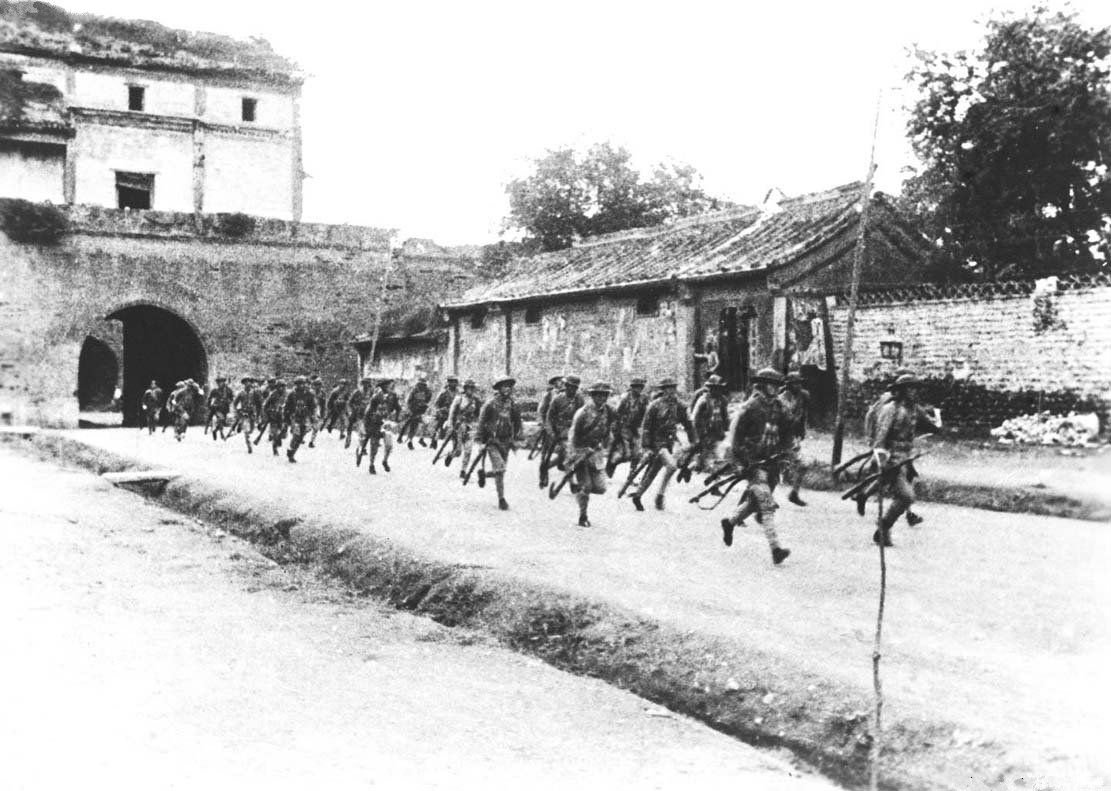
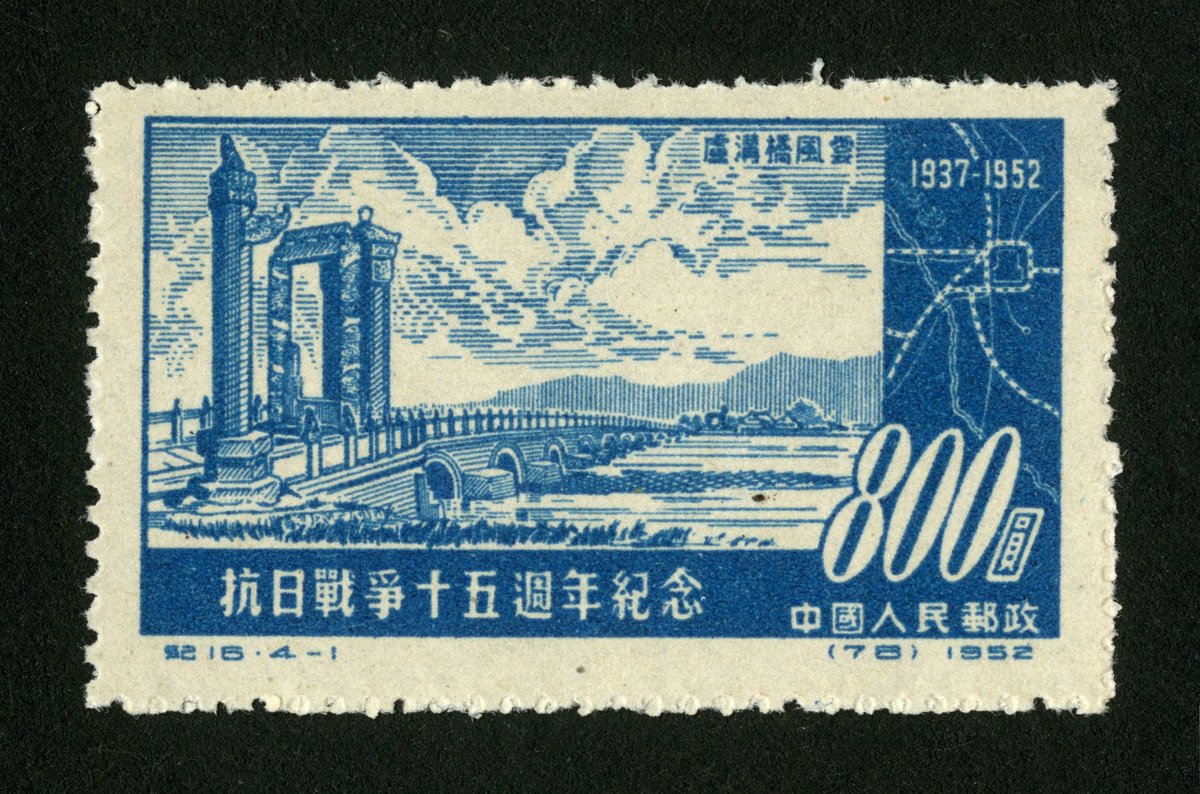
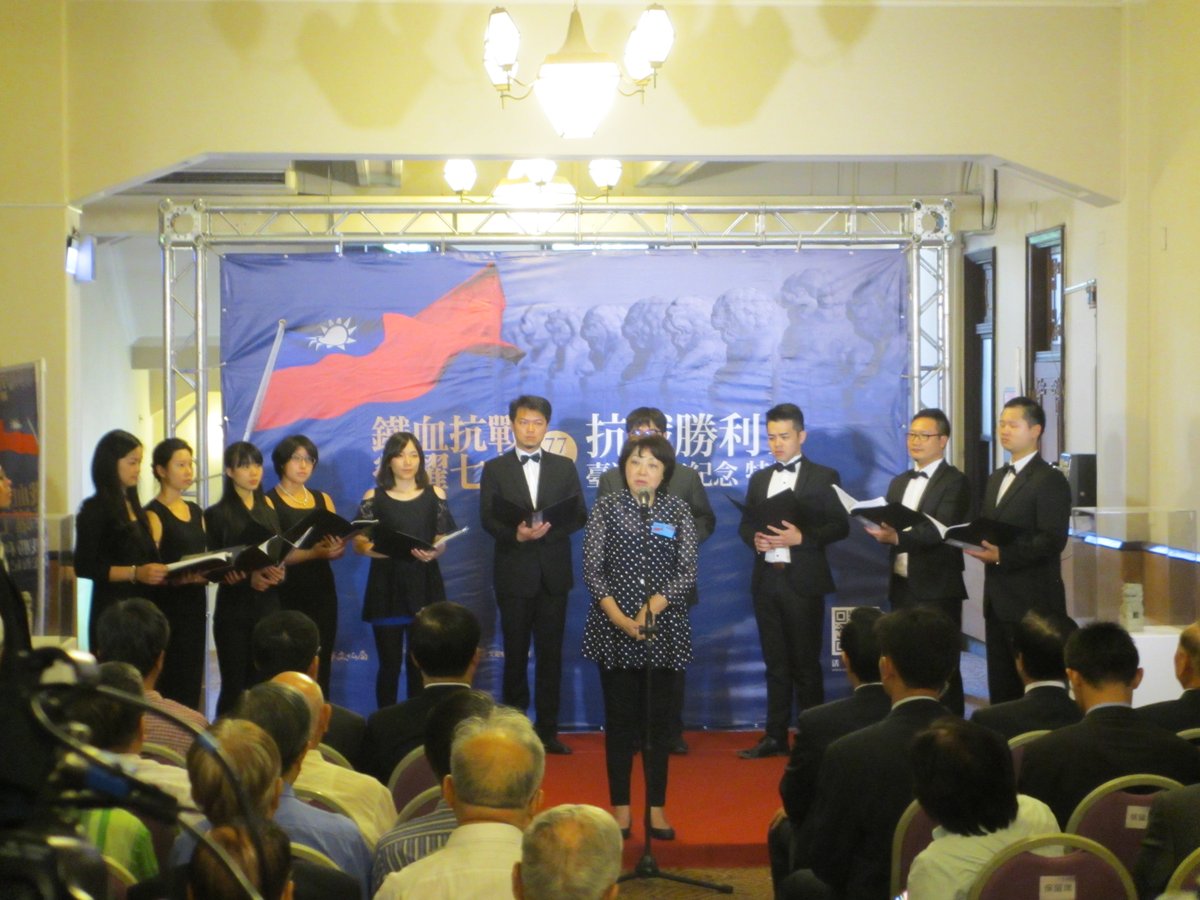
One of the most significant historical events associated with Wanping Fortress is the Marco Polo Bridge Incident, which occurred on July 7, 1937. This incident marked the beginning of the Second Sino-Japanese War. Japanese forces demanded entry into Wanping to search for a missing soldier, which the Chinese garrison refused. The ensuing skirmish escalated into a full-scale conflict, leading to the Japanese invasion of China. The incident is commemorated at the site with a museum and various memorials (Britannica).
Architectural Features
The architecture of Wanping Fortress is a testament to the military engineering of the Ming Dynasty. The walls are constructed with a combination of bricks and stones, designed to withstand artillery attacks. The fortress includes several watchtowers and battlements, providing vantage points for surveillance and defense. The East and West Gates are fortified with barbicans, which are secondary defensive structures that create a killing zone for attackers attempting to breach the gates (China Highlights).
Preservation and Restoration
Over the centuries, Wanping Fortress has undergone various phases of preservation and restoration. During the Qing Dynasty, the fortress continued to be maintained as a military outpost. In the modern era, efforts have been made to preserve the historical integrity of the site. The fortress is now a protected cultural heritage site, and restoration projects have been undertaken to repair and maintain the walls, gates, and other structures (Britannica).
Cultural Significance
Wanping Fortress holds immense cultural significance as a symbol of Chinese resilience and resistance. The Marco Polo Bridge Incident is a poignant reminder of the sacrifices made during the Second Sino-Japanese War. The fortress and its surrounding areas are now home to several museums and memorials dedicated to this period of history (China Highlights).
Visitor Information
Visiting Hours and Tickets
Wanping Fortress is open year-round, with varying hours depending on the season. Typically, the fortress opens at 8:00 AM and closes at 5:00 PM. It is advisable to check the official website or local sources for the most up-to-date hours. The entrance fee is usually around 20 RMB, but this can vary, so it's best to confirm before visiting.
Accessibility and Visitor Tips
Wanping Fortress is easily accessible from central Beijing. Visitors can take public transportation, including buses and taxis, to reach the site. It is advisable to visit during the spring or autumn months when the weather is mild. Comfortable walking shoes are recommended, as the site involves a fair amount of walking and climbing. Allocate sufficient time to fully explore the fortress and its surrounding attractions (China Highlights).
Special Events and Guided Tours
The fortress often hosts special events and guided tours that provide deeper insights into its historical significance. Check the official website or local tourist information centers for details on upcoming events. Guided tours are highly recommended for a comprehensive understanding of the site's history.
Photography Tips
Wanping Fortress offers numerous picturesque spots for photography. The watchtowers, battlements, and surrounding landscapes provide excellent backdrops. Early morning or late afternoon visits can yield the best lighting conditions for photography.
Nearby Attractions
Marco Polo Bridge (Lugou Qiao)
Adjacent to Wanping Fortress is the Marco Polo Bridge, an ancient stone bridge that spans the Yongding River. Built during the Jin Dynasty (1189-1192), the bridge is renowned for its unique architectural style and the numerous stone lions that line its sides. The bridge gained international fame due to the Marco Polo Bridge Incident, making it a significant historical landmark (EveryChinaTrip).
Wanping City Museum
Located within the fortress, the Wanping City Museum offers a comprehensive overview of the site's history, including exhibits on the Second Sino-Japanese War and the Marco Polo Bridge Incident. The museum houses a collection of artifacts, photographs, and documents that provide valuable insights into the historical events associated with the fortress (ChinaDiscovery).
Beijing Garden Expo Park
Located just a short distance from Wanping Fortress, the Beijing Garden Expo Park is a sprawling park that showcases various styles of traditional Chinese gardens. The park is an ideal place for a leisurely stroll and offers picturesque views, making it a perfect complement to a visit to the fortress (Nomadasaurus).
China Railway Museum
Another nearby attraction is the China Railway Museum, which is dedicated to the history and development of China's railway system. The museum features a vast collection of locomotives, carriages, and railway equipment, providing an interesting diversion for visitors interested in industrial history (CultureTrip).
FAQ Section
What are the visiting hours for Wanping Fortress?
Wanping Fortress is typically open from 8:00 AM to 5:00 PM, but it's best to check the official website for current hours.
How much are the tickets for Wanping Fortress?
The entrance fee is usually around 20 RMB, but prices can vary.
Is Wanping Fortress accessible for people with disabilities?
While the fortress involves some walking and climbing, certain areas may be accessible. It's advisable to contact the site for specific accessibility information.
Discover More
For more updates on historical sites in Beijing, follow us on social media or download our mobile app. Don't miss out on exploring more of Beijing's rich heritage and culture!

