Historical Significance
Regional and National Impact
Originally constructed as a gathering place for migrants from the Huguang region (modern Hubei and Hunan provinces), the Huguang Guild Hall became a vital social and economic support center. It provided a sense of community, facilitated business, and hosted cultural and social events for new arrivals in Beijing (China Daily; Visit Beijing).
The site’s national importance is underscored by its role in the founding of the Chinese Nationalist Party (Kuomintang) in 1912. The historic meeting led by Sun Yat-sen brought together revolutionary leaders and marked a turning point in modern Chinese politics (Wikipedia).
Architecture and Preservation
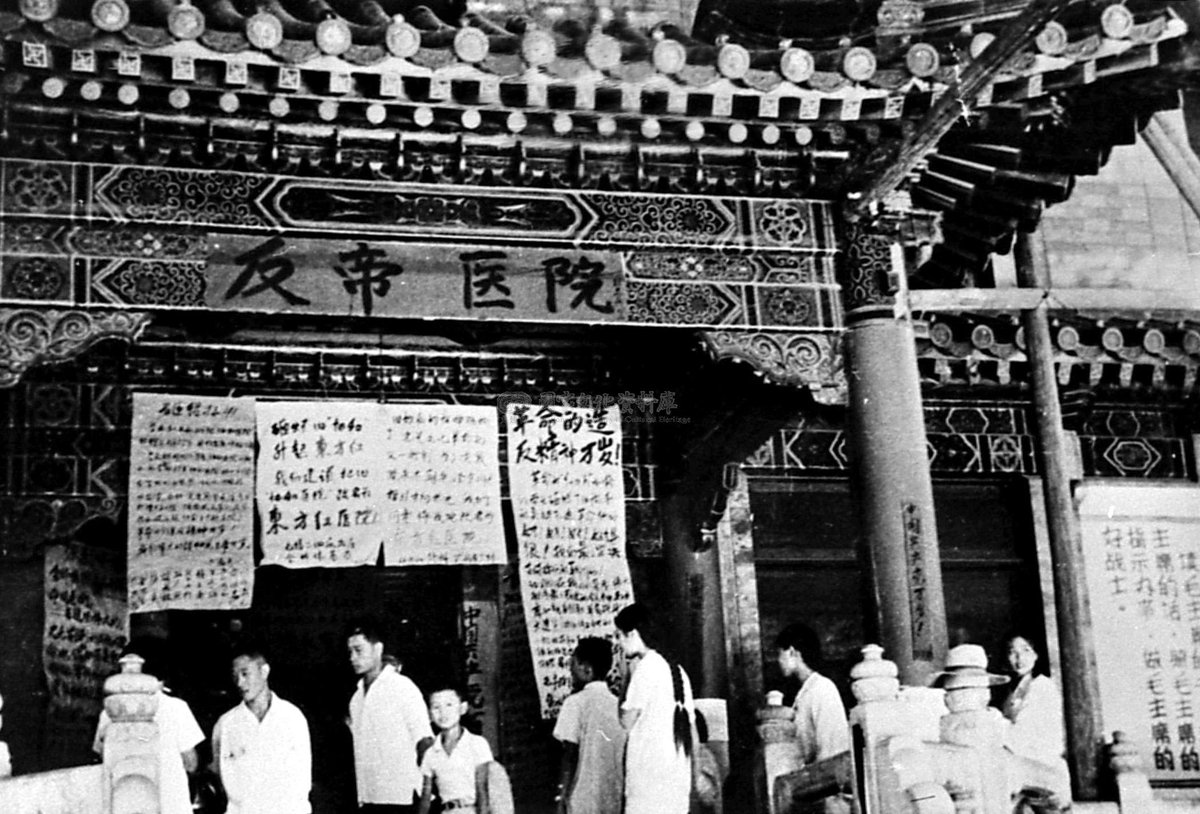
Covering approximately 4,700 square meters, the guild hall complex exemplifies Qing Dynasty architectural brilliance. The main theater, Wenchang Pavilion, Xiangxian Ancestral Hall, and the famous Ziwu Well are among its key features (Visit Beijing; foreignercn.com). Intricate timber frameworks, dougong brackets, upturned eaves, and vibrant color palettes of red, green, and gold characterize the site. Restoration efforts in the late 20th century have ensured the authenticity and longevity of these historic structures (Huguang Guild Hall Official; english.beijing.gov.cn).
Performing Arts and Cultural Legacy
Huguang Guild Hall is revered as one of Beijing’s "Four Great Theaters." For over a century, it has staged Peking Opera and other traditional performances, hosting legendary artists like Mei Lanfang and Tan Xinpei (Huguang Guild Hall Opera). Today, the Beijing Traditional Opera Museum within the complex preserves opera heritage with costumes, props, and interactive exhibits (Beijing Government). Regular performances, festivals, and cultural activities make the guild hall a vibrant, living center of traditional Chinese theater.
Visitor Information
Location and Transportation
- Address No. 3 Hufang Road, Xicheng District, Beijing (Deep China Travel)
- By Subway Take Line 7 to Hufangqiao Station (Exit C). Walk about 300 meters to the entrance.
- By Bus Routes 7, 14, 15, 23, 34, 66, 70, 102, 105, and 603 stop at South Hufangqiao Intersection. The hall is a short walk away.
- By Car Parking is available nearby but fills up quickly on weekends/holidays.
Visiting Hours and Tickets
- Opening Hours Daily, 09:00–22:00 (Deep China Travel)
- Performance Times Most shows are scheduled from 18:30–19:30; schedules may vary—confirm in advance (Huguang Guild Hall Official)
- Ticket Prices
- General Admission 80–380 RMB, depending on seat location and performance type
- Private Boxes Premium rates for exclusive seating
- Booking Highly recommended to purchase online or in advance for popular events
Accessibility
- The guild hall is largely wheelchair accessible, with ramps and designated seating. Some historic areas may have steps or uneven surfaces; plan accordingly (english.beijing.gov.cn).
Guided Tours and Amenities
- Guided tours are available in Mandarin and English. Audio guides and informational brochures can be requested at the entrance.
- Restroom facilities and limited snack/beverage options are available onsite.
What to See and Experience
Architectural Highlights
- Grand Opera Theater Semi-circular seating, elaborately carved wooden stage, and traditional tea service tables create an immersive cultural atmosphere (showbeijing.com).
- Wenchang Pavilion Octagonal structure housing opera museum exhibits.
- Xiangxian Temple Ancestral hall with commemorative tablets and the mysterious Ziwu Well.
- Baoshan Hall and Auxiliary Buildings Spaces for exhibitions, meetings, and special events, retaining classic Qing-era elegance.
Opera Performances and Cultural Events
- Peking Opera Authentic performances with English subtitles—an ideal introduction for international visitors.
- Modern Comedy Shows by DeYunShe (Deyun Club) bring traditional crosstalk and humor into the mix.
- Special Events Seasonal festivals, workshops, and themed activities enrich the visitor experience.
Museum Exhibits
- Beijing Traditional Opera Museum Displays costumes, headdresses, musical instruments, archival photographs, and digital experiences that bring Peking Opera history to life (Beijing Government).
Practical Visitor Tips
- Performance Schedules Not all performances are daily; check the official website or contact the box office before your visit.
- Advance Booking Highly recommended for peak times and premium seats (Huguang Guild Hall Official).
- Arrive Early Arrive at least 30 minutes before showtime to explore the site and secure your seat.
- Language English subtitles are provided for Peking Opera; guided tours in English are available—check availability in advance.
- Dress and Etiquette Dress comfortably. Maintain silence and turn devices to silent during performances.
- Photography Allowed in most public areas; flash and tripods may be restricted during performances.
- Weather Prepare for seasonal temperature changes, and bring water in summer.
- Payments Mobile payments (WeChat Pay, Alipay) are widely accepted, but bring some cash for small vendors.
Nearby Attractions and Suggested Itinerary
- Liulichang Cultural Street Antique shops, bookstores, and calligraphy studios—a must for culture lovers (Deep China Travel).
- Fuzhou New Guild Hall Explore the legacy of Lin Zexu and the anti-opium movement (Visit Beijing).
- Jinghua Printing & Publishing Company An architectural blend of Chinese and Western styles (Visit Beijing).
- “Birthplace of Peking Opera” Square Landmark commemorating the city’s operatic heritage.
Frequently Asked Questions (FAQ)
Q: What are the Huguang Guild Hall visiting hours?
A: Open daily from 09:00 to 22:00. Last admission times may vary for performances.
Q: How do I buy tickets?
A: Purchase tickets on-site or online via the official website. Advance booking is recommended.
Q: Are performances held every day?
A: No, performance schedules vary. Check the latest timetable before your visit.
Q: Is the site wheelchair accessible?
A: Most areas are accessible, but some have steps or uneven surfaces. Plan ahead if you have mobility concerns.
Q: Are English subtitles available?
A: Yes, Peking Opera performances usually include English subtitles.
Visuals and Media Suggestions
- Exterior View “Huguang Guild Hall historic buildings in Beijing”
- Theater Interior “Huguang Guild Hall opera theater seating”
- Wood Carvings “Intricate wood carvings at Huguang Guild Hall”
- Opera Costumes “Beijing Opera costumes at Huguang Guild Hall museum”