Plan and listen to Hongqiao Pearl Market with Audiala.
Audio guide in your pocket, itinerary in your browser. Built for the way you actually visit.
Introduction
Fahua Temple Street (法华寺街) in Beijing is a treasure trove of history and culture, located in the vibrant Dongcheng District. The street derives its name from the Fahua Temple, a historic site dating back to the Ming Dynasty with origins tracing even further back to the Nanzhao era (736-902 AD). The temple was originally the residence of Liu Tong, a eunuch, and his brother Liu Shunshe, and it underwent significant renovations during the Tianqi Period of the Ming Dynasty (Visit Beijing). The construction of the temple was completed in 1443, and it was named Fahai Zen Temple by Emperor Yingzong, making it one of the more famous temples in Beijing (China Highlights).
Fahua Temple Street has witnessed several pivotal moments in Chinese history. Notably, in 1860, it was the site of negotiations between Prince Gongqin and British invaders. The temple's architectural and artistic heritage, including its well-preserved murals and carvings, offer a glimpse into the rich cultural past of Beijing. Despite suffering significant damage during the Cultural Revolution, restoration efforts have been ongoing to preserve this cultural landmark (GoKunming).
This guide aims to provide a comprehensive overview of Fahua Temple Street, covering its historical significance, visiting hours, ticket information, and practical travel tips to help you make the most of your visit.
Exploring Fahua Temple Street - History, Visiting Hours, and Tickets
Introduction
Discover the rich history and cultural significance of Fahua Temple Street, a must-visit destination in Beijing's Dongcheng District. This guide provides all the information you need, from historical insights to practical visitor tips.
Origins and Early History
Fahua Temple Street, known in Chinese as 法华寺街, is located in the Dongcheng District of Beijing. This historic street is named after the Fahua Temple, which has a rich history dating back to the Ming Dynasty. The temple itself was originally the residence of Liu Tong, a eunuch, and his brother Liu Shunshe. During the Tianqi Period of the Ming Dynasty, the temple underwent significant renovations, and the emperor bestowed scriptures upon it, enhancing its religious and cultural significance (Visit Beijing).
The Ming Dynasty Era
The Ming Dynasty (1368-1644) was a period of great cultural and architectural development in China, and Fahua Temple Street was no exception. The temple was constructed in 1439 through the efforts of the Board of Works, with funding raised by Li Tong, a favorite official eunuch of the Ming Emperor. The construction was completed in 1443, and it was named Fahai Zen Temple by Emperor Yingzong. The temple's stele was inscribed by Emperor Zhu Qizhen, making it one of the more famous temples in Beijing (China Highlights).
Historical Significance
Fahua Temple Street has witnessed several significant historical events. In 1860, Prince Gongqin negotiated with British invaders here, marking a crucial moment in China's interactions with foreign powers. Before the 1898 Reform, Tan Sitong, a prominent reformist, consulted Yuan Shikai at this location. These events highlight the street's role as a witness to pivotal moments in Chinese history (Visit Beijing).
Architectural and Artistic Heritage
The Fahua Temple is renowned for its architectural and artistic heritage. The temple is built on three terraces, and its main hall houses ten large and well-preserved murals, which are considered some of the best examples of Ming Dynasty art. These murals cover 236.7 square meters and are distributed on the eastern, western, and rear walls of the main hall. The murals were created by artists recruited from all over China, working under the supervision of famous court painters. The use of special mineral pigments has helped preserve the murals' bright and fresh appearance over the centuries (China Highlights).
Modern-Day Preservation Efforts
In recent years, significant efforts have been made to preserve and restore the Fahua Temple and its surroundings. The Beijing Bureau of Cultural Relics has allocated $1.2 million to restore the Hall of Buddhist Scriptures and the Doctor Hall. These efforts are part of a broader relic protection program aimed at ensuring that the temple and its precious murals remain intact for future generations. The government has also invested in preserving the original murals, which are considered some of the best-preserved art pieces from the Ming Dynasty in China (China Highlights).
Cultural and Religious Importance
Fahua Temple Street is not only a historical site but also a place of cultural and religious importance. The temple has been a center for Buddhist worship and practice for centuries. The emperor's gift of scriptures during the Ming Dynasty underscores its religious significance. Today, the temple continues to attract visitors who are interested in Chinese history, art, and Buddhism. The temple's location in Fahaisi Forest Park, at the base of Cuiwei Mountain, adds to its serene and spiritual atmosphere (Visit Beijing).
Visitor Experience
Visitors to Fahua Temple Street can explore the rich history and cultural heritage of the area. The temple is open to visitors all year round, and the best time to visit is during the spring and fall when the weather is mild and pleasant. The temple is easily accessible by public transportation, with several bus routes and a nearby subway station. Visitors can also hire a taxi from Pingguoyuan Station for a short drive to the temple (China Highlights).
Visitor Information
For those planning a visit to Fahua Temple Street, here are some practical details:
- Tickets: The temple charges an admission fee, with different rates for students and adults.
- Opening Hours: The temple is open daily, but opening and closing times may vary depending on the season. Visitors are advised to check the latest information before planning their trip.
- Guided Tours: An English-speaking guide is available for an additional fee, providing detailed information about the temple's history and artwork.
- Accessibility: The temple is designed to be accessible for visitors with mobility issues.
- Travel Tips: It's best to visit during spring and fall for the most pleasant weather.
Special Events and Guided Tours
Fahua Temple Street occasionally hosts special events and guided tours that delve deeper into its historical and cultural significance. These events are a great opportunity to learn more about the temple's rich heritage from experts.
Photographic Spots
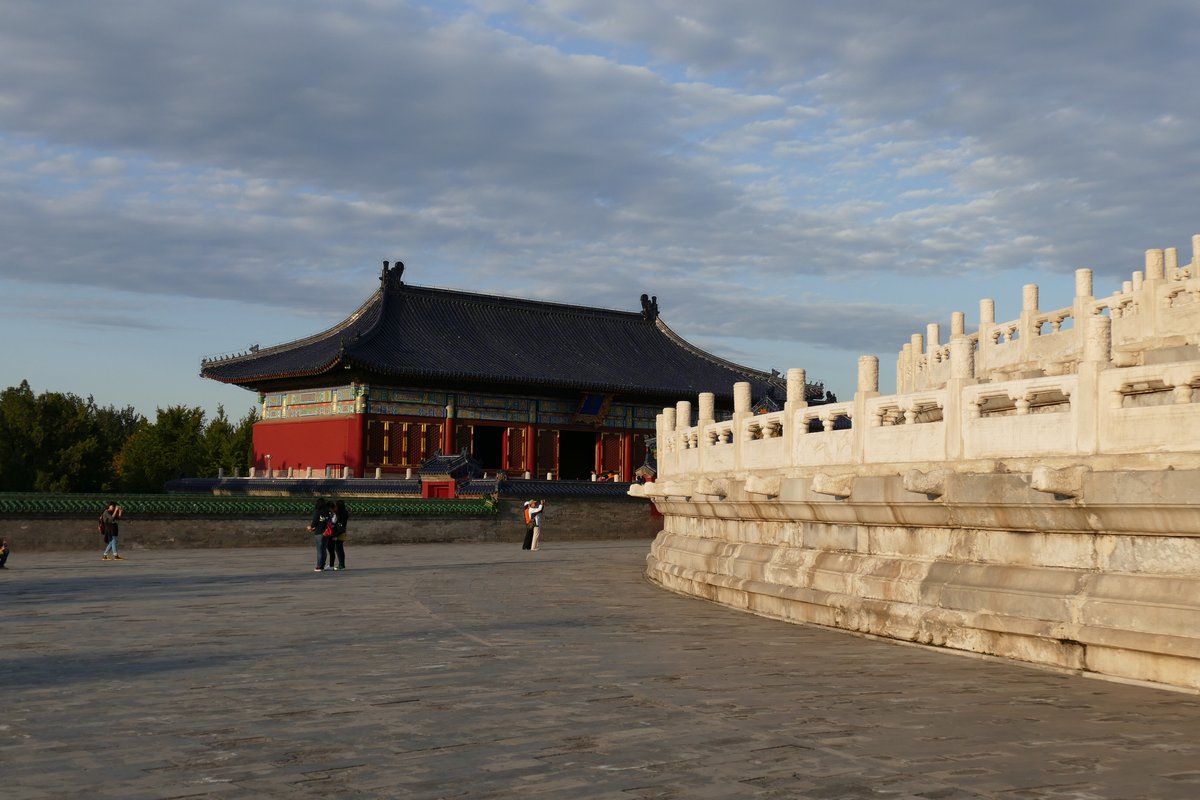
The Fahua Temple and its surroundings offer numerous spots for photography enthusiasts. Some of the best spots include the main hall with its murals, the terraces, and the serene Fahaisi Forest Park.
Nearby Attractions
Fahua Temple Street is located near several other attractions that visitors can explore. Badachu Park, located a few kilometers away, is home to eight Buddhist temples and nunneries. The park is known for its ancient trees, some of which are over six centuries old. Another nearby attraction is the Tianyi Tomb, which offers a glimpse into the region's historical and cultural heritage. Visitors can also enjoy the natural beauty of the Western Hills and the west part of Beijing from the highest prayer hall in the Fahua Temple (China Highlights).
FAQ
Q: What are the Fahua Temple visiting hours?
A: The temple is open daily, but opening and closing times may vary depending on the season. It is advised to check the latest information before planning your visit.
Q: How much are the Fahua Temple tickets?
A: The temple charges an admission fee, with different rates for students and adults. Check the official website for the most current prices.
Q: Are guided tours available at Fahua Temple?
A: Yes, an English-speaking guide is available for an additional fee to provide detailed information about the temple's history and artwork.
Q: How accessible is Fahua Temple for visitors with mobility issues?
A: The temple is designed to be accessible for visitors with mobility issues, ensuring everyone can enjoy the site.
Listen to the full story in the app
The whole Hongqiao Pearl Market,
told well.
Audio guides for 1,100+ cities across 96 countries. History, stories, and local insight — offline ready.

Verified, and shown.
Researched and written by the Audiala editorial team from historical records, architectural archives, and local expertise.
Researched from Wikidata, Wikipedia & official sources · fact-checked · How we make our guides →