
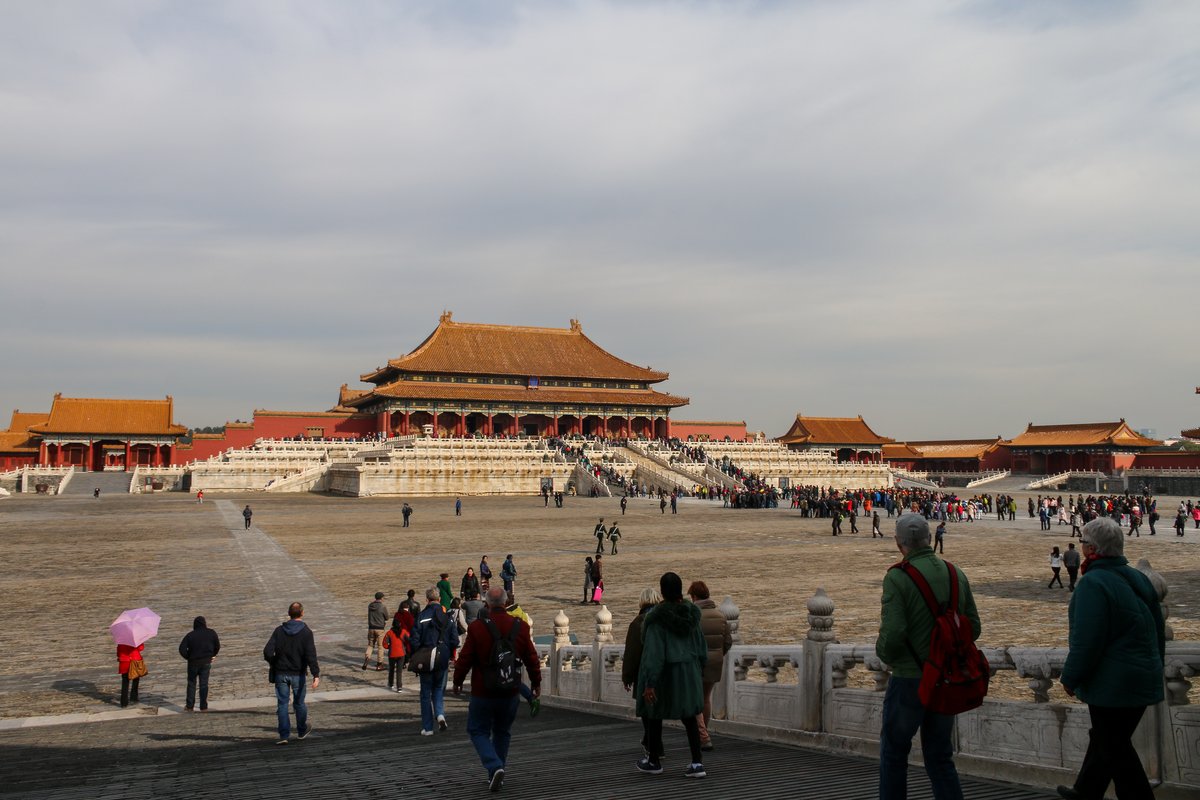
Construction and Dynastic Significance
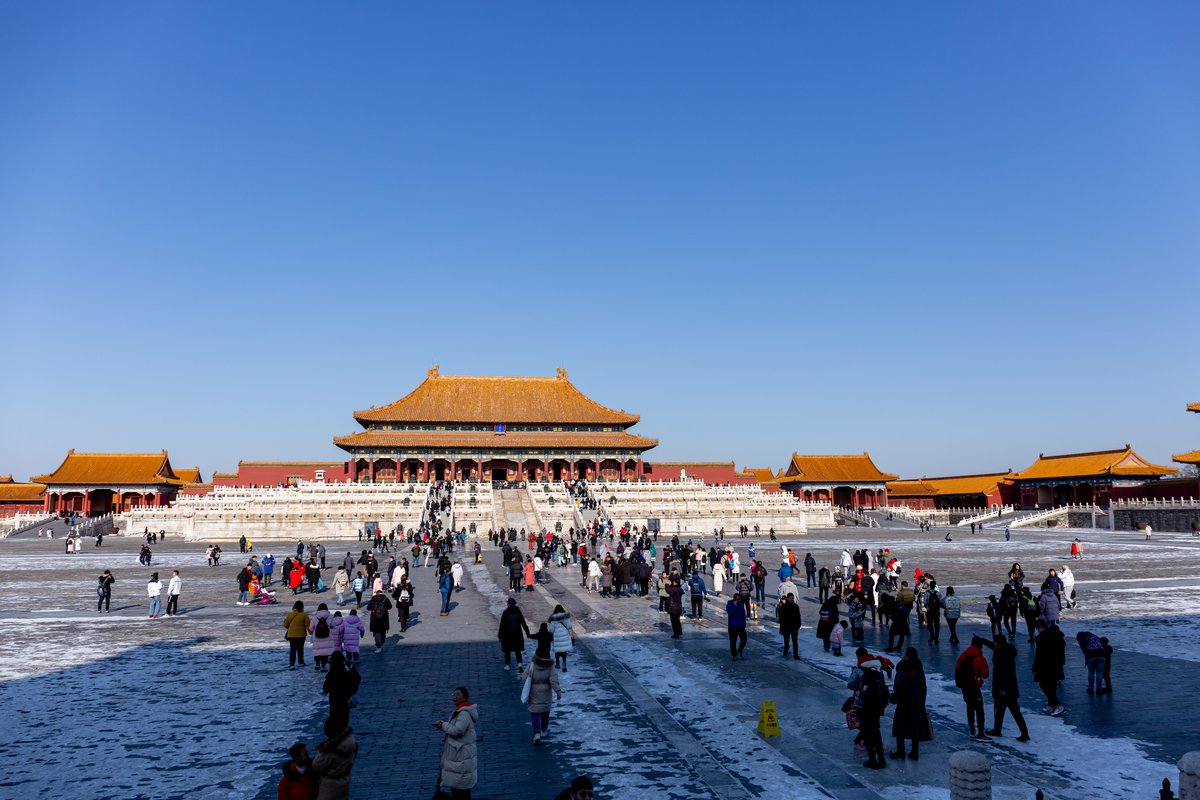
Commissioned by the Yongle Emperor in the early 15th century, the Hall of Supreme Harmony was completed in 1420, serving as the ceremonial heart of the Forbidden City. Though several fires necessitated reconstructions, its essential role in imperial governance never changed. Throughout the Ming and Qing dynasties, the hall represented the axis of both the physical palace and the imperial power structure, where emperors celebrated enthronements, weddings, military victories, and New Year ceremonies (Lonely Planet).
Renaming and Symbolism
Originally named Fengtian Dian (“Hall of Heavenly Mandate”), it was later called Huangji Dian (“Hall of Imperial Supremacy”) before being restored to its present name, Taihe Dian (“Hall of Supreme Harmony”). The evolution of its name mirrors the shifting philosophies and political priorities of successive dynasties, always centering on the emperor’s divine right and the Confucian concept of harmony (MyBeijingChina).
Restoration and Preservation
The current hall largely dates from 1695, rebuilt after a devastating fire under the Kangxi Emperor. It has undergone careful restorations, preserving its traditional timber-frame construction, intricate joinery, and symbolic decorations. These efforts ensure that modern visitors experience the hall much as it was centuries ago (East China Trip).
Architectural Features and Symbolism
Layout and Structure
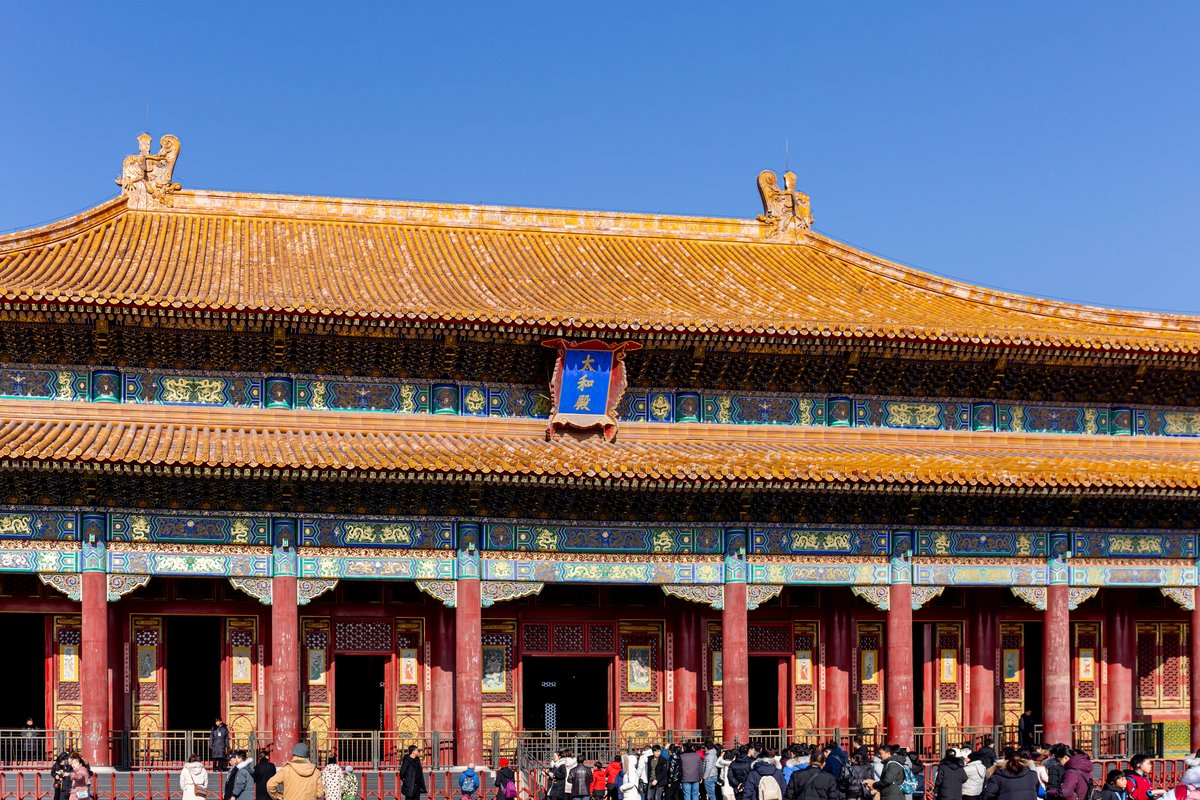
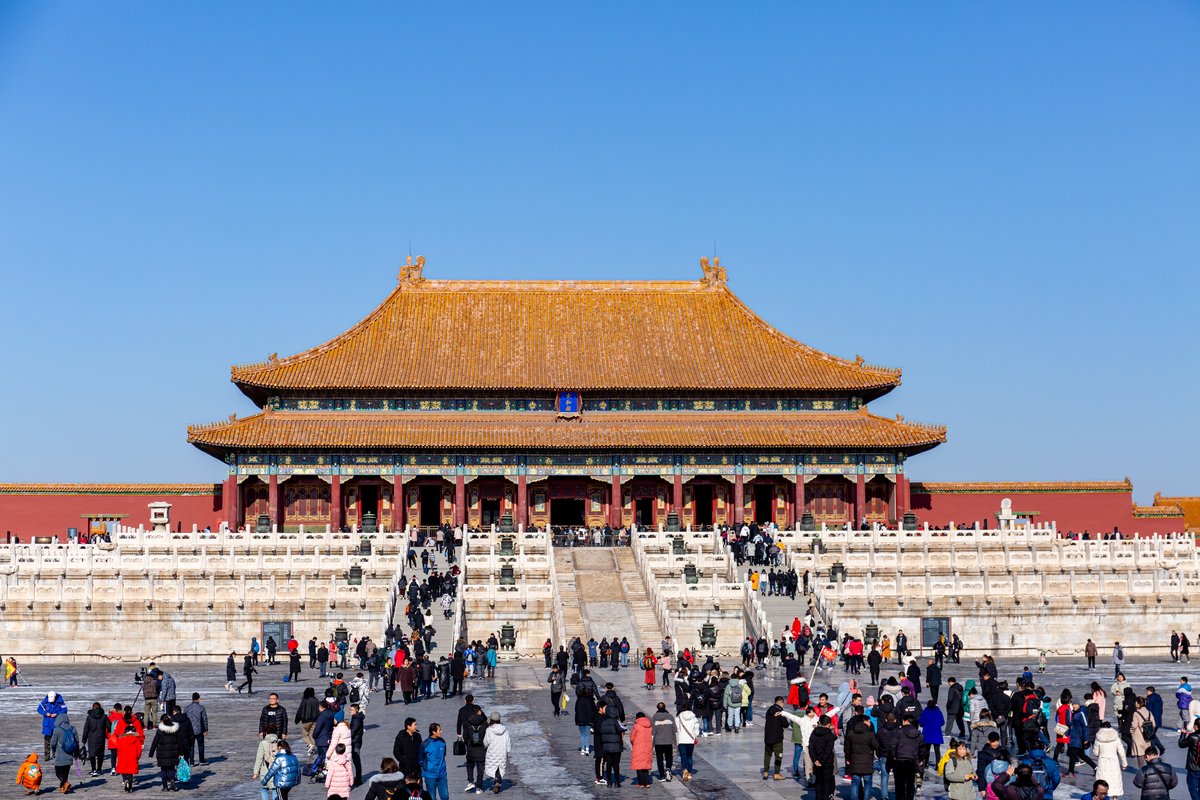
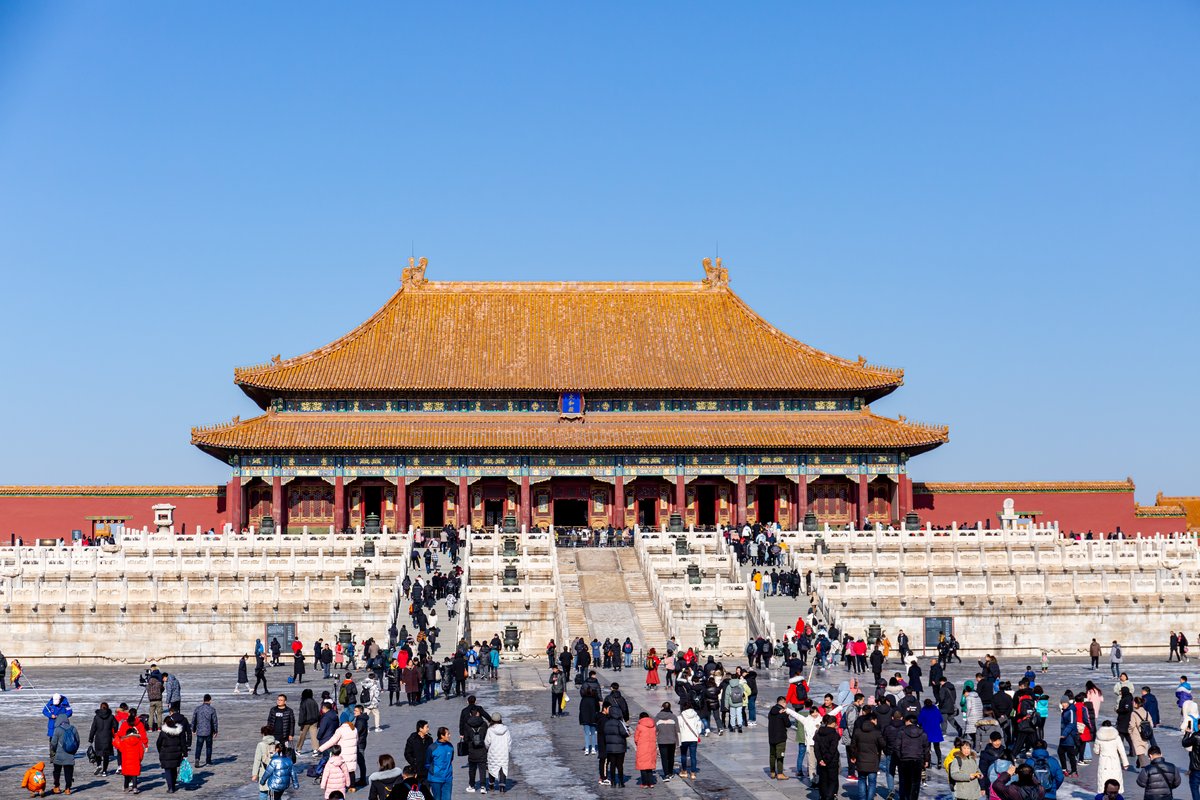
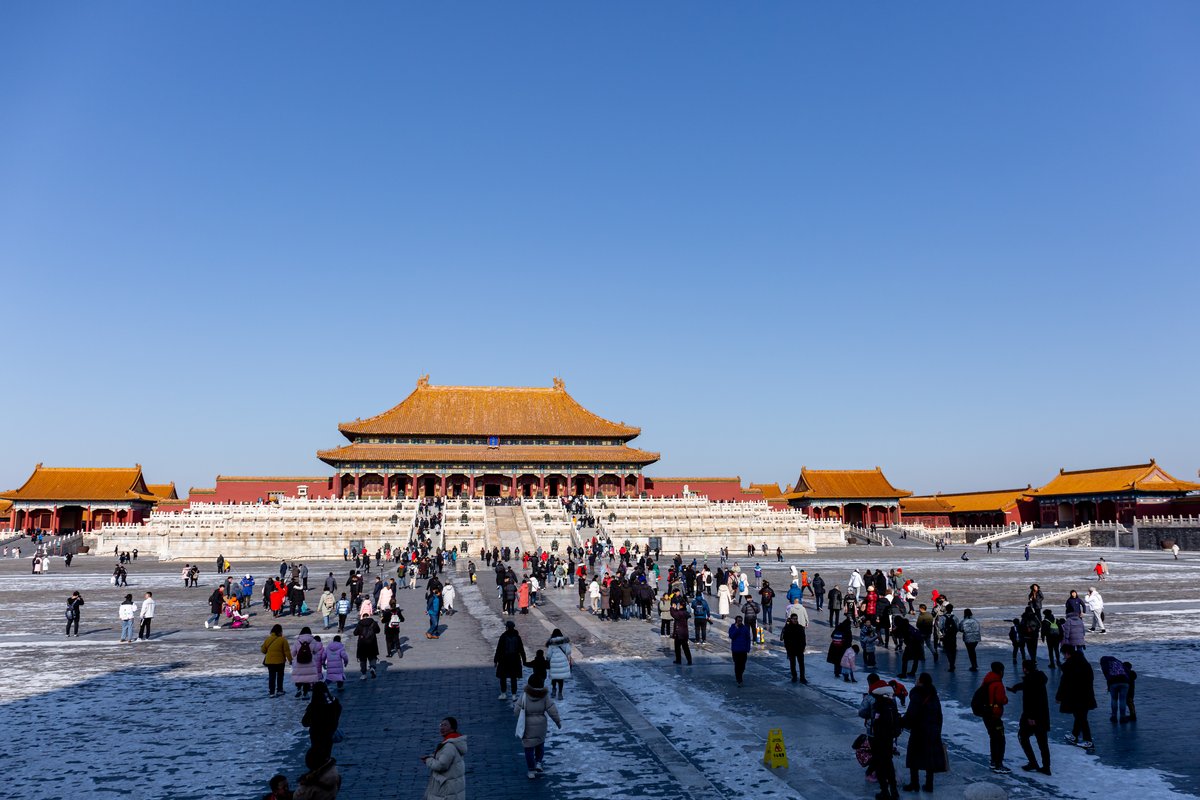
- Central Axis Placement The hall sits atop a three-tiered white marble terrace on the Forbidden City’s central north-south axis, epitomizing the hierarchy and symmetry fundamental to Chinese palace design.
- Dimensions Measuring 63.96 meters wide, 37.2 meters deep, and standing 35.05 meters high, it is the largest extant wooden structure in China (East China Trip).
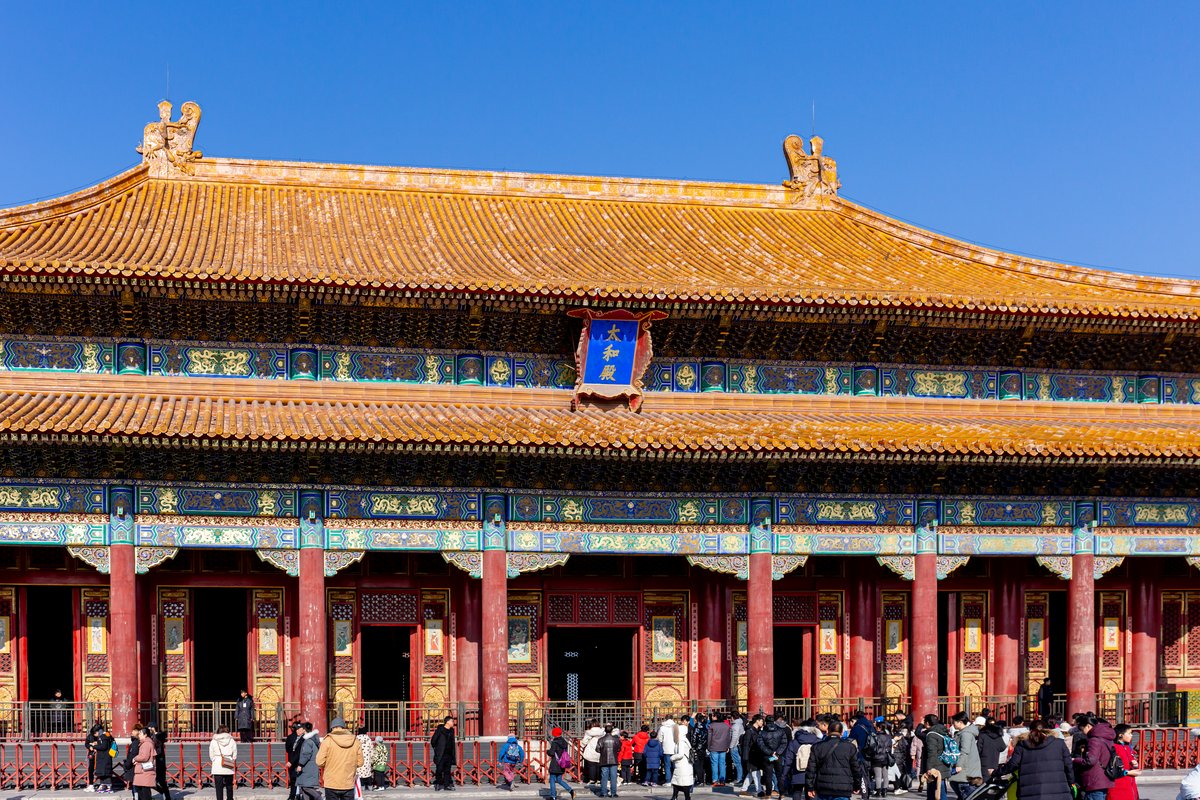
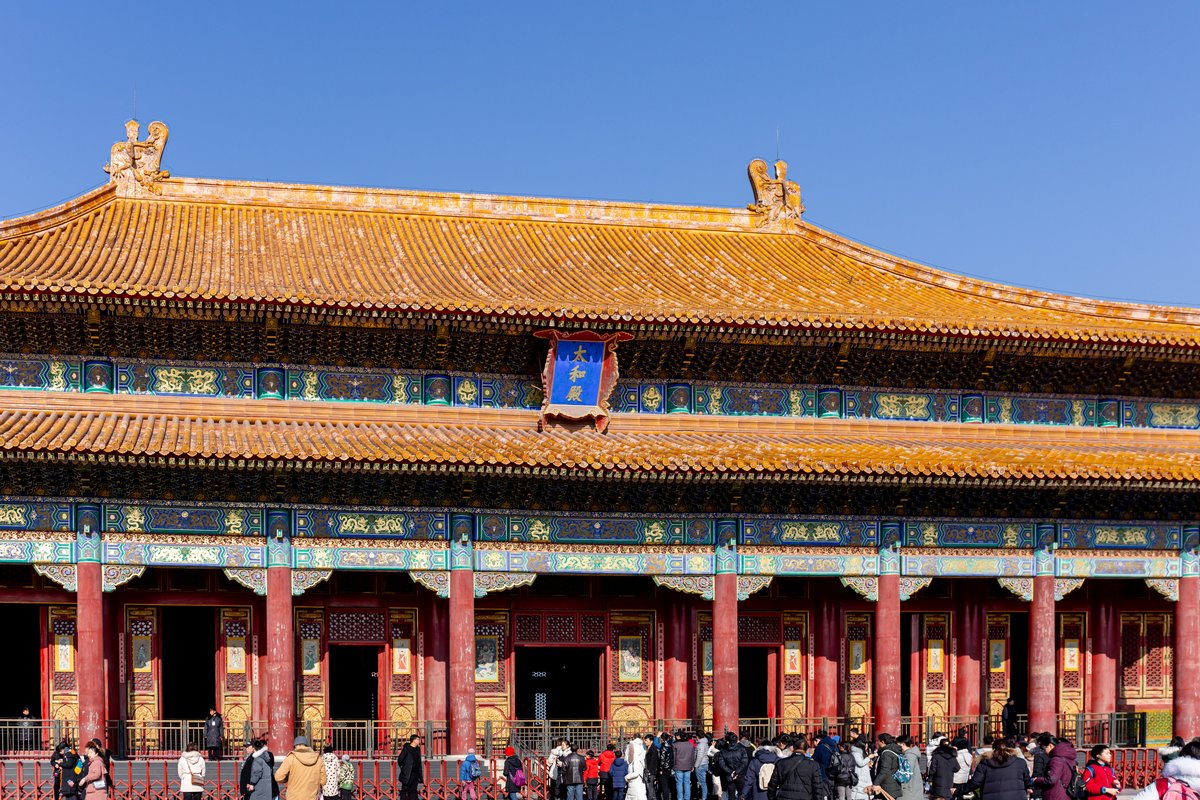
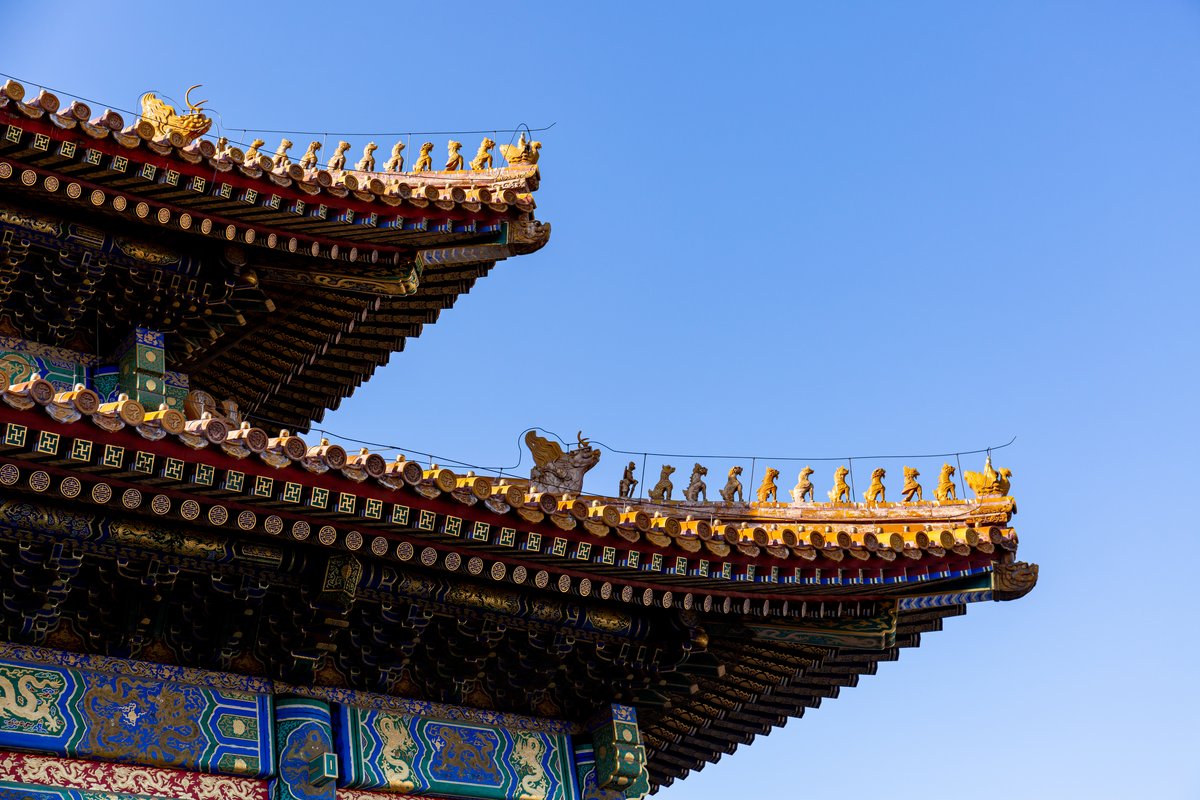
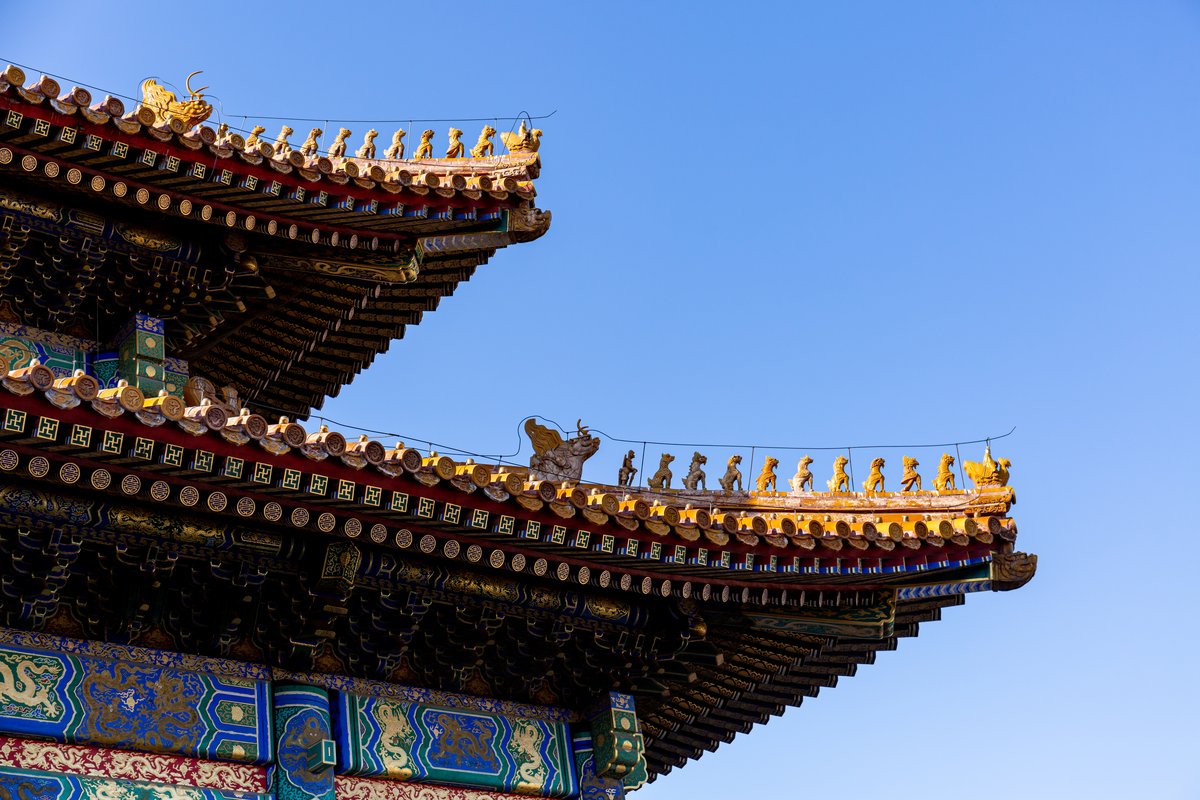
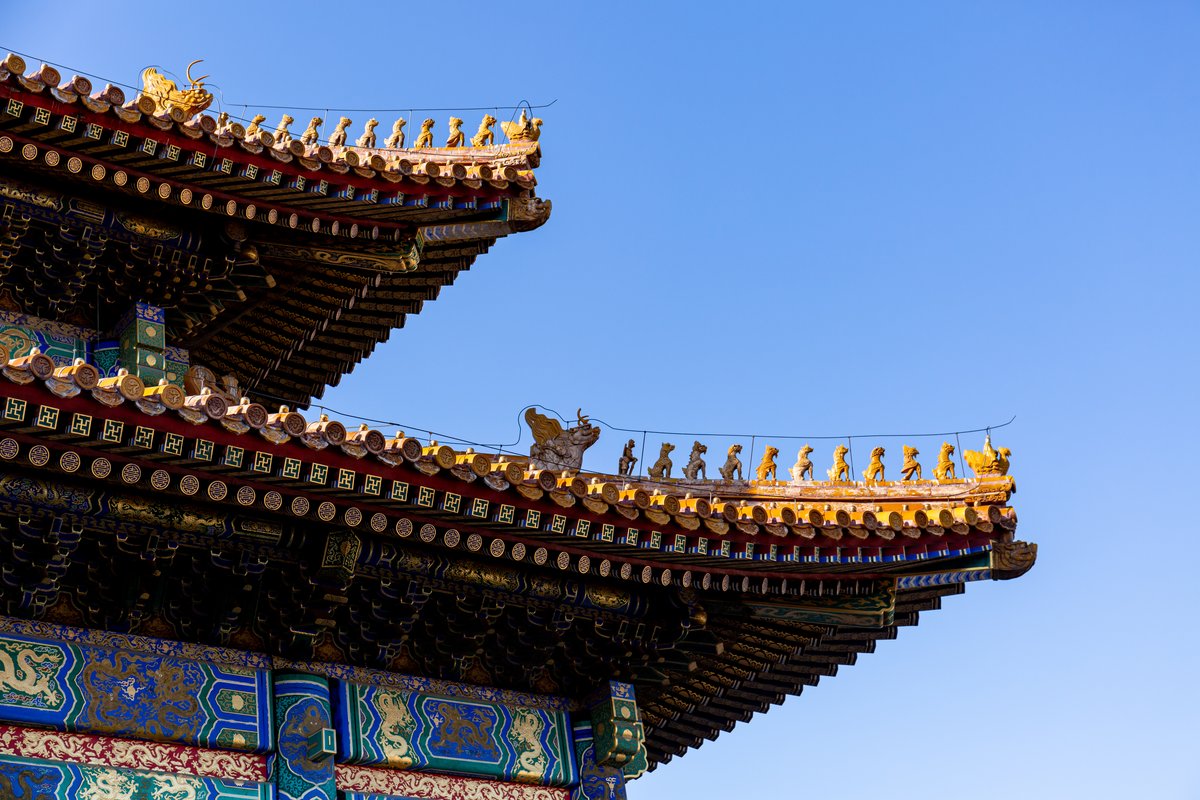
- Roof and Ornaments The double-eaved roof is covered with yellow glazed tiles—the imperial color—and features ten mythical beasts, a privilege reserved only for the most important building. These statuettes, including dragons and phoenixes, were believed to ward off evil and signify the building’s supreme status (Asian Studies).
- Pillars and Materials Seventy-two massive wooden columns support the vast hall. The flooring consists of “golden bricks” renowned for their strength and golden hue.
Decorative and Symbolic Elements
- Dragon Motifs Dragons, symbols of imperial power and auspiciousness, are intricately carved throughout the hall, including the throne, ceilings, and balustrades (MyBeijingChina).
- Color and Material Symbolism Yellow symbolizes centrality and sovereignty; red denotes good fortune; white marble conveys purity and strength (North45et).
- Numerology The use of the number nine (as in the nine steps of the marble terrace) reflects the highest yang number, symbolizing the supreme position of the emperor (Asian Studies).
Engineering Techniques
Traditional Chinese timber-frame construction is used throughout, employing interlocking brackets (“dougong”) for both flexibility and earthquake resistance. The hall’s marble terraces are defensive and ceremonial, designed to elevate and protect the emperor (Asia Odyssey Travel).
Ceremonial Functions and Imperial Rituals
The Hall of Supreme Harmony was the exclusive stage for the grandest imperial ceremonies:
- Enthronement and Coronations New emperors accepted the Mandate of Heaven here.
- New Year and Birthday Celebrations Annual ceremonies reinforced cosmic order and imperial legitimacy.
- Military Victories and Foreign Envoys The emperor received tributes and issued edicts, reinforcing the hierarchy.
- Social Hierarchy Only select officials could approach the central path; all others displayed their fealty through ritual prostration (Lonely Planet).
Visiting Information
Hours
- April–October 8:30 AM – 5:00 PM (Last entry at 4:00 PM)
- November–March 8:30 AM – 4:30 PM (Last entry at 3:30 PM)
- Closed on Mondays, except for public holidays (Palace Museum website).
Tickets
- Standard Admission ~60 CNY (April–October), ~40 CNY (November–March)
- Discounts Available for students, seniors, and children (with ID)
- Purchase Tickets must be purchased online in advance through the official Palace Museum website or authorized platforms. On-site ticket sales are very limited or unavailable. Be aware that daily visitor numbers are capped (around 80,000), so early booking is essential (Travel of China).
- Entry Passport or Chinese ID required for ticket booking and entry.
Accessibility and Visitor Flow
- Wheelchair Access Ramps and accessible routes are available along the central visitor pathway, including marble terraces. Some historic areas have steps and uneven paving; visitors with mobility needs should contact the museum in advance for guidance.
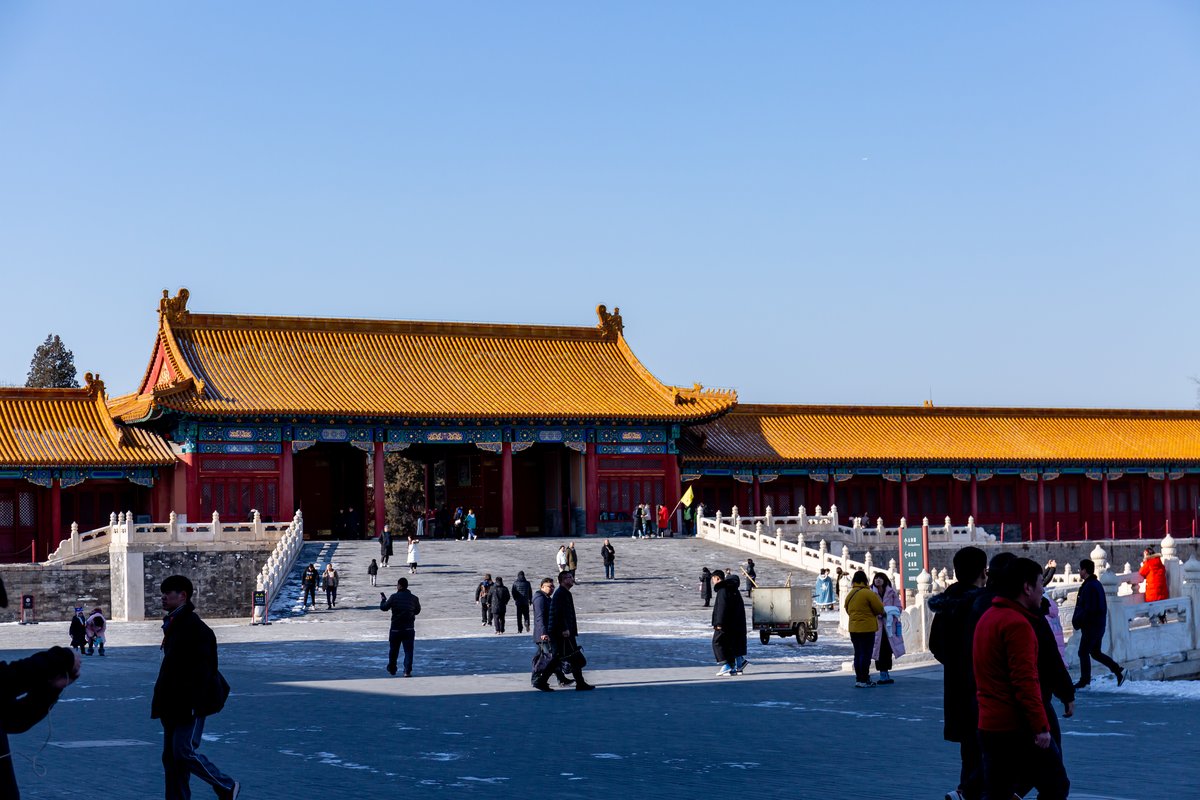
- Visitor Flow The site follows a one-way route from the Meridian Gate, through the Outer Court, past the Hall of Supreme Harmony, and onward to the Inner Court and Imperial Garden.
Travel Tips and Best Times to Visit
- Arrive Early To avoid crowds, especially during weekends and public holidays.
- Best Seasons Spring (March–May) and autumn (September–November) offer mild weather and fewer visitors.
- Summer Hot and crowded; bring water, sun protection, and be prepared for long walks.
- Winter Quieter but cold, with shorter daylight hours.
- Comfort Wear comfortable shoes; the complex covers over 180 acres.
- Guided Tours Multilingual audio guides and English-language guided tours are available and highly recommended for a deeper understanding of the site.
- Photography Allowed in most outdoor areas; flash and tripods are not permitted inside the halls.
Nearby Attractions
- Imperial Garden Located at the northern end of the Forbidden City, offering tranquil landscapes and traditional pavilions.
- Jingshan Park Directly north of the Forbidden City, providing panoramic views of the palace complex and Beijing skyline.
- Tiananmen Square Just south of the Forbidden City, a focal point of modern Chinese history.
- Palace Museum Exhibitions Explore additional galleries for art, artifacts, and special exhibitions.
Frequently Asked Questions (FAQ)
Q: What are the Hall of Supreme Harmony visiting hours?
A: Open 8:30 AM–5:00 PM (April–October) and 8:30 AM–4:30 PM (November–March), closed Mondays except holidays.
Q: How do I buy tickets?
A: Tickets must be purchased online in advance via the official Palace Museum website or authorized platforms.
Q: Is the Hall of Supreme Harmony wheelchair accessible?
A: Main routes are accessible; some historic sections have steps. Contact the museum for assistance.
Q: Are guided tours available?
A: Yes, English-language tours and multilingual audio guides are offered.
Q: Can I take photos?
A: Photography is allowed in outdoor areas; inside halls, flash and tripods are prohibited.
Q: What nearby sites should I visit?
A: Don’t miss the Imperial Garden, Jingshan Park, and Tiananmen Square.