Historical Background
Origins and Construction
Commissioned by Emperor Yongle in 1406 and completed in 1420, the Hall of Military Prowess is one of the principal halls in the Forbidden City’s Outer Court. Its strategic location on the western side of the palace complex aligns with traditional Chinese cosmology, where the west signifies martial strength and authority. The hall was initially intended for military command, ceremonial functions, and the storage of weaponry, setting it apart as a symbol of imperial might.
Functional Evolution
Ming Dynasty (1368–1644)
Throughout the Ming era, Wuying Dian played a key role in military administration, hosting strategic discussions and official military ceremonies. It was here that the emperor received his generals and honored military achievements.
Qing Dynasty (1644–1912)
With the advent of the Qing Dynasty, the hall’s functions expanded. It became the site of the Royal Publishing House (from 1680), producing imperial editions of literary works and important government documents, including the monumental "Siku Quanshu" (Complete Library of the Four Treasuries). The hall’s continued use and periodic renovations, especially after fire damage in the 18th century, highlight its enduring significance.
(TravelChinaGuide, Wonders of the World)
Architectural Features and Symbolism
The Hall of Military Prowess is a quintessential example of Ming and Qing palace architecture. Key features include:
- Rectangular Layout The hall sits on a raised stone platform, reached by broad steps.
- Double-Eaved Yellow Glazed Roof The yellow tiles symbolize imperial authority, while the double eaves signify the building’s elevated status.
- Dougong Brackets Intricate wooden brackets support the roof, reflecting sophisticated craftsmanship.
- Decorative Motifs Dragons, phoenixes, and auspicious cloud patterns reinforce the themes of power, cosmic order, and harmony.
- Symmetry The hall mirrors the Hall of Literary Glory (Wenhuadian) on the eastern side of the outer court, representing the balance between civil and military virtues in governance.
Role in Imperial Ceremonies and Administration
Wuying Dian historically hosted pivotal military ceremonies, including the proclamation of victories, the honoring of distinguished soldiers, and receptions for foreign envoys. It was a center for drafting military edicts, strategic planning, and later, for the compilation and printing of imperial documents. These activities underscored the emperor’s dual role as both the supreme military commander and cultural patron.
Modern Transformation and Preservation
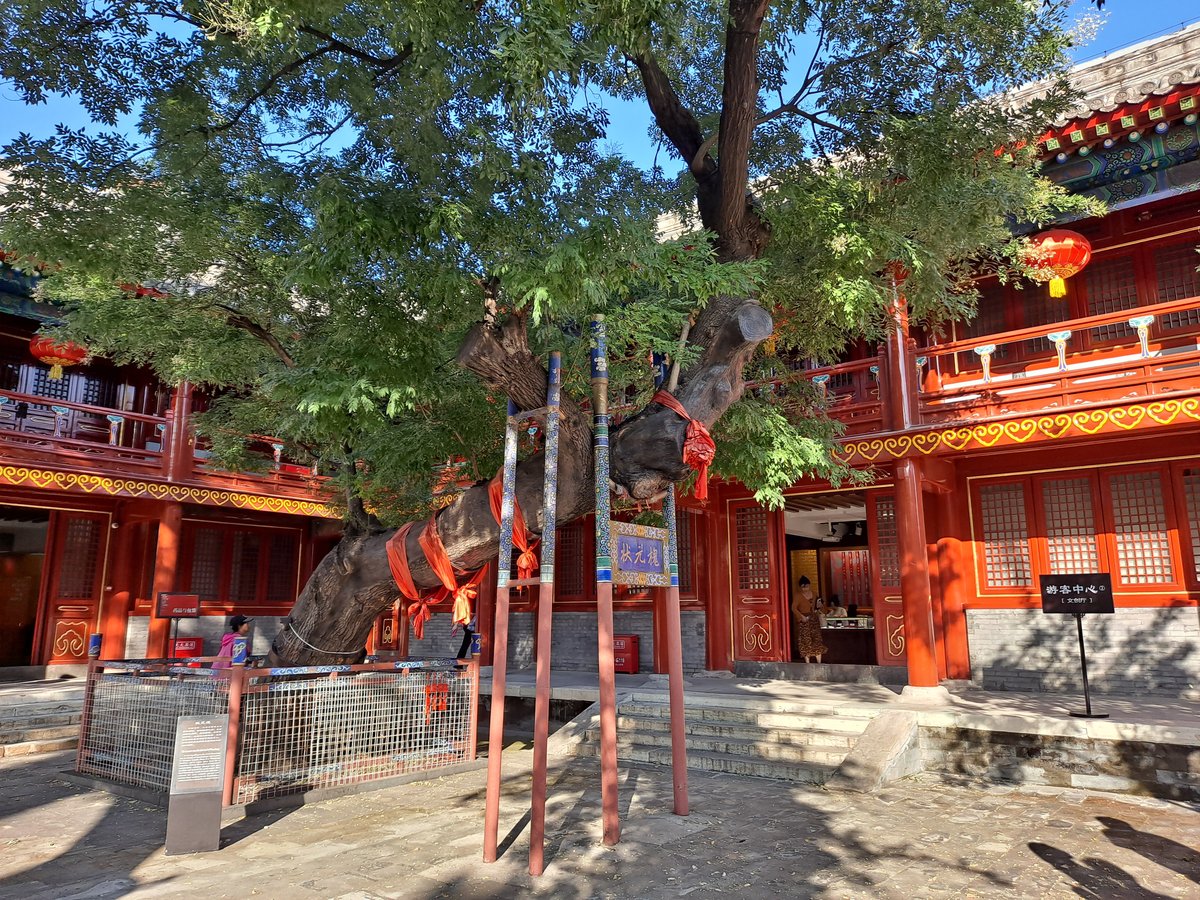
After the fall of the Qing Dynasty, the Forbidden City became the Palace Museum in 1925. The Hall of Military Prowess was adapted for public exhibitions, particularly focusing on Chinese painting, calligraphy, and ceramics. Careful restoration projects in the 20th and 21st centuries have preserved the hall’s original structure and ornate decorations, while modern facilities—such as climate control and accessibility features—have been discreetly integrated.
(HistoryTools, TravelChinaGuide)
Collections and Exhibitions
Wuying Dian’s exhibitions reflect its dual legacy as a military and cultural institution. Highlights include:
- Chinese Paintings and Calligraphy Masterpieces from the Ming and Qing dynasties, including imperial portraits, landscape scrolls, and renowned calligraphic works.
- Archival Materials Rare books, original woodblock prints, and official documents produced in the hall’s printing workshop.
- Military Artifacts Displays of ceremonial armor, weaponry, and military edicts.
- Special Exhibitions Themed displays focusing on dynastic history, notable court scholars, and pivotal historical events.
For a broader exploration of imperial military heritage, visitors can also explore the Tools of War Gallery and the Bronze Gallery within the Forbidden City.
(beijingwalking.com, wonders-of-the-world.net)
Visitor Information
Hours and Tickets
- Visiting Hours 8:30 AM – 5:00 PM (last entry at 4:00 PM); closed on Mondays except public holidays. Hours may vary during special events—always verify on the official Palace Museum website.
- Tickets General admission to the Forbidden City includes access to the Hall of Military Prowess.
- Peak Season (April–October) 60 RMB
- Off-Peak Season (November–March) 40 RMB
- Discounts Available for students, seniors, and children.
- Purchase Tickets must be purchased online in advance, as daily visitor numbers are capped at 20,000.
Accessibility and Facilities
- Location Western side of the Forbidden City, near the Meridian Gate.
- Transportation Subway Line 1 (Tiananmen East/West), multiple bus routes.
- Accessibility Ramps, wide doorways, and complimentary wheelchairs/strollers at entrances; some historic sections may have limited access.
- Amenities Modern restrooms, rest areas, gift shops, and cafés are available nearby.
- Signage Bilingual signs (Chinese-English), QR codes link to audio guides and digital resources.
Travel Tips
- Visit Early Arrive in the morning or late afternoon for fewer crowds and better lighting.
- Official Channels Only purchase tickets via approved platforms; beware of scams.
- Photography Non-flash photography is generally permitted; observe restrictions.
- Comfort Wear comfortable shoes and bring water, as the site requires extensive walking.
- Guided Tours Audio guides and multilingual tours are available for deeper engagement.
(The Helpful Panda, GirlsWanderlust)
Frequently Asked Questions (FAQ)
Q: Where is the Hall of Military Prowess located in the Forbidden City?
A: On the west side of the Outer Court, near the Meridian Gate.
Q: Are tickets required for the Hall of Military Prowess?
A: Access is included with the general Forbidden City admission ticket.
Q: Is the Hall accessible for wheelchairs and strollers?
A: Yes, with ramps and wide doorways, though some areas may have limited access.
Q: What are the main exhibits inside the Hall?
A: Chinese paintings, calligraphy, rare books, imperial portraits, and occasional military displays.
Q: Are guided tours available?
A: Yes, both in-person and audio tours are provided in multiple languages.