Plan and listen to Haiti China Trade Development Office with Audiala.
Audio guide in your pocket, itinerary in your browser. Built for the way you actually visit.
Introduction
The Haiti China Trade Development Office in Beijing stands as a unique institution, serving as a vital bridge fostering economic, cultural, and diplomatic exchanges between Haiti and the People’s Republic of China (PRC)—despite the absence of formal diplomatic relations. Located within the prestigious Ta Yuan Diplomatic Compound in Chaoyang District, the office fulfills multiple roles: supporting Haitian nationals, promoting business ties, and serving as a center for cultural diplomacy. This guide provides an in-depth overview of the office’s history, significance, visitor logistics, cultural activities, safety considerations, and practical travel tips.
Whether you are a businessperson, a member of the Haitian diaspora, or a culture enthusiast, this article will equip you with essential information to make your visit to the Haiti China Trade Development Office successful and meaningful. For context on Haiti–China relations and the office’s broader role, see HDPAC, Wikipedia, and BJ-IPCF.
Historical Context and Diplomatic Role
Haiti’s Diplomatic Position
Since 1956, Haiti has maintained official diplomatic relations with the Republic of China (Taiwan), placing it among a small group of countries that do not recognize the PRC. This position is particularly notable within the Caribbean, where most nations have adopted the One China policy (HDPAC, Wikipedia). Despite the absence of formal ties, practical cooperation with the PRC has grown, leading to the creation of the Haiti China Trade Development Office in Beijing.
Establishment and Function
Formally established within the Ta Yuan Diplomatic Compound, the office operates as a de facto diplomatic mission. Its primary functions include promoting trade, investment, and cultural exchange, as well as providing consular support for Haitian nationals (bj-ipcf.org). The office has also played an active role in humanitarian and development initiatives.
Key activities include:
- Facilitating business connections and trade negotiations.
- Supporting Haitian nationals with consular services.
- Organizing cultural events and exhibitions.
- Acting as a liaison for humanitarian projects.
Milestones and Leadership
Notable figures such as Mme. Menos and Mr. Ji Lamothe have been instrumental in advancing Haiti–China relations through the office’s work. Events like the 2023 Peace Garden Museum visit have emphasized Haiti’s historical legacy and commitment to peace (bj-ipcf.org).
Diplomatic Significance
Navigating the One China Policy
Haiti’s recognition of Taiwan and its pragmatic engagement with the PRC make it a focal point in cross-Strait diplomacy. Both Beijing and Taipei have sought to influence Haiti through aid and incentives, resulting in a delicate balancing act for Haitian foreign policy (Wikipedia).
Economic and Developmental Context
China’s economic stature offers significant opportunities for Haiti, particularly in trade and infrastructure. The current arrangement allows Haiti to engage economically with the PRC while maintaining diplomatic ties with Taiwan. This approach helps Haiti access opportunities without jeopardizing existing alliances (HDPAC).
Symbolic and Soft Power Dimensions
The office’s presence and activities—such as art exhibitions and participation in cultural dialogues—serve as symbols of Haiti’s openness and independent foreign policy. These soft power initiatives foster mutual understanding and goodwill (bj-ipcf.org).
Visitor Information: Location, Hours, and Services
Address and Contact
- Address: 1, Xin Dong Lu, 3-1-72 Ta Yuan, Diplomatic Compound, Chaoyang District, Beijing 100600, China (embassy-info.net)
- Phone: (+86) (10) 6532-4043
- Fax: (+86) (10) 6532-3062
- Email: [email protected]
Visiting Hours
- Hours: Monday to Friday, 9:00 AM to 5:00 PM (closed during Chinese and Haitian public holidays). Appointments are required for all visits (Consulate Info).
- Entry: Valid ID and appointment confirmation required due to security protocols.
Getting There
- Subway: Liangmaqiao Station (Line 10), approximately 1 km away.
- Bus: Several routes serve Xin Dong Lu.
- Taxi/Ride-hailing: Taxis and Didi are widely available; have the address in Chinese for convenience.
- Parking: Limited within the diplomatic compound; public transport is recommended.
Services Provided
- Consular Services: Passport renewals, document legalization, and assistance for Haitian nationals.
- Business Support: Matchmaking, trade facilitation, and investment guidance.
- Cultural Exchange: Information on upcoming events, exhibitions, and educational initiatives.
- Humanitarian Liaison: Coordination of aid and community support (bj-ipcf.org).
Languages
- French, Haitian Creole, English, and Mandarin are spoken. Non-native speakers should consider bringing a translator.
Cultural Activities and Community Engagement
Promoting Haitian Culture
The office collaborates with organizations like the Beijing International Peace Culture Foundation to host art exhibitions, music events, and educational seminars that introduce Haitian heritage to Chinese audiences (BJ-IPCF). These activities foster cross-cultural dialogue and mutual appreciation.
Support for the Haitian Diaspora
The office organizes community events during national holidays and provides ongoing support for Haitians living in China (Consulate Info).
Safety, Etiquette, and Practical Tips
Safety Considerations
- General: Beijing is considered safe for visitors; petty crime is rare but stay alert in crowded areas (China Discovery).
- Office Security: Stringent screening at the compound. Photography of security features is prohibited.
- Health: Monitor air quality, drink bottled water, and carry proof of insurance. International hospitals are nearby.
Etiquette
- Greetings: Handshakes and polite nods are customary. Address staff by title and surname (Ruqin Travel).
- Dress: Business or smart casual; avoid overly casual attire.
- Gifts: Optional but appreciated; avoid items with negative symbolism.
- Behavior: Remain respectful, avoid sensitive political topics, and defer to elders in group settings.
Accessibility
- The compound is wheelchair accessible; notify the office of any special requirements in advance.
Travel Considerations
- Documents: Bring your passport, appointment confirmation, and any required paperwork.
- Language: Translation assistance is advisable for non-Mandarin or non-French speakers.
- Transportation: Use official taxis or subway; avoid unlicensed vehicles.
- Photography: Prohibited inside the office and in security-sensitive areas.
- Food & Refreshments: Accept tea or water with both hands; follow host’s lead during meals.
Cultural Events and Participation
- Events: The office periodically hosts exhibitions and forums. Contact the office or check partner organization websites for announcements (BJ-IPCF).
- Registration: Some events require prior registration or invitation.
Nearby Attractions
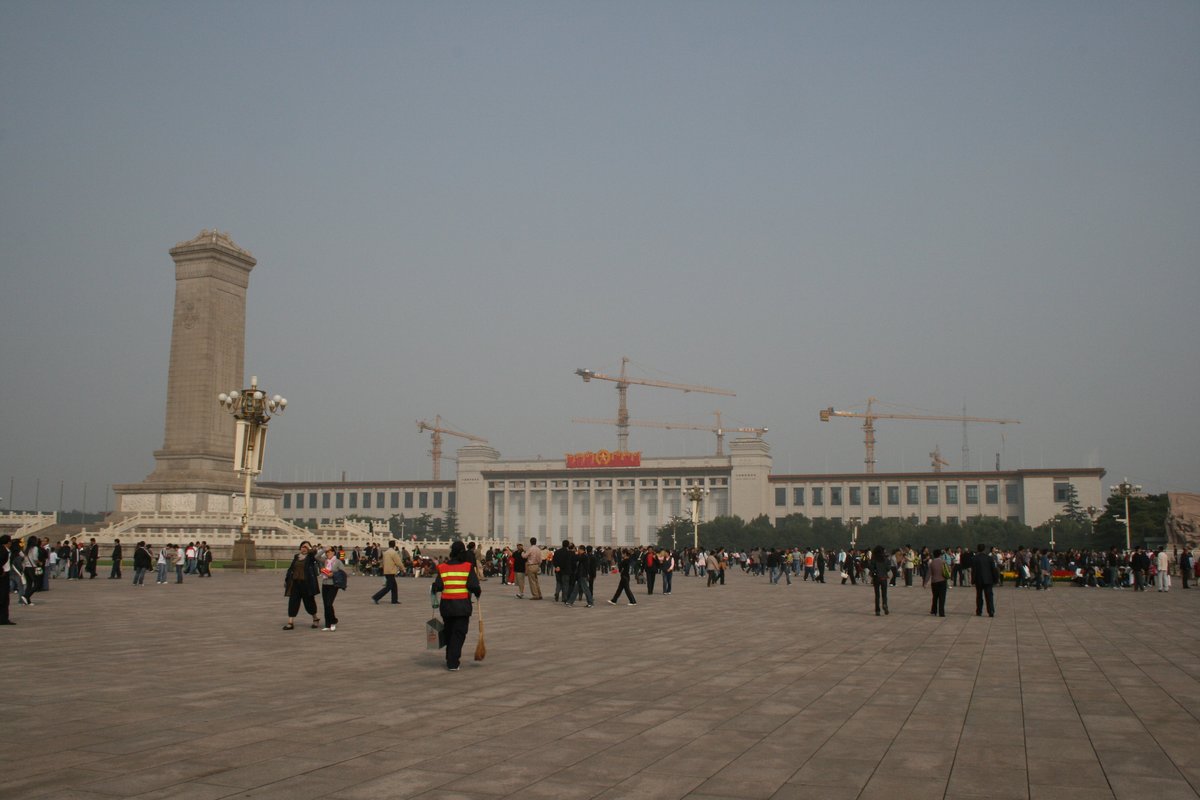
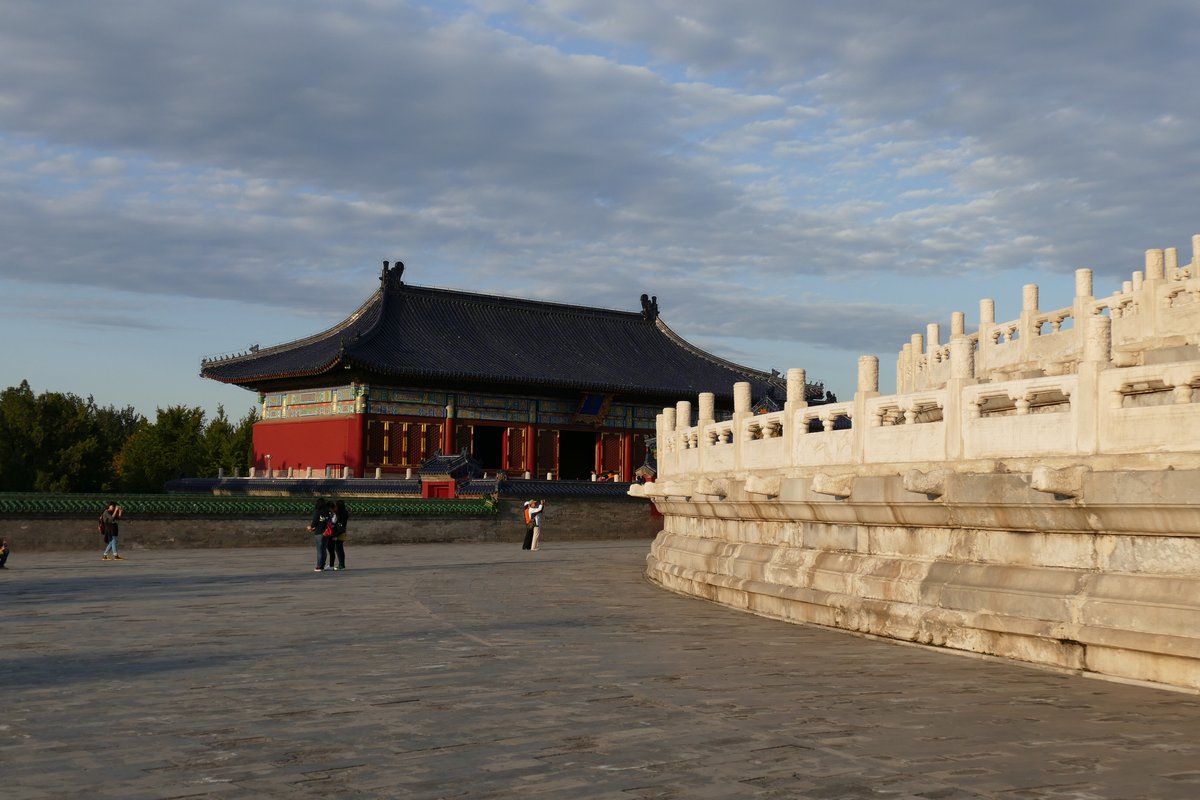
Explore Beijing’s cultural landmarks nearby, including the Forbidden City, Tiananmen Square, and the Temple of Heaven. Sanlitun and Liangmaqiao offer international dining and shopping.
Frequently Asked Questions
Q: What are the office’s visiting hours?
A: Monday to Friday, 9:00 AM–5:00 PM; closed on public holidays. Appointments are required (Consulate Info).
Q: Is there an entry fee?
A: Generally, no. Special events may require registration.
Q: What identification is needed?
A: Passport or Chinese ID and appointment confirmation.
Q: Is the office accessible for people with disabilities?
A: Yes; notify the office in advance for accommodations.
Q: What languages are spoken?
A: Mandarin, French, Haitian Creole, and English.
Q: Can I take photographs?
A: Not without explicit permission.
Health and COVID-19 Protocols
As of July 2025, mask-wearing and temperature checks may still be required in public buildings. Bring hand sanitizer and check the latest travel advisories before your visit (China Discovery).
Final Recommendations
- Schedule in Advance: All visits require appointments; confirm hours before arrival.
- Bring ID and Documents: Passport and any supporting paperwork.
- Respect Cultural Norms: Follow local etiquette and dress codes.
- Stay Informed: Monitor official resources for updates.
- Explore Culture: Attend events and exhibitions for a richer experience.
For more information and updates, consult embassy-info.net, BJ-IPCF, and Consulate Info.
Listen to the full story in the app
The whole Haiti China Trade Development Office,
told well.
Listen to sourced travel stories with local history and practical context — ready offline.

Verified, and shown.
Researched and written by the Audiala editorial team from historical records, architectural archives, and local expertise.
Built from cited sources · see the method · How we make our guides →