Guangqumenwai Station
Guangqumenwai Station is a stop on Beijing Subway Line 7 in the southeastern part of Beijing. It serves as a transit hub and a gateway to the area’s history and cultural heritage, with access to sites including the Temple of Heaven and ancient city wall ruins (Beijing Travels; Ruqin Travel; China Highlights).
History
The Beijing Subway began construction in 1965 as part of the city’s modernization, with planning intended to balance development and heritage preservation. Early expansion involved decisions such as rerouting lines to conserve historic city gates like Qianmen (Beijing Travels).
Subway expansion accelerated in the 21st century, particularly around the 2008 Olympic Games, to improve connections between central and suburban districts. Line 7 was introduced to improve east–west transit across southern Beijing. Guangqumenwai Station serves an area historically known as “outside Guangqu Gate,” a history reflected in its name (explorebj.com; Wikidata).
The area outside Guangqumenwai’s southern city gate was once a transition zone with markets, inns, and defensive structures. The city walls were demolished in the mid-20th century, and modern development now sits alongside street patterns that have been retained from earlier periods.
What to see
The station and its surroundings
The station has multiple entrances and exits labeled A, B, C, and others. Bilingual signage and digital displays help with navigation, and displays provide real-time train updates (Baidu Baike).
The surrounding area has a diverse food scene, bustling markets, and street layouts reminiscent of old Beijing. It is also a setting for photographers and history enthusiasts interested in the meeting of old and new.
Monument near Guangqumenwai
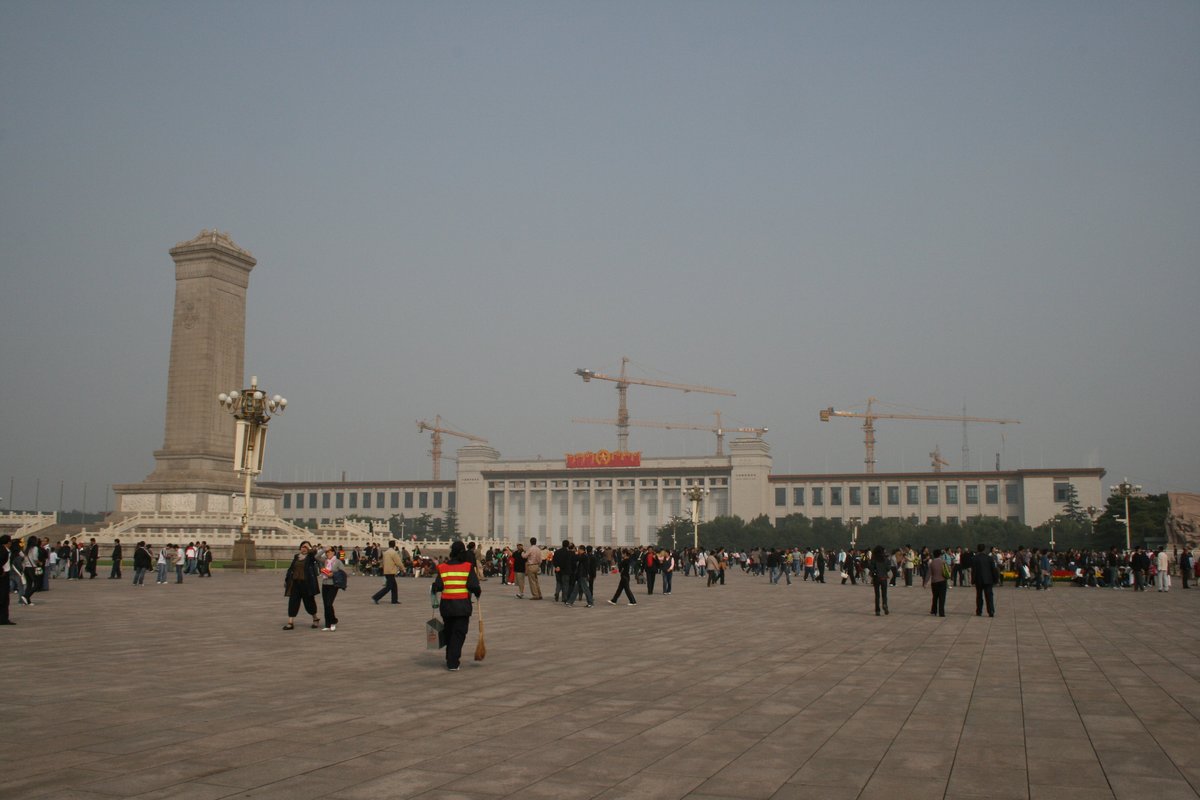
A monument near the station commemorates a key chapter in Beijing’s history and reflects the city’s architectural and cultural legacy. Erected in the early 20th century, it has intricate designs and plaques about Beijing’s historical evolution (Official Monument Site).
It is open daily from 8:00 AM to 6:00 PM. Admission is 40 CNY for adults, 20 CNY for students with valid ID, and free for children under 1.2 meters. Facilities include ramps, elevators, tactile paving, accessible restrooms, a visitor information center, and a gift shop.
Daily guided tours in Mandarin and English provide historical context, and audio guides are available for self-paced visits. The monument hosts exhibitions and cultural events throughout the year; see the official calendar for details. Other historical sites, museums, and local eateries can be visited nearby.
Practical visiting information
Hours, tickets, and payment
Guangqumenwai Station operates daily from approximately 5:00 AM to 11:00 PM. Seasonal or special schedule adjustments may apply (Ruqin Travel).
Single-ride fares start at 3 RMB and increase with distance. Tickets and rechargeable Yikatong transit cards are available at vending machines and counters. Machines accept cash, credit cards, Alipay, and WeChat Pay; mobile payments are also accepted. Staffed counters are another option. The Yikatong Card is recommended for frequent travelers and tourists, and no Chinese ID is required (Ruqin Travel).
Accessibility and facilities
The station has elevators connecting the street, concourse, and platform levels, along with ramps, tactile paving, and accessible restrooms. Bilingual signs and digital displays assist with navigation, including for non-Chinese speakers and visually impaired travelers.
Station facilities include standard and accessible restrooms, seating on platforms and in concourse areas, and an information desk with maps and assistance in Chinese and basic English. Security screening, including bag scans and metal detectors, is conducted at all entrances.
Tips
- Avoid peak hours, 7:00–9:00 AM and 5:00–7:00 PM, for a more comfortable visit.
- Early morning or late afternoon in June is suggested for pleasant weather and moderate crowds (China Highlights).
- Advance bookings are recommended for major sites, especially during peak season.
- Lightweight clothes, sun protection, an umbrella, and some cash for small vendors are suggested.
- The station connects with city bus lines and taxi services.
- Plan ahead, use digital tools, and consider off-peak hours. The guide also recommends downloading the Audiala app for real-time updates and curated audio tours, and following its social channels for more Beijing travel inspiration.
Nearby places
Attractions
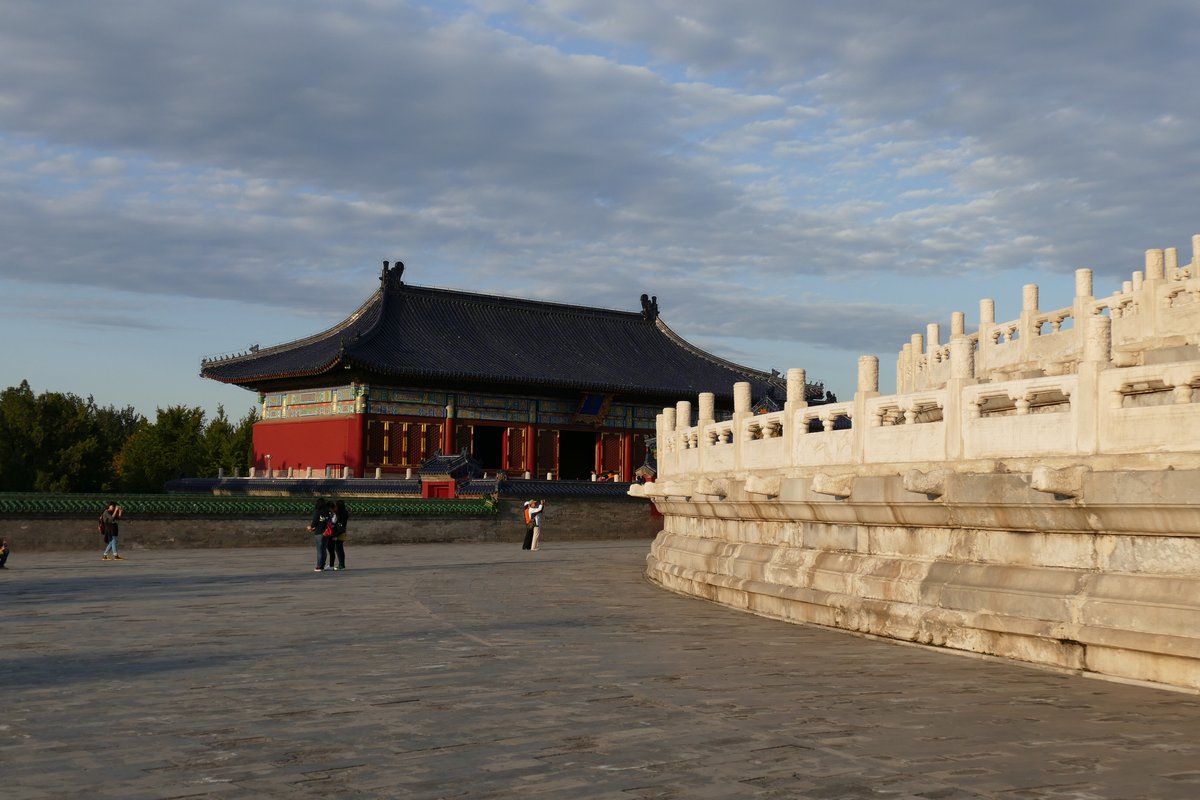
- Temple of Heaven A UNESCO World Heritage Site and imperial altar, 3 km west of the station. Open 6:00 AM–10:00 PM; tickets cost 15–35 RMB (China Discovery).
- Qianmen Street A historic shopping avenue lined with Qing and Ming dynasty architecture.
- Beijing Ancient Observatory A collection of ancient astronomical instruments.
- City Wall Ruins Park A glimpse of Beijing’s ancient fortifications.
- Local markets and eateries Food and shopping experiences reflecting traditional and modern Beijing.
- Forbidden City 5 km northwest. Open 8:30 AM–5:00 PM in peak season; tickets cost 60 RMB (GoShopBeijing).
- Tian’anmen Square Open 24 hours; free entry (China Highlights).
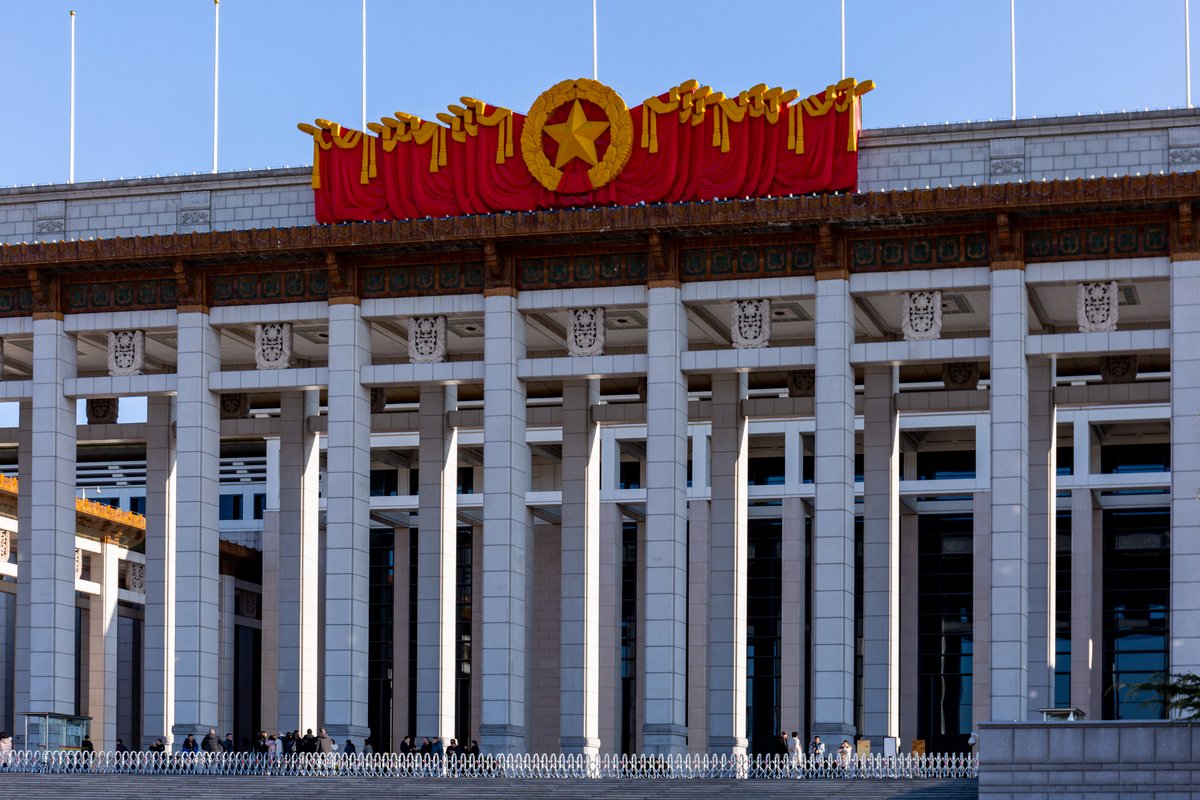
- National Museum of China Open 9:00 AM–5:00 PM and closed Mondays; free entry with ID.
- Nanluoguxiang Hutongs 7 km north, with traditional alleyways, shops, and cafes.
- Wangfujing Shopping Street 4 km north, known for shopping and street food.
- Panjiayuan Antique Market 3 km southeast, open daily and known for vintage finds.
- Summer Palace 15 km northwest. Open 6:30 AM–6:00 PM; tickets cost 30–60 RMB.
- Lama Temple (Yonghe Gong) 7 km north. Open 9:00 AM–5:00 PM; tickets cost 25 RMB.
- Universal Beijing Resort 15 km east. Open 9:00 AM–7:00 PM (China Highlights).
Cultural experiences and seasonal highlights
- Food tours offer Beijing classics such as Peking duck and zhajiangmian (China Highlights).
- Afternoon tea is available in historic settings such as Kunning Palace or Prince’s Mansion.
- Night tours include illuminated cityscapes and night visits to the Simatai Great Wall.
- Longtan and Ritan Parks offer green spaces.
- The 798 Art District and Olympic Park are hubs for art, culture, and architecture (China Tripedia; China Discovery).
- Universal Studios and interactive food tours are listed as family-friendly options.
Day trips
- Chengde Summer Resort 3 hours away by train or car, known for lakes and palaces (China Highlights).
- Shilin Gorge 1.5 hours away, known for waterfalls and glass observation decks.
Frequently Asked Questions (FAQ)
Q: What are Guangqumenwai Station’s operating hours?
A: Approximately 5:00 AM to 11:00 PM daily; seasonal or special schedule adjustments may apply.
Q: How do I buy tickets?
A: Use vending machines or ticket counters, or a Yikatong Card. Mobile payments are accepted.
Q: Is the station accessible for travelers with disabilities?
A: Yes. It has elevators, ramps, accessible restrooms, and tactile paving.
Q: What historical sites are nearby?
A: The Temple of Heaven, Forbidden City, Qianmen Street, city wall ruins, and the monument.
Q: Are there family-friendly attractions in the area?
A: Universal Beijing Resort and interactive food tours are listed as options.